Oil Price Volatility Intensifies, Long-Term Investment Risks Rise
Written by Emily J. Thompson, Senior Investment Analyst
Updated: 3 days ago
0mins
Source: Fool
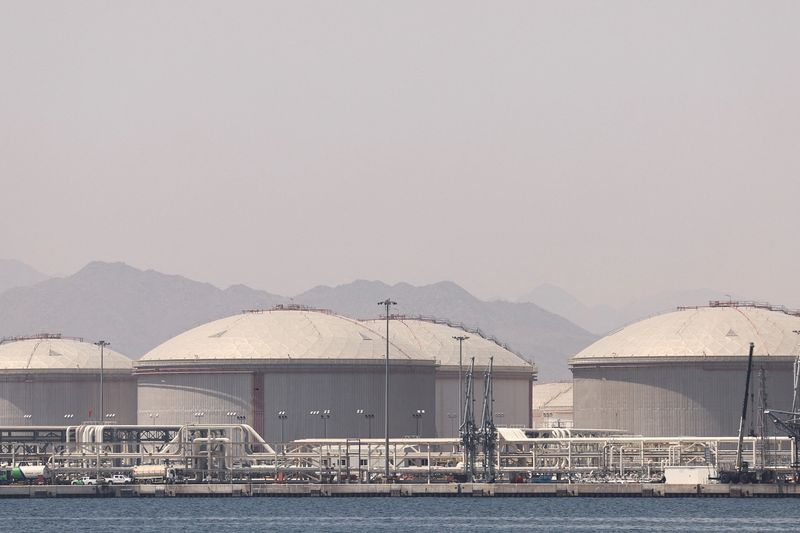
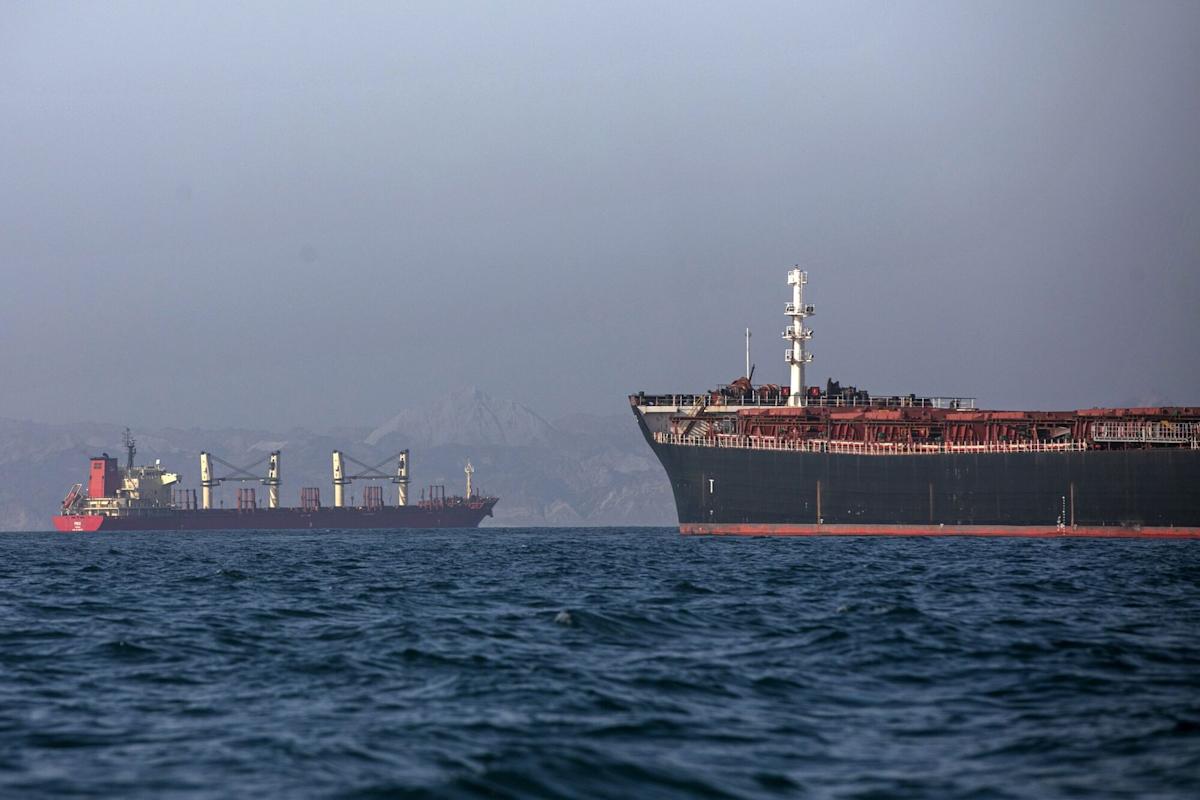
- Increased Oil Price Volatility: Oil prices surged back above $100 per barrel as of May 20 due to the ongoing conflict in the Persian Gulf and the closure of the Strait of Hormuz, reflecting extreme market volatility as short-term traders speculate on news regarding potential deals or escalations.
- Long-Term Investment Risks: While oil futures markets anticipate a quick normalization, prices have remained elevated since March, and the lack of resolution in the conflict poses significant risks for long-term investors, particularly if structural issues remain unresolved.
- Infrastructure Repair Challenges: Even if the Strait of Hormuz reopens, it will take years to repair the damaged energy infrastructure, and uncertainties regarding insurers' willingness to support shipping through the strait and the premiums they may demand further complicate investment risks.
- Persistent Supply-Demand Imbalance: The International Energy Agency (IEA) has revised its 2026 oil supply surplus forecast from several million barrels per day to a 1.8 million barrels per day deficit, indicating that oil production is unlikely to increase significantly in the near term, which may keep prices elevated for longer and attract investor interest in energy stocks.
Trade with 70% Backtested Accuracy
Stop guessing "Should I Buy FANG?" and start using high-conviction signals backed by rigorous historical data.
Sign up today to access powerful investing tools and make smarter, data-driven decisions.
Analyst Views on FANG
Wall Street analysts forecast FANG stock price to fall
19 Analyst Rating
18 Buy
1 Hold
0 Sell
Strong Buy
Current: 200.970

Low
158.00
Averages
180.94
High
218.00
Current: 200.970
Low
158.00
Averages
180.94
High
218.00
About FANG
Diamondback Energy, Inc. is an independent oil and natural gas company, focused on the acquisition, development, exploration and exploitation of unconventional, onshore oil and natural gas reserves primarily in the Permian Basin in West Texas. The Company's activities are primarily directed at the horizontal development of the Wolfcamp and Spraberry formations in the Midland Basin and the Wolfcamp and Bone Spring formations in the Delaware Basin within the Permian Basin. Its subsidiary, Viper Energy, Inc., is focused on owning and acquiring mineral interests and royalty interests in oil and natural gas properties primarily in the Permian Basin and derives royalty income and lease bonus income from such interests. The Company has approximately 859,203 net acres, which primarily consists of 742,522 net acres in the Midland Basin and 116,681 net acres in the Delaware Basin. Its subsidiaries include Diamondback E&P LLC, Rattler Midstream GP LLC, Rattler Midstream LP and QEP Resources, Inc.
About the author

Emily J. Thompson
Emily J. Thompson, a Chartered Financial Analyst (CFA) with 12 years in investment research, graduated with honors from the Wharton School. Specializing in industrial and technology stocks, she provides in-depth analysis for Intellectia’s earnings and market brief reports.
Midstream Energy Winners Amid High Oil Prices


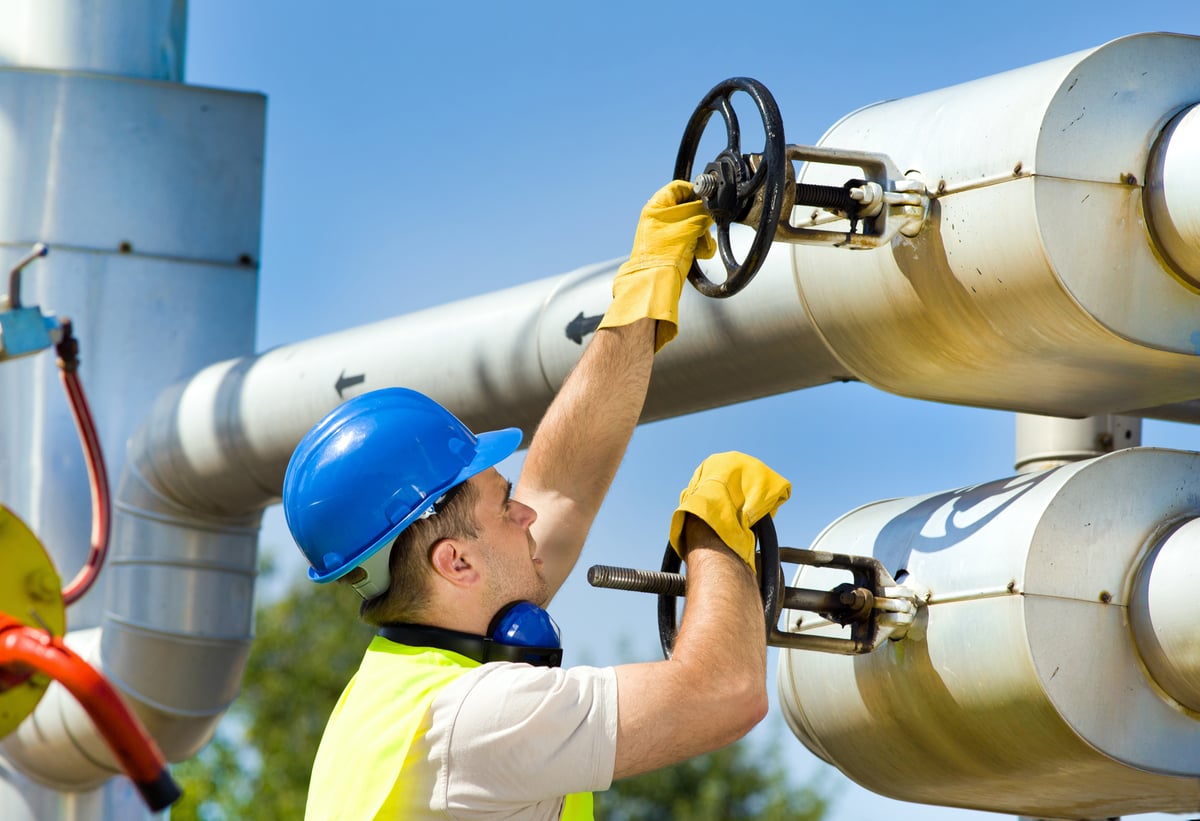
- Midstream Benefits: Amid high oil prices, midstream companies like Energy Transfer, Enterprise Products Partners, and Kinder Morgan reported significant increases in distributable cash flow, with Energy Transfer seeing a nearly 17% year-over-year growth, highlighting their stability and profitability in volatile markets.
- Rising Market Demand: The North American market remains unaffected by Middle Eastern conflicts, leading to a slight uptick in energy demand that benefits Energy Transfer and its peers, further solidifying their critical role in energy infrastructure.
- Stable Yield: Energy Transfer boasts a distribution yield of 6.6%, with Enterprise at 5.5% and Kinder Morgan at 3.4%, attracting long-term investors and demonstrating the ability of midstream companies to maintain profitability amid market fluctuations.
- Strategic Energy Security: As geopolitical tensions rise, North American energy may become a preferred option for other countries, driving further business growth for midstream companies and ensuring their pivotal role in future energy supply.
See More

Opportunities in Energy Market Amid Middle East Conflict
- Middle East Conflict Impact: Global oil reserves are being utilized to mitigate supply shortages caused by the Middle East conflict, yet U.S. midstream companies like Energy Transfer and Enterprise Products Partners continue to perform strongly, demonstrating their business resilience in uncertain times.
- Strong Financial Performance: Energy Transfer reported a nearly 17% year-over-year increase in distributable cash flow for Q1 2026, and management's optimistic outlook for the full year further boosts investor confidence, indicating stability amid market uncertainties.
- Shifting Market Demand: The North American market remains unaffected by the Middle East conflict, and there is potential for increased long-term demand for North American oil and natural gas as countries reconsider energy security, providing additional growth opportunities for midstream companies.
- Stable Revenue Model: Midstream companies generate income primarily from fees for transporting energy rather than energy prices, which allows Energy Transfer to maintain a distribution yield of 6.6%, offering investors reliable returns in a volatile market.
See More
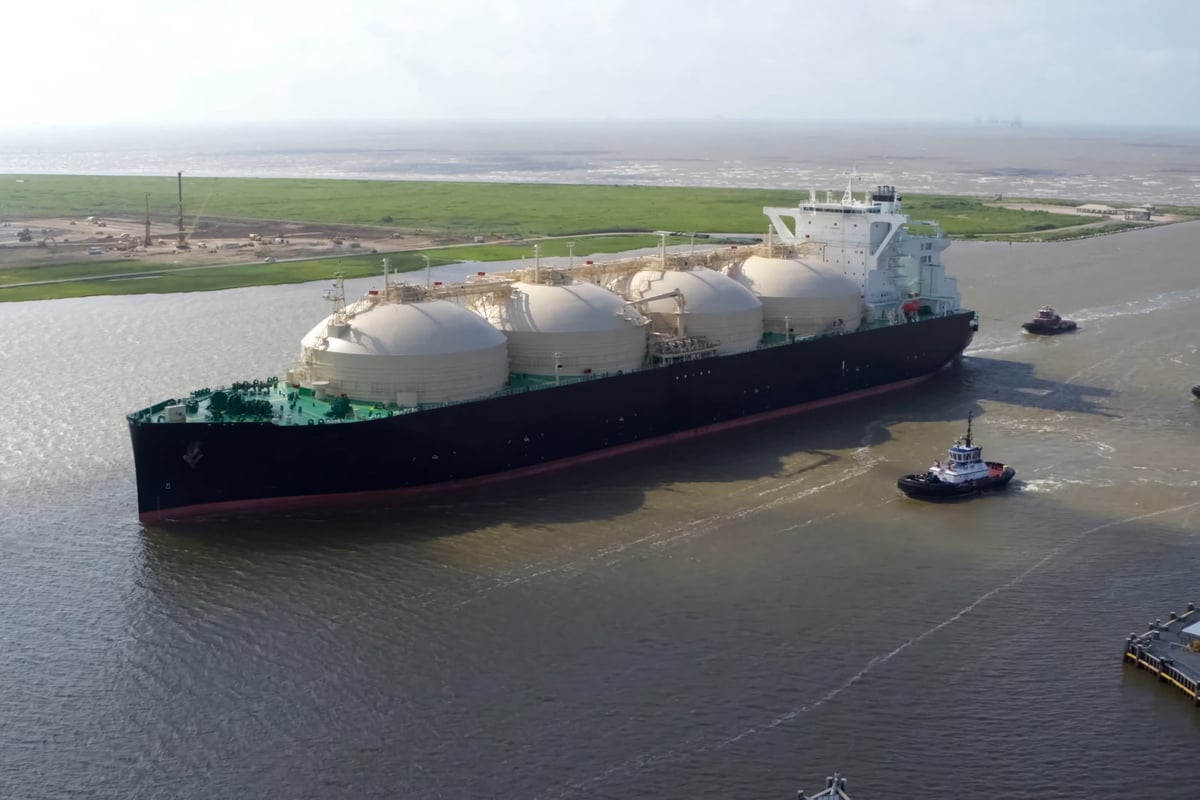
Oil Price Volatility Intensifies, Long-Term Investment Risks Rise

- Increased Oil Price Volatility: Oil prices surged back above $100 per barrel as of May 20 due to the ongoing conflict in the Persian Gulf and the closure of the Strait of Hormuz, reflecting extreme market volatility as short-term traders speculate on news regarding potential deals or escalations.
- Long-Term Investment Risks: While oil futures markets anticipate a quick normalization, prices have remained elevated since March, and the lack of resolution in the conflict poses significant risks for long-term investors, particularly if structural issues remain unresolved.
- Infrastructure Repair Challenges: Even if the Strait of Hormuz reopens, it will take years to repair the damaged energy infrastructure, and uncertainties regarding insurers' willingness to support shipping through the strait and the premiums they may demand further complicate investment risks.
- Persistent Supply-Demand Imbalance: The International Energy Agency (IEA) has revised its 2026 oil supply surplus forecast from several million barrels per day to a 1.8 million barrels per day deficit, indicating that oil production is unlikely to increase significantly in the near term, which may keep prices elevated for longer and attract investor interest in energy stocks.
See More

Oil Price Volatility and Production Adjustments
- Increased Oil Price Volatility: As of May 20, oil prices have surged back above $100 per barrel, reflecting the ongoing impact of the Persian Gulf conflict; while short-term traders react to market dynamics, long-term investors must consider the risk of persistently high oil prices.
- Cautious Capital Spending: Despite elevated oil prices, oil and gas companies are not aggressively increasing capital expenditures, indicating uncertainty about future price trends, especially after the IEA revised its 2026 oil supply forecast from surplus to a deficit of 1.8 million barrels per day.
- OPEC Member Responses: Although the UAE has exited OPEC and ramped up production, countries like Saudi Arabia, Kuwait, and Iran may adopt a measured approach to production increases to maintain high prices, highlighting the delicate balance between market stability and revenue needs.
- Infrastructure Repair Challenges: Even if the Strait of Hormuz reopens, it will take years to repair damaged energy infrastructure, and the unclear stance of insurers on supporting shipping through the strait adds risk to investing in energy infrastructure in the Gulf region.
See More
U.S. Shale Oil Production Rapidly Rebounds Amid Price Surge


- Rapid Production Growth: Since the outbreak of the Iran war, global oil prices have surged approximately 60%, with U.S. crude production rising from 13.6 million bpd to 13.7 million bpd, and is expected to exceed 14 million bpd for the first time in 2027, showcasing the quick responsiveness of the U.S. shale oil industry.
- Record Exports: U.S. crude exports have skyrocketed over 60% from pre-war levels to nearly 6.5 million barrels per day, significantly alleviating supply shortages in Asia and Europe, thereby reinforcing the United States' position as a new swing producer in the global market.
- Increased Drilling Activity: According to Baker Hughes, the number of oil rigs has risen for four consecutive weeks to 415, the highest since November, with 60% located in Texas, further enhancing shale oil production capacity.
- Cautious Investment: Despite the anticipated growth in shale oil production, major producers like ConocoPhillips and EOG Resources are maintaining cautious capital spending and production plans due to investor pressure and limitations in mature oil fields, reflecting the industry's cautious approach to short-term volatility.
See More

Middle East Conflict Causes Global Oil Shortage
- Global Oil Shortage: Shell CEO Wael Sawan reports a global oil shortage of 1 billion barrels due to geopolitical conflicts in the Middle East, with recovery expected to take months, leading to sustained high energy prices that will impact the global market.
- Rising Energy Prices: Elevated oil prices will benefit integrated energy giants like Shell, ExxonMobil, and Chevron, with Chevron's 3.9% dividend yield surpassing both Shell and Exxon, demonstrating its stability throughout the energy cycle.
- Opportunities in U.S. Upstream Companies: Companies like Diamondback Energy and Devon Energy, focused solely on oil and gas production, estimate free cash flow yields of 15% at $90 per barrel oil, with Devon projecting a yield of 21% at $110 per barrel, highlighting their potential profitability.
- Market Volatility: While the Middle East conflict raises concerns, the inherent volatility of energy markets remains unchanged, prompting investors to choose strategies based on risk tolerance, with long-term investors favoring Chevron and short-term traders considering Diamondback and Devon Energy.
See More
Midstream Energy Winners Amid High Oil Prices
- Midstream Benefits: Amid high oil prices, midstream companies like Energy Transfer, Enterprise Products Partners, and Kinder Morgan reported significant increases in distributable cash flow, with Energy Transfer seeing a nearly 17% year-over-year growth, highlighting their stability and profitability in volatile markets.
- Rising Market Demand: The North American market remains unaffected by Middle Eastern conflicts, leading to a slight uptick in energy demand that benefits Energy Transfer and its peers, further solidifying their critical role in energy infrastructure.
- Stable Yield: Energy Transfer boasts a distribution yield of 6.6%, with Enterprise at 5.5% and Kinder Morgan at 3.4%, attracting long-term investors and demonstrating the ability of midstream companies to maintain profitability amid market fluctuations.
- Strategic Energy Security: As geopolitical tensions rise, North American energy may become a preferred option for other countries, driving further business growth for midstream companies and ensuring their pivotal role in future energy supply.
See More
Opportunities in Energy Market Amid Middle East Conflict
- Middle East Conflict Impact: Global oil reserves are being utilized to mitigate supply shortages caused by the Middle East conflict, yet U.S. midstream companies like Energy Transfer and Enterprise Products Partners continue to perform strongly, demonstrating their business resilience in uncertain times.
- Strong Financial Performance: Energy Transfer reported a nearly 17% year-over-year increase in distributable cash flow for Q1 2026, and management's optimistic outlook for the full year further boosts investor confidence, indicating stability amid market uncertainties.
- Shifting Market Demand: The North American market remains unaffected by the Middle East conflict, and there is potential for increased long-term demand for North American oil and natural gas as countries reconsider energy security, providing additional growth opportunities for midstream companies.
- Stable Revenue Model: Midstream companies generate income primarily from fees for transporting energy rather than energy prices, which allows Energy Transfer to maintain a distribution yield of 6.6%, offering investors reliable returns in a volatile market.
See More
Oil Price Volatility Intensifies, Long-Term Investment Risks Rise
- Increased Oil Price Volatility: Oil prices surged back above $100 per barrel as of May 20 due to the ongoing conflict in the Persian Gulf and the closure of the Strait of Hormuz, reflecting extreme market volatility as short-term traders speculate on news regarding potential deals or escalations.
- Long-Term Investment Risks: While oil futures markets anticipate a quick normalization, prices have remained elevated since March, and the lack of resolution in the conflict poses significant risks for long-term investors, particularly if structural issues remain unresolved.
- Infrastructure Repair Challenges: Even if the Strait of Hormuz reopens, it will take years to repair the damaged energy infrastructure, and uncertainties regarding insurers' willingness to support shipping through the strait and the premiums they may demand further complicate investment risks.
- Persistent Supply-Demand Imbalance: The International Energy Agency (IEA) has revised its 2026 oil supply surplus forecast from several million barrels per day to a 1.8 million barrels per day deficit, indicating that oil production is unlikely to increase significantly in the near term, which may keep prices elevated for longer and attract investor interest in energy stocks.
See More
Oil Price Volatility and Production Adjustments
- Increased Oil Price Volatility: As of May 20, oil prices have surged back above $100 per barrel, reflecting the ongoing impact of the Persian Gulf conflict; while short-term traders react to market dynamics, long-term investors must consider the risk of persistently high oil prices.
- Cautious Capital Spending: Despite elevated oil prices, oil and gas companies are not aggressively increasing capital expenditures, indicating uncertainty about future price trends, especially after the IEA revised its 2026 oil supply forecast from surplus to a deficit of 1.8 million barrels per day.
- OPEC Member Responses: Although the UAE has exited OPEC and ramped up production, countries like Saudi Arabia, Kuwait, and Iran may adopt a measured approach to production increases to maintain high prices, highlighting the delicate balance between market stability and revenue needs.
- Infrastructure Repair Challenges: Even if the Strait of Hormuz reopens, it will take years to repair damaged energy infrastructure, and the unclear stance of insurers on supporting shipping through the strait adds risk to investing in energy infrastructure in the Gulf region.
See More
U.S. Shale Oil Production Rapidly Rebounds Amid Price Surge
- Rapid Production Growth: Since the outbreak of the Iran war, global oil prices have surged approximately 60%, with U.S. crude production rising from 13.6 million bpd to 13.7 million bpd, and is expected to exceed 14 million bpd for the first time in 2027, showcasing the quick responsiveness of the U.S. shale oil industry.
- Record Exports: U.S. crude exports have skyrocketed over 60% from pre-war levels to nearly 6.5 million barrels per day, significantly alleviating supply shortages in Asia and Europe, thereby reinforcing the United States' position as a new swing producer in the global market.
- Increased Drilling Activity: According to Baker Hughes, the number of oil rigs has risen for four consecutive weeks to 415, the highest since November, with 60% located in Texas, further enhancing shale oil production capacity.
- Cautious Investment: Despite the anticipated growth in shale oil production, major producers like ConocoPhillips and EOG Resources are maintaining cautious capital spending and production plans due to investor pressure and limitations in mature oil fields, reflecting the industry's cautious approach to short-term volatility.
See More
Middle East Conflict Causes Global Oil Shortage
- Global Oil Shortage: Shell CEO Wael Sawan reports a global oil shortage of 1 billion barrels due to geopolitical conflicts in the Middle East, with recovery expected to take months, leading to sustained high energy prices that will impact the global market.
- Rising Energy Prices: Elevated oil prices will benefit integrated energy giants like Shell, ExxonMobil, and Chevron, with Chevron's 3.9% dividend yield surpassing both Shell and Exxon, demonstrating its stability throughout the energy cycle.
- Opportunities in U.S. Upstream Companies: Companies like Diamondback Energy and Devon Energy, focused solely on oil and gas production, estimate free cash flow yields of 15% at $90 per barrel oil, with Devon projecting a yield of 21% at $110 per barrel, highlighting their potential profitability.
- Market Volatility: While the Middle East conflict raises concerns, the inherent volatility of energy markets remains unchanged, prompting investors to choose strategies based on risk tolerance, with long-term investors favoring Chevron and short-term traders considering Diamondback and Devon Energy.
See More