Oil Executives Anticipate Rising Prices and Increased Investment in Renewables


Impact of the Iran War: The ongoing conflict in Iran is causing significant disruptions to global energy supplies, with the full financial implications yet to be determined.
CERAWeek Insights: Executives from major oil companies shared their perspectives on the situation during the S&P Global annual energy conference held in Houston.
Timeline for Cost Assessment: It may take several months to accurately assess the total costs associated with the energy supply disruptions caused by the war.
Industry Concerns: The uncertainty surrounding energy supply and pricing is a major concern for the oil industry as they navigate the implications of the conflict.
Trade with 70% Backtested Accuracy
Analyst Views on DOW

About DOW
About the author

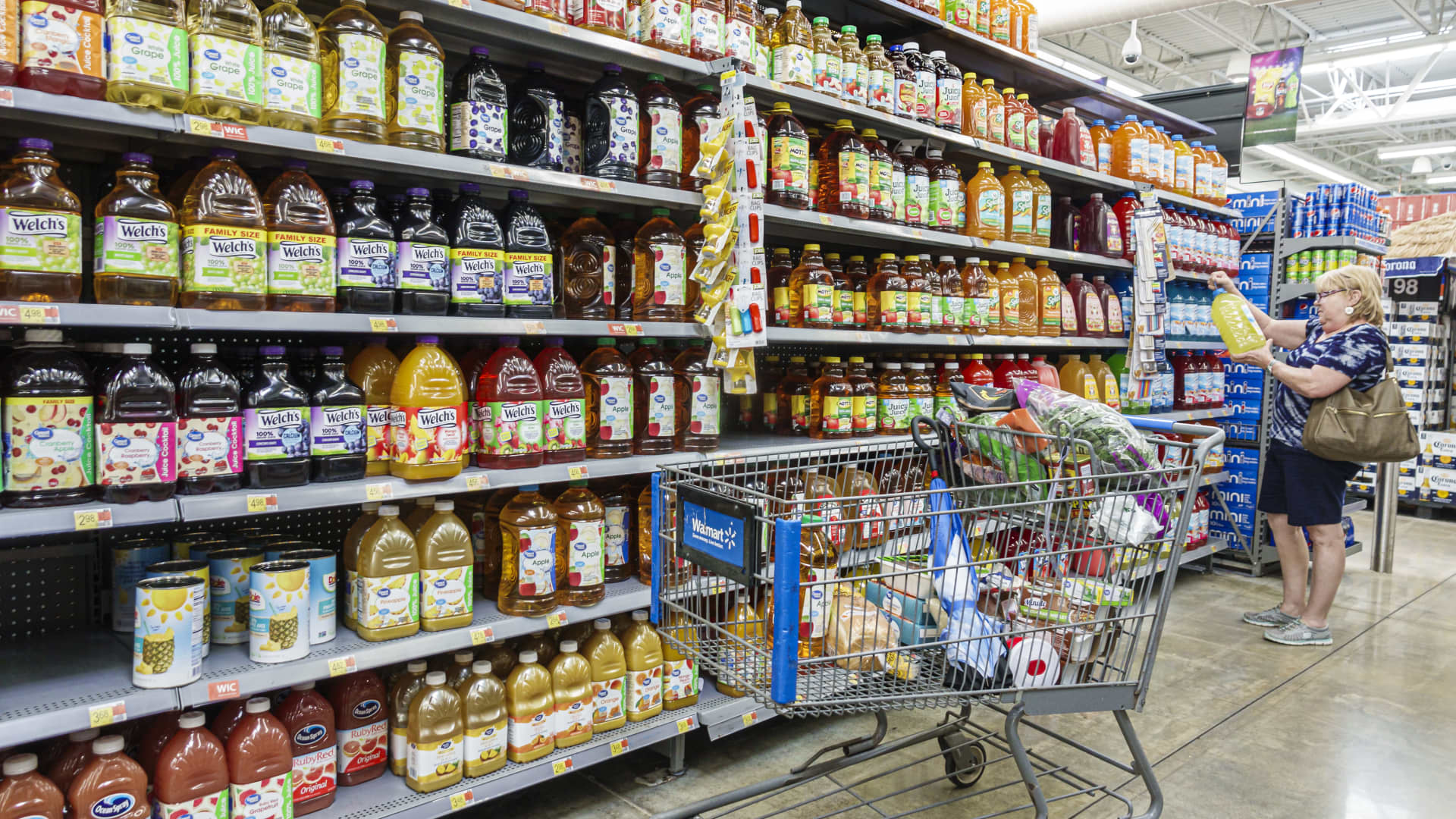
Rising Petrochemical Prices Have Widespread Impact

- Plastic Price Surge: Stanislav Krykun, CEO of DST-Pack, reports a 15% price increase from Chinese plastic suppliers due to rising raw material costs and market uncertainty, which is expected to lead to higher packaging costs that will ultimately affect consumer prices.
- Holiday Product Cost Reevaluation: Krykun notes that with increasing orders for the 2026 Christmas season, costs for packaging projects have been recalculated, particularly as the rising prices of molded plastic trays will directly impact clients' production budgets.
- Petrochemical Supply Shock: Atsi Sheth, chief credit officer at Moody's, highlights that the petrochemical industry is facing a supply shock, with oversupply and insufficient demand leading to downgrades for producers, which is expected to exacerbate consumer price inflation, particularly affecting lower-income groups.
- Long-Term Market Uncertainty: Peter Swartz, chief science officer at supply chain analytics firm Altana, states that the market is pricing in uncertainty, and long-term price increases are expected to become the norm, prompting businesses to invest in diversification to tackle future challenges.

Oil Executives Anticipate Rising Prices and Increased Investment in Renewables

Impact of the Iran War: The ongoing conflict in Iran is causing significant disruptions to global energy supplies, with the full financial implications yet to be determined.
CERAWeek Insights: Executives from major oil companies shared their perspectives on the situation during the S&P Global annual energy conference held in Houston.
Timeline for Cost Assessment: It may take several months to accurately assess the total costs associated with the energy supply disruptions caused by the war.
Industry Concerns: The uncertainty surrounding energy supply and pricing is a major concern for the oil industry as they navigate the implications of the conflict.

DOW ANNOUNCES APRIL PRICE INCREASE OF 30 CENTS PER POUND - WSJ
- Price Increase Announcement: The DOW has stated that the price hike scheduled for April will now be 30 cents per pound.
- Market Impact: This adjustment may influence market dynamics and consumer pricing strategies moving forward.
DOW INCREASES PLASTICS PRICES TWICE AS IRAN CONFLICT DISRUPTS SUPPLY CHAIN - WSJ
Rising Plastic Prices: The price of plastics has significantly increased, impacting various industries reliant on these materials.
Supply Chain Disruptions: Ongoing supply chain issues, exacerbated by geopolitical tensions, are contributing to the rising costs and availability of plastics.

Kuwait Petroleum Warns of Economic Blockade Impact
- Economic Blockade Warning: Sheikh Nawaf Al-Sabah, CEO of Kuwait Petroleum Corporation, stated that Iran's closure of the Strait of Hormuz constitutes an economic blockade against Gulf Arab oil producers, warning that the impact will be catastrophic and could trigger a domino effect on the global economy.
- Production Disruption: Kuwait has declared force majeure on its delivery contracts and has ramped down oil production, currently only supplying oil for domestic consumption, with a prior production level of 2.6 million barrels per day, making it the fifth-largest producer in OPEC.
- Global Supply Shortage: Al-Sabah emphasized that the 3 million barrels per day of emergency stocks from the International Energy Agency will do little to compensate for the production cuts in Iraq, Saudi Arabia, and the UAE, highlighting the far-reaching impact of the Strait's closure on the global supply chain.
- Agricultural Impact: With fertilizers from the Gulf unable to reach global markets, developing countries could see a 50% reduction in harvests, particularly as the planting season approaches, exacerbating difficulties in global food transportation.

Mizuho Increases DOW INC Target Price from $33 to $39
- Target Price Increase: Dow Inc. has raised its target price for Mizuhō to $39, up from a previous $33.
- Market Implications: This adjustment reflects a positive outlook on Mizuhō's performance in the market.
Rising Petrochemical Prices Have Widespread Impact
- Plastic Price Surge: Stanislav Krykun, CEO of DST-Pack, reports a 15% price increase from Chinese plastic suppliers due to rising raw material costs and market uncertainty, which is expected to lead to higher packaging costs that will ultimately affect consumer prices.
- Holiday Product Cost Reevaluation: Krykun notes that with increasing orders for the 2026 Christmas season, costs for packaging projects have been recalculated, particularly as the rising prices of molded plastic trays will directly impact clients' production budgets.
- Petrochemical Supply Shock: Atsi Sheth, chief credit officer at Moody's, highlights that the petrochemical industry is facing a supply shock, with oversupply and insufficient demand leading to downgrades for producers, which is expected to exacerbate consumer price inflation, particularly affecting lower-income groups.
- Long-Term Market Uncertainty: Peter Swartz, chief science officer at supply chain analytics firm Altana, states that the market is pricing in uncertainty, and long-term price increases are expected to become the norm, prompting businesses to invest in diversification to tackle future challenges.
Oil Executives Anticipate Rising Prices and Increased Investment in Renewables
Impact of the Iran War: The ongoing conflict in Iran is causing significant disruptions to global energy supplies, with the full financial implications yet to be determined.
CERAWeek Insights: Executives from major oil companies shared their perspectives on the situation during the S&P Global annual energy conference held in Houston.
Timeline for Cost Assessment: It may take several months to accurately assess the total costs associated with the energy supply disruptions caused by the war.
Industry Concerns: The uncertainty surrounding energy supply and pricing is a major concern for the oil industry as they navigate the implications of the conflict.
DOW ANNOUNCES APRIL PRICE INCREASE OF 30 CENTS PER POUND - WSJ
- Price Increase Announcement: The DOW has stated that the price hike scheduled for April will now be 30 cents per pound.
- Market Impact: This adjustment may influence market dynamics and consumer pricing strategies moving forward.
DOW INCREASES PLASTICS PRICES TWICE AS IRAN CONFLICT DISRUPTS SUPPLY CHAIN - WSJ
Rising Plastic Prices: The price of plastics has significantly increased, impacting various industries reliant on these materials.
Supply Chain Disruptions: Ongoing supply chain issues, exacerbated by geopolitical tensions, are contributing to the rising costs and availability of plastics.
Kuwait Petroleum Warns of Economic Blockade Impact
- Economic Blockade Warning: Sheikh Nawaf Al-Sabah, CEO of Kuwait Petroleum Corporation, stated that Iran's closure of the Strait of Hormuz constitutes an economic blockade against Gulf Arab oil producers, warning that the impact will be catastrophic and could trigger a domino effect on the global economy.
- Production Disruption: Kuwait has declared force majeure on its delivery contracts and has ramped down oil production, currently only supplying oil for domestic consumption, with a prior production level of 2.6 million barrels per day, making it the fifth-largest producer in OPEC.
- Global Supply Shortage: Al-Sabah emphasized that the 3 million barrels per day of emergency stocks from the International Energy Agency will do little to compensate for the production cuts in Iraq, Saudi Arabia, and the UAE, highlighting the far-reaching impact of the Strait's closure on the global supply chain.
- Agricultural Impact: With fertilizers from the Gulf unable to reach global markets, developing countries could see a 50% reduction in harvests, particularly as the planting season approaches, exacerbating difficulties in global food transportation.
Mizuho Increases DOW INC Target Price from $33 to $39
- Target Price Increase: Dow Inc. has raised its target price for Mizuhō to $39, up from a previous $33.
- Market Implications: This adjustment reflects a positive outlook on Mizuhō's performance in the market.