Nvidia's Earnings Preview: H200 Chip Sales Could Have Major Impact
Written by Emily J. Thompson, Senior Investment Analyst
Updated: 5 days ago
0mins


Source: CNBC
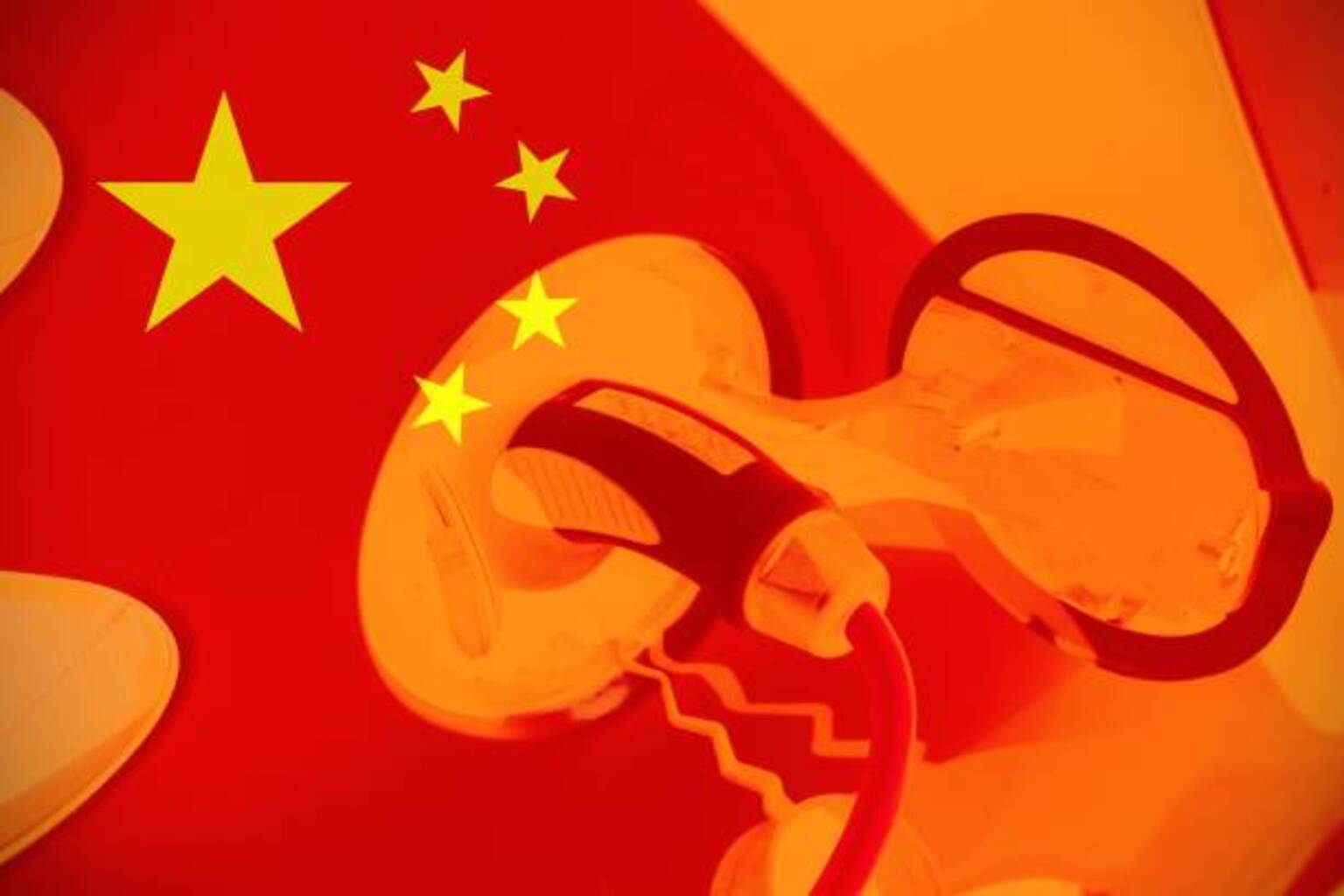
- Chinese Market Potential: Nvidia's H200 GPU chip has been approved for about 10 Chinese companies, although no deliveries have been confirmed, indicating a potential recovery in the Chinese market that could significantly boost Nvidia's sales, especially as AI developers increasingly rely on Nvidia GPUs.
- Intensifying Competition: With the decentralization of AI system architecture, Nvidia faces competitive pressure from CPU manufacturers like Intel and AMD, and analysts emphasize that Nvidia needs to demonstrate diversification in its non-cloud service provider customer base to maintain its market share and growth momentum.
- Optimistic Financial Expectations: UBS forecasts an 80% year-over-year revenue increase and a 120% growth in EPS for Nvidia, with investors generally expecting the earnings report to exceed analyst expectations, reflecting market confidence in Nvidia's future performance despite challenges from supply chain constraints and high expectations.
- Need for Strategic Adjustment: Nvidia must show diversification in its customer base to mitigate risks associated with reliance on large cloud service providers, as analysts warn that failure to effectively expand its customer base could impact its long-term growth potential, particularly in an environment of rising AI capital expenditures.
Trade with 70% Backtested Accuracy
Stop guessing "Should I Buy NVDA?" and start using high-conviction signals backed by rigorous historical data.
Sign up today to access powerful investing tools and make smarter, data-driven decisions.
Analyst Views on NVDA
Wall Street analysts forecast NVDA stock price to rise
41 Analyst Rating
39 Buy
1 Hold
1 Sell
Strong Buy
Current: 219.510

Low
200.00
Averages
264.97
High
352.00
Current: 219.510
Low
200.00
Averages
264.97
High
352.00
About NVDA
NVIDIA Corporation is an artificial intelligence (AI) infrastructure company. The Company is engaged in accelerated computing to help solve the challenging computational problems. Its segments include Compute & Networking and Graphics. The Compute & Networking segment includes its Data Center accelerated computing and networking platforms and AI solutions and software, and automotive platforms and autonomous and electric vehicle solutions, including software. The Graphics segment includes GeForce GPUs for gaming and personal computers (PCs), and Quadro/NVIDIA RTX GPUs for enterprise workstation graphics. Its technology stack includes the foundational NVIDIA CUDA development platform that runs on all NVIDIA GPUs, as well as hundreds of domain-specific software libraries, frameworks, algorithms, software development kits (SDKs), and application programming interfaces (APIs). Its platforms address four markets, which include Data Center, Gaming, Professional Visualization, and Automotive.
About the author

Emily J. Thompson
Emily J. Thompson, a Chartered Financial Analyst (CFA) with 12 years in investment research, graduated with honors from the Wharton School. Specializing in industrial and technology stocks, she provides in-depth analysis for Intellectia’s earnings and market brief reports.
Nvidia Announces $80 Billion Stock Buyback Amid AI Growth

- Earnings Beat: Nvidia's first-quarter results exceeded Wall Street expectations, showcasing robust growth in its data center business amid accelerating AI infrastructure investments, which reflects management's confidence in future revenue and profit expansion.
- Massive Buyback Authorization: The board approved an additional $80 billion stock repurchase program, indicating management's belief that the current stock price is undervalued and aiming to enhance shareholder confidence through capital return.
- Historical Buyback Trends: Over the past year, Nvidia has authorized more than $25 billion in stock buybacks, demonstrating a consistent capital return strategy, particularly returning over $41.1 billion to shareholders through buybacks and dividends in fiscal 2026.
- Attractive Market Valuation: With a current P/E ratio of 25 times expected earnings, Nvidia appears relatively undervalued compared to historical premiums during AI expansion phases, making the buyback decision not just a capital return but a strong signal of future growth potential.
See More

SpaceX IPO Expected to Be Largest in History
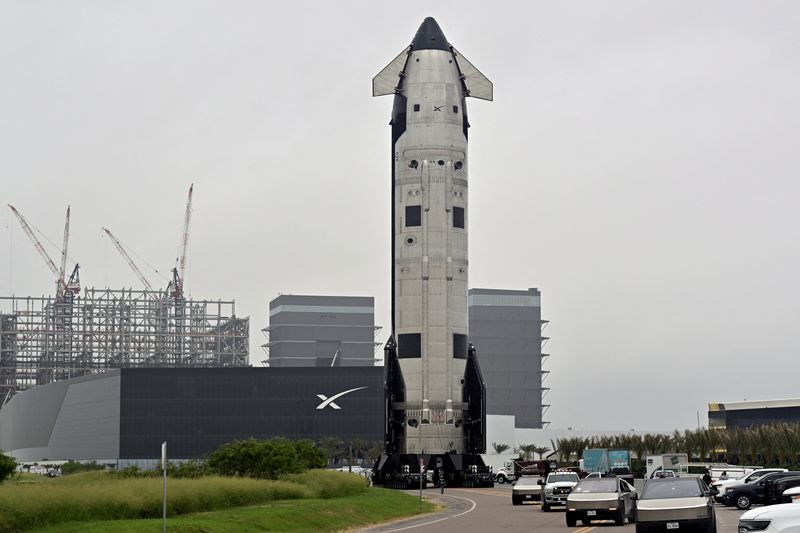
- Massive Capital Raise: SpaceX aims to raise approximately $75 billion through its IPO, with a valuation between $1.75 trillion and $2 trillion, positioning it as potentially the largest IPO in history and attracting significant investor interest.
- Infrastructure Supplier Dependence: While SpaceX's IPO garners attention, history indicates that infrastructure suppliers like Nvidia often achieve higher long-term returns, highlighting the market's ongoing demand for essential technology support.
- Clear Funding Utilization: The IPO proceeds will be directed towards expanding the Starlink network, enhancing Starship reusability, and designing data centers that could be deployed in orbit, all of which require substantial GPU support, thereby reinforcing the partnership with Nvidia.
- Expected Market Volatility: SpaceX stock is anticipated to experience typical post-IPO volatility, particularly after lock-up periods expire when insiders may begin to take profits, while Nvidia could benefit from the influx of capital due to its dominant position in AI infrastructure.
See More

Surging Oil Prices Propel ETF Performance

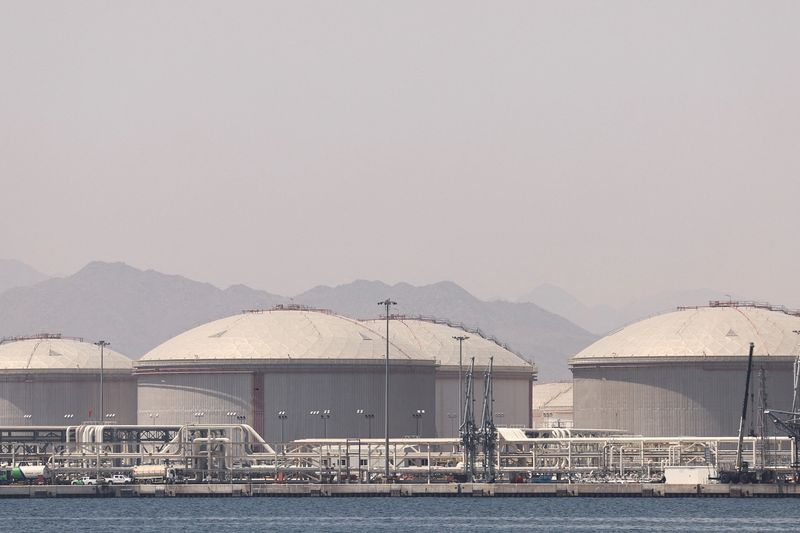
- Oil Price Surge: The ongoing U.S.-Iran conflict has led to a blockade of the Strait of Hormuz, causing WTI crude oil prices to double this year, with USO reflecting this surge; Barclays forecasts Brent crude to stabilize around $100 per barrel in 2026.
- Semiconductor ETF Outperformance: The iShares Semiconductor ETF (SOXX) and VanEck Semiconductor ETF (SMH) have significantly outperformed the market in 2026, with SOXX up over 78%, while SMH and TQQQ gained more than 60% and 47%, respectively, driven by AI-related investments.
- Micron Technology's Strong Performance: Micron Technology (MU) has surged over 138% due to soaring demand for high-bandwidth memory chips, making it the largest holding in SOXX at 9.51%, and significantly contributing to the growth of the semiconductor sector.
- Retail Sentiment Shift: Retail sentiment around SPY has shifted from 'extremely bullish' to 'bullish', while USO and SMH are in 'bearish' territory, indicating a divergence in market sentiment across different ETFs, particularly with TQQQ in 'extremely bearish'.
See More
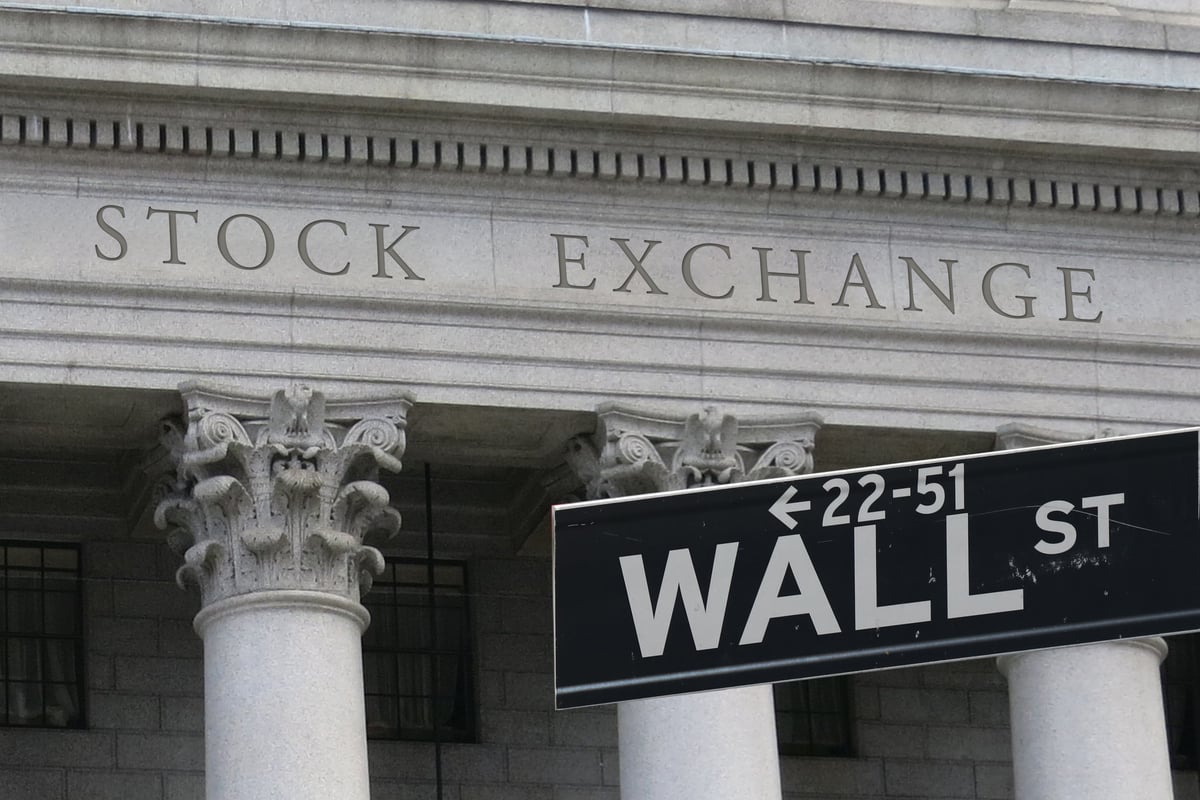
Dow Jones Index Celebrates 130th Anniversary with Key Stock Insights

- Dow Component Changes: Since its establishment in 1896, the Dow Jones Index has seen significant changes in its components, with recent additions like Nvidia and Amazon reflecting economic evolution, shifting investor perception from traditional low-growth stocks to a modern blend of growth and value stocks.
- Nvidia's Dividend Surge: On May 20, Nvidia raised its quarterly dividend from $0.01 to $1 per share, a staggering 2400% increase, which, despite a current yield of only 0.5%, attracts investors seeking passive income and indicates a shift towards a more stable earnings model amid surging AI demand.
- Visa's Strong Financial Performance: Despite economic uncertainties, Visa achieved a 9% increase in payment volume in its latest quarter, with valuations at 30 times free cash flow and 29 times earnings, showcasing the resilience of its business model and providing a compelling buying opportunity for investors despite stock price declines.
- Procter & Gamble's Rising Dividend Yield: Procter & Gamble raised its dividend for the 70th consecutive year in April, with a current yield of 3%, and despite challenges in volume growth, its strong brand portfolio positions it as an ideal choice for risk-averse investors, trading at a P/E of just 21, below its 10-year average of 25.4.
See More

Nvidia Makes Significant Dividend Increase
- Dividend Surge: Nvidia raised its quarterly dividend from $0.01 to $1 per share on May 20, marking a staggering 2,400% increase, which, despite a low yield of 0.5%, makes it more attractive for investors seeking passive income.
- Market Share Expansion: Nvidia has broadened its market share in data centers by delivering new rack-scale solutions, including multi-chip systems to Anthropic, OpenAI, Oracle, and SpaceX on May 18, indicating strong growth potential amid surging AI demand.
- Visa Investment Opportunity: Despite a 6.2% decline in Visa's stock year-to-date, its reasonable valuation at 30 times free cash flow and 29 times earnings presents an excellent buying opportunity, with double-digit revenue and earnings growth reflecting its robust business model.
- Procter & Gamble Stability: Procter & Gamble raised its dividend for the 70th consecutive year in April, and despite sluggish volume growth leading to a mere 4.7% stock price increase over five years, its 21 times earnings valuation remains attractive for risk-averse investors.
See More

Burry Warns of Increasing Risks for Nvidia
- Market Dependency Risk: Burry highlighted Nvidia's excessive reliance on a concentrated set of customers, warning that a 20% cut in Microsoft's capital expenditure could lead to a 4.2% drop in Nvidia's total revenue, indicating vulnerability in customer concentration.
- Financial Vulnerability: Nvidia has committed $119 billion to non-cancellable orders at TSMC, with total non-cancellable commitments reaching $182 billion, exceeding its annual operating cash flow, which poses severe financial risks if demand declines.
- Misjudged Short-Term Demand: Burry argues that the current AI demand is temporary, driven mainly by benchmarking and
See More
Nvidia Announces $80 Billion Stock Buyback Amid AI Growth
- Earnings Beat: Nvidia's first-quarter results exceeded Wall Street expectations, showcasing robust growth in its data center business amid accelerating AI infrastructure investments, which reflects management's confidence in future revenue and profit expansion.
- Massive Buyback Authorization: The board approved an additional $80 billion stock repurchase program, indicating management's belief that the current stock price is undervalued and aiming to enhance shareholder confidence through capital return.
- Historical Buyback Trends: Over the past year, Nvidia has authorized more than $25 billion in stock buybacks, demonstrating a consistent capital return strategy, particularly returning over $41.1 billion to shareholders through buybacks and dividends in fiscal 2026.
- Attractive Market Valuation: With a current P/E ratio of 25 times expected earnings, Nvidia appears relatively undervalued compared to historical premiums during AI expansion phases, making the buyback decision not just a capital return but a strong signal of future growth potential.
See More
SpaceX IPO Expected to Be Largest in History
- Massive Capital Raise: SpaceX aims to raise approximately $75 billion through its IPO, with a valuation between $1.75 trillion and $2 trillion, positioning it as potentially the largest IPO in history and attracting significant investor interest.
- Infrastructure Supplier Dependence: While SpaceX's IPO garners attention, history indicates that infrastructure suppliers like Nvidia often achieve higher long-term returns, highlighting the market's ongoing demand for essential technology support.
- Clear Funding Utilization: The IPO proceeds will be directed towards expanding the Starlink network, enhancing Starship reusability, and designing data centers that could be deployed in orbit, all of which require substantial GPU support, thereby reinforcing the partnership with Nvidia.
- Expected Market Volatility: SpaceX stock is anticipated to experience typical post-IPO volatility, particularly after lock-up periods expire when insiders may begin to take profits, while Nvidia could benefit from the influx of capital due to its dominant position in AI infrastructure.
See More
Surging Oil Prices Propel ETF Performance
- Oil Price Surge: The ongoing U.S.-Iran conflict has led to a blockade of the Strait of Hormuz, causing WTI crude oil prices to double this year, with USO reflecting this surge; Barclays forecasts Brent crude to stabilize around $100 per barrel in 2026.
- Semiconductor ETF Outperformance: The iShares Semiconductor ETF (SOXX) and VanEck Semiconductor ETF (SMH) have significantly outperformed the market in 2026, with SOXX up over 78%, while SMH and TQQQ gained more than 60% and 47%, respectively, driven by AI-related investments.
- Micron Technology's Strong Performance: Micron Technology (MU) has surged over 138% due to soaring demand for high-bandwidth memory chips, making it the largest holding in SOXX at 9.51%, and significantly contributing to the growth of the semiconductor sector.
- Retail Sentiment Shift: Retail sentiment around SPY has shifted from 'extremely bullish' to 'bullish', while USO and SMH are in 'bearish' territory, indicating a divergence in market sentiment across different ETFs, particularly with TQQQ in 'extremely bearish'.
See More
Dow Jones Index Celebrates 130th Anniversary with Key Stock Insights
- Dow Component Changes: Since its establishment in 1896, the Dow Jones Index has seen significant changes in its components, with recent additions like Nvidia and Amazon reflecting economic evolution, shifting investor perception from traditional low-growth stocks to a modern blend of growth and value stocks.
- Nvidia's Dividend Surge: On May 20, Nvidia raised its quarterly dividend from $0.01 to $1 per share, a staggering 2400% increase, which, despite a current yield of only 0.5%, attracts investors seeking passive income and indicates a shift towards a more stable earnings model amid surging AI demand.
- Visa's Strong Financial Performance: Despite economic uncertainties, Visa achieved a 9% increase in payment volume in its latest quarter, with valuations at 30 times free cash flow and 29 times earnings, showcasing the resilience of its business model and providing a compelling buying opportunity for investors despite stock price declines.
- Procter & Gamble's Rising Dividend Yield: Procter & Gamble raised its dividend for the 70th consecutive year in April, with a current yield of 3%, and despite challenges in volume growth, its strong brand portfolio positions it as an ideal choice for risk-averse investors, trading at a P/E of just 21, below its 10-year average of 25.4.
See More
Nvidia Makes Significant Dividend Increase
- Dividend Surge: Nvidia raised its quarterly dividend from $0.01 to $1 per share on May 20, marking a staggering 2,400% increase, which, despite a low yield of 0.5%, makes it more attractive for investors seeking passive income.
- Market Share Expansion: Nvidia has broadened its market share in data centers by delivering new rack-scale solutions, including multi-chip systems to Anthropic, OpenAI, Oracle, and SpaceX on May 18, indicating strong growth potential amid surging AI demand.
- Visa Investment Opportunity: Despite a 6.2% decline in Visa's stock year-to-date, its reasonable valuation at 30 times free cash flow and 29 times earnings presents an excellent buying opportunity, with double-digit revenue and earnings growth reflecting its robust business model.
- Procter & Gamble Stability: Procter & Gamble raised its dividend for the 70th consecutive year in April, and despite sluggish volume growth leading to a mere 4.7% stock price increase over five years, its 21 times earnings valuation remains attractive for risk-averse investors.
See More
Burry Warns of Increasing Risks for Nvidia
- Market Dependency Risk: Burry highlighted Nvidia's excessive reliance on a concentrated set of customers, warning that a 20% cut in Microsoft's capital expenditure could lead to a 4.2% drop in Nvidia's total revenue, indicating vulnerability in customer concentration.
- Financial Vulnerability: Nvidia has committed $119 billion to non-cancellable orders at TSMC, with total non-cancellable commitments reaching $182 billion, exceeding its annual operating cash flow, which poses severe financial risks if demand declines.
- Misjudged Short-Term Demand: Burry argues that the current AI demand is temporary, driven mainly by benchmarking and
See More