Nvidia's Earnings Exceed Expectations Amid Strong AI Demand
Written by Emily J. Thompson, Senior Investment Analyst
Updated: Mar 03 2026
0mins
Should l Buy NVDA?
Source: NASDAQ.COM
- Significant Earnings Growth: Nvidia reported a net income of $120.1 billion for Q4 FY2026, a 64.5% increase from $72.9 billion in FY2025, establishing itself as the second most profitable company globally, highlighting its strong performance in the AI market.
- Strong Revenue Guidance: The company anticipates $78 billion in revenue for Q1 FY2027, representing a staggering 76.9% increase from Q1 FY2026, indicating robust demand for its Blackwell and Rubin chips and further solidifying its market position.
- Customer Concentration Risk: While Nvidia's top five cloud providers account for over 50% of its data center revenue, analysts project that capital expenditures from these customers will approach $700 billion by 2025, showcasing future growth potential and reducing reliance on a single customer base.
- Investment in Innovation: Nvidia's ongoing investments in AI, including a $10 billion investment in Anthropic and a potential $30 billion investment in OpenAI, demonstrate its critical role in future AI spending, enhancing confidence in its long-term growth prospects.
Trade with 70% Backtested Accuracy
Stop guessing "Should I Buy NVDA?" and start using high-conviction signals backed by rigorous historical data.
Sign up today to access powerful investing tools and make smarter, data-driven decisions.
Analyst Views on NVDA
Wall Street analysts forecast NVDA stock price to rise
41 Analyst Rating
39 Buy
1 Hold
1 Sell
Strong Buy
Current: 175.750

Low
200.00
Averages
264.97
High
352.00
Current: 175.750
Low
200.00
Averages
264.97
High
352.00
About NVDA
NVIDIA Corporation is an artificial intelligence (AI) infrastructure company. The Company is engaged in accelerated computing to help solve the challenging computational problems. Its segments include Compute & Networking and Graphics. The Compute & Networking segment includes its Data Center accelerated computing and networking platforms and AI solutions and software, and automotive platforms and autonomous and electric vehicle solutions, including software. The Graphics segment includes GeForce GPUs for gaming and personal computers (PCs), and Quadro/NVIDIA RTX GPUs for enterprise workstation graphics. Its technology stack includes the foundational NVIDIA CUDA development platform that runs on all NVIDIA GPUs, as well as hundreds of domain-specific software libraries, frameworks, algorithms, software development kits (SDKs), and application programming interfaces (APIs). Its platforms address four markets, which include Data Center, Gaming, Professional Visualization, and Automotive.
About the author

Emily J. Thompson
Emily J. Thompson, a Chartered Financial Analyst (CFA) with 12 years in investment research, graduated with honors from the Wharton School. Specializing in industrial and technology stocks, she provides in-depth analysis for Intellectia’s earnings and market brief reports.

Nvidia's Future Outlook Remains Bullish

- Strong Earnings Report: Nvidia reported total revenue of $215.9 billion for fiscal year 2026, marking a 65% year-over-year increase, which underscores the company's robust growth potential in the AI chip market and solidifies its market leadership.
- Surging Order Forecast: CEO Jensen Huang indicated that Nvidia expects approximately $1 trillion in purchase orders for its Blackwell and Vera Rubin chips by 2027, doubling last year's forecast of $500 billion, signaling sustained strong demand for AI chips.
- Future Revenue Expectations: Nvidia anticipates first-quarter revenue of $78 billion for fiscal year 2027, representing an almost 77% increase compared to the same period last year, reflecting strong growth potential in the Agentic AI applications sector, which will further drive demand for AI chips.
- High Market Valuation: Despite Nvidia's forward P/E ratio of 30, significantly above the average of 20.9 for the tech sector, investors believe the premium is justified given the company's outstanding financial results and its position in a rapidly growing market.
See More

Analysis of Vanguard S&P 500 ETF Investment Value
- Low Expense Ratio Advantage: The Vanguard S&P 500 ETF charges an ultra-low expense ratio of just 0.03%, allowing investors to gain exposure to 500 of America's largest companies at minimal cost, thereby achieving higher net returns over the long term.
- Long-Term Performance: Over the past decade, this ETF has generated a total return of 274%, translating to an annualized gain of 14%, demonstrating strong performance in volatile markets and attracting investors optimistic about the American economy.
- Tech Sector Dominance: The information technology sector accounts for 32.4% of the ETF's portfolio, with Nvidia, Apple, and Microsoft making up 19% combined, reflecting investor confidence in the future of artificial intelligence and its significance in the market.
- Market Volatility Strategy: Despite heightened market volatility, the Vanguard S&P 500 ETF is still viewed as an ideal long-term investment choice, as it is expected to provide stable returns for investors over the next five years and beyond.
See More

Investment Opportunities Amid AI Stock Market Pullback

- Market Pullback Context: AI stocks are facing sell-offs due to uncertainty surrounding the Iran war and skepticism about AI spending returns; however, the long-term outlook remains bullish, presenting a buying opportunity for investors.
- Nvidia and Broadcom Competition: Nvidia's GPUs are considered the industry standard, with projected sales of $1 trillion for Blackwell and Rubin chips by 2027, while Broadcom is partnering with AI hyperscalers to design custom chips, expecting over $100 billion in annual revenue by 2027.
- Cloud Giants' Investments: Alphabet and Microsoft are seeing significant returns on their cloud computing investments, with Azure and Google Cloud revenues growing 39% and 48% year-over-year, respectively; despite both stocks being down over 20%, their investment value remains intact.
- Nebius's Rapid Growth: Nebius focuses on AI hardware and expects its annual revenue to soar from $1.25 billion to between $7 billion and $9 billion by the end of 2025, indicating strong demand for AI computing power, and with its stock down 30% from its all-time high, it presents a great investment opportunity.
See More

AI Demand Fuels Growth in Computing Units Market
- Strong Market Demand: The insatiable demand for AI is driving profits for cloud computing companies, with Nvidia projected to achieve $1 trillion in chip sales by 2027 and Broadcom's custom AI chips expected to generate over $100 billion in annual revenue.
- Cloud Giants Performance: Alphabet and Microsoft are reaping significant returns from their cloud computing investments, with Azure and Google Cloud revenues increasing by 39% and 48% year-over-year, respectively, despite both companies' stock prices dropping over 20%, indicating their sustained market leadership.
- Investment Opportunities Arise: While skepticism surrounds AI stocks regarding uncertain returns, the long-term outlook remains bullish, suggesting that the current 20% drop in stock prices presents a prime buying opportunity for investors.
- Emerging Company Surge: Nebius, focused on AI hardware, anticipates its annual revenue to soar from $1.25 billion to between $7 billion and $9 billion by the end of 2025, reflecting the rapid growth in demand for AI computing power, and its stock is down 30%, making it an attractive investment option.
See More

Vanguard Utilities ETF: A Smart Investment for Passive Income

- Stable Income: The Vanguard Utilities ETF currently offers a 2.5% dividend yield, significantly higher than the S&P 500's 1.2%, meaning a $10,000 investment could generate $250 in annual dividend income, making it ideal for investors seeking steady cash flow.
- Strong Total Returns: Since its inception in 2004, the ETF has achieved a 10% annualized total return, with an initial $10,000 investment growing to over $83,000, demonstrating its robust potential for long-term investors.
- Future Growth Outlook: U.S. power demand is expected to surge by 58% over the next 20 years, which will drive earnings growth for utility companies like NextEra Energy and Constellation Energy, providing ongoing returns for ETF investors.
- Quality Holdings: NextEra Energy and Constellation Energy are key holdings in the ETF, with the former expected to grow earnings at over 8% annually over the next decade, while the latter aims for a 20% compound annual earnings growth rate through acquisitions and expansion plans, further enhancing the ETF's investment value.
See More
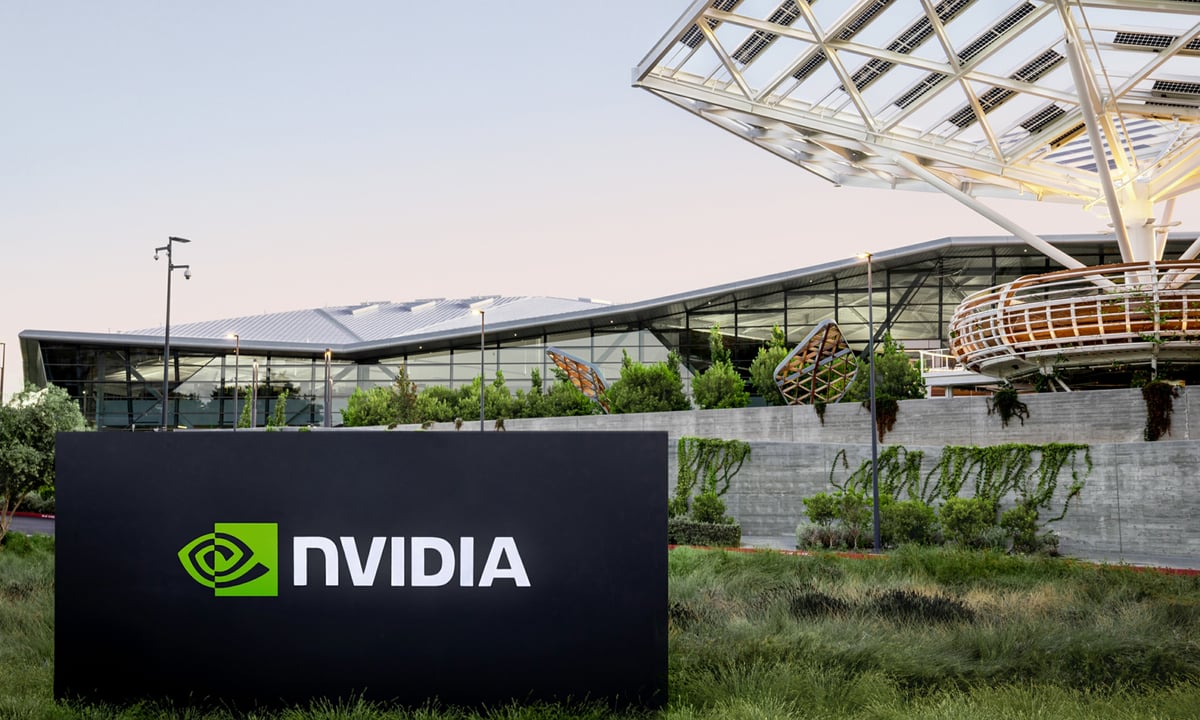
Nvidia Leads a New Era in AI Market

- Enterprise AI Adoption Accelerates: Through its partnership with Palantir Technologies, Nvidia is evolving from merely selling hardware to developing full-stack AI solutions, enabling Fortune 500 companies to build proprietary AI systems, which creates high-margin recurring revenue and transforms into long-term partnerships.
- Inference and Infrastructure Era Arrives: As the demand for AI inference surges, Nvidia is not only supplying GPUs but also a comprehensive software stack including CUDA, TensorRT, and NIM, creating a powerful flywheel effect that drives ongoing AI development and infrastructure upgrades.
- Physical AI Applications Present Vast Opportunities: Nvidia's platforms are central to accelerating robotics, autonomous vehicles, and quantum computing, with future deployments of AI-powered robots in warehouses and supply chains, establishing a long-duration revenue cycle for the company.
- Future Stock Price Expectations: If Nvidia succeeds across these new vectors, a reasonable forecast suggests an annual compound growth rate of 25% over the next five years, potentially leading to a four- or fivefold increase in stock price and a market valuation exceeding $20 trillion, reflecting sustained hypergrowth potential.
See More
Nvidia's Future Outlook Remains Bullish
- Strong Earnings Report: Nvidia reported total revenue of $215.9 billion for fiscal year 2026, marking a 65% year-over-year increase, which underscores the company's robust growth potential in the AI chip market and solidifies its market leadership.
- Surging Order Forecast: CEO Jensen Huang indicated that Nvidia expects approximately $1 trillion in purchase orders for its Blackwell and Vera Rubin chips by 2027, doubling last year's forecast of $500 billion, signaling sustained strong demand for AI chips.
- Future Revenue Expectations: Nvidia anticipates first-quarter revenue of $78 billion for fiscal year 2027, representing an almost 77% increase compared to the same period last year, reflecting strong growth potential in the Agentic AI applications sector, which will further drive demand for AI chips.
- High Market Valuation: Despite Nvidia's forward P/E ratio of 30, significantly above the average of 20.9 for the tech sector, investors believe the premium is justified given the company's outstanding financial results and its position in a rapidly growing market.
See More
Analysis of Vanguard S&P 500 ETF Investment Value
- Low Expense Ratio Advantage: The Vanguard S&P 500 ETF charges an ultra-low expense ratio of just 0.03%, allowing investors to gain exposure to 500 of America's largest companies at minimal cost, thereby achieving higher net returns over the long term.
- Long-Term Performance: Over the past decade, this ETF has generated a total return of 274%, translating to an annualized gain of 14%, demonstrating strong performance in volatile markets and attracting investors optimistic about the American economy.
- Tech Sector Dominance: The information technology sector accounts for 32.4% of the ETF's portfolio, with Nvidia, Apple, and Microsoft making up 19% combined, reflecting investor confidence in the future of artificial intelligence and its significance in the market.
- Market Volatility Strategy: Despite heightened market volatility, the Vanguard S&P 500 ETF is still viewed as an ideal long-term investment choice, as it is expected to provide stable returns for investors over the next five years and beyond.
See More
Investment Opportunities Amid AI Stock Market Pullback
- Market Pullback Context: AI stocks are facing sell-offs due to uncertainty surrounding the Iran war and skepticism about AI spending returns; however, the long-term outlook remains bullish, presenting a buying opportunity for investors.
- Nvidia and Broadcom Competition: Nvidia's GPUs are considered the industry standard, with projected sales of $1 trillion for Blackwell and Rubin chips by 2027, while Broadcom is partnering with AI hyperscalers to design custom chips, expecting over $100 billion in annual revenue by 2027.
- Cloud Giants' Investments: Alphabet and Microsoft are seeing significant returns on their cloud computing investments, with Azure and Google Cloud revenues growing 39% and 48% year-over-year, respectively; despite both stocks being down over 20%, their investment value remains intact.
- Nebius's Rapid Growth: Nebius focuses on AI hardware and expects its annual revenue to soar from $1.25 billion to between $7 billion and $9 billion by the end of 2025, indicating strong demand for AI computing power, and with its stock down 30% from its all-time high, it presents a great investment opportunity.
See More
AI Demand Fuels Growth in Computing Units Market
- Strong Market Demand: The insatiable demand for AI is driving profits for cloud computing companies, with Nvidia projected to achieve $1 trillion in chip sales by 2027 and Broadcom's custom AI chips expected to generate over $100 billion in annual revenue.
- Cloud Giants Performance: Alphabet and Microsoft are reaping significant returns from their cloud computing investments, with Azure and Google Cloud revenues increasing by 39% and 48% year-over-year, respectively, despite both companies' stock prices dropping over 20%, indicating their sustained market leadership.
- Investment Opportunities Arise: While skepticism surrounds AI stocks regarding uncertain returns, the long-term outlook remains bullish, suggesting that the current 20% drop in stock prices presents a prime buying opportunity for investors.
- Emerging Company Surge: Nebius, focused on AI hardware, anticipates its annual revenue to soar from $1.25 billion to between $7 billion and $9 billion by the end of 2025, reflecting the rapid growth in demand for AI computing power, and its stock is down 30%, making it an attractive investment option.
See More
Vanguard Utilities ETF: A Smart Investment for Passive Income
- Stable Income: The Vanguard Utilities ETF currently offers a 2.5% dividend yield, significantly higher than the S&P 500's 1.2%, meaning a $10,000 investment could generate $250 in annual dividend income, making it ideal for investors seeking steady cash flow.
- Strong Total Returns: Since its inception in 2004, the ETF has achieved a 10% annualized total return, with an initial $10,000 investment growing to over $83,000, demonstrating its robust potential for long-term investors.
- Future Growth Outlook: U.S. power demand is expected to surge by 58% over the next 20 years, which will drive earnings growth for utility companies like NextEra Energy and Constellation Energy, providing ongoing returns for ETF investors.
- Quality Holdings: NextEra Energy and Constellation Energy are key holdings in the ETF, with the former expected to grow earnings at over 8% annually over the next decade, while the latter aims for a 20% compound annual earnings growth rate through acquisitions and expansion plans, further enhancing the ETF's investment value.
See More
Nvidia Leads a New Era in AI Market
- Enterprise AI Adoption Accelerates: Through its partnership with Palantir Technologies, Nvidia is evolving from merely selling hardware to developing full-stack AI solutions, enabling Fortune 500 companies to build proprietary AI systems, which creates high-margin recurring revenue and transforms into long-term partnerships.
- Inference and Infrastructure Era Arrives: As the demand for AI inference surges, Nvidia is not only supplying GPUs but also a comprehensive software stack including CUDA, TensorRT, and NIM, creating a powerful flywheel effect that drives ongoing AI development and infrastructure upgrades.
- Physical AI Applications Present Vast Opportunities: Nvidia's platforms are central to accelerating robotics, autonomous vehicles, and quantum computing, with future deployments of AI-powered robots in warehouses and supply chains, establishing a long-duration revenue cycle for the company.
- Future Stock Price Expectations: If Nvidia succeeds across these new vectors, a reasonable forecast suggests an annual compound growth rate of 25% over the next five years, potentially leading to a four- or fivefold increase in stock price and a market valuation exceeding $20 trillion, reflecting sustained hypergrowth potential.
See More