Nvidia Shares Rise 3% Amid Short Selling Risks
Written by Emily J. Thompson, Senior Investment Analyst
Updated: 47 minutes ago
0mins
Should l Buy NVDA?
Source: stocktwits
- Stock Performance: Nvidia's shares rose 3% on Wednesday despite Culper Research's short position, indicating market confidence in the company's future performance, even amid potential risks.
- China Market Dependency: Culper Research highlights that over 20% of Nvidia's projected FY2026 compute revenue is tied to China, making this dependency particularly vulnerable under U.S. export controls and geopolitical tensions.
- Illegal Channel Risks: The report suggests Nvidia's revenue may be sustained through illegal GPU diversion networks and Southeast Asian intermediaries, involving over $500 million in H200 and Blackwell server transactions, increasing compliance risks for the company.
- Regulatory Challenges: Culper questions whether Nvidia has taken sufficient measures to stop these diversion activities, especially as related companies were incorporated shortly after new U.S. restrictions were announced, indicating potential regulatory challenges and market uncertainties.
Trade with 70% Backtested Accuracy
Stop guessing "Should I Buy NVDA?" and start using high-conviction signals backed by rigorous historical data.
Sign up today to access powerful investing tools and make smarter, data-driven decisions.
Analyst Views on NVDA
Wall Street analysts forecast NVDA stock price to rise
41 Analyst Rating
39 Buy
1 Hold
1 Sell
Strong Buy
Current: 220.780

Low
200.00
Averages
264.97
High
352.00
Current: 220.780
Low
200.00
Averages
264.97
High
352.00
About NVDA
NVIDIA Corporation is an artificial intelligence (AI) infrastructure company. The Company is engaged in accelerated computing to help solve the challenging computational problems. Its segments include Compute & Networking and Graphics. The Compute & Networking segment includes its Data Center accelerated computing and networking platforms and AI solutions and software, and automotive platforms and autonomous and electric vehicle solutions, including software. The Graphics segment includes GeForce GPUs for gaming and personal computers (PCs), and Quadro/NVIDIA RTX GPUs for enterprise workstation graphics. Its technology stack includes the foundational NVIDIA CUDA development platform that runs on all NVIDIA GPUs, as well as hundreds of domain-specific software libraries, frameworks, algorithms, software development kits (SDKs), and application programming interfaces (APIs). Its platforms address four markets, which include Data Center, Gaming, Professional Visualization, and Automotive.
About the author

Emily J. Thompson
Emily J. Thompson, a Chartered Financial Analyst (CFA) with 12 years in investment research, graduated with honors from the Wharton School. Specializing in industrial and technology stocks, she provides in-depth analysis for Intellectia’s earnings and market brief reports.

Nvidia's Q1 Revenue Expected to Exceed Estimates by $1.4B

- Revenue Surge Expected: According to Citi, Nvidia's Q1 FY2027 revenue is projected to reach $80B, exceeding the consensus estimate of $78.6B by $1.4B, driven by a robust ramp of the B300 product line.
- Continued Growth Trend: The company anticipates an 11% quarter-over-quarter sales increase in Q2 FY2027, reaching $89B, primarily due to the ongoing ramp of B300 and faster-than-expected shipments of 1.6 trillion transceivers, solidifying its market position.
- Strong GPU Demand: Nvidia has only missed consensus estimates by more than $1B three times in the past 12 quarters, with CEO Jensen Huang describing the demand for their GPUs as “insane,” highlighting the company's strong appeal in high-performance computing.
- Sales Forecast Revision: Citi has raised Nvidia's FY2027 sales forecast to $284B, reflecting a 79% year-over-year increase, with AI GPUs expected to account for 70% to 80% of total data center sales, showcasing the company's strategic advantage in AI and data processing.
See More
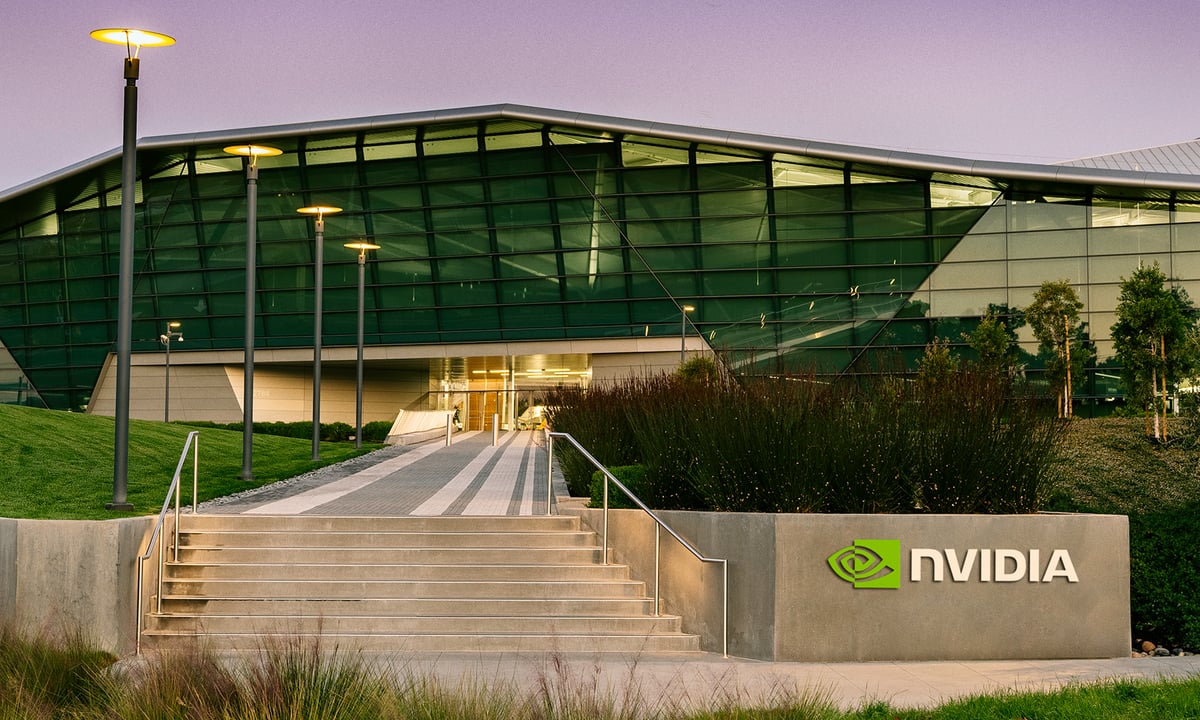
Nvidia's Dominance in AI Market Continues to Strengthen
- Market Share Advantage: Nvidia holds a 92% share of the GPU data center market, and with global AI infrastructure spending projected to reach $7 trillion by 2030, this will further solidify its market leadership and drive sustained growth for the company.
- Future Revenue Expectations: Nvidia anticipates first-quarter revenue of $78 billion for fiscal Q4 2026, with total revenue expected to reach $922 billion over the next seven quarters, indicating strong growth potential and market confidence.
- Stock Price Forecast: Should Nvidia achieve $621 billion in revenue by 2027, its stock price could surge by 252% to $640, resulting in a market cap of approximately $15.5 trillion, reflecting optimistic market expectations for its future performance.
- Accelerated Innovation Cycle: By shortening its GPU update cycle to 12-18 months compared to competitors' 3-5 years, Nvidia's rapid innovation capability will help maintain its lead in the AI sector, further boosting investor confidence.
See More

Bullish Outlook on Energy and Semiconductor Sectors
- Surge in Energy Demand: Gary Vaughan highlights unprecedented growth opportunities in the energy sector driven by AI demand and massive backlogs, particularly as China constructs a new coal plant every nine days, exacerbating global energy supply constraints.
- Price Volatility Impact: Vaughan notes skyrocketing energy prices at his home in Georgia, reflecting supply-demand imbalances in the energy market; despite Trump's efforts to lower oil prices, the market shows strong upward trends, indicating potential for significant future price fluctuations.
- Confidence in Semiconductors: In the semiconductor space, Vaughan expresses strong conviction in Nvidia, Micron, and AMD, particularly due to Nvidia's nearly trillion-dollar backlog and historically low valuation metrics, underscoring the sector's robust growth potential.
- Risk-Reward Analysis: Vaughan points out that Nvidia's low PEG ratio presents a risk-reward profile that is nearly zero, suggesting that investors can find highly attractive opportunities in the semiconductor sector, especially as big tech companies face challenges.
See More
Nvidia Shares Rise 3% Amid Short Selling Risks
- Stock Performance: Nvidia's shares rose 3% on Wednesday despite Culper Research's short position, indicating market confidence in the company's future performance, even amid potential risks.
- China Market Dependency: Culper Research highlights that over 20% of Nvidia's projected FY2026 compute revenue is tied to China, making this dependency particularly vulnerable under U.S. export controls and geopolitical tensions.
- Illegal Channel Risks: The report suggests Nvidia's revenue may be sustained through illegal GPU diversion networks and Southeast Asian intermediaries, involving over $500 million in H200 and Blackwell server transactions, increasing compliance risks for the company.
- Regulatory Challenges: Culper questions whether Nvidia has taken sufficient measures to stop these diversion activities, especially as related companies were incorporated shortly after new U.S. restrictions were announced, indicating potential regulatory challenges and market uncertainties.
See More

S&P 500 Hits Record Highs Amid Renewed Inflation Concerns


- Inflation Data Impact: The Producer Price Index (PPI) rose 1.4% in April, lifting the annual rate to 6%, the highest since 2022, indicating persistent inflationary pressures that could influence future monetary policy decisions.
- Market Reaction: Despite the inflation report, the S&P 500 reached new record highs on Wednesday, reflecting investor confidence in economic recovery, particularly with the rebound in AI-related stocks.
- Stock Performance: Nvidia shares rose approximately 3% to an all-time high, while Eaton and Corning gained 1.5% and 2.5%, respectively, indicating a market preference for tech stocks amid heightened inflation concerns.
- Linde as an Inflation Hedge: Linde distributes gases through various agreements, allowing it to pass energy costs to customers, thus maintaining profitability in inflationary environments, making it a strategic inflation hedge in the portfolio.
See More

Tech Boom vs. Consumer Struggles: A Tale of Two Markets


- Tech Stock Surge: Driven by soaring demand for memory components and CPUs, tech stocks like Alphabet and Nvidia have shown strong performance, propelling major indices such as the Nasdaq Composite and S&P 500 to significant gains over the past month, reflecting heightened confidence among technology investors.
- Consumer Sector Struggles: While the retail and consumer discretionary sectors are not in dire straits, cyclical companies like Home Depot have seen stock prices drop over 23% in the last three months due to rising inflation and energy costs, highlighting the reality of squeezed consumer spending.
- Rising Macroeconomic Concerns: Analysts warn that despite the robust performance of tech stocks, the market's divergence indicates underlying economic fragility, especially as both the consumer price index and producer price index have shown significant increases, with PPI rising 6% year-over-year, the largest since December 2022.
- Surging Energy Prices: Gasoline prices have surged 28.4% year-over-year, with the average price per gallon now at $4.51, reflecting tensions in the global oil market, as Brent crude and West Texas Intermediate trade around $105 and $100 per barrel, respectively, further exacerbating economic pressures on consumers.
See More
Nvidia's Q1 Revenue Expected to Exceed Estimates by $1.4B
- Revenue Surge Expected: According to Citi, Nvidia's Q1 FY2027 revenue is projected to reach $80B, exceeding the consensus estimate of $78.6B by $1.4B, driven by a robust ramp of the B300 product line.
- Continued Growth Trend: The company anticipates an 11% quarter-over-quarter sales increase in Q2 FY2027, reaching $89B, primarily due to the ongoing ramp of B300 and faster-than-expected shipments of 1.6 trillion transceivers, solidifying its market position.
- Strong GPU Demand: Nvidia has only missed consensus estimates by more than $1B three times in the past 12 quarters, with CEO Jensen Huang describing the demand for their GPUs as “insane,” highlighting the company's strong appeal in high-performance computing.
- Sales Forecast Revision: Citi has raised Nvidia's FY2027 sales forecast to $284B, reflecting a 79% year-over-year increase, with AI GPUs expected to account for 70% to 80% of total data center sales, showcasing the company's strategic advantage in AI and data processing.
See More
Nvidia's Dominance in AI Market Continues to Strengthen
- Market Share Advantage: Nvidia holds a 92% share of the GPU data center market, and with global AI infrastructure spending projected to reach $7 trillion by 2030, this will further solidify its market leadership and drive sustained growth for the company.
- Future Revenue Expectations: Nvidia anticipates first-quarter revenue of $78 billion for fiscal Q4 2026, with total revenue expected to reach $922 billion over the next seven quarters, indicating strong growth potential and market confidence.
- Stock Price Forecast: Should Nvidia achieve $621 billion in revenue by 2027, its stock price could surge by 252% to $640, resulting in a market cap of approximately $15.5 trillion, reflecting optimistic market expectations for its future performance.
- Accelerated Innovation Cycle: By shortening its GPU update cycle to 12-18 months compared to competitors' 3-5 years, Nvidia's rapid innovation capability will help maintain its lead in the AI sector, further boosting investor confidence.
See More
Bullish Outlook on Energy and Semiconductor Sectors
- Surge in Energy Demand: Gary Vaughan highlights unprecedented growth opportunities in the energy sector driven by AI demand and massive backlogs, particularly as China constructs a new coal plant every nine days, exacerbating global energy supply constraints.
- Price Volatility Impact: Vaughan notes skyrocketing energy prices at his home in Georgia, reflecting supply-demand imbalances in the energy market; despite Trump's efforts to lower oil prices, the market shows strong upward trends, indicating potential for significant future price fluctuations.
- Confidence in Semiconductors: In the semiconductor space, Vaughan expresses strong conviction in Nvidia, Micron, and AMD, particularly due to Nvidia's nearly trillion-dollar backlog and historically low valuation metrics, underscoring the sector's robust growth potential.
- Risk-Reward Analysis: Vaughan points out that Nvidia's low PEG ratio presents a risk-reward profile that is nearly zero, suggesting that investors can find highly attractive opportunities in the semiconductor sector, especially as big tech companies face challenges.
See More
Nvidia Shares Rise 3% Amid Short Selling Risks
- Stock Performance: Nvidia's shares rose 3% on Wednesday despite Culper Research's short position, indicating market confidence in the company's future performance, even amid potential risks.
- China Market Dependency: Culper Research highlights that over 20% of Nvidia's projected FY2026 compute revenue is tied to China, making this dependency particularly vulnerable under U.S. export controls and geopolitical tensions.
- Illegal Channel Risks: The report suggests Nvidia's revenue may be sustained through illegal GPU diversion networks and Southeast Asian intermediaries, involving over $500 million in H200 and Blackwell server transactions, increasing compliance risks for the company.
- Regulatory Challenges: Culper questions whether Nvidia has taken sufficient measures to stop these diversion activities, especially as related companies were incorporated shortly after new U.S. restrictions were announced, indicating potential regulatory challenges and market uncertainties.
See More
S&P 500 Hits Record Highs Amid Renewed Inflation Concerns
- Inflation Data Impact: The Producer Price Index (PPI) rose 1.4% in April, lifting the annual rate to 6%, the highest since 2022, indicating persistent inflationary pressures that could influence future monetary policy decisions.
- Market Reaction: Despite the inflation report, the S&P 500 reached new record highs on Wednesday, reflecting investor confidence in economic recovery, particularly with the rebound in AI-related stocks.
- Stock Performance: Nvidia shares rose approximately 3% to an all-time high, while Eaton and Corning gained 1.5% and 2.5%, respectively, indicating a market preference for tech stocks amid heightened inflation concerns.
- Linde as an Inflation Hedge: Linde distributes gases through various agreements, allowing it to pass energy costs to customers, thus maintaining profitability in inflationary environments, making it a strategic inflation hedge in the portfolio.
See More
Tech Boom vs. Consumer Struggles: A Tale of Two Markets
- Tech Stock Surge: Driven by soaring demand for memory components and CPUs, tech stocks like Alphabet and Nvidia have shown strong performance, propelling major indices such as the Nasdaq Composite and S&P 500 to significant gains over the past month, reflecting heightened confidence among technology investors.
- Consumer Sector Struggles: While the retail and consumer discretionary sectors are not in dire straits, cyclical companies like Home Depot have seen stock prices drop over 23% in the last three months due to rising inflation and energy costs, highlighting the reality of squeezed consumer spending.
- Rising Macroeconomic Concerns: Analysts warn that despite the robust performance of tech stocks, the market's divergence indicates underlying economic fragility, especially as both the consumer price index and producer price index have shown significant increases, with PPI rising 6% year-over-year, the largest since December 2022.
- Surging Energy Prices: Gasoline prices have surged 28.4% year-over-year, with the average price per gallon now at $4.51, reflecting tensions in the global oil market, as Brent crude and West Texas Intermediate trade around $105 and $100 per barrel, respectively, further exacerbating economic pressures on consumers.
See More