

Nvidia and Micron Technology's Future Collaboration Prospects
Written by Emily J. Thompson, Senior Investment Analyst
Updated: Mar 09 2026
0mins

Source: Fool
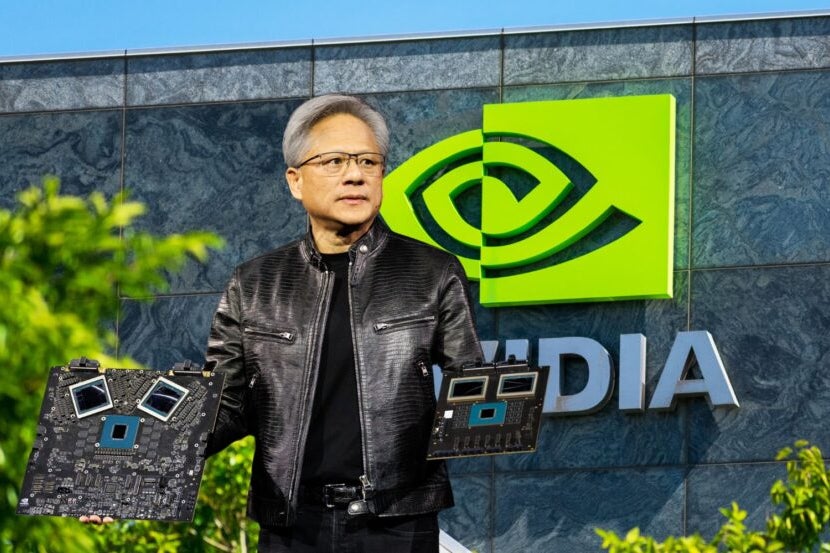
- Surging Market Demand: Nvidia's unprecedented demand for GPUs has significantly boosted the demand for Micron Technology's high-bandwidth memory (HBM), DRAM, and NAND processors, although Micron faces persistent shortages of data center memory chips, which may adversely affect its market performance.
- Competitor Supply: Nvidia's flagship Vera Rubin chip will source HBM4 memory chips from SK Hynix and Samsung Electronics, with SK Hynix expected to supply over 50% of Nvidia's total HBM supply, indicating increased competitive pressure on Micron in the market.
- Market Share Analysis: According to Counterpoint Research, SK Hynix and Samsung Electronics hold 34% and 33% of the HBM market share respectively, while Micron ranks third with a 26% share, highlighting the challenges Micron faces in the high-end memory market.
- Investment Opportunity: Despite Micron's stock price declining 13% from its peak, the company is expected to grow its revenue by 109% this year, with a forward P/E ratio of 11, indicating that there are still investment opportunities amidst uncertainty, attracting attention to its future growth potential.
Trade with 70% Backtested Accuracy
Stop guessing "Should I Buy NVDA?" and start using high-conviction signals backed by rigorous historical data.
Sign up today to access powerful investing tools and make smarter, data-driven decisions.
Analyst Views on NVDA
Wall Street analysts forecast NVDA stock price to rise
41 Analyst Rating
39 Buy
1 Hold
1 Sell
Strong Buy
Current: 197.580

Low
200.00
Averages
264.97
High
352.00
Current: 197.580
Low
200.00
Averages
264.97
High
352.00
About NVDA
NVIDIA Corporation is an artificial intelligence (AI) infrastructure company. The Company is engaged in accelerated computing to help solve the challenging computational problems. Its segments include Compute & Networking and Graphics. The Compute & Networking segment includes its Data Center accelerated computing and networking platforms and AI solutions and software, and automotive platforms and autonomous and electric vehicle solutions, including software. The Graphics segment includes GeForce GPUs for gaming and personal computers (PCs), and Quadro/NVIDIA RTX GPUs for enterprise workstation graphics. Its technology stack includes the foundational NVIDIA CUDA development platform that runs on all NVIDIA GPUs, as well as hundreds of domain-specific software libraries, frameworks, algorithms, software development kits (SDKs), and application programming interfaces (APIs). Its platforms address four markets, which include Data Center, Gaming, Professional Visualization, and Automotive.
About the author

Emily J. Thompson
Emily J. Thompson, a Chartered Financial Analyst (CFA) with 12 years in investment research, graduated with honors from the Wharton School. Specializing in industrial and technology stocks, she provides in-depth analysis for Intellectia’s earnings and market brief reports.
Foxconn Reports 39.8% Revenue Growth in Q2 Driven by AI Demand

- Significant Revenue Growth: Foxconn reported second-quarter revenue of T$2.513 trillion (approximately $78.71 billion), marking a 39.8% year-on-year increase that surpassed market expectations, indicating strong demand for AI products.
- AI Product Boost: The cloud and networking products division experienced robust growth driven by AI demand, while smart consumer electronics, including iPhones, also showed 'significant' growth, further solidifying the company's market position.
- Record June Performance: Foxconn's revenue in June alone rose 52.1% year-on-year to T$821.8 billion, setting a record for that month and reflecting strong market demand for its products.
- Cautious Future Outlook: Although the company anticipates continued revenue growth in the third quarter, it emphasizes the need to monitor the impact of volatile global political and economic conditions on its business, highlighting uncertainty in future markets.
See More

Dow Jones Index Gains 8.9% in First Half of 2026
- Strong Dow Performance: The Dow Jones Industrial Average gained 8.9% in the first half of 2026, marking its best performance since 2021, indicating a robust recovery in the U.S. stock market that may attract more investor interest.
- ETF Investment Opportunity: The SPDR Dow Jones Industrial Average ETF (DIA) offers exposure to these 30 blue-chip stocks, boasting an annualized return of 22.5% over the past year, while maintaining a low expense ratio of 0.16%, though investors should be cautious of its concentration risk.
- Market Comparison Analysis: Compared to the S&P 500 and Nasdaq-100, DIA's portfolio is concentrated in 30 stocks, lacking diversification, which could expose investors to greater risks during market volatility, especially given the strong performance of tech stocks.
- Cautious Investment Advice: While the Dow is often viewed as a barometer of the U.S. stock market, analysts suggest that investors should consider a broader portfolio when selecting ETFs, particularly those with greater long-term growth potential, as DIA is not recommended as the best choice.
See More

OpenAI Plans Initial Public Offering Amid Market Volatility


- IPO Plans: OpenAI filed a confidential S-1 form with the SEC on June 8, indicating its intention to go public, although it may not debut until 2027, reflecting a cautious approach to market timing amid volatility.
- Investor Structure: Microsoft invested $13 billion in OpenAI from 2019 to 2023, now holding a 27% stake valued at approximately $230 billion based on OpenAI's latest valuation, highlighting major tech firms' commitment to AI.
- Other Major Investors: Amazon holds $15 billion in preferred stock and has committed an additional $35 billion, while Nvidia has invested $30 billion, showcasing strategic partnerships in AI technology development.
- Indirect Investment Channels: Investors can gain exposure to OpenAI through mutual funds or closed-end funds like Ark Venture Fund and Destiny 100, which allocate 8.5% and 5.8% of their portfolios to OpenAI, respectively, though they come with management fees and specific investment rules.
See More

MercadoLibre: Growth Potential of Latin America's E-commerce Giant


- Market Leadership: MercadoLibre dominates the Latin American e-commerce sector, with a 49% year-over-year revenue increase and a 42% rise in gross merchandise volume in Q1 2026, highlighting its substantial growth potential in an underpenetrated market.
- User Base Expansion: As of Q1 2026, MercadoLibre boasts 126 million active users, leveraging this data to enhance its AI assistant, which boosts customer purchase confidence and strengthens its competitive position in the market.
- Fintech Business Growth: The company has grown its fintech user base to 83 million, with a compound annual growth rate (CAGR) of 31%, while its credit portfolio has surged at a CAGR of 94%, showcasing its robust performance in the digital banking sector.
- Profit Pressure and Future Outlook: Despite a drop in operating income from $763 million to $611 million and a margin decline from 12.9% to 6.9% in Q1, management views current investments as essential for future growth, although the market remains cautious about short-term performance.
See More

Alphabet's Stock Rises Amid Positive AI Outlook

- Enhanced AI Competitiveness: Alphabet's Google Gemini model has successfully dispelled market doubts about its ability to compete with ChatGPT and Claude, leading to a stock price increase that reflects the company's ongoing innovation and adaptability in the AI sector.
- Significant Revenue Growth: In Q1 2026, Alphabet reported a total revenue growth of 22%, with Google Cloud's revenue increasing by 63% year-over-year, indicating that AI investments are significantly boosting the company's financial performance and market share.
- Capital Expenditure Plans: Alphabet plans to invest between $175 billion and $185 billion in capital expenditures over the next few years, primarily for AI development; despite raising nearly $32 billion in debt, its $64 billion in free cash flow demonstrates investor confidence in its financial health.
- Attractive Valuation: Even with rising stock prices, Alphabet's P/E ratio stands at 27, below the average of the four Magnificent Seven stocks and the S&P 500's 32, indicating that its stock still has room to grow and may continue to outperform the market in the coming years.
See More

Analysis of Energy Stocks Performance and Future Outlook


- Price Volatility Impact: As crude oil prices fell from $114.58 to $78.94, Exxon Mobil (XOM) dropped 6%, Chevron (CVX) fell 8%, and ConocoPhillips (COP) slid 9%, indicating the market's sensitivity and volatility regarding energy stocks.
- Earnings Beat Expectations: Despite the stock declines, all three companies exceeded Q1 earnings expectations, with Exxon Mobil reporting an adjusted EPS of $1.16 against an expected $1.01, showcasing strong profitability and market confidence.
- Dividend Growth Continues: Exxon Mobil and Chevron have achieved 43 and 39 consecutive years of dividend increases, respectively, with Exxon’s quarterly dividend at $1.03, reflecting stable cash flow and commitment to shareholders.
- Future Growth Potential: ConocoPhillips targets $7 billion in incremental free cash flow by 2029, driven by the Willow and Port Arthur LNG projects, indicating its growth potential and strategic positioning in the future market.
See More
Foxconn Reports 39.8% Revenue Growth in Q2 Driven by AI Demand
- Significant Revenue Growth: Foxconn reported second-quarter revenue of T$2.513 trillion (approximately $78.71 billion), marking a 39.8% year-on-year increase that surpassed market expectations, indicating strong demand for AI products.
- AI Product Boost: The cloud and networking products division experienced robust growth driven by AI demand, while smart consumer electronics, including iPhones, also showed 'significant' growth, further solidifying the company's market position.
- Record June Performance: Foxconn's revenue in June alone rose 52.1% year-on-year to T$821.8 billion, setting a record for that month and reflecting strong market demand for its products.
- Cautious Future Outlook: Although the company anticipates continued revenue growth in the third quarter, it emphasizes the need to monitor the impact of volatile global political and economic conditions on its business, highlighting uncertainty in future markets.
See More
Dow Jones Index Gains 8.9% in First Half of 2026
- Strong Dow Performance: The Dow Jones Industrial Average gained 8.9% in the first half of 2026, marking its best performance since 2021, indicating a robust recovery in the U.S. stock market that may attract more investor interest.
- ETF Investment Opportunity: The SPDR Dow Jones Industrial Average ETF (DIA) offers exposure to these 30 blue-chip stocks, boasting an annualized return of 22.5% over the past year, while maintaining a low expense ratio of 0.16%, though investors should be cautious of its concentration risk.
- Market Comparison Analysis: Compared to the S&P 500 and Nasdaq-100, DIA's portfolio is concentrated in 30 stocks, lacking diversification, which could expose investors to greater risks during market volatility, especially given the strong performance of tech stocks.
- Cautious Investment Advice: While the Dow is often viewed as a barometer of the U.S. stock market, analysts suggest that investors should consider a broader portfolio when selecting ETFs, particularly those with greater long-term growth potential, as DIA is not recommended as the best choice.
See More
OpenAI Plans Initial Public Offering Amid Market Volatility
- IPO Plans: OpenAI filed a confidential S-1 form with the SEC on June 8, indicating its intention to go public, although it may not debut until 2027, reflecting a cautious approach to market timing amid volatility.
- Investor Structure: Microsoft invested $13 billion in OpenAI from 2019 to 2023, now holding a 27% stake valued at approximately $230 billion based on OpenAI's latest valuation, highlighting major tech firms' commitment to AI.
- Other Major Investors: Amazon holds $15 billion in preferred stock and has committed an additional $35 billion, while Nvidia has invested $30 billion, showcasing strategic partnerships in AI technology development.
- Indirect Investment Channels: Investors can gain exposure to OpenAI through mutual funds or closed-end funds like Ark Venture Fund and Destiny 100, which allocate 8.5% and 5.8% of their portfolios to OpenAI, respectively, though they come with management fees and specific investment rules.
See More
MercadoLibre: Growth Potential of Latin America's E-commerce Giant
- Market Leadership: MercadoLibre dominates the Latin American e-commerce sector, with a 49% year-over-year revenue increase and a 42% rise in gross merchandise volume in Q1 2026, highlighting its substantial growth potential in an underpenetrated market.
- User Base Expansion: As of Q1 2026, MercadoLibre boasts 126 million active users, leveraging this data to enhance its AI assistant, which boosts customer purchase confidence and strengthens its competitive position in the market.
- Fintech Business Growth: The company has grown its fintech user base to 83 million, with a compound annual growth rate (CAGR) of 31%, while its credit portfolio has surged at a CAGR of 94%, showcasing its robust performance in the digital banking sector.
- Profit Pressure and Future Outlook: Despite a drop in operating income from $763 million to $611 million and a margin decline from 12.9% to 6.9% in Q1, management views current investments as essential for future growth, although the market remains cautious about short-term performance.
See More
Alphabet's Stock Rises Amid Positive AI Outlook
- Enhanced AI Competitiveness: Alphabet's Google Gemini model has successfully dispelled market doubts about its ability to compete with ChatGPT and Claude, leading to a stock price increase that reflects the company's ongoing innovation and adaptability in the AI sector.
- Significant Revenue Growth: In Q1 2026, Alphabet reported a total revenue growth of 22%, with Google Cloud's revenue increasing by 63% year-over-year, indicating that AI investments are significantly boosting the company's financial performance and market share.
- Capital Expenditure Plans: Alphabet plans to invest between $175 billion and $185 billion in capital expenditures over the next few years, primarily for AI development; despite raising nearly $32 billion in debt, its $64 billion in free cash flow demonstrates investor confidence in its financial health.
- Attractive Valuation: Even with rising stock prices, Alphabet's P/E ratio stands at 27, below the average of the four Magnificent Seven stocks and the S&P 500's 32, indicating that its stock still has room to grow and may continue to outperform the market in the coming years.
See More
Analysis of Energy Stocks Performance and Future Outlook
- Price Volatility Impact: As crude oil prices fell from $114.58 to $78.94, Exxon Mobil (XOM) dropped 6%, Chevron (CVX) fell 8%, and ConocoPhillips (COP) slid 9%, indicating the market's sensitivity and volatility regarding energy stocks.
- Earnings Beat Expectations: Despite the stock declines, all three companies exceeded Q1 earnings expectations, with Exxon Mobil reporting an adjusted EPS of $1.16 against an expected $1.01, showcasing strong profitability and market confidence.
- Dividend Growth Continues: Exxon Mobil and Chevron have achieved 43 and 39 consecutive years of dividend increases, respectively, with Exxon’s quarterly dividend at $1.03, reflecting stable cash flow and commitment to shareholders.
- Future Growth Potential: ConocoPhillips targets $7 billion in incremental free cash flow by 2029, driven by the Willow and Port Arthur LNG projects, indicating its growth potential and strategic positioning in the future market.
See More




