No Wonder Walmart (NYSE:WMT) Is Down 10% When Consumer Sentiment is This Bad


Walmart's Stock Decline: Walmart's shares dropped 10% following weak guidance for the upcoming year, reflecting concerns over consumer sentiment and economic conditions, including rising inflation expectations and a decline in spending among lower-income households.
Consumer Spending Trends: The top 10% of earners now account for nearly half of all consumer spending, while low-income and middle-class households have reduced their expenditures, prompting Walmart to forecast slower revenue growth than previously anticipated.
Trade with 70% Backtested Accuracy
Analyst Views on DLTR

About DLTR
About the author

Impact of Trump's Tariffs One Year Later


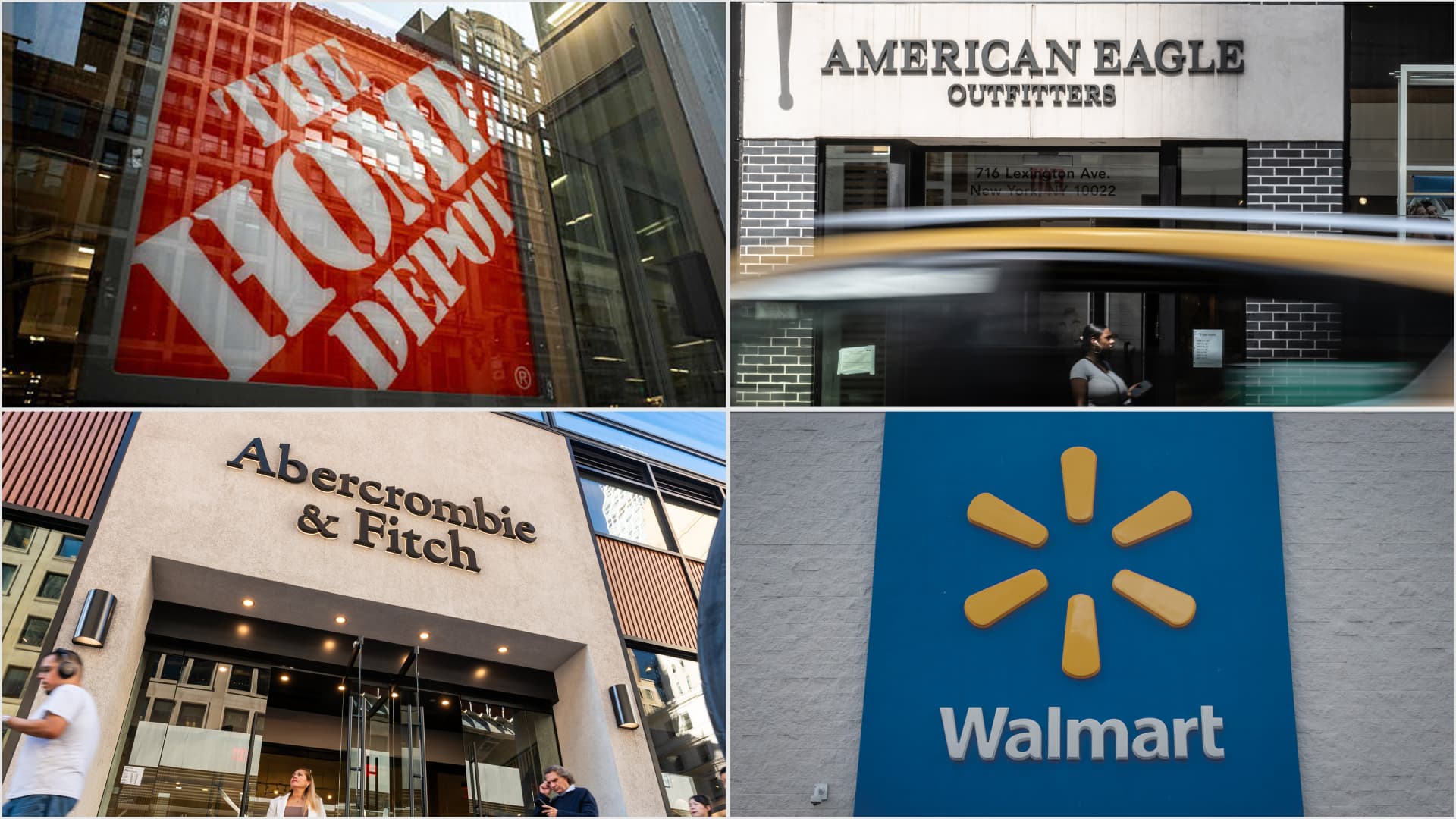
- Widespread Tariff Impact: Trump's tariff policies have placed significant economic pressure on U.S. businesses over the past year, with approximately 80% to 85% of costs absorbed by companies, leading to reduced profits and increased consumer prices, thereby exacerbating overall economic uncertainty.
- Retail Sector Adaptation: While large retailers like Walmart have emerged relatively unscathed, smaller businesses have been severely impacted, with Home Depot aiming to limit purchases from any single country to 10% to reduce dependency and enhance supply chain flexibility.
- Automotive Industry Cost Surge: Automakers such as General Motors and Toyota are facing tariff impacts estimated at up to $9.5 billion, and although the Trump administration has taken steps to alleviate overlapping tariffs, overall costs remain significant, forcing companies to reassess their supply chain strategies.
- Pharmaceutical Sector Stability: Pharmaceutical companies have secured three-year tariff exemptions through pricing agreements with Trump, although new tariffs impose 100% on companies that do not reach agreements, the overall industry is still striving to increase investments in U.S. manufacturing.

Nebius Signs $27 Billion AI Deal with Meta Platforms


- Major Partnership Agreement: Nebius has signed a $27 billion AI infrastructure deal with Meta Platforms, ensuring that Meta secures sufficient computing power over the next five years to support its AI model development, showcasing Nebius's strong competitive position in the AI cloud computing sector.
- Market Validation: The deal's value exceeds Nebius's previous company valuation, marking a significant recognition of its status as an emerging cloud provider and proving the viability of its business model, which attracts increased investor interest.
- Technological Investment: Nebius will provide Meta with $12 billion worth of computing capacity using Nvidia's latest Vera Rubin chips, a technological choice that will significantly enhance Meta's competitiveness in the AI space, ensuring it stays ahead in technological advancements.
- Strategic Expansion: This agreement not only deepens the collaboration between Nebius and Meta but also complements other significant investments from Nvidia and Microsoft, further solidifying Nebius's critical role in the global AI infrastructure market.

Nebius Signs Major AI Deal with Meta Platforms
- AI Infrastructure Partnership: Dutch company Nebius has signed a significant AI infrastructure deal worth up to $27 billion with Meta Platforms, ensuring Meta has sufficient computing power for its AI model development over the next five years, highlighting Meta's ambitions in the AI space.
- Market Validation: The contract's value exceeds Nebius's valuation from the previous day, solidifying its position as an emerging cloud service provider and demonstrating the viability of its business model, attracting more investor interest.
- Technological Investment: Meta will utilize Nvidia's latest Vera Rubin chips, expected to provide $12 billion worth of computing capacity starting in 2027, which not only enhances Meta's technological capabilities but also presents significant revenue growth potential for Nebius.
- Retail Performance Highlights: Dollar Tree reported $5.5 billion in revenue for Q4 2025, a 9% year-over-year increase, successfully attracting more consumers by introducing higher-priced items (such as $3, $5, and $7), demonstrating its resilience during economic uncertainty.

Teachers' Union Calls for Target Boycott

- Boycott Initiated: The American Federation of Teachers (AFT) passed a resolution urging its 1.8 million members to boycott Target for back-to-school shopping due to the company's inadequate response to federal immigration enforcement in Minneapolis, potentially increasing pressure on Target during a critical sales season.
- Sales Decline Trend: Target has experienced declining annual sales for three consecutive years; despite new CEO Michael Fiddelkelaid outlining an ambitious plan with an expected 2% net sales growth this fiscal year, the boycott could hinder efforts to regain customer trust.
- Community Response: While Target is working to rebuild relationships with the Black community and has ended the “Target Fast” boycott, the AFT's call for a boycott may still negatively impact its brand image, particularly among educators.
- Strategic Adjustments: Fiddelke emphasized that Target is implementing price cuts and plans to open its 2,000th store, and despite facing boycott challenges and sales pressures, the company remains committed to enhancing connections and trust with its customers.

Rising Menstrual Product Prices Squeeze Consumers


- Price Surge: The average price of menstrual products has risen nearly 40% since 2020, from approximately $5.37 to $7.43 per unit, squeezing consumer budgets and impacting purchasing decisions.
- Sales Dynamics: While dollar sales of menstrual products grew nearly 30% during the same period, sales volume has decreased by about 6% since 2022, indicating a trend of consumers seeking alternatives due to high prices.
- Tariff Impact: In 2025, the U.S. collected $115 million in tariffs on menstrual products containing cotton, a significant increase from $42 million in 2020, further exacerbating the economic burden on consumers.
- Rise of Reusables: An increasing number of consumers are turning to reusable menstrual products, such as cups and underwear, due to their environmental benefits and lower long-term costs, which is expected to continue exerting pressure on traditional single-use product sales.

MarketBeat Weekly Recap – March 16 to March 20


Market Sentiment: As spring approaches, investors are hoping for an end to the March Madness in stocks, but major indexes closed below their 200-day moving averages, indicating a bearish sentiment influenced by persistent inflation data.
Investment Opportunities: Amid market volatility, analysts suggest there are still opportunities to be found, particularly in retail stocks like Dollar Tree and Ollie's Bargain Outlet, which have shown positive results despite cautious guidance.
Tech Sector Dynamics: The tech sector is experiencing fluctuations, with companies like PayPal facing downward pressure due to takeover rumors, while others like Cloudflare are gaining attention for their potential growth in the AI space.
Stock Splits and Market Trends: Investors are advised to watch for potential stock splits in 2026, as several companies may consider this move based on stock price performance, while also keeping an eye on legislative trading activities that could impact market dynamics.
Impact of Trump's Tariffs One Year Later
- Widespread Tariff Impact: Trump's tariff policies have placed significant economic pressure on U.S. businesses over the past year, with approximately 80% to 85% of costs absorbed by companies, leading to reduced profits and increased consumer prices, thereby exacerbating overall economic uncertainty.
- Retail Sector Adaptation: While large retailers like Walmart have emerged relatively unscathed, smaller businesses have been severely impacted, with Home Depot aiming to limit purchases from any single country to 10% to reduce dependency and enhance supply chain flexibility.
- Automotive Industry Cost Surge: Automakers such as General Motors and Toyota are facing tariff impacts estimated at up to $9.5 billion, and although the Trump administration has taken steps to alleviate overlapping tariffs, overall costs remain significant, forcing companies to reassess their supply chain strategies.
- Pharmaceutical Sector Stability: Pharmaceutical companies have secured three-year tariff exemptions through pricing agreements with Trump, although new tariffs impose 100% on companies that do not reach agreements, the overall industry is still striving to increase investments in U.S. manufacturing.
Nebius Signs $27 Billion AI Deal with Meta Platforms
- Major Partnership Agreement: Nebius has signed a $27 billion AI infrastructure deal with Meta Platforms, ensuring that Meta secures sufficient computing power over the next five years to support its AI model development, showcasing Nebius's strong competitive position in the AI cloud computing sector.
- Market Validation: The deal's value exceeds Nebius's previous company valuation, marking a significant recognition of its status as an emerging cloud provider and proving the viability of its business model, which attracts increased investor interest.
- Technological Investment: Nebius will provide Meta with $12 billion worth of computing capacity using Nvidia's latest Vera Rubin chips, a technological choice that will significantly enhance Meta's competitiveness in the AI space, ensuring it stays ahead in technological advancements.
- Strategic Expansion: This agreement not only deepens the collaboration between Nebius and Meta but also complements other significant investments from Nvidia and Microsoft, further solidifying Nebius's critical role in the global AI infrastructure market.
Nebius Signs Major AI Deal with Meta Platforms
- AI Infrastructure Partnership: Dutch company Nebius has signed a significant AI infrastructure deal worth up to $27 billion with Meta Platforms, ensuring Meta has sufficient computing power for its AI model development over the next five years, highlighting Meta's ambitions in the AI space.
- Market Validation: The contract's value exceeds Nebius's valuation from the previous day, solidifying its position as an emerging cloud service provider and demonstrating the viability of its business model, attracting more investor interest.
- Technological Investment: Meta will utilize Nvidia's latest Vera Rubin chips, expected to provide $12 billion worth of computing capacity starting in 2027, which not only enhances Meta's technological capabilities but also presents significant revenue growth potential for Nebius.
- Retail Performance Highlights: Dollar Tree reported $5.5 billion in revenue for Q4 2025, a 9% year-over-year increase, successfully attracting more consumers by introducing higher-priced items (such as $3, $5, and $7), demonstrating its resilience during economic uncertainty.
Teachers' Union Calls for Target Boycott
- Boycott Initiated: The American Federation of Teachers (AFT) passed a resolution urging its 1.8 million members to boycott Target for back-to-school shopping due to the company's inadequate response to federal immigration enforcement in Minneapolis, potentially increasing pressure on Target during a critical sales season.
- Sales Decline Trend: Target has experienced declining annual sales for three consecutive years; despite new CEO Michael Fiddelkelaid outlining an ambitious plan with an expected 2% net sales growth this fiscal year, the boycott could hinder efforts to regain customer trust.
- Community Response: While Target is working to rebuild relationships with the Black community and has ended the “Target Fast” boycott, the AFT's call for a boycott may still negatively impact its brand image, particularly among educators.
- Strategic Adjustments: Fiddelke emphasized that Target is implementing price cuts and plans to open its 2,000th store, and despite facing boycott challenges and sales pressures, the company remains committed to enhancing connections and trust with its customers.
Rising Menstrual Product Prices Squeeze Consumers
- Price Surge: The average price of menstrual products has risen nearly 40% since 2020, from approximately $5.37 to $7.43 per unit, squeezing consumer budgets and impacting purchasing decisions.
- Sales Dynamics: While dollar sales of menstrual products grew nearly 30% during the same period, sales volume has decreased by about 6% since 2022, indicating a trend of consumers seeking alternatives due to high prices.
- Tariff Impact: In 2025, the U.S. collected $115 million in tariffs on menstrual products containing cotton, a significant increase from $42 million in 2020, further exacerbating the economic burden on consumers.
- Rise of Reusables: An increasing number of consumers are turning to reusable menstrual products, such as cups and underwear, due to their environmental benefits and lower long-term costs, which is expected to continue exerting pressure on traditional single-use product sales.
MarketBeat Weekly Recap – March 16 to March 20
Market Sentiment: As spring approaches, investors are hoping for an end to the March Madness in stocks, but major indexes closed below their 200-day moving averages, indicating a bearish sentiment influenced by persistent inflation data.
Investment Opportunities: Amid market volatility, analysts suggest there are still opportunities to be found, particularly in retail stocks like Dollar Tree and Ollie's Bargain Outlet, which have shown positive results despite cautious guidance.
Tech Sector Dynamics: The tech sector is experiencing fluctuations, with companies like PayPal facing downward pressure due to takeover rumors, while others like Cloudflare are gaining attention for their potential growth in the AI space.
Stock Splits and Market Trends: Investors are advised to watch for potential stock splits in 2026, as several companies may consider this move based on stock price performance, while also keeping an eye on legislative trading activities that could impact market dynamics.