Nippon Paint Group and Sherwin-Williams' Proposal to Acquire AkzoNobel Rejected
Nippon Paint Group (NPCPF) and Sherwin-Williams (SHW) note today's press release issued by AkzoNobel (AKZOY) regarding their proposal to acquire all of the issued and outstanding shares of AkzoNobel. The Joint Proposal was rejected by the Boards of AkzoNobel, and Nippon Paint Group and Sherwin-Williams are considering their next steps, if any. "Nippon Paint Group and Sherwin-Williams carefully considered AkzoNobel's all-stock merger with Axalta announced on 18 November 2025, which set out an alternative path to AkzoNobel's standalone strategy. Nippon Paint Group and Sherwin-Williams thoroughly assessed options for engaging with AkzoNobel at this pivotal moment, in accordance with the terms of AkzoNobel's existing merger agreement with Axalta, and jointly submitted the comprehensive Joint Proposal to the Boards of AkzoNobel for a recommended public offer for AkzoNobel, taking the interests of all stakeholders of AkzoNobel into account. The Joint Proposal does not include any financing conditions and is not subject to Sherwin-Williams or Nippon Paint shareholders' approvals. The Joint Proposal submitted on 29 April 2026 followed a previous offer on 16 April 2026. Nippon Paint Group and Sherwin-Williams expressed to the Boards of AkzoNobel their desire to enter into constructive discussions with AkzoNobel about the Joint Proposal, but AkzoNobel informed Nippon Paint Group and Sherwin-Williams that its Boards rejected the Joint Proposal. In light of this decision, Nippon Paint Group and Sherwin-Williams are considering their next steps if any. The Joint Proposal envisages the acquisition of AkzoNobel's Decorative Paints and Industrial Coatings business by Nippon Paint Group and the acquisition of AkzoNobel's Marine & Protective Coatings, Automotive & Specialty Coatings and Powder Coatings businesses by Sherwin-Williams. Nippon Paint Group and Sherwin-Williams have assessed and taken into account the interests of all AkzoNobel stakeholders and firmly believe that the Joint Proposal offers significant strategic benefits to AkzoNobel's businesses. Both the Deco and Coatings businesses would become part of robust global platforms offering greater access to incremental resources and capital that would allow them to prosper and accelerate growth. Both combinations would provide AkzoNobel's businesses with clear strategic ownership with sustainable, successful business peers, with full respect for AkzoNobel's heritage, identity and businesses."
Trade with 70% Backtested Accuracy
Analyst Views on SHW

About SHW
About the author


Zillow Stock Nears Three-Year Low Amid Weak Housing Market Guidance


- Market Weakness Impact: Zillow's stock is hovering around a three-year low due to the company's weak guidance for the housing market in the second half of the year, indicating economic slowdown pressures on the real estate sector.
- Supply-Demand Imbalance: The U.S. housing market faces a supply-demand imbalance, as housing prices surged during the pandemic due to low interest rates, but now the rapid price increases have outpaced household income growth, leading to multi-decade lows in housing affordability.
- Traffic and Revenue Growth: Despite a 3% year-over-year decline in traffic to Zillow's mobile apps and website, the company achieved an 18% revenue increase, demonstrating its profitability during market downturns, supported by a massive user base of 220 million monthly active users.
- Long-Term Investment Opportunity: For long-term investors seeking growth stocks, Zillow presents a compelling investment opportunity poised for recovery alongside the housing market, particularly given its valuable database and diversified revenue streams that will support future growth.

Housing Market Demand Under Pressure
- Declining Housing Demand: Housing demand has significantly weakened due to high interest rates and home prices relative to household income, leading to reduced market activity and negatively impacting related companies' performance.
- Supply Shortage: New construction has failed to compensate for the shortfall in existing home sales, resulting in persistently low housing supply, which exacerbates the supply-demand imbalance and affects housing price stability.
- Weak Zillow Performance: Zillow's stock is hovering around a three-year low, and despite a large user base, a 3% decline in traffic in the latest quarter poses challenges for future revenue growth amid a sluggish market outlook.
- Home Depot and Sherwin-Williams: Home Depot faces growth pressures due to slowing consumer spending, yet its 18 consecutive years of dividend increases continue to attract investors; meanwhile, Sherwin-Williams demonstrates stronger resilience with robust sales and significant international exposure.
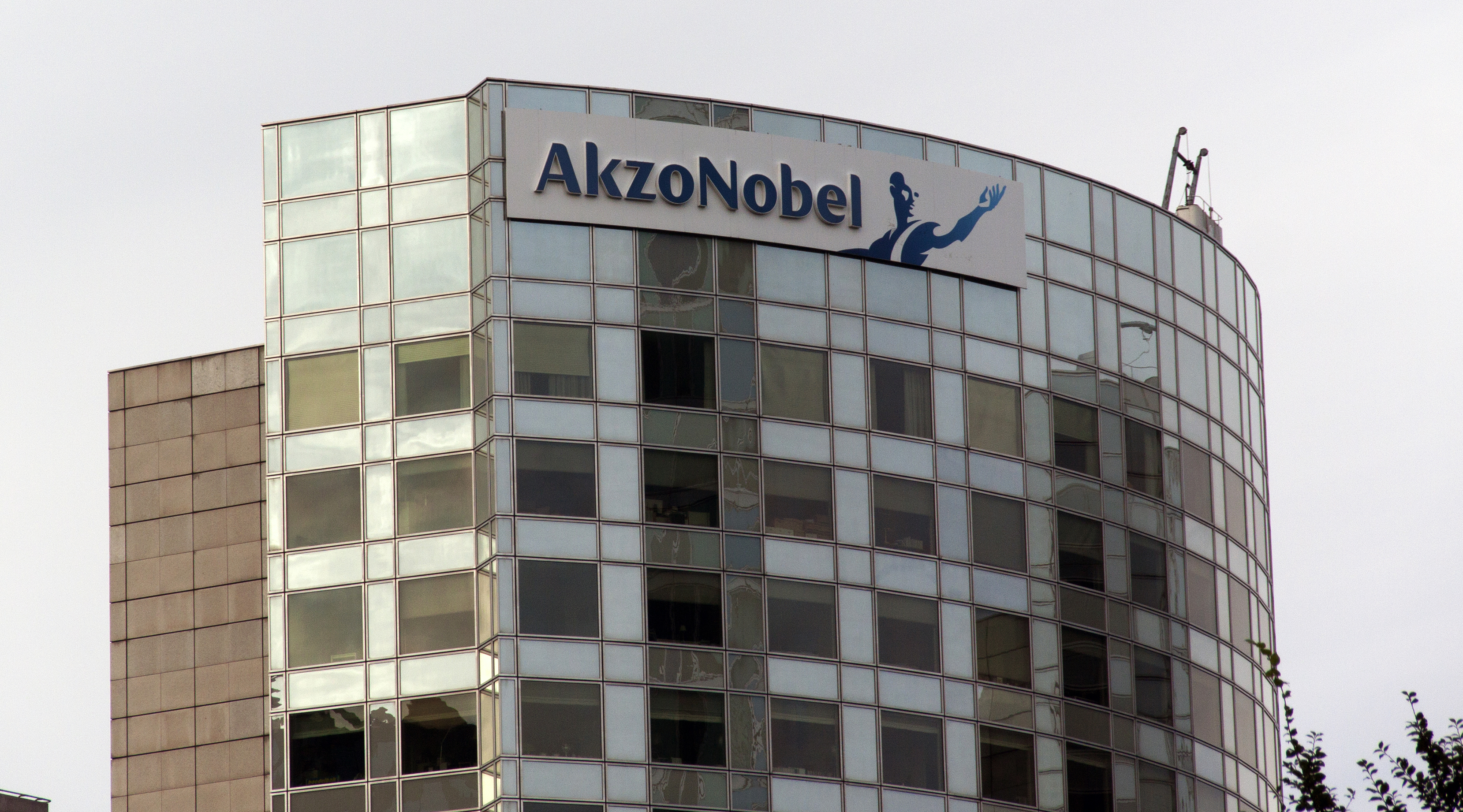
Nippon Paint and Sherwin-Williams Evaluate Acquisition Proposal After Rejection

- Acquisition Proposal Rejected: Nippon Paint and Sherwin-Williams' joint proposal to acquire AkzoNobel was rejected, potentially impacting their expansion strategies in the coatings market, particularly in the premium segment.
- Strategic Integration Opportunity: If the acquisition were successful, Nippon Paint would expand its decorative paints business and unify the Dulux brand globally, while Sherwin-Williams would strengthen its position in specialty coatings, highlighting their focus on market consolidation.
- No Financing or Approval Barriers: The proposal is not subject to financing conditions or shareholder approvals, indicating both companies' flexibility and determination in executing the acquisition plan, which could accelerate market consolidation.
- Advisory Support: Nippon Paint is advised by Bank of America for financial matters, while Sherwin-Williams is supported by Citi, showcasing strong professional backing that enhances their negotiation capabilities during the acquisition discussions.

European Stocks Rise Amid Declining Oil Prices and Military Tensions

- Market Performance: On Wednesday, the pan-European Stoxx 600 index rose by 0.3%, reflecting investor reactions to the latest military operations and declining oil prices, while the UK's FTSE 100 index fluctuated, and Germany's DAX increased by 0.6%.
- Oil Price Decline: Global benchmark Brent crude futures fell by 2.3% to $97.30 per barrel, and West Texas Intermediate futures dropped by 2.8% to $91.23 per barrel, potentially impacting energy-related stocks.
- Automotive Sector Recovery: The European auto sector rose nearly 2%, bolstered by a 5.1% year-on-year increase in new car registrations in the EU, with Renault's stock jumping over 4% and Stellantis rising by 2.9%.
- AkzoNobel Stock Surge: AkzoNobel's shares surged by 15.1% after rejecting a cash takeover offer from Nippon Paint and Sherwin-Williams, opting instead to continue supporting a merger with Axalta.

European Stocks Near All-Time High Amid Tensions
- Market Recovery: The European benchmark STOXX 600 index rose 0.2% to 629.44 points on Wednesday, just 1% shy of its all-time high set in February, reflecting optimistic sentiment regarding economic recovery.
- Auto Sector Surge: The automobiles and parts sector led gains with a 1.5% increase, highlighted by Volvo Cars' 8% jump after receiving U.S. government approval to continue vehicle sales, indicating strengthened competitive positioning in the market.
- Chemical Stocks Rally: AkzoNobel's shares surged 16.6% after rejecting a joint cash takeover offer from Nippon Paint and Sherwin-Williams, showcasing its strong market position and investor confidence.
- Geopolitical Risks: Despite positive market performance, escalating tensions in the Middle East, with Iran condemning U.S. strikes as a violation of a fragile ceasefire, keep inflation concerns at the forefront, as Brent crude prices remain around $98 per barrel.

Dow Jones Index Celebrates 130th Anniversary with Key Stock Insights


- Dow Component Changes: Since its establishment in 1896, the Dow Jones Index has seen significant changes in its components, with recent additions like Nvidia and Amazon reflecting economic evolution, shifting investor perception from traditional low-growth stocks to a modern blend of growth and value stocks.
- Nvidia's Dividend Surge: On May 20, Nvidia raised its quarterly dividend from $0.01 to $1 per share, a staggering 2400% increase, which, despite a current yield of only 0.5%, attracts investors seeking passive income and indicates a shift towards a more stable earnings model amid surging AI demand.
- Visa's Strong Financial Performance: Despite economic uncertainties, Visa achieved a 9% increase in payment volume in its latest quarter, with valuations at 30 times free cash flow and 29 times earnings, showcasing the resilience of its business model and providing a compelling buying opportunity for investors despite stock price declines.
- Procter & Gamble's Rising Dividend Yield: Procter & Gamble raised its dividend for the 70th consecutive year in April, with a current yield of 3%, and despite challenges in volume growth, its strong brand portfolio positions it as an ideal choice for risk-averse investors, trading at a P/E of just 21, below its 10-year average of 25.4.
Zillow Stock Nears Three-Year Low Amid Weak Housing Market Guidance
- Market Weakness Impact: Zillow's stock is hovering around a three-year low due to the company's weak guidance for the housing market in the second half of the year, indicating economic slowdown pressures on the real estate sector.
- Supply-Demand Imbalance: The U.S. housing market faces a supply-demand imbalance, as housing prices surged during the pandemic due to low interest rates, but now the rapid price increases have outpaced household income growth, leading to multi-decade lows in housing affordability.
- Traffic and Revenue Growth: Despite a 3% year-over-year decline in traffic to Zillow's mobile apps and website, the company achieved an 18% revenue increase, demonstrating its profitability during market downturns, supported by a massive user base of 220 million monthly active users.
- Long-Term Investment Opportunity: For long-term investors seeking growth stocks, Zillow presents a compelling investment opportunity poised for recovery alongside the housing market, particularly given its valuable database and diversified revenue streams that will support future growth.
Housing Market Demand Under Pressure
- Declining Housing Demand: Housing demand has significantly weakened due to high interest rates and home prices relative to household income, leading to reduced market activity and negatively impacting related companies' performance.
- Supply Shortage: New construction has failed to compensate for the shortfall in existing home sales, resulting in persistently low housing supply, which exacerbates the supply-demand imbalance and affects housing price stability.
- Weak Zillow Performance: Zillow's stock is hovering around a three-year low, and despite a large user base, a 3% decline in traffic in the latest quarter poses challenges for future revenue growth amid a sluggish market outlook.
- Home Depot and Sherwin-Williams: Home Depot faces growth pressures due to slowing consumer spending, yet its 18 consecutive years of dividend increases continue to attract investors; meanwhile, Sherwin-Williams demonstrates stronger resilience with robust sales and significant international exposure.
Nippon Paint and Sherwin-Williams Evaluate Acquisition Proposal After Rejection
- Acquisition Proposal Rejected: Nippon Paint and Sherwin-Williams' joint proposal to acquire AkzoNobel was rejected, potentially impacting their expansion strategies in the coatings market, particularly in the premium segment.
- Strategic Integration Opportunity: If the acquisition were successful, Nippon Paint would expand its decorative paints business and unify the Dulux brand globally, while Sherwin-Williams would strengthen its position in specialty coatings, highlighting their focus on market consolidation.
- No Financing or Approval Barriers: The proposal is not subject to financing conditions or shareholder approvals, indicating both companies' flexibility and determination in executing the acquisition plan, which could accelerate market consolidation.
- Advisory Support: Nippon Paint is advised by Bank of America for financial matters, while Sherwin-Williams is supported by Citi, showcasing strong professional backing that enhances their negotiation capabilities during the acquisition discussions.
European Stocks Rise Amid Declining Oil Prices and Military Tensions
- Market Performance: On Wednesday, the pan-European Stoxx 600 index rose by 0.3%, reflecting investor reactions to the latest military operations and declining oil prices, while the UK's FTSE 100 index fluctuated, and Germany's DAX increased by 0.6%.
- Oil Price Decline: Global benchmark Brent crude futures fell by 2.3% to $97.30 per barrel, and West Texas Intermediate futures dropped by 2.8% to $91.23 per barrel, potentially impacting energy-related stocks.
- Automotive Sector Recovery: The European auto sector rose nearly 2%, bolstered by a 5.1% year-on-year increase in new car registrations in the EU, with Renault's stock jumping over 4% and Stellantis rising by 2.9%.
- AkzoNobel Stock Surge: AkzoNobel's shares surged by 15.1% after rejecting a cash takeover offer from Nippon Paint and Sherwin-Williams, opting instead to continue supporting a merger with Axalta.
European Stocks Near All-Time High Amid Tensions
- Market Recovery: The European benchmark STOXX 600 index rose 0.2% to 629.44 points on Wednesday, just 1% shy of its all-time high set in February, reflecting optimistic sentiment regarding economic recovery.
- Auto Sector Surge: The automobiles and parts sector led gains with a 1.5% increase, highlighted by Volvo Cars' 8% jump after receiving U.S. government approval to continue vehicle sales, indicating strengthened competitive positioning in the market.
- Chemical Stocks Rally: AkzoNobel's shares surged 16.6% after rejecting a joint cash takeover offer from Nippon Paint and Sherwin-Williams, showcasing its strong market position and investor confidence.
- Geopolitical Risks: Despite positive market performance, escalating tensions in the Middle East, with Iran condemning U.S. strikes as a violation of a fragile ceasefire, keep inflation concerns at the forefront, as Brent crude prices remain around $98 per barrel.
Dow Jones Index Celebrates 130th Anniversary with Key Stock Insights
- Dow Component Changes: Since its establishment in 1896, the Dow Jones Index has seen significant changes in its components, with recent additions like Nvidia and Amazon reflecting economic evolution, shifting investor perception from traditional low-growth stocks to a modern blend of growth and value stocks.
- Nvidia's Dividend Surge: On May 20, Nvidia raised its quarterly dividend from $0.01 to $1 per share, a staggering 2400% increase, which, despite a current yield of only 0.5%, attracts investors seeking passive income and indicates a shift towards a more stable earnings model amid surging AI demand.
- Visa's Strong Financial Performance: Despite economic uncertainties, Visa achieved a 9% increase in payment volume in its latest quarter, with valuations at 30 times free cash flow and 29 times earnings, showcasing the resilience of its business model and providing a compelling buying opportunity for investors despite stock price declines.
- Procter & Gamble's Rising Dividend Yield: Procter & Gamble raised its dividend for the 70th consecutive year in April, with a current yield of 3%, and despite challenges in volume growth, its strong brand portfolio positions it as an ideal choice for risk-averse investors, trading at a P/E of just 21, below its 10-year average of 25.4.