Nike Faces Marketing Opportunities and Challenges at World Cup
Written by Emily J. Thompson, Senior Investment Analyst
Updated: 1 hour ago
0mins
Source: Yahoo Finance
- Financial Performance: Nike reported $11.3 billion in fiscal Q3 revenue, unchanged on a reported basis but down 3% on a constant-currency basis, indicating ongoing challenges in its recovery efforts.
- Future Outlook: The company expects fourth-quarter revenue to decline between 2% and 4%, with Greater China revenue projected to fall about 20%, highlighting significant global market pressures.
- Retail Refresh Plan: Nike plans to refresh over 5,000 retail locations during the World Cup, aiming to enhance brand visibility and improve relationships with wholesale partners to support its market recovery strategy.
- Competitive Landscape: While Nike launches new products and marketing campaigns during the World Cup, Adidas, as the official supplier for over 20 federations and holder of the official match ball, may leverage its established presence to impact Nike's market performance.
Trade with 70% Backtested Accuracy
Stop guessing "Should I Buy NKE?" and start using high-conviction signals backed by rigorous historical data.
Sign up today to access powerful investing tools and make smarter, data-driven decisions.
Analyst Views on NKE
Wall Street analysts forecast NKE stock price to rise
21 Analyst Rating
14 Buy
7 Hold
0 Sell
Moderate Buy
Current: 45.200

Low
62.00
Averages
76.11
High
110.00
Current: 45.200
Low
62.00
Averages
76.11
High
110.00
About NKE
NIKE, Inc. is engaged in the designing, marketing and distributing of athletic footwear, apparel, equipment and accessories and services for sports and fitness activities. The Company's operating segments include North America; Europe, Middle East & Africa (EMEA); Greater China; and Asia Pacific & Latin America (APLA). It sells a line of equipment and accessories under the NIKE Brand name, including bags, socks, sport balls, eyewear, timepieces, digital devices, bats, gloves, protective equipment and other equipment designed for sports activities. It also designs products specifically for the Jordan Brand and Converse. The Jordan Brand designs, distributes and licenses athletic and casual footwear, apparel and accessories predominantly focused on basketball performance and culture using the Jumpman trademark. The Company also designs, distributes and licenses casual sneakers, apparel and accessories under the Chuck Taylor, All Star, One Star, Star Chevron and Jack Purcell trademarks.
About the author

Emily J. Thompson
Emily J. Thompson, a Chartered Financial Analyst (CFA) with 12 years in investment research, graduated with honors from the Wharton School. Specializing in industrial and technology stocks, she provides in-depth analysis for Intellectia’s earnings and market brief reports.
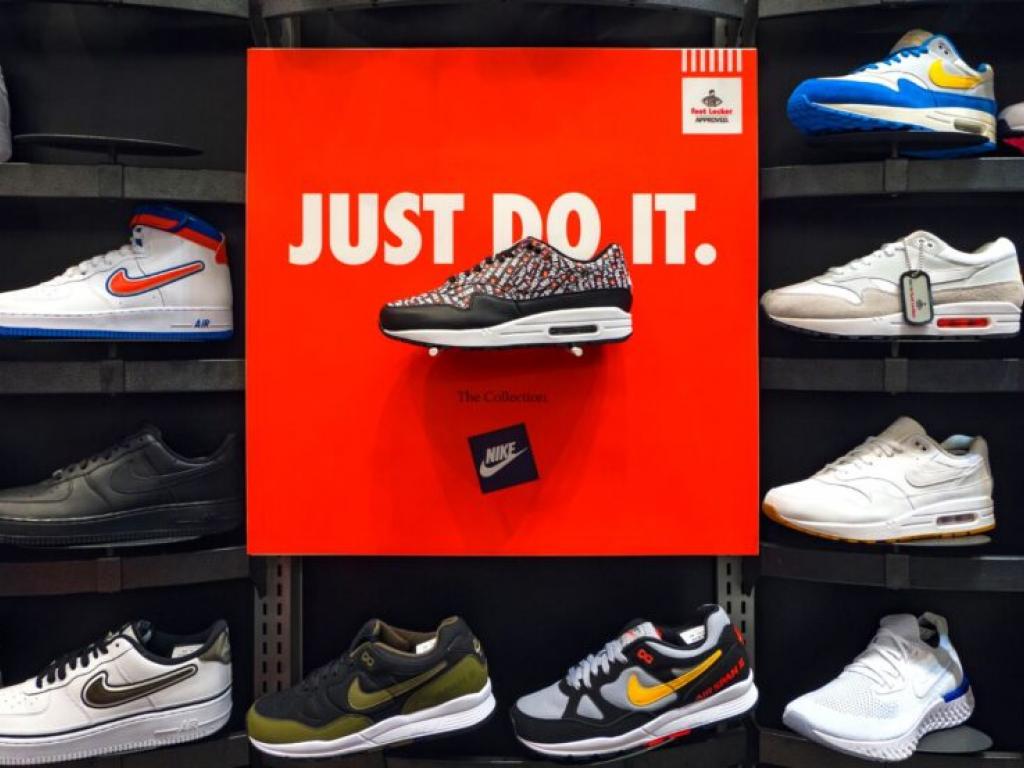
Nike Faces Marketing Opportunities and Challenges at World Cup

- Financial Performance: Nike reported $11.3 billion in fiscal Q3 revenue, unchanged on a reported basis but down 3% on a constant-currency basis, indicating ongoing challenges in its recovery efforts.
- Future Outlook: The company expects fourth-quarter revenue to decline between 2% and 4%, with Greater China revenue projected to fall about 20%, highlighting significant global market pressures.
- Retail Refresh Plan: Nike plans to refresh over 5,000 retail locations during the World Cup, aiming to enhance brand visibility and improve relationships with wholesale partners to support its market recovery strategy.
- Competitive Landscape: While Nike launches new products and marketing campaigns during the World Cup, Adidas, as the official supplier for over 20 federations and holder of the official match ball, may leverage its established presence to impact Nike's market performance.
See More
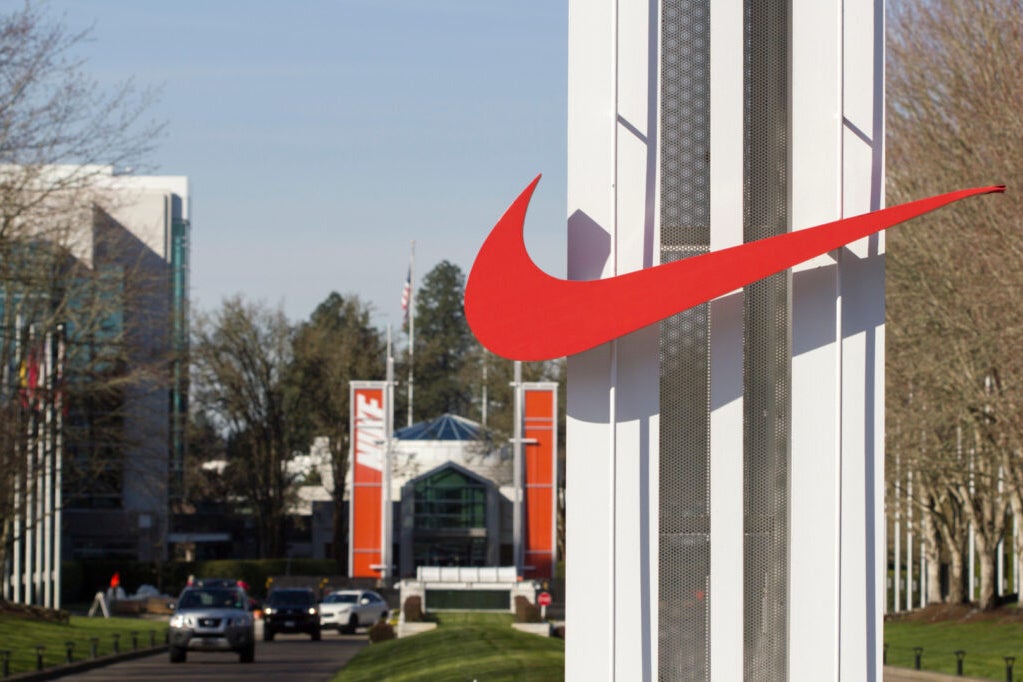
Nike Revives 7-Eleven Collaboration with New Air Max 95 Release
- New Product Launch: Nike has introduced the new Air Max 95 7-Eleven shoe, featuring an all-suede build inspired by the convenience store's signature colors and design, set to release this summer at a price of $210, further expanding its convenience store series.
- Market Positioning: The shoe will initially be available in Japan and select European retailers, demonstrating Nike's focus on international markets while leveraging 7-Eleven's brand influence to attract consumers and enhance market competitiveness.
- Design Innovation: The Air Max 95 7-Eleven cleverly reinterprets the convenience store's striped appearance through layered design and color combinations, effectively conveying brand associations without explicit 7-Eleven branding, thereby increasing consumer purchase intent.
- Promotional Tie-In: Nike has strategically chosen to launch the new shoe on July 11 (7/11), coinciding with 7-Eleven's Free Slurpee Day, which is expected to draw significant consumer attention and drive sales.
See More

Consumer Stocks Face Challenges but Remain Promising

- Nike's Challenges and Opportunities: Nike (NYSE: NKE) has faced several years of struggles, with its stock price declining from its 2021 peak, currently offering a 3.6% dividend yield; analysts predict earnings will rebound to $2.40 per share by the end of the next fiscal year, indicating potential for recovery.
- PepsiCo's Brand Strength: PepsiCo (NASDAQ: PEP), a 'Dividend King' with 54 consecutive annual increases, faces challenges in sales growth, yet its 4.1% dividend yield and a projected 6% annual earnings growth make it attractive in the current market.
- Hershey's Transformation Strategy: Hershey (NYSE: HSY) has been pressured by soaring cocoa prices affecting profit margins; although it did not raise its dividend last year, new CEO Kirk Tanner aims to expand into salty snacks and nutrition bars, which could drive future growth.
- Kimberly-Clark's Merger Strategy: Kimberly-Clark (NASDAQ: KMB) is merging with Kenvue in a $48.7 billion deal, creating a global consumer products giant; despite integration risks, both companies are Dividend Kings, likely prioritizing dividend maintenance and growth, with a current yield of 5%.
See More
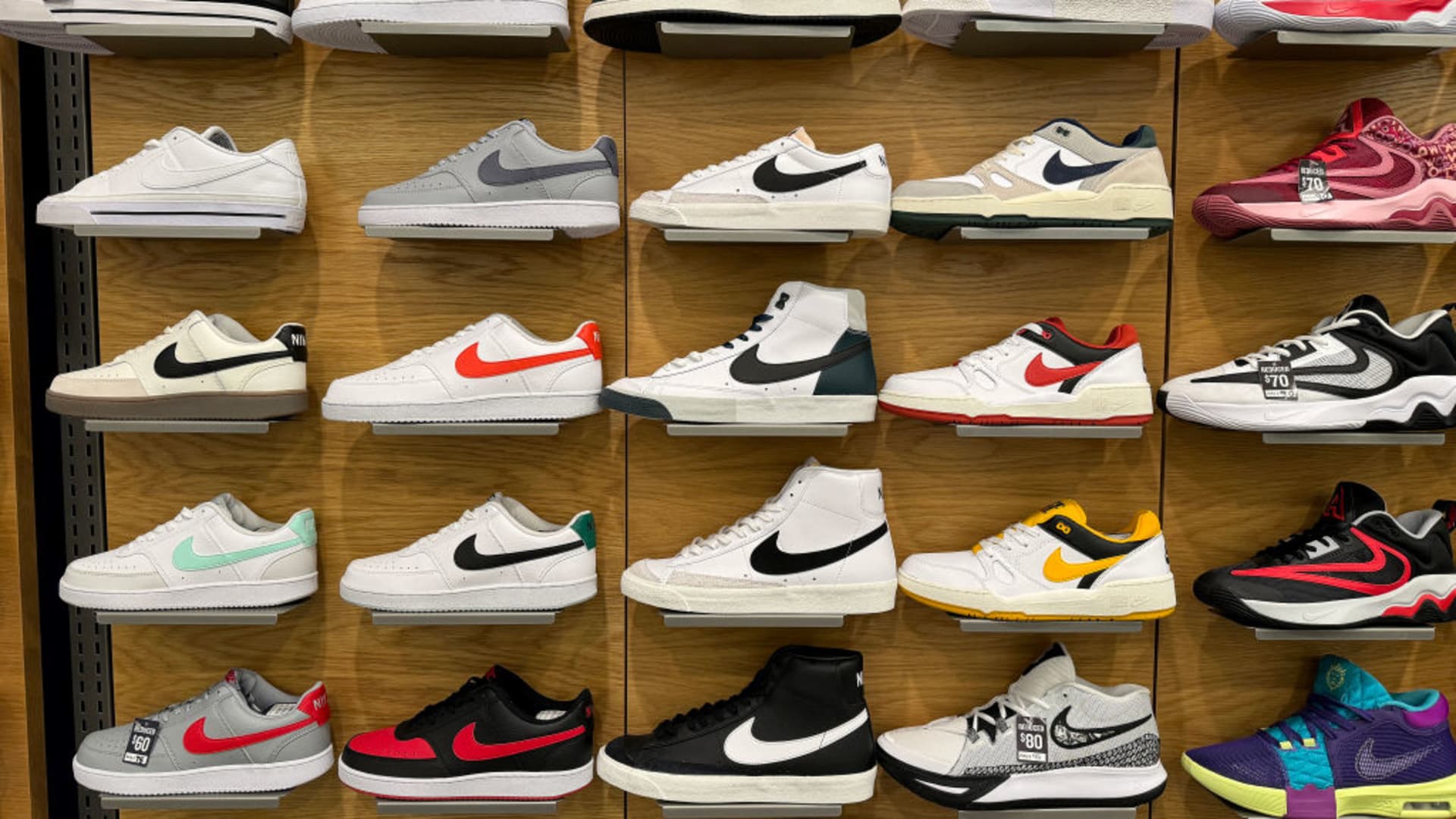
Analysis of Four Declining Consumer Brand Stocks
- Nike's Struggles: Nike (NKE) has seen a 74% decline in stock price due to a misguided direct-to-consumer strategy that led to the firing of its CEO; despite raising dividends for 24 consecutive years, the company's earnings have deteriorated, presenting a buying opportunity at a 3.6% dividend yield.
- PepsiCo's Realignment: PepsiCo (PEP) is down 26%, but with a history of 54 consecutive annual dividend increases, the company has adjusted its pricing strategy after aggressive hikes post-COVID, and analysts expect 6% annualized earnings growth, with a dividend yield of 4.1%.
- Hershey's Transition: Hershey (HSY) has dropped 34% due to a severe cocoa shortage impacting profit margins; with a new CEO focusing on growth in salty snacks and nutrition bars, investors should watch for recovery in its core business, currently offering a 3.12% dividend yield.
- Kimberly-Clark's Merger: Kimberly-Clark (KMB) is down 35% as it merges with Kenvue in a $48.7 billion deal, creating a global consumer products giant; while the merger poses risks, both companies are Dividend Kings, and investors can expect a 5% dividend yield during the integration phase.
See More
China's Economy Faces Multiple Challenges

- Economic Growth Slowdown: Standard Bank forecasts that China's GDP will fall below 4% in Q2 2026, primarily due to a weak real estate market and low consumer confidence, indicating the fragility of economic recovery.
- Weak Retail Sales: Retail sales grew only 0.2% in April, the lowest since the end of COVID restrictions, with May expected to show no growth compared to last year, reflecting ongoing consumer spending challenges that could impact overall economic vitality.
- Decline in Fixed Asset Investment: Fixed asset investment is projected to drop by 2% in the first five months, worse than the 1.6% decline in April, with real estate investment dragging down by 13.7%, highlighting the profound impact of the real estate slump on the economy.
- Limited Contribution from Digitalization: While digitalization is expected to contribute 2.5 percentage points to GDP by 2027, the retail and tourism sectors are only projected to contribute 0.9 points, insufficient to prevent economic growth from slowing to 4.4%, indicating challenges in economic structural transformation.
See More
Nike Faces High Inflation Pressures
- Rising Production Costs: The Producer Price Index (PPI) surged 6.5% year-over-year in May, posing potential threats to companies like Nike that are sensitive to input costs, which could lead to further declines in profit margins and overall financial performance.
- Stock Price Decline: Nike's stock has dropped nearly 28% this year, and as of June 11, it is 43% below its 52-week high, reflecting heightened investor caution and concerns about the company's future performance in a challenging economic environment.
- Margin Pressure: Nike is experiencing a six-quarter streak of declining gross margins, primarily due to high production costs and U.S. tariffs impacting Indonesia and Vietnam, which together account for 79% of its footwear production, intensifying profitability challenges.
- Cash Flow and Dividends: Despite a 3.6% dividend yield and nearly $3.3 billion in annual free cash flow, investor concerns about Nike's margin struggles overshadow these positives, leading to diminished market confidence in the company's future prospects.
See More
Nike Faces Marketing Opportunities and Challenges at World Cup
- Financial Performance: Nike reported $11.3 billion in fiscal Q3 revenue, unchanged on a reported basis but down 3% on a constant-currency basis, indicating ongoing challenges in its recovery efforts.
- Future Outlook: The company expects fourth-quarter revenue to decline between 2% and 4%, with Greater China revenue projected to fall about 20%, highlighting significant global market pressures.
- Retail Refresh Plan: Nike plans to refresh over 5,000 retail locations during the World Cup, aiming to enhance brand visibility and improve relationships with wholesale partners to support its market recovery strategy.
- Competitive Landscape: While Nike launches new products and marketing campaigns during the World Cup, Adidas, as the official supplier for over 20 federations and holder of the official match ball, may leverage its established presence to impact Nike's market performance.
See More
Nike Revives 7-Eleven Collaboration with New Air Max 95 Release
- New Product Launch: Nike has introduced the new Air Max 95 7-Eleven shoe, featuring an all-suede build inspired by the convenience store's signature colors and design, set to release this summer at a price of $210, further expanding its convenience store series.
- Market Positioning: The shoe will initially be available in Japan and select European retailers, demonstrating Nike's focus on international markets while leveraging 7-Eleven's brand influence to attract consumers and enhance market competitiveness.
- Design Innovation: The Air Max 95 7-Eleven cleverly reinterprets the convenience store's striped appearance through layered design and color combinations, effectively conveying brand associations without explicit 7-Eleven branding, thereby increasing consumer purchase intent.
- Promotional Tie-In: Nike has strategically chosen to launch the new shoe on July 11 (7/11), coinciding with 7-Eleven's Free Slurpee Day, which is expected to draw significant consumer attention and drive sales.
See More
Consumer Stocks Face Challenges but Remain Promising
- Nike's Challenges and Opportunities: Nike (NYSE: NKE) has faced several years of struggles, with its stock price declining from its 2021 peak, currently offering a 3.6% dividend yield; analysts predict earnings will rebound to $2.40 per share by the end of the next fiscal year, indicating potential for recovery.
- PepsiCo's Brand Strength: PepsiCo (NASDAQ: PEP), a 'Dividend King' with 54 consecutive annual increases, faces challenges in sales growth, yet its 4.1% dividend yield and a projected 6% annual earnings growth make it attractive in the current market.
- Hershey's Transformation Strategy: Hershey (NYSE: HSY) has been pressured by soaring cocoa prices affecting profit margins; although it did not raise its dividend last year, new CEO Kirk Tanner aims to expand into salty snacks and nutrition bars, which could drive future growth.
- Kimberly-Clark's Merger Strategy: Kimberly-Clark (NASDAQ: KMB) is merging with Kenvue in a $48.7 billion deal, creating a global consumer products giant; despite integration risks, both companies are Dividend Kings, likely prioritizing dividend maintenance and growth, with a current yield of 5%.
See More
Analysis of Four Declining Consumer Brand Stocks
- Nike's Struggles: Nike (NKE) has seen a 74% decline in stock price due to a misguided direct-to-consumer strategy that led to the firing of its CEO; despite raising dividends for 24 consecutive years, the company's earnings have deteriorated, presenting a buying opportunity at a 3.6% dividend yield.
- PepsiCo's Realignment: PepsiCo (PEP) is down 26%, but with a history of 54 consecutive annual dividend increases, the company has adjusted its pricing strategy after aggressive hikes post-COVID, and analysts expect 6% annualized earnings growth, with a dividend yield of 4.1%.
- Hershey's Transition: Hershey (HSY) has dropped 34% due to a severe cocoa shortage impacting profit margins; with a new CEO focusing on growth in salty snacks and nutrition bars, investors should watch for recovery in its core business, currently offering a 3.12% dividend yield.
- Kimberly-Clark's Merger: Kimberly-Clark (KMB) is down 35% as it merges with Kenvue in a $48.7 billion deal, creating a global consumer products giant; while the merger poses risks, both companies are Dividend Kings, and investors can expect a 5% dividend yield during the integration phase.
See More
China's Economy Faces Multiple Challenges
- Economic Growth Slowdown: Standard Bank forecasts that China's GDP will fall below 4% in Q2 2026, primarily due to a weak real estate market and low consumer confidence, indicating the fragility of economic recovery.
- Weak Retail Sales: Retail sales grew only 0.2% in April, the lowest since the end of COVID restrictions, with May expected to show no growth compared to last year, reflecting ongoing consumer spending challenges that could impact overall economic vitality.
- Decline in Fixed Asset Investment: Fixed asset investment is projected to drop by 2% in the first five months, worse than the 1.6% decline in April, with real estate investment dragging down by 13.7%, highlighting the profound impact of the real estate slump on the economy.
- Limited Contribution from Digitalization: While digitalization is expected to contribute 2.5 percentage points to GDP by 2027, the retail and tourism sectors are only projected to contribute 0.9 points, insufficient to prevent economic growth from slowing to 4.4%, indicating challenges in economic structural transformation.
See More
Nike Faces High Inflation Pressures
- Rising Production Costs: The Producer Price Index (PPI) surged 6.5% year-over-year in May, posing potential threats to companies like Nike that are sensitive to input costs, which could lead to further declines in profit margins and overall financial performance.
- Stock Price Decline: Nike's stock has dropped nearly 28% this year, and as of June 11, it is 43% below its 52-week high, reflecting heightened investor caution and concerns about the company's future performance in a challenging economic environment.
- Margin Pressure: Nike is experiencing a six-quarter streak of declining gross margins, primarily due to high production costs and U.S. tariffs impacting Indonesia and Vietnam, which together account for 79% of its footwear production, intensifying profitability challenges.
- Cash Flow and Dividends: Despite a 3.6% dividend yield and nearly $3.3 billion in annual free cash flow, investor concerns about Nike's margin struggles overshadow these positives, leading to diminished market confidence in the company's future prospects.
See More