NHTSA Closes Tesla Steering Loss Probe After Recall
Written by Emily J. Thompson, Senior Investment Analyst
Updated: 58 minutes ago
0mins
Source: Newsfilter
- Investigation Closure: The NHTSA has concluded its investigation into steering loss in Tesla Model 3 and Model Y vehicles, covering approximately 376,241 units from the 2023 model year, indicating the company's proactive approach to safety issues.
- Recall Context: Tesla recalled 376,000 vehicles in early 2025 due to a failure in the power steering assist feature, which could make steering difficult at low speeds and increase crash risk, demonstrating the company's commitment to consumer safety.
- Software Update: The recall was accompanied by an over-the-air software update designed to prevent overvoltage breakdown and overstress of motor drive components on the printed circuit board, showcasing Tesla's ongoing efforts in technical improvements and safety assurance.
- Regulatory Response: Following the evaluation of Tesla's recall measures, the NHTSA decided to close its engineering analysis, reflecting regulatory recognition of the remedial actions taken by Tesla, which may help enhance consumer confidence.
Trade with 70% Backtested Accuracy
Stop guessing "Should I Buy TSLA?" and start using high-conviction signals backed by rigorous historical data.
Sign up today to access powerful investing tools and make smarter, data-driven decisions.
Analyst Views on TSLA
Wall Street analysts forecast TSLA stock price to rise
30 Analyst Rating
12 Buy
11 Hold
7 Sell
Hold
Current: 375.120

Low
25.28
Averages
401.93
High
600.00
Current: 375.120
Low
25.28
Averages
401.93
High
600.00
About TSLA
Tesla, Inc. designs, develops, manufactures, sells and leases high-performance fully electric vehicles and energy generation and storage systems, and offers services related to its products. Its segments include automotive, and energy generation and storage. The automotive segment includes the design, development, manufacturing, sales and leasing of high-performance fully electric vehicles, and sales of automotive regulatory credits. It also includes sales of used vehicles, non-warranty maintenance services and collisions, part sales, paid supercharging, insurance services revenue and retail merchandise sales. The energy generation and storage segment include the design, manufacture, installation, sales and leasing of solar energy generation and energy storage products and related services and sales of solar energy systems incentives. Its consumer vehicles include the Model 3, Y, S, X and Cybertruck. Its lithium-ion battery energy storage products include Powerwall and Megapack.
About the author

Emily J. Thompson
Emily J. Thompson, a Chartered Financial Analyst (CFA) with 12 years in investment research, graduated with honors from the Wharton School. Specializing in industrial and technology stocks, she provides in-depth analysis for Intellectia’s earnings and market brief reports.

Analysis of Tesla's Stock Split Prospects

- Stock Split History: Tesla executed a 5-for-1 split in 2020 and a 3-for-1 split in 2022, with the former announced at nearly $1,400 and the latter at about $900, indicating a tendency to split when stock prices are high to attract retail investors.
- Current Stock Price Status: As of June 24, Tesla's stock trades around $375, significantly lower than pre-split prices, suggesting that a split in 2026 is highly unlikely, as historical data indicates shares would need to nearly triple for such an action to be considered.
- Investor Psychology Impact: While stock splits do not inherently increase company value, they can attract more retail investors by lowering the share price; research shows that companies that split their stocks have averaged over 25% returns in the 12 months following the announcement, reflecting positive market sentiment towards splits.
- Future Investment Focus: Although splits may attract investors, Tesla's advancements in robotics, autonomous vehicles, robotaxis, and energy storage will be more critical for long-term investment returns, and investors should prioritize these core business developments.
See More

NHTSA Closes Tesla Steering Loss Probe After Recall
- Investigation Closure: The NHTSA has concluded its investigation into steering loss in Tesla Model 3 and Model Y vehicles, covering approximately 376,241 units from the 2023 model year, indicating the company's proactive approach to safety issues.
- Recall Context: Tesla recalled 376,000 vehicles in early 2025 due to a failure in the power steering assist feature, which could make steering difficult at low speeds and increase crash risk, demonstrating the company's commitment to consumer safety.
- Software Update: The recall was accompanied by an over-the-air software update designed to prevent overvoltage breakdown and overstress of motor drive components on the printed circuit board, showcasing Tesla's ongoing efforts in technical improvements and safety assurance.
- Regulatory Response: Following the evaluation of Tesla's recall measures, the NHTSA decided to close its engineering analysis, reflecting regulatory recognition of the remedial actions taken by Tesla, which may help enhance consumer confidence.
See More
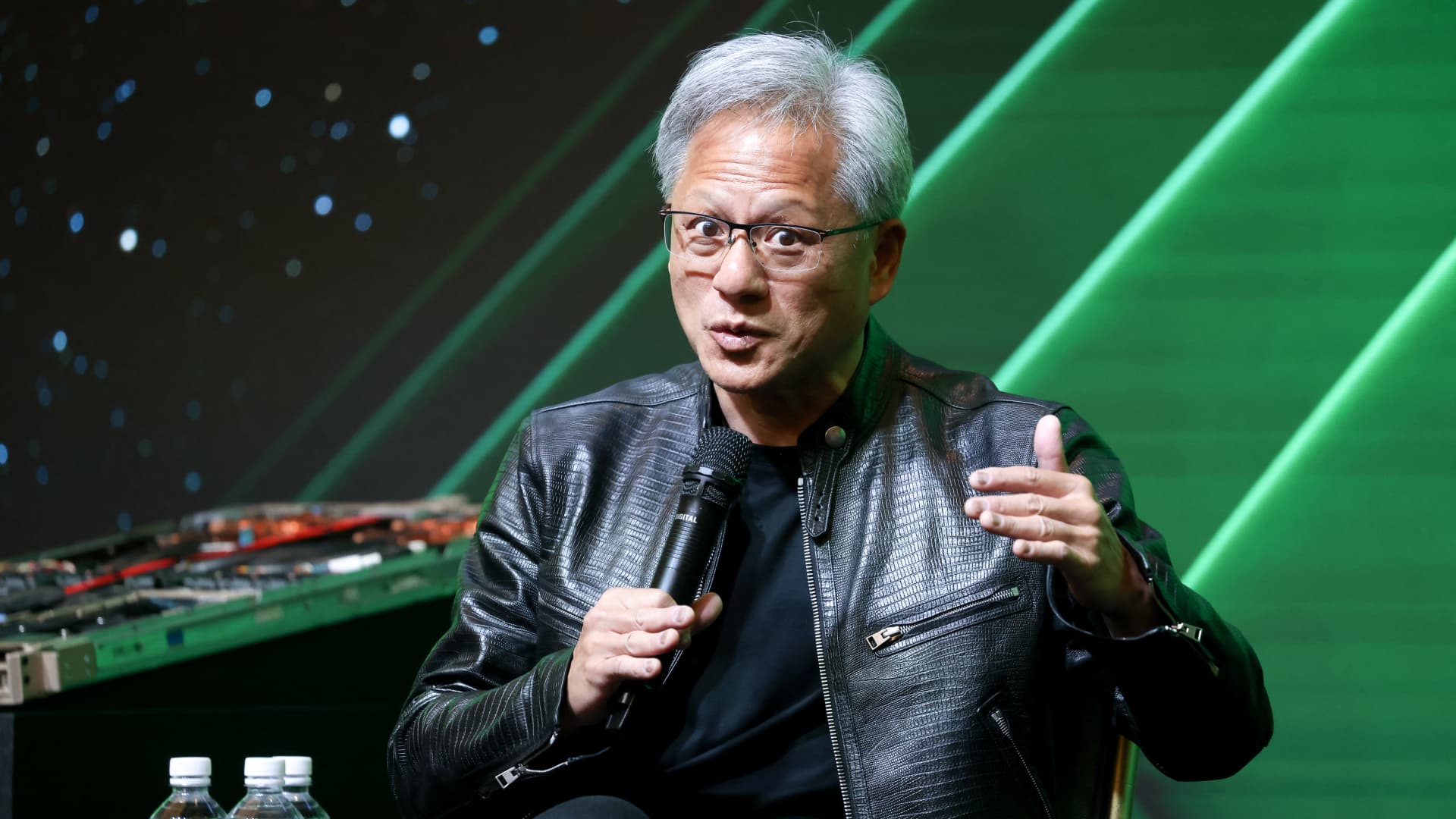
Chip Stocks Face Sell-Off, Investment Opportunities Emerge


- Market Sell-Off Impact: Chip stocks, particularly Nvidia, ON Semiconductor, and Intel, have faced significant declines this week due to increasing doubts about the returns on AI spending, putting pressure on the entire sector and requiring investors to navigate market volatility cautiously.
- Nvidia's Strong Performance: Despite an 18% drop from its 52-week high, Nvidia reported an 85% year-over-year revenue increase to $81.6 billion in Q1 2027, with data center revenue soaring 92% to $75.2 billion, highlighting its robust position in the AI market.
- ON Semiconductor Acquisition Risks: ON Semiconductor's stock plummeted 23% following its announcement of a $7 billion acquisition of Synaptics, raising concerns about shareholder dilution and integration risks, even as its Q1 revenue grew 5% year-over-year, which may impact its stock performance in the short term.
- Intel's Turnaround Challenges: Intel's stock has rebounded to around $128 from a 52-week low, with Q1 revenue up 7% to $13.6 billion, and securing Tesla as a major customer; however, it still faces profitability issues, making its turnaround uncertain and requiring investor vigilance.
See More

Chip Stocks Volatility and Investment Opportunities
- Nvidia Valuation Drop: Nvidia now trades at about 29 times earnings, significantly below its average over the past year, despite reporting an 85% year-over-year revenue increase to $81.6 billion in Q1 2027, with data center revenue soaring 92% to $75.2 billion, indicating strong performance in AI; however, market doubts about the sustainability of AI spending may lead to further stock volatility.
- ON Semiconductor Acquisition Risks: ON Semiconductor's announcement of a $7 billion all-stock acquisition of Synaptics triggered a more than 23% drop in its stock price in one day, although its Q1 revenue rose 5% year-over-year, signaling a recovery, the dilution effect of the acquisition and integration risks have unsettled investors, necessitating close monitoring of future performance.
- Intel Turnaround Success: Intel's stock has surged from a 52-week low of $19 to over $141, with Q1 revenue increasing 7% to $13.6 billion; however, despite reporting non-GAAP earnings of $0.29, its foundry business still lost $2.4 billion, indicating that the turnaround is not fully realized, and investors should remain cautious.
- Market Sentiment Impact: The entire chip sector has faced sell-offs due to concerns over AI spending, and while Nvidia, ON Semiconductor, and Intel each face unique challenges, this situation presents investors with opportunities to buy quality stocks at discounted prices, particularly as Nvidia maintains a competitive edge in a rapidly growing market.
See More
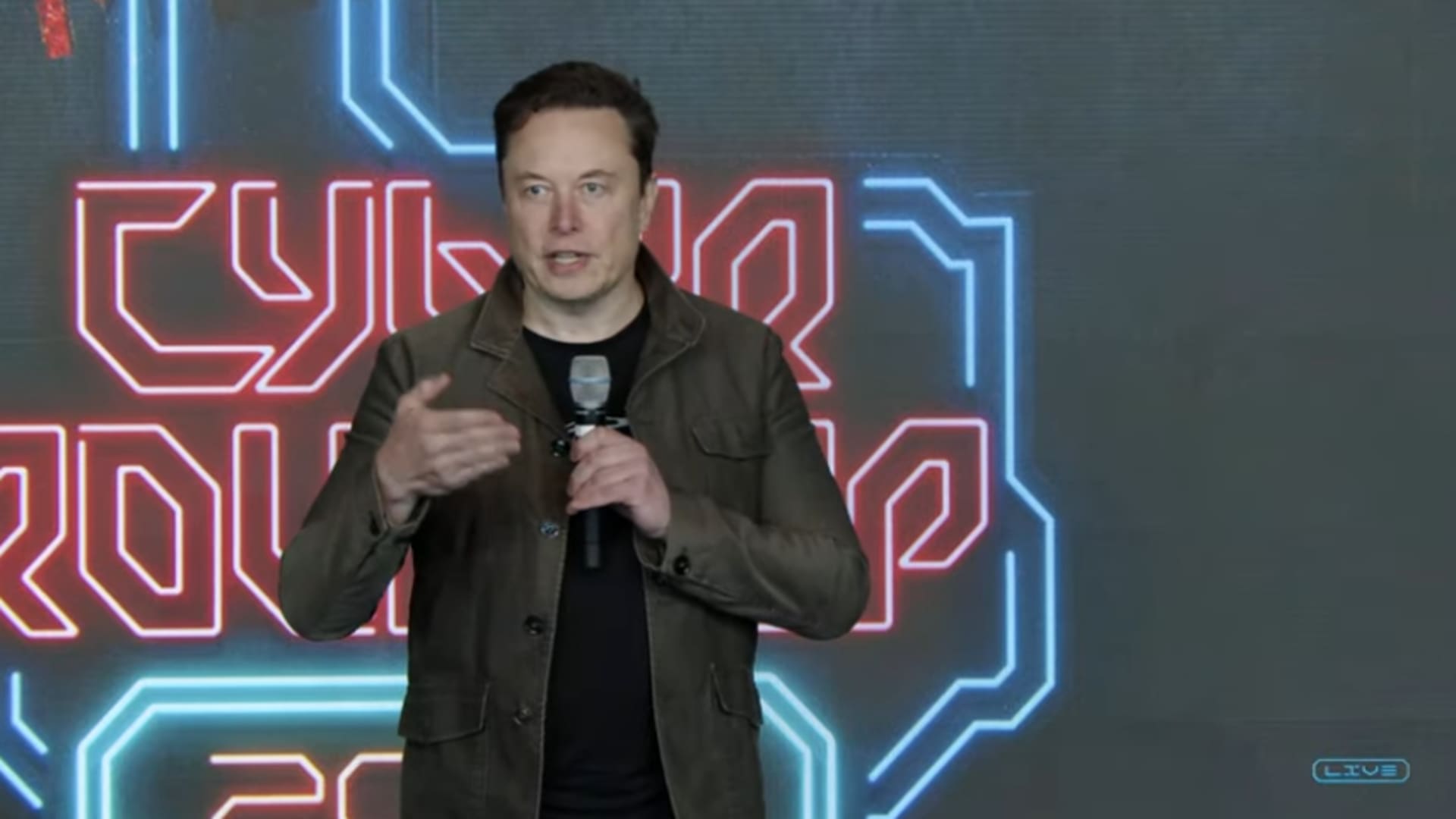
Analysis of Tesla's Stock Split Prospects
- Psychological Impact of Splits: While stock splits do not inherently enhance a company's value, the lower post-split share price can attract more retail investors, potentially increasing market activity and stock performance.
- Historical Split Data: Tesla executed a 5-for-1 split in 2020 and a 3-for-1 split in 2022, with the former seeing shares rise from $1,400 to $2,200 and the latter announced at nearly $900, indicating significant price increases prior to splits.
- Future Split Likelihood: Based on historical trends, the likelihood of a Tesla stock split in 2026 is low, as shares would need to nearly triple from the current price of around $375 to be considered for a split.
- Investor Focus: For potential investors, Tesla's advancements in robotics, autonomous vehicles, robotaxis, and energy storage are likely to have a more significant impact on long-term investment returns than any stock split itself.
See More

SpaceX Issues $25 Billion in Bonds Amid Market Speculation

- Massive Fundraising: SpaceX announced a $25 billion bond issuance less than two weeks after its IPO, raising a total of $111 billion, which indicates strong market confidence in its future prospects despite current profitability challenges.
- High Demand for Debt: The bond issuance attracted $90 billion in orders, oversubscribed by more than three times, reflecting investor trust in SpaceX, even as the company faces ongoing financial hurdles.
- Strategic Acquisition: Last week, SpaceX acquired coding company Cursor for $60 billion to bolster its capabilities in artificial intelligence, despite only achieving a 16% year-over-year revenue growth, highlighting the urgent need for expansion in high-growth sectors.
- Cautious Market Reaction: Despite its strong fundraising ability, SpaceX's stock fell 17% this week, as investors express concerns over its ongoing fundraising and spending, particularly in the absence of a clear path to profitability.
See More
Analysis of Tesla's Stock Split Prospects
- Stock Split History: Tesla executed a 5-for-1 split in 2020 and a 3-for-1 split in 2022, with the former announced at nearly $1,400 and the latter at about $900, indicating a tendency to split when stock prices are high to attract retail investors.
- Current Stock Price Status: As of June 24, Tesla's stock trades around $375, significantly lower than pre-split prices, suggesting that a split in 2026 is highly unlikely, as historical data indicates shares would need to nearly triple for such an action to be considered.
- Investor Psychology Impact: While stock splits do not inherently increase company value, they can attract more retail investors by lowering the share price; research shows that companies that split their stocks have averaged over 25% returns in the 12 months following the announcement, reflecting positive market sentiment towards splits.
- Future Investment Focus: Although splits may attract investors, Tesla's advancements in robotics, autonomous vehicles, robotaxis, and energy storage will be more critical for long-term investment returns, and investors should prioritize these core business developments.
See More
NHTSA Closes Tesla Steering Loss Probe After Recall
- Investigation Closure: The NHTSA has concluded its investigation into steering loss in Tesla Model 3 and Model Y vehicles, covering approximately 376,241 units from the 2023 model year, indicating the company's proactive approach to safety issues.
- Recall Context: Tesla recalled 376,000 vehicles in early 2025 due to a failure in the power steering assist feature, which could make steering difficult at low speeds and increase crash risk, demonstrating the company's commitment to consumer safety.
- Software Update: The recall was accompanied by an over-the-air software update designed to prevent overvoltage breakdown and overstress of motor drive components on the printed circuit board, showcasing Tesla's ongoing efforts in technical improvements and safety assurance.
- Regulatory Response: Following the evaluation of Tesla's recall measures, the NHTSA decided to close its engineering analysis, reflecting regulatory recognition of the remedial actions taken by Tesla, which may help enhance consumer confidence.
See More
Chip Stocks Face Sell-Off, Investment Opportunities Emerge
- Market Sell-Off Impact: Chip stocks, particularly Nvidia, ON Semiconductor, and Intel, have faced significant declines this week due to increasing doubts about the returns on AI spending, putting pressure on the entire sector and requiring investors to navigate market volatility cautiously.
- Nvidia's Strong Performance: Despite an 18% drop from its 52-week high, Nvidia reported an 85% year-over-year revenue increase to $81.6 billion in Q1 2027, with data center revenue soaring 92% to $75.2 billion, highlighting its robust position in the AI market.
- ON Semiconductor Acquisition Risks: ON Semiconductor's stock plummeted 23% following its announcement of a $7 billion acquisition of Synaptics, raising concerns about shareholder dilution and integration risks, even as its Q1 revenue grew 5% year-over-year, which may impact its stock performance in the short term.
- Intel's Turnaround Challenges: Intel's stock has rebounded to around $128 from a 52-week low, with Q1 revenue up 7% to $13.6 billion, and securing Tesla as a major customer; however, it still faces profitability issues, making its turnaround uncertain and requiring investor vigilance.
See More
Chip Stocks Volatility and Investment Opportunities
- Nvidia Valuation Drop: Nvidia now trades at about 29 times earnings, significantly below its average over the past year, despite reporting an 85% year-over-year revenue increase to $81.6 billion in Q1 2027, with data center revenue soaring 92% to $75.2 billion, indicating strong performance in AI; however, market doubts about the sustainability of AI spending may lead to further stock volatility.
- ON Semiconductor Acquisition Risks: ON Semiconductor's announcement of a $7 billion all-stock acquisition of Synaptics triggered a more than 23% drop in its stock price in one day, although its Q1 revenue rose 5% year-over-year, signaling a recovery, the dilution effect of the acquisition and integration risks have unsettled investors, necessitating close monitoring of future performance.
- Intel Turnaround Success: Intel's stock has surged from a 52-week low of $19 to over $141, with Q1 revenue increasing 7% to $13.6 billion; however, despite reporting non-GAAP earnings of $0.29, its foundry business still lost $2.4 billion, indicating that the turnaround is not fully realized, and investors should remain cautious.
- Market Sentiment Impact: The entire chip sector has faced sell-offs due to concerns over AI spending, and while Nvidia, ON Semiconductor, and Intel each face unique challenges, this situation presents investors with opportunities to buy quality stocks at discounted prices, particularly as Nvidia maintains a competitive edge in a rapidly growing market.
See More
Analysis of Tesla's Stock Split Prospects
- Psychological Impact of Splits: While stock splits do not inherently enhance a company's value, the lower post-split share price can attract more retail investors, potentially increasing market activity and stock performance.
- Historical Split Data: Tesla executed a 5-for-1 split in 2020 and a 3-for-1 split in 2022, with the former seeing shares rise from $1,400 to $2,200 and the latter announced at nearly $900, indicating significant price increases prior to splits.
- Future Split Likelihood: Based on historical trends, the likelihood of a Tesla stock split in 2026 is low, as shares would need to nearly triple from the current price of around $375 to be considered for a split.
- Investor Focus: For potential investors, Tesla's advancements in robotics, autonomous vehicles, robotaxis, and energy storage are likely to have a more significant impact on long-term investment returns than any stock split itself.
See More
SpaceX Issues $25 Billion in Bonds Amid Market Speculation
- Massive Fundraising: SpaceX announced a $25 billion bond issuance less than two weeks after its IPO, raising a total of $111 billion, which indicates strong market confidence in its future prospects despite current profitability challenges.
- High Demand for Debt: The bond issuance attracted $90 billion in orders, oversubscribed by more than three times, reflecting investor trust in SpaceX, even as the company faces ongoing financial hurdles.
- Strategic Acquisition: Last week, SpaceX acquired coding company Cursor for $60 billion to bolster its capabilities in artificial intelligence, despite only achieving a 16% year-over-year revenue growth, highlighting the urgent need for expansion in high-growth sectors.
- Cautious Market Reaction: Despite its strong fundraising ability, SpaceX's stock fell 17% this week, as investors express concerns over its ongoing fundraising and spending, particularly in the absence of a clear path to profitability.
See More