

Navitas Semiconductor (NVTS) Shifts Focus to AI Data Centers, Exiting Low-Margin Consumer Chips
Written by Emily J. Thompson, Senior Investment Analyst
Updated: Jan 22 2026
0mins
Source: Fool
- Strategic Shift: Navitas Semiconductor is exiting the low-margin consumer chip market to focus heavily on AI data centers, which is expected to enhance overall profit margins and strengthen market competitiveness.
- Market Potential: Should NVIDIA's 800V transition succeed, Navitas's stock could surprise investors, reflecting the company's potential gains in a high-growth sector.
- Investor Interest: The company's focus on AI data centers is likely to attract increased investor attention, especially against the backdrop of rapid technological advancements, potentially driving stock price appreciation.
- Future Outlook: As AI technology continues to evolve, Navitas's strategic adjustment not only aligns with market trends but may also provide long-term growth opportunities, further solidifying its position in the semiconductor industry.
Trade with 70% Backtested Accuracy
Stop guessing "Should I Buy NVTS?" and start using high-conviction signals backed by rigorous historical data.
Sign up today to access powerful investing tools and make smarter, data-driven decisions.
Analyst Views on NVTS
Wall Street analysts forecast NVTS stock price to fall
4 Analyst Rating
1 Buy
2 Hold
1 Sell
Hold
Current: 17.700

Low
4.20
Averages
8.80
High
13.00
Current: 17.700
Low
4.20
Averages
8.80
High
13.00
About NVTS
Navitas Semiconductor Corporation is a power semiconductor company. The Company is engaged in designing, developing, and marketing power semiconductors, including gallium nitride (GaN) power integrated circuits (ICs), high-voltage silicon carbide (SiC) devices and associated high-speed silicon system controllers, and digital isolators used in power conversion and charging. It focuses on power markets including artificial intelligence (AI) data centers, energy and grid infrastructure, performance computing, and industrial electrification. Its solutions enable power throughput, higher voltage operation, thermal performance, and reduced system size for high-power applications such as hyperscale and AI data centers, grid electrification, high-performance computing clusters, and industrial automation. It also operates as a product design house that contracts the manufacturing of its chips and packaging to partner suppliers.
About the author

Emily J. Thompson
Emily J. Thompson, a Chartered Financial Analyst (CFA) with 12 years in investment research, graduated with honors from the Wharton School. Specializing in industrial and technology stocks, she provides in-depth analysis for Intellectia’s earnings and market brief reports.

Comparing Futures: Intel vs. Navitas Semiconductor


- Intel's Transformation Strategy: Intel is aggressively pivoting to a foundry model to manufacture chips for global designers, with FY 2025 revenue at $52.9 billion, a slight 0.5% decrease, indicating the need for massive capital investment to compete with established manufacturers.
- Navitas Focus on New Materials: Navitas Semiconductor specializes in next-generation power materials like gallium nitride, generating $45.9 million in FY 2025, a 44.9% decline, reflecting challenges and opportunities in its pivot to high-power markets.
- Intensifying Competitive Pressure: Intel faces fierce competition from AMD in the PC and server markets, and risks falling behind Taiwan Semiconductor Manufacturing Company in manufacturing technology, where delays in new plant construction could lead to significant capital losses.
- AI Market Potential: With the rise of artificial intelligence, both Intel and Navitas are striving to capitalize on this trend, although Navitas's decision to exit the Chinese market led to a significant sales drop in 2025, yet management anticipates revenue recovery in 2026.
See More
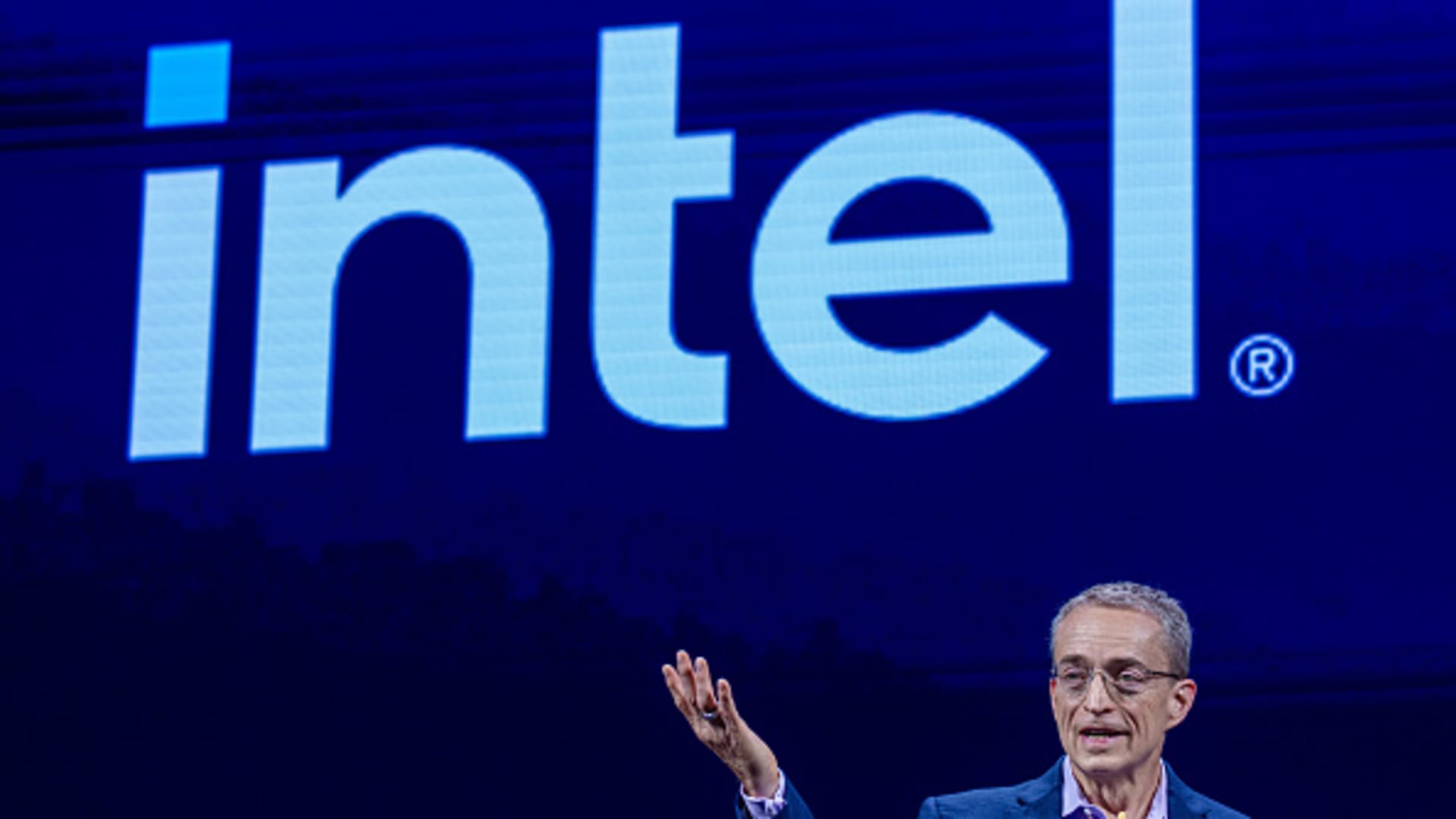
Chip Industry Giants vs. Niche Disruptors: A Strategic Comparison
- Intel's Transformation Challenges: Intel reported $52.9 billion in revenue for FY 2025, a slight decline of 0.5% year-over-year, alongside a net loss of $267 million, indicating significant capital pressures and market competition as it pivots to a foundry model.
- Navitas's Focus on Growth: Navitas Semiconductor generated $45.9 million in revenue for FY 2025, down 44.9% from the previous year, with a net loss of $117 million, reflecting the strategic risks of its pivot towards the AI market amid high spending relative to its current scale.
- Competitive Risk Analysis: Intel faces intense competition from AMD in the PC and server markets, while also needing to contend with TSMC's technological lead, whereas Navitas relies on third-party foundries, exposing it to capacity constraints.
- Future Outlook and Investment Choice: Despite Intel's 7% year-over-year sales growth to $13.6 billion in Q1 FY 2025 and an expected acceleration in Q2, Navitas's declining sales increase investment risks, necessitating careful evaluation by investors.
See More
Comparative Analysis of Intel and Navitas Semiconductor
- Intel's Transformation Strategy: Intel reported $52.9 billion in revenue for FY 2025, a slight decline of 0.5% year-over-year, alongside a net loss of $267 million, indicating challenges in its transition to an IDM 2.0 strategy, although its debt-to-equity ratio of 0.4 suggests a relatively stable financial structure.
- Navitas's Market Focus: Navitas Semiconductor generated $45.9 million in revenue for FY 2025, a staggering 44.9% decline from the previous year, with a net loss of $117 million and a net margin of negative 254.7%, reflecting high expenditures relative to its current market scale as it focuses on next-generation power materials.
- Competitive Risk Assessment: Intel faces intense competition from AMD in the personal computer and server markets, while also needing to contend with TSMC's technological lead in manufacturing, where any delays in new plant construction could result in significant capital losses.
- Investment Outlook Comparison: While Navitas has a lower forward P/E ratio based on future earnings estimates, Intel's sales increased by 7% year-over-year in Q1 2026, indicating potential recovery in the AI sector, prompting investors to carefully evaluate the risks and returns of both companies.
See More

Electric Vehicles as Keystone Species in Tech Stack


- Tesla's Strong Earnings: Tesla reported Q1 FY2026 revenue of $22.39 billion, a 15.78% year-over-year increase, with automotive gross margin rising from 16.2% to 21.1%, indicating robust market demand and profitability.
- EV Market Growth: The volume of electric vehicles has driven down battery costs, creating a positive feedback loop that has scaled wide-bandgap semiconductor technology for grid applications, further advancing technological progress in the sector.
- Surge in Silicon Carbide Demand: On Semiconductor and Wolfspeed saw stock price increases of 124.6% and 229.75%, respectively, reflecting strong demand for silicon carbide in electric vehicles and AI data centers, showcasing rapid industry growth potential.
- Investor Focus on Power Electronics: Power electronics is viewed as the
See More

Navitas Semiconductor Stock Rises 5.3% Amid Market Momentum

- Strong Stock Surge: Navitas Semiconductor (NVTS) rose 5.3% in Friday's trading, reflecting positive market sentiment, particularly against the backdrop of SpaceX's initial public offering (IPO), which boosted investor confidence in growth stocks.
- Outstanding Year-to-Date Performance: Year-to-date, Navitas's stock has surged 227.5%, demonstrating its robust performance amid market volatility and further solidifying its competitive position in the semiconductor industry.
- Market Volatility Factors: The market experienced significant fluctuations this week, driven by Consumer Price Index (CPI) data and developments related to the Iran war, while SpaceX's IPO was viewed as a potential referendum on valuations for high-growth tech stocks.
- AI Strategic Potential: SpaceX's expansion into artificial intelligence could create demand catalysts for Navitas, as the company invests heavily in AI infrastructure, positioning Navitas to benefit from this growth trend.
See More

Navitas Launches New High-Voltage Power Package
- Integrated High-Voltage Isolation: The new UHV-TO-247-4-ISO package features an aluminum nitride substrate that provides over 6000V of high-voltage isolation, eliminating the need for external isolation materials, thereby simplifying system design and reducing overall costs.
- Thermal Management Innovation: The package's direct-cooled, reflow-compatible thermal pad design increases power dissipation capability by 150% while reducing thermal resistance, significantly enhancing power density and reliability, and improving manufacturability.
- Reduced Electromagnetic Interference: The integrated high-voltage isolation minimizes coupling capacitance compared to external ceramic isolators, effectively reducing common-mode noise and radiated EMI, which enhances switching speeds and system efficiency while lowering EMI management costs.
- Expanded Product Portfolio: This package supports SiC MOSFET products rated from 1200V to 3300V, driving performance improvements in high-voltage grid-tied power conversion systems and renewable energy applications, thereby strengthening Navitas' competitive position in the high-performance power semiconductor market.
See More
Comparing Futures: Intel vs. Navitas Semiconductor
- Intel's Transformation Strategy: Intel is aggressively pivoting to a foundry model to manufacture chips for global designers, with FY 2025 revenue at $52.9 billion, a slight 0.5% decrease, indicating the need for massive capital investment to compete with established manufacturers.
- Navitas Focus on New Materials: Navitas Semiconductor specializes in next-generation power materials like gallium nitride, generating $45.9 million in FY 2025, a 44.9% decline, reflecting challenges and opportunities in its pivot to high-power markets.
- Intensifying Competitive Pressure: Intel faces fierce competition from AMD in the PC and server markets, and risks falling behind Taiwan Semiconductor Manufacturing Company in manufacturing technology, where delays in new plant construction could lead to significant capital losses.
- AI Market Potential: With the rise of artificial intelligence, both Intel and Navitas are striving to capitalize on this trend, although Navitas's decision to exit the Chinese market led to a significant sales drop in 2025, yet management anticipates revenue recovery in 2026.
See More
Chip Industry Giants vs. Niche Disruptors: A Strategic Comparison
- Intel's Transformation Challenges: Intel reported $52.9 billion in revenue for FY 2025, a slight decline of 0.5% year-over-year, alongside a net loss of $267 million, indicating significant capital pressures and market competition as it pivots to a foundry model.
- Navitas's Focus on Growth: Navitas Semiconductor generated $45.9 million in revenue for FY 2025, down 44.9% from the previous year, with a net loss of $117 million, reflecting the strategic risks of its pivot towards the AI market amid high spending relative to its current scale.
- Competitive Risk Analysis: Intel faces intense competition from AMD in the PC and server markets, while also needing to contend with TSMC's technological lead, whereas Navitas relies on third-party foundries, exposing it to capacity constraints.
- Future Outlook and Investment Choice: Despite Intel's 7% year-over-year sales growth to $13.6 billion in Q1 FY 2025 and an expected acceleration in Q2, Navitas's declining sales increase investment risks, necessitating careful evaluation by investors.
See More
Comparative Analysis of Intel and Navitas Semiconductor
- Intel's Transformation Strategy: Intel reported $52.9 billion in revenue for FY 2025, a slight decline of 0.5% year-over-year, alongside a net loss of $267 million, indicating challenges in its transition to an IDM 2.0 strategy, although its debt-to-equity ratio of 0.4 suggests a relatively stable financial structure.
- Navitas's Market Focus: Navitas Semiconductor generated $45.9 million in revenue for FY 2025, a staggering 44.9% decline from the previous year, with a net loss of $117 million and a net margin of negative 254.7%, reflecting high expenditures relative to its current market scale as it focuses on next-generation power materials.
- Competitive Risk Assessment: Intel faces intense competition from AMD in the personal computer and server markets, while also needing to contend with TSMC's technological lead in manufacturing, where any delays in new plant construction could result in significant capital losses.
- Investment Outlook Comparison: While Navitas has a lower forward P/E ratio based on future earnings estimates, Intel's sales increased by 7% year-over-year in Q1 2026, indicating potential recovery in the AI sector, prompting investors to carefully evaluate the risks and returns of both companies.
See More
Electric Vehicles as Keystone Species in Tech Stack
- Tesla's Strong Earnings: Tesla reported Q1 FY2026 revenue of $22.39 billion, a 15.78% year-over-year increase, with automotive gross margin rising from 16.2% to 21.1%, indicating robust market demand and profitability.
- EV Market Growth: The volume of electric vehicles has driven down battery costs, creating a positive feedback loop that has scaled wide-bandgap semiconductor technology for grid applications, further advancing technological progress in the sector.
- Surge in Silicon Carbide Demand: On Semiconductor and Wolfspeed saw stock price increases of 124.6% and 229.75%, respectively, reflecting strong demand for silicon carbide in electric vehicles and AI data centers, showcasing rapid industry growth potential.
- Investor Focus on Power Electronics: Power electronics is viewed as the
See More
Navitas Semiconductor Stock Rises 5.3% Amid Market Momentum
- Strong Stock Surge: Navitas Semiconductor (NVTS) rose 5.3% in Friday's trading, reflecting positive market sentiment, particularly against the backdrop of SpaceX's initial public offering (IPO), which boosted investor confidence in growth stocks.
- Outstanding Year-to-Date Performance: Year-to-date, Navitas's stock has surged 227.5%, demonstrating its robust performance amid market volatility and further solidifying its competitive position in the semiconductor industry.
- Market Volatility Factors: The market experienced significant fluctuations this week, driven by Consumer Price Index (CPI) data and developments related to the Iran war, while SpaceX's IPO was viewed as a potential referendum on valuations for high-growth tech stocks.
- AI Strategic Potential: SpaceX's expansion into artificial intelligence could create demand catalysts for Navitas, as the company invests heavily in AI infrastructure, positioning Navitas to benefit from this growth trend.
See More
Navitas Launches New High-Voltage Power Package
- Integrated High-Voltage Isolation: The new UHV-TO-247-4-ISO package features an aluminum nitride substrate that provides over 6000V of high-voltage isolation, eliminating the need for external isolation materials, thereby simplifying system design and reducing overall costs.
- Thermal Management Innovation: The package's direct-cooled, reflow-compatible thermal pad design increases power dissipation capability by 150% while reducing thermal resistance, significantly enhancing power density and reliability, and improving manufacturability.
- Reduced Electromagnetic Interference: The integrated high-voltage isolation minimizes coupling capacitance compared to external ceramic isolators, effectively reducing common-mode noise and radiated EMI, which enhances switching speeds and system efficiency while lowering EMI management costs.
- Expanded Product Portfolio: This package supports SiC MOSFET products rated from 1200V to 3300V, driving performance improvements in high-voltage grid-tied power conversion systems and renewable energy applications, thereby strengthening Navitas' competitive position in the high-performance power semiconductor market.
See More



