NatWest Acquires Evelyn Partners in £2.7 Billion Deal
Written by Emily J. Thompson, Senior Investment Analyst
Updated: Feb 09 2026
0mins
Source: CNBC
- Acquisition Overview: NatWest announced a £2.7 billion ($3.7 billion) acquisition of Evelyn Partners, one of the UK's largest wealth managers, which will double its total assets under management from £59 billion to £127 billion, significantly enhancing its wealth management capabilities.
- Market Reaction: Despite expectations that the deal will boost asset scale, NatWest's shares fell nearly 5% in early trading, reflecting market caution, with the stock up only 1.2% year-to-date after a 62% gain in 2025.
- Strategic Implications: This acquisition aims to strengthen NatWest's wealth management services to counter declining interest income from falling central bank rates, aligning with the robust growth trend in Europe's banking sector in 2025.
- Regulatory Approval and Funding: The deal is expected to close by summer, pending regulatory approvals, and will be funded from NatWest's existing resources, which is projected to reduce its core capital by 1.3%.
Trade with 70% Backtested Accuracy
Stop guessing "Should I Buy HSBC?" and start using high-conviction signals backed by rigorous historical data.
Sign up today to access powerful investing tools and make smarter, data-driven decisions.
Analyst Views on HSBC
About HSBC
HSBC Holdings plc (HSBC) is a banking and financial services company. Its business segments include Hong Kong, UK, Corporate and Institutional Banking (CIB), and International Wealth and Premier Banking (IWPB). Its Hong Kong business comprises retail banking and wealth and commercial banking of HSBC Hong Kong and Hang Seng Bank. Its UK business comprises UK retail banking and wealth (including first direct and M&S Bank) and UK commercial banking, including HSBC Innovation Bank. The CIB segment is formed from the integration of its commercial banking business (outside the UK and Hong Kong) with its global banking and markets business. The IWPB segment comprises premier banking outside of Hong Kong and the UK, its global private bank, and its asset management, insurance and investment distribution businesses. Its customers worldwide through a network covering 58 countries and territories. Its customers range from individual savers and investors to companies, governments and others.
About the author

Emily J. Thompson
Emily J. Thompson, a Chartered Financial Analyst (CFA) with 12 years in investment research, graduated with honors from the Wharton School. Specializing in industrial and technology stocks, she provides in-depth analysis for Intellectia’s earnings and market brief reports.
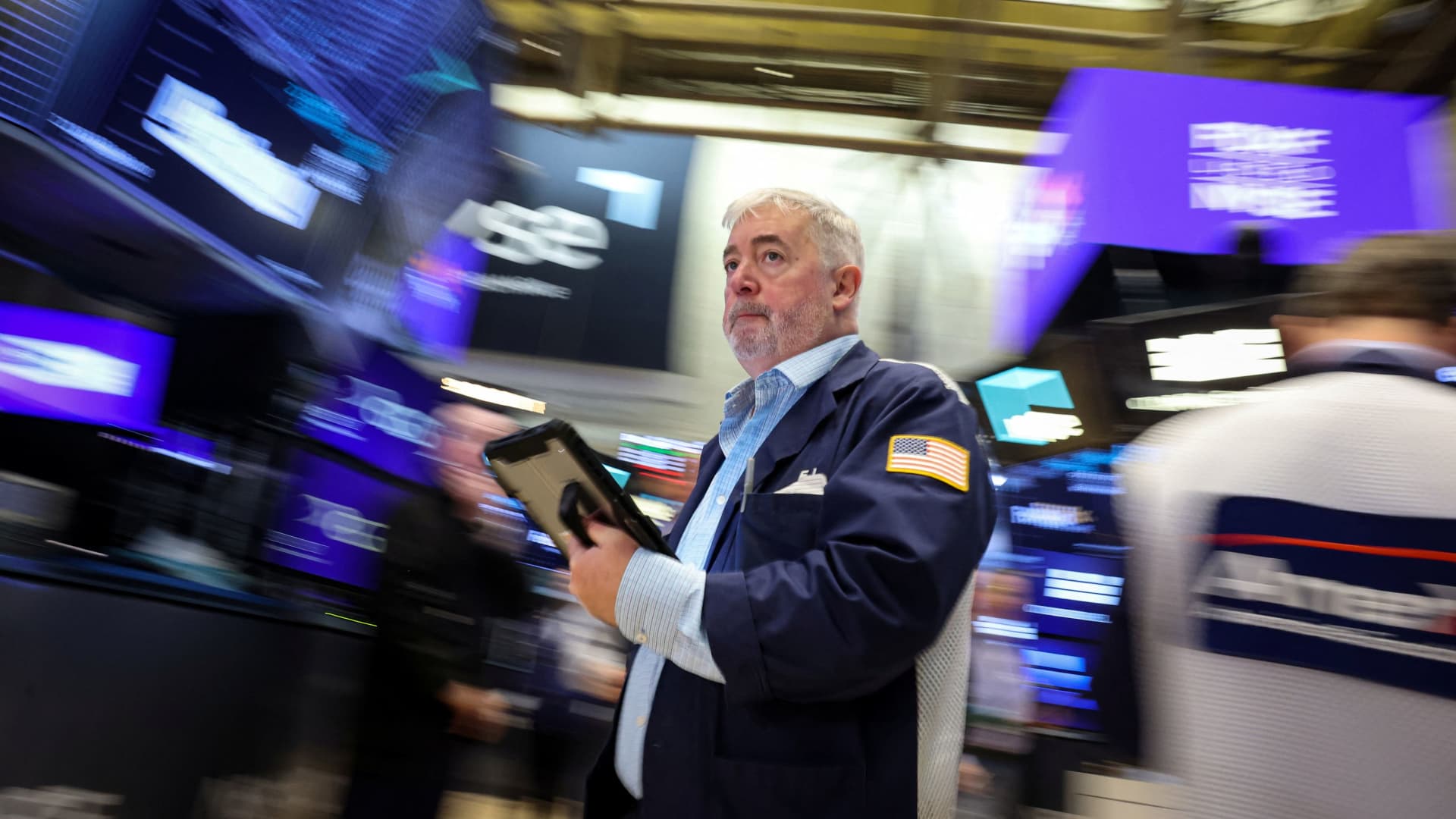
Market Optimism Drives Stock Indices to Record Highs


- Record Highs: The S&P 500 has crossed 7,600 for the first time, closing at an all-time high, reflecting market optimism around AI despite geopolitical concerns, indicating strong investor confidence in future growth.
- Economic Warning Signals: Deutsche Bank cautions that the rapid rise in stock prices does not align with an economy emerging from recession, suggesting potential market risks that investors should navigate carefully.
- AI Fundraising Wave: Goldman Sachs CEO David Solomon highlights that the market is currently in a phase of more greed than fear, anticipating a wave of massive AI equity offerings that could further increase market volatility.
- Trade Tensions: The U.S. Trade Representative has proposed additional tariffs of up to 12.5% on imports from 60 economies due to failures in banning goods produced with forced labor, which could escalate international trade tensions.
See More

China Tightens Regulations on U.S. Stock Investments


- Regulatory Tightening: China's securities regulator has intensified scrutiny on offshore brokerages, particularly targeting Tiger Brokers, Futu Holdings, and Longbridge Securities for illegal cross-border operations, indicating a strict government control over capital flows.
- Shift in Capital Flows: Analysts suggest that this policy may reduce funds flowing into U.S. ADRs, prompting more investors to turn towards Hong Kong-listed companies, especially those eligible for the Stock Connect program.
- Market Impact Assessment: Despite rising concerns over foreign access to Chinese markets, analysts broadly believe that the tightening will not materially affect global investors and liquidity, as the impacted mainland investors represent only a small portion of these platforms' client bases.
- Tech Sector Benefits: With the Chinese government pushing for the development of domestic technology firms and strategic industries, high-profile upcoming IPOs such as CXMT, Unitree, and YMTC are expected to benefit from this policy change, further advancing China's technological capabilities.
See More

Anthropic Moves Closer to IPO Amid AI Race
- Accelerated IPO Process: Anthropic has confidentially filed its IPO prospectus with the SEC, signaling a potential historic share sale that is likely to attract investors interested in the rapidly evolving AI sector, thereby enhancing the company's position in this competitive market.
- Market Conditions Impact: Anthropic stated that the timing of its IPO will depend on market conditions and other factors, reflecting the company's sensitivity to market dynamics, which could influence investor confidence and participation levels.
- Capital Expenditure Trends: Alphabet plans to fund its AI computing infrastructure investments through an $80 billion stock sale, including a $10 billion investment from Berkshire Hathaway, highlighting the commitment of major tech firms to the AI sector and its future growth potential.
- Sports Brand Collaboration: NBA star Stephen Curry has partnered with Chinese sportswear brand Li-Ning to launch Curry Brand stores in the U.S. and China, which will not only expand the global footprint of the Curry brand but also provide more resources for product development, further enhancing brand value.
See More
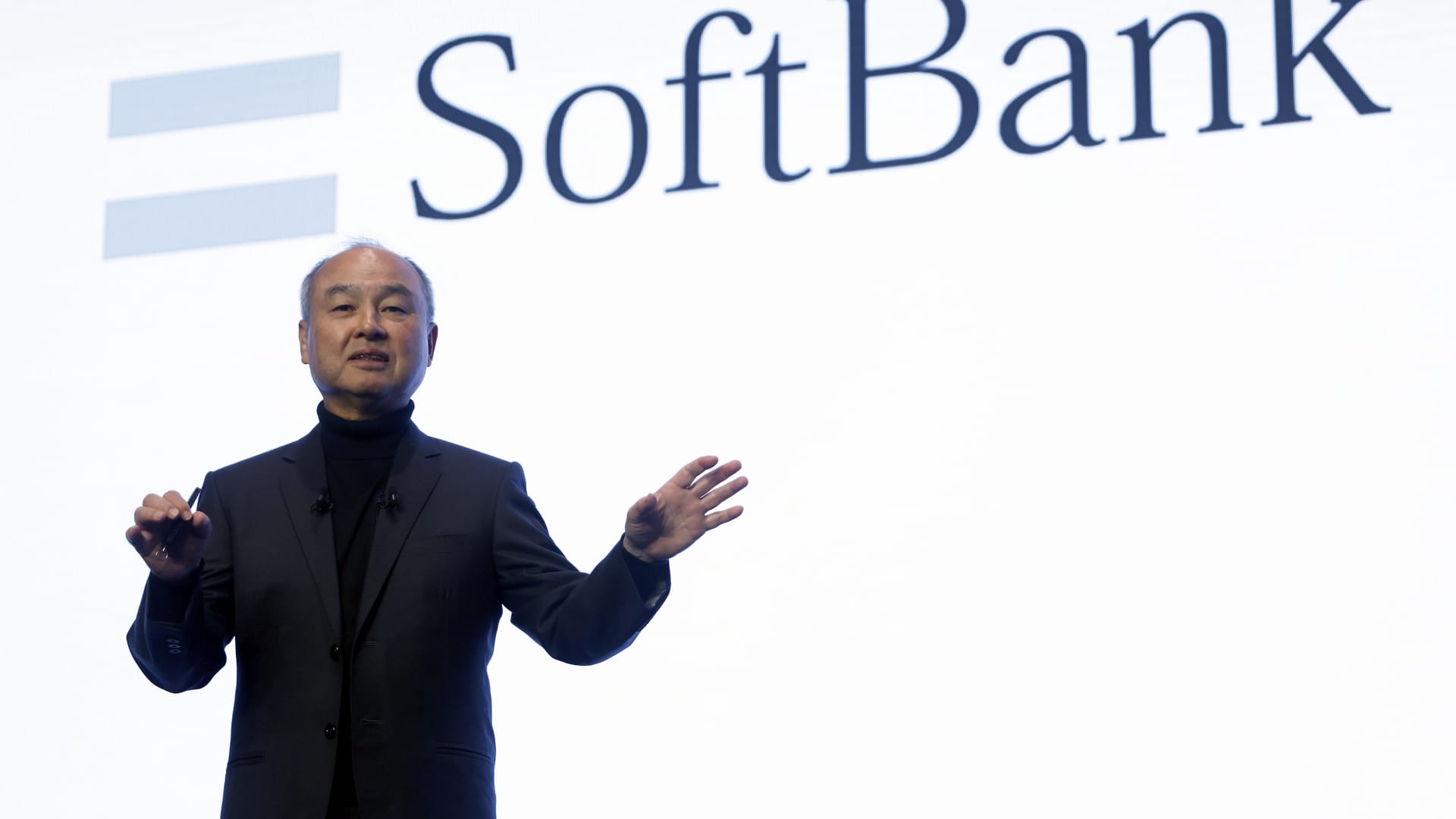
SoftBank Commits €75 Billion to AI Infrastructure in France
- SoftBank's Investment Scale: SoftBank Group announced a €75 billion commitment to AI infrastructure in France, marking its largest investment in Europe and highlighting France's leading position in AI infrastructure, which is expected to boost local economic growth.
- Positive Market Reaction: The announcement of SoftBank's investment propelled the Nikkei 225 index above 67,000 for the first time, reflecting strong market confidence in AI-related investments and further solidifying SoftBank's status as Japan's most valuable company.
- Industry Leaders Speak: CEO Masayoshi Son emphasized during an event in Tokyo that advancements in artificial intelligence will create unprecedented job opportunities, indicating the company's optimistic outlook on future technological developments, which may attract more investor interest.
- Global Market Dynamics: As oil prices rise due to escalating tensions in Iran, global markets exhibit volatility influenced by both AI advancements and geopolitical risks, prompting investors to closely monitor these factors' potential impacts on the market.
See More

U.S.-Iran Peace Agreement Close Yet Obstacles Remain
- U.S.-Iran Peace Progress: The peace agreement between the U.S. and Iran appears tantalizingly close, yet mixed messages from Washington and Tehran, along with ongoing missile strikes, present significant obstacles, as President Trump has yet to give final approval for a 60-day memorandum of understanding.
- Oil Price Volatility: Brent crude prices have fallen over 17% in May, while WTI has dropped more than 15%, significantly impacting the energy market, with forecasts indicating that oil inventories could reach record lows in the coming weeks.
- Strong Corporate Earnings: Dell's shares surged nearly 40% in after-hours trading after exceeding Wall Street's earnings forecasts and raising guidance, with analysts attributing this solid performance to Michael Dell's early efforts to foster good relations with the Trump Administration.
- Ferrari EV Launch Crisis: The launch of Ferrari's first full-electric car, the Luce, turned into a PR crisis due to overly strict security measures that disappointed investors, leading to an 8% drop in stock price the following day, although this move signifies a crucial step for the company in the electric vehicle market.
See More
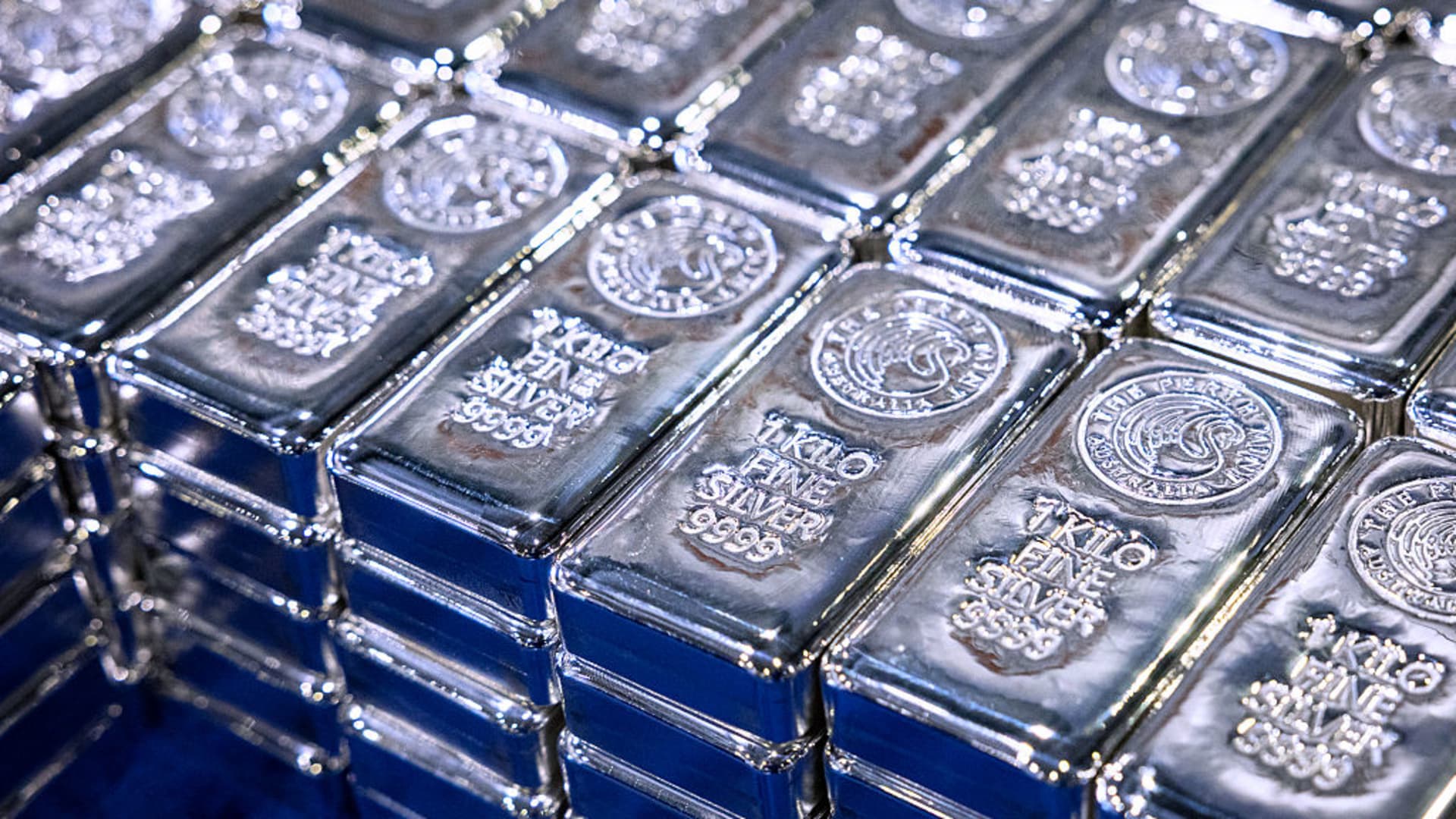
Silver Price Plunge Triggers Demand Decline

- Demand Decline Trend: Analysts indicate that after a 140% surge in silver prices in 2025, demand from various industries is beginning to wane, particularly as silver's extensive industrial applications make it more susceptible to economic cycles, potentially leading to further declines.
- Price Volatility Risk: UBS notes that silver lacks the strategic demand support from central banks, resulting in diminished investment appeal due to volatility that does not sufficiently reward investors, which may drive them towards other assets.
- Market Price Dynamics: Although silver prices have rebounded from a low of $67.60 in March 2026, current spot silver trading around $72.13 reflects a lack of confidence in the market regarding silver's future prospects.
- Uncertain Future Outlook: Analysts expect further downward pressure on silver prices as the Federal Reserve may raise interest rates in the first half of 2027, and ongoing uncertainties in the Middle East will continue to impact market volatility.
See More
Market Optimism Drives Stock Indices to Record Highs
- Record Highs: The S&P 500 has crossed 7,600 for the first time, closing at an all-time high, reflecting market optimism around AI despite geopolitical concerns, indicating strong investor confidence in future growth.
- Economic Warning Signals: Deutsche Bank cautions that the rapid rise in stock prices does not align with an economy emerging from recession, suggesting potential market risks that investors should navigate carefully.
- AI Fundraising Wave: Goldman Sachs CEO David Solomon highlights that the market is currently in a phase of more greed than fear, anticipating a wave of massive AI equity offerings that could further increase market volatility.
- Trade Tensions: The U.S. Trade Representative has proposed additional tariffs of up to 12.5% on imports from 60 economies due to failures in banning goods produced with forced labor, which could escalate international trade tensions.
See More
China Tightens Regulations on U.S. Stock Investments
- Regulatory Tightening: China's securities regulator has intensified scrutiny on offshore brokerages, particularly targeting Tiger Brokers, Futu Holdings, and Longbridge Securities for illegal cross-border operations, indicating a strict government control over capital flows.
- Shift in Capital Flows: Analysts suggest that this policy may reduce funds flowing into U.S. ADRs, prompting more investors to turn towards Hong Kong-listed companies, especially those eligible for the Stock Connect program.
- Market Impact Assessment: Despite rising concerns over foreign access to Chinese markets, analysts broadly believe that the tightening will not materially affect global investors and liquidity, as the impacted mainland investors represent only a small portion of these platforms' client bases.
- Tech Sector Benefits: With the Chinese government pushing for the development of domestic technology firms and strategic industries, high-profile upcoming IPOs such as CXMT, Unitree, and YMTC are expected to benefit from this policy change, further advancing China's technological capabilities.
See More
Anthropic Moves Closer to IPO Amid AI Race
- Accelerated IPO Process: Anthropic has confidentially filed its IPO prospectus with the SEC, signaling a potential historic share sale that is likely to attract investors interested in the rapidly evolving AI sector, thereby enhancing the company's position in this competitive market.
- Market Conditions Impact: Anthropic stated that the timing of its IPO will depend on market conditions and other factors, reflecting the company's sensitivity to market dynamics, which could influence investor confidence and participation levels.
- Capital Expenditure Trends: Alphabet plans to fund its AI computing infrastructure investments through an $80 billion stock sale, including a $10 billion investment from Berkshire Hathaway, highlighting the commitment of major tech firms to the AI sector and its future growth potential.
- Sports Brand Collaboration: NBA star Stephen Curry has partnered with Chinese sportswear brand Li-Ning to launch Curry Brand stores in the U.S. and China, which will not only expand the global footprint of the Curry brand but also provide more resources for product development, further enhancing brand value.
See More
SoftBank Commits €75 Billion to AI Infrastructure in France
- SoftBank's Investment Scale: SoftBank Group announced a €75 billion commitment to AI infrastructure in France, marking its largest investment in Europe and highlighting France's leading position in AI infrastructure, which is expected to boost local economic growth.
- Positive Market Reaction: The announcement of SoftBank's investment propelled the Nikkei 225 index above 67,000 for the first time, reflecting strong market confidence in AI-related investments and further solidifying SoftBank's status as Japan's most valuable company.
- Industry Leaders Speak: CEO Masayoshi Son emphasized during an event in Tokyo that advancements in artificial intelligence will create unprecedented job opportunities, indicating the company's optimistic outlook on future technological developments, which may attract more investor interest.
- Global Market Dynamics: As oil prices rise due to escalating tensions in Iran, global markets exhibit volatility influenced by both AI advancements and geopolitical risks, prompting investors to closely monitor these factors' potential impacts on the market.
See More
U.S.-Iran Peace Agreement Close Yet Obstacles Remain
- U.S.-Iran Peace Progress: The peace agreement between the U.S. and Iran appears tantalizingly close, yet mixed messages from Washington and Tehran, along with ongoing missile strikes, present significant obstacles, as President Trump has yet to give final approval for a 60-day memorandum of understanding.
- Oil Price Volatility: Brent crude prices have fallen over 17% in May, while WTI has dropped more than 15%, significantly impacting the energy market, with forecasts indicating that oil inventories could reach record lows in the coming weeks.
- Strong Corporate Earnings: Dell's shares surged nearly 40% in after-hours trading after exceeding Wall Street's earnings forecasts and raising guidance, with analysts attributing this solid performance to Michael Dell's early efforts to foster good relations with the Trump Administration.
- Ferrari EV Launch Crisis: The launch of Ferrari's first full-electric car, the Luce, turned into a PR crisis due to overly strict security measures that disappointed investors, leading to an 8% drop in stock price the following day, although this move signifies a crucial step for the company in the electric vehicle market.
See More
Silver Price Plunge Triggers Demand Decline
- Demand Decline Trend: Analysts indicate that after a 140% surge in silver prices in 2025, demand from various industries is beginning to wane, particularly as silver's extensive industrial applications make it more susceptible to economic cycles, potentially leading to further declines.
- Price Volatility Risk: UBS notes that silver lacks the strategic demand support from central banks, resulting in diminished investment appeal due to volatility that does not sufficiently reward investors, which may drive them towards other assets.
- Market Price Dynamics: Although silver prices have rebounded from a low of $67.60 in March 2026, current spot silver trading around $72.13 reflects a lack of confidence in the market regarding silver's future prospects.
- Uncertain Future Outlook: Analysts expect further downward pressure on silver prices as the Federal Reserve may raise interest rates in the first half of 2027, and ongoing uncertainties in the Middle East will continue to impact market volatility.
See More