

NatPower and Tesla Sign $5B Energy Storage Agreement
Written by Emily J. Thompson, Senior Investment Analyst
Updated: 1 hour ago
0mins
Source: seekingalpha
- Project Launch: NatPower and Tesla have signed an agreement to deploy 25 GWh of battery energy storage capacity in Italy and Britain, marking the initiation of a project potentially worth up to $5 billion.
- Construction Costs and Goals: The initial five projects are expected to cost between $4 billion and $5 billion, with a long-term goal of exceeding 100 GWh of storage capacity, demonstrating both companies' ambitions in the energy infrastructure sector.
- Long-term Revenue Expectations: The agreement anticipates potential revenues exceeding $15 billion over 20 years, highlighting the project's significance and profitability potential in the renewable energy market.
- Technology and Capital Alignment: NatPower CEO Fabrizio Zago stated that the partnership has created an ecosystem that can be replicated across multiple markets, addressing the challenges of timely and consistent infrastructure delivery.
Trade with 70% Backtested Accuracy
Stop guessing "Should I Buy TSLA?" and start using high-conviction signals backed by rigorous historical data.
Sign up today to access powerful investing tools and make smarter, data-driven decisions.
Analyst Views on TSLA
Wall Street analysts forecast TSLA stock price to rise
30 Analyst Rating
12 Buy
11 Hold
7 Sell
Hold
Current: 400.490

Low
25.28
Averages
401.93
High
600.00
Current: 400.490
Low
25.28
Averages
401.93
High
600.00
About TSLA
Tesla, Inc. designs, develops, manufactures, sells and leases high-performance fully electric vehicles and energy generation and storage systems, and offers services related to its products. Its segments include automotive, and energy generation and storage. The automotive segment includes the design, development, manufacturing, sales and leasing of high-performance fully electric vehicles, and sales of automotive regulatory credits. It also includes sales of used vehicles, non-warranty maintenance services and collisions, part sales, paid supercharging, insurance services revenue and retail merchandise sales. The energy generation and storage segment include the design, manufacture, installation, sales and leasing of solar energy generation and energy storage products and related services and sales of solar energy systems incentives. Its consumer vehicles include the Model 3, Y, S, X and Cybertruck. Its lithium-ion battery energy storage products include Powerwall and Megapack.
About the author

Emily J. Thompson
Emily J. Thompson, a Chartered Financial Analyst (CFA) with 12 years in investment research, graduated with honors from the Wharton School. Specializing in industrial and technology stocks, she provides in-depth analysis for Intellectia’s earnings and market brief reports.
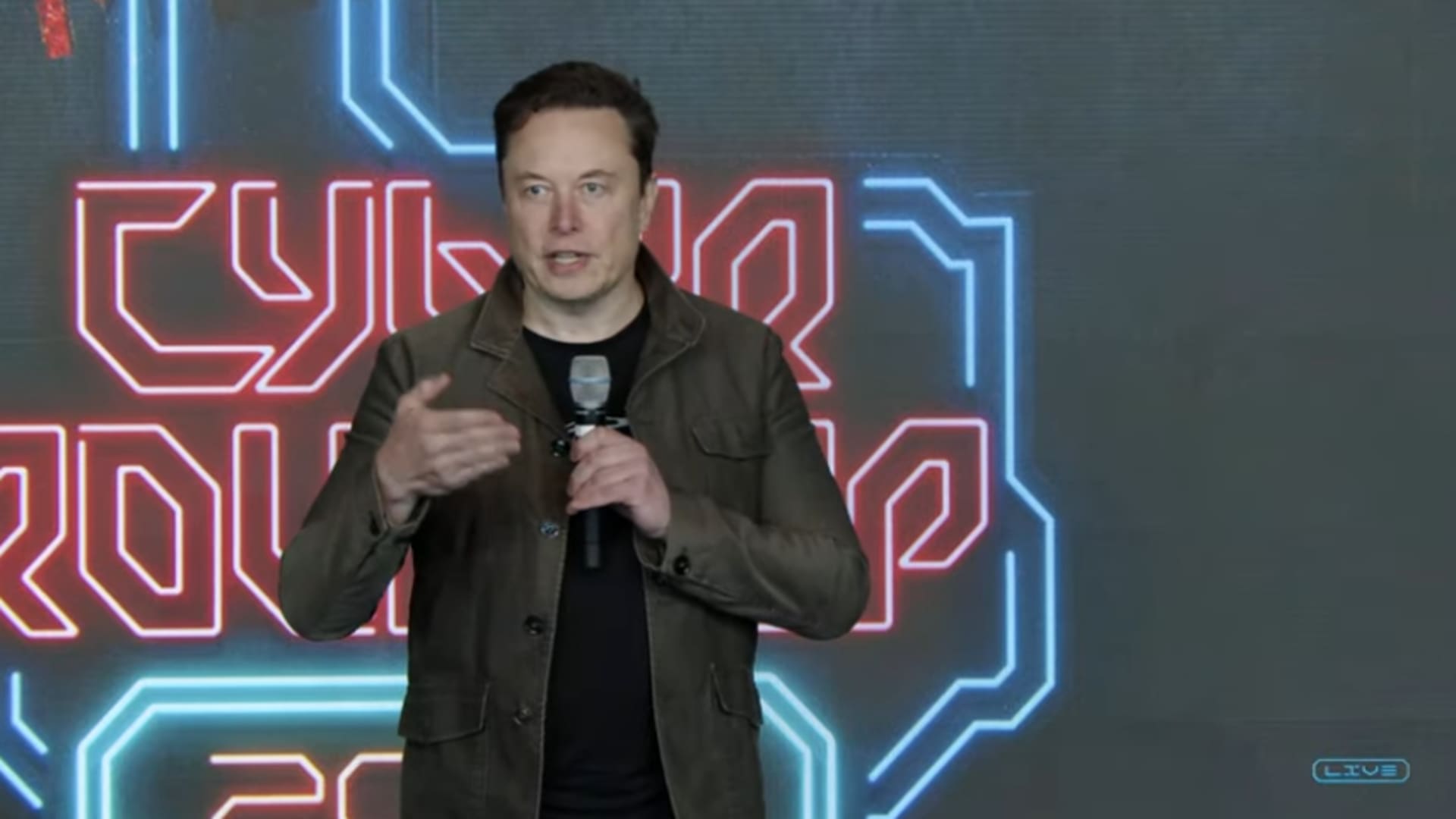
Tesla's New Product Platforms Generate Investor Excitement

- Declining EV Sales: Tesla delivered 1.79 million electric vehicles in 2024, reflecting a 1% decline year-over-year, with deliveries dropping further to 1.63 million in 2025, a 9% decrease, significantly impacting financial results as EV sales account for over 70% of total revenue.
- Quarterly Growth Expectations: Despite sales challenges, Tesla is projected to deliver 400,000 EVs in Q2 2026, marking the second consecutive quarter of growth; achieving this target could alleviate market concerns regarding its long-term growth trajectory.
- Increased Competitive Pressure: With Geely Automotive's New Energy Vehicle sales soaring by 90% to nearly 1.7 million units in 2025, Tesla faces intensified competition, particularly in Europe, where Geely's expansion plans may further erode Tesla's market share.
- Future Product Potential: Although Tesla's P/E ratio stands at a staggering 366, significantly higher than the Nasdaq-100's 34.4, many investors remain optimistic about new products like the Cybercab and Optimus, which are expected to generate substantial revenue potential, especially with Optimus slated for mass production by the end of 2026.
See More
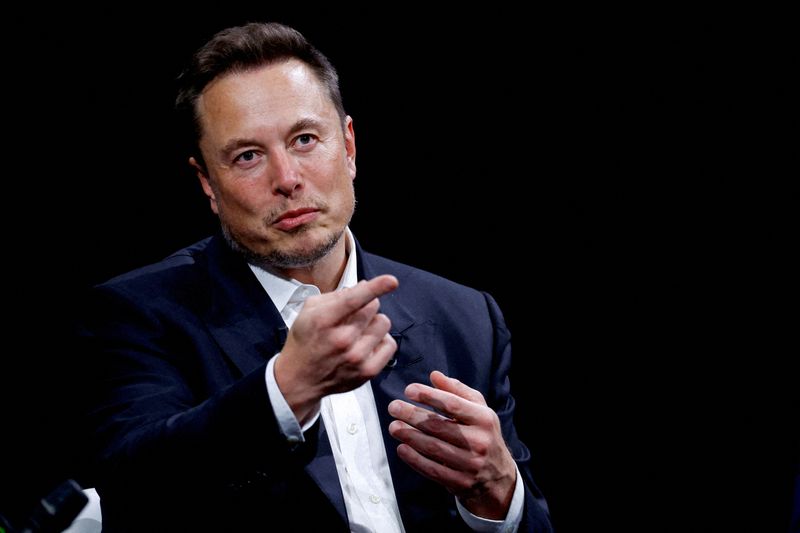
SpaceX Faces Stock Volatility Risks Post-IPO
- Overvaluation Risk: SpaceX's current stock price trades at a staggering 125 times earnings, significantly above the S&P 500's average of 3.7, indicating that investor expectations for future growth may be overly optimistic, potentially leading to a price correction.
- Lockup Period Impact: With insiders restricted from selling shares, significant stock price volatility is expected in the coming months, particularly after the second-quarter earnings release, when a flood of new shares could enter the market, exacerbating price fluctuations.
- Continued Massive Losses: SpaceX reported losses of $4.9 billion in 2025 and $4.3 billion in Q1 2026, with management anticipating increased capital expenditures and operating expenses, suggesting that the company may remain unprofitable for an extended period unless revenue growth improves significantly.
- Intensifying Market Competition: While SpaceX leads in the aerospace sector, increasing competition and the majority of its market opportunities being in the AI sector may weaken its economic moat in space, raising investment risks.
See More
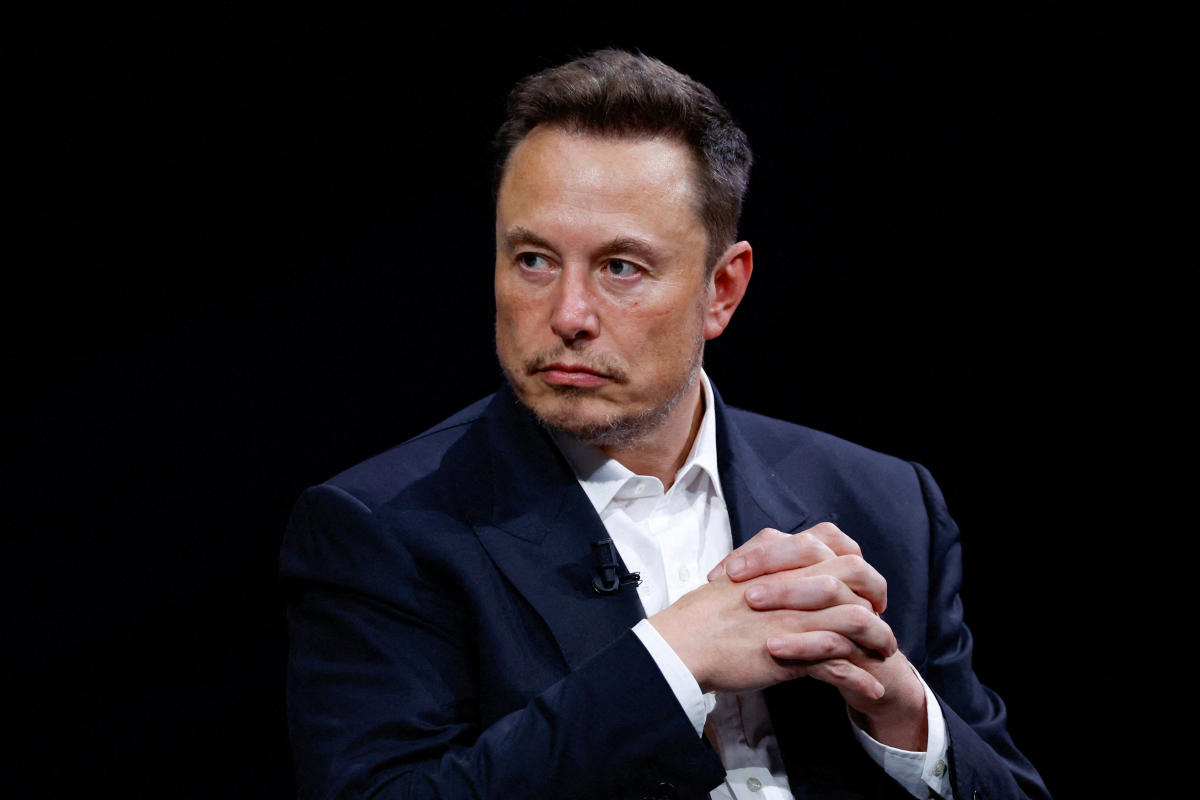
Tesla-SpaceX Merger Sparks Valuation Debate

- Merger Valuation Impact: Analysts suggest that a merger between Tesla and SpaceX may imply that Elon Musk does not believe FSD and Optimus are worth trillions, negatively affecting Tesla's future valuation prospects.
- Stock Price Fluctuation: Tesla shares fell over 3% in pre-market trading on Tuesday, reflecting market concerns about the merger's implications and a shift in focus away from its core business.
- Market Sentiment Shift: Jefferies lowered Tesla's price target to $375, warning that merger expectations could divert investor attention from Tesla to SpaceX, leading to a misalignment between Tesla's valuation and its financial outlook.
- Retail Investor Sentiment: Retail sentiment on Stocktwits has turned extremely bearish, with many users suggesting that if the merger occurs, the market cap could reach several trillions, indicating strong expectations and anxiety about the future.
See More

Nasdaq 100 Index Set to Lose Over $1 Trillion in Market Value

- Market Value Decline: The Nasdaq 100 index is on track to erase over $1 trillion in market value, primarily due to the sharp declines in technology giants and chip stocks, reflecting growing concerns about the future economic outlook.
- SpaceX Market Cap Drop: SpaceX's market capitalization has fallen below $2 trillion for the first time, losing over $600 billion in the past three sessions, with a current valuation of $1.95 trillion, indicating a waning momentum from its post-IPO rally.
- Chipmakers Hit Hard: Intel and AMD saw declines of 6.8% and 5.2% respectively, while memory chipmakers like Micron and Western Digital also faced significant losses, highlighting the increasing risks associated with AI-related investments.
- Rate Hike Expectations Affect Sentiment: The market's expectation of a 50 basis point rate hike by the Federal Reserve has intensified, leading to a decrease in investor risk appetite for tech stocks, further exacerbating market volatility.
See More

NatPower and Tesla Sign $5B Energy Storage Agreement
- Project Launch: NatPower and Tesla have signed an agreement to deploy 25 GWh of battery energy storage capacity in Italy and Britain, marking the initiation of a project potentially worth up to $5 billion.
- Construction Costs and Goals: The initial five projects are expected to cost between $4 billion and $5 billion, with a long-term goal of exceeding 100 GWh of storage capacity, demonstrating both companies' ambitions in the energy infrastructure sector.
- Long-term Revenue Expectations: The agreement anticipates potential revenues exceeding $15 billion over 20 years, highlighting the project's significance and profitability potential in the renewable energy market.
- Technology and Capital Alignment: NatPower CEO Fabrizio Zago stated that the partnership has created an ecosystem that can be replicated across multiple markets, addressing the challenges of timely and consistent infrastructure delivery.
See More
SpaceX Becomes One of World's Most Valuable Companies Post-IPO

- IPO Valuation Surge: SpaceX debuted on June 12 as the largest IPO in history, achieving a market cap exceeding $2.43 trillion, quickly becoming the sixth most valuable company globally, reflecting high market expectations for its future potential.
- Valuation Risk: Despite the hype surrounding its IPO, SpaceX's price-to-sales (P/S) ratio stands at 130.2, significantly higher than Amazon's 36.5 and Tesla's 9, indicating a substantial bubble that could lead to severe price volatility in the future.
- Lack of Profitability: With a reported loss of $4.94 billion in 2025, SpaceX's current high valuation does not align with its profitability, necessitating cautious risk assessment from investors despite its perceived growth potential.
- Market Volatility: Following its first week of trading, SpaceX's stock fell by 16%, highlighting its vulnerability under high valuation; analysts recommend investing through ETFs to mitigate the risks associated with direct stock ownership.
See More
Tesla's New Product Platforms Generate Investor Excitement
- Declining EV Sales: Tesla delivered 1.79 million electric vehicles in 2024, reflecting a 1% decline year-over-year, with deliveries dropping further to 1.63 million in 2025, a 9% decrease, significantly impacting financial results as EV sales account for over 70% of total revenue.
- Quarterly Growth Expectations: Despite sales challenges, Tesla is projected to deliver 400,000 EVs in Q2 2026, marking the second consecutive quarter of growth; achieving this target could alleviate market concerns regarding its long-term growth trajectory.
- Increased Competitive Pressure: With Geely Automotive's New Energy Vehicle sales soaring by 90% to nearly 1.7 million units in 2025, Tesla faces intensified competition, particularly in Europe, where Geely's expansion plans may further erode Tesla's market share.
- Future Product Potential: Although Tesla's P/E ratio stands at a staggering 366, significantly higher than the Nasdaq-100's 34.4, many investors remain optimistic about new products like the Cybercab and Optimus, which are expected to generate substantial revenue potential, especially with Optimus slated for mass production by the end of 2026.
See More
SpaceX Faces Stock Volatility Risks Post-IPO
- Overvaluation Risk: SpaceX's current stock price trades at a staggering 125 times earnings, significantly above the S&P 500's average of 3.7, indicating that investor expectations for future growth may be overly optimistic, potentially leading to a price correction.
- Lockup Period Impact: With insiders restricted from selling shares, significant stock price volatility is expected in the coming months, particularly after the second-quarter earnings release, when a flood of new shares could enter the market, exacerbating price fluctuations.
- Continued Massive Losses: SpaceX reported losses of $4.9 billion in 2025 and $4.3 billion in Q1 2026, with management anticipating increased capital expenditures and operating expenses, suggesting that the company may remain unprofitable for an extended period unless revenue growth improves significantly.
- Intensifying Market Competition: While SpaceX leads in the aerospace sector, increasing competition and the majority of its market opportunities being in the AI sector may weaken its economic moat in space, raising investment risks.
See More
Tesla-SpaceX Merger Sparks Valuation Debate
- Merger Valuation Impact: Analysts suggest that a merger between Tesla and SpaceX may imply that Elon Musk does not believe FSD and Optimus are worth trillions, negatively affecting Tesla's future valuation prospects.
- Stock Price Fluctuation: Tesla shares fell over 3% in pre-market trading on Tuesday, reflecting market concerns about the merger's implications and a shift in focus away from its core business.
- Market Sentiment Shift: Jefferies lowered Tesla's price target to $375, warning that merger expectations could divert investor attention from Tesla to SpaceX, leading to a misalignment between Tesla's valuation and its financial outlook.
- Retail Investor Sentiment: Retail sentiment on Stocktwits has turned extremely bearish, with many users suggesting that if the merger occurs, the market cap could reach several trillions, indicating strong expectations and anxiety about the future.
See More
Nasdaq 100 Index Set to Lose Over $1 Trillion in Market Value
- Market Value Decline: The Nasdaq 100 index is on track to erase over $1 trillion in market value, primarily due to the sharp declines in technology giants and chip stocks, reflecting growing concerns about the future economic outlook.
- SpaceX Market Cap Drop: SpaceX's market capitalization has fallen below $2 trillion for the first time, losing over $600 billion in the past three sessions, with a current valuation of $1.95 trillion, indicating a waning momentum from its post-IPO rally.
- Chipmakers Hit Hard: Intel and AMD saw declines of 6.8% and 5.2% respectively, while memory chipmakers like Micron and Western Digital also faced significant losses, highlighting the increasing risks associated with AI-related investments.
- Rate Hike Expectations Affect Sentiment: The market's expectation of a 50 basis point rate hike by the Federal Reserve has intensified, leading to a decrease in investor risk appetite for tech stocks, further exacerbating market volatility.
See More
NatPower and Tesla Sign $5B Energy Storage Agreement
- Project Launch: NatPower and Tesla have signed an agreement to deploy 25 GWh of battery energy storage capacity in Italy and Britain, marking the initiation of a project potentially worth up to $5 billion.
- Construction Costs and Goals: The initial five projects are expected to cost between $4 billion and $5 billion, with a long-term goal of exceeding 100 GWh of storage capacity, demonstrating both companies' ambitions in the energy infrastructure sector.
- Long-term Revenue Expectations: The agreement anticipates potential revenues exceeding $15 billion over 20 years, highlighting the project's significance and profitability potential in the renewable energy market.
- Technology and Capital Alignment: NatPower CEO Fabrizio Zago stated that the partnership has created an ecosystem that can be replicated across multiple markets, addressing the challenges of timely and consistent infrastructure delivery.
See More
SpaceX Becomes One of World's Most Valuable Companies Post-IPO
- IPO Valuation Surge: SpaceX debuted on June 12 as the largest IPO in history, achieving a market cap exceeding $2.43 trillion, quickly becoming the sixth most valuable company globally, reflecting high market expectations for its future potential.
- Valuation Risk: Despite the hype surrounding its IPO, SpaceX's price-to-sales (P/S) ratio stands at 130.2, significantly higher than Amazon's 36.5 and Tesla's 9, indicating a substantial bubble that could lead to severe price volatility in the future.
- Lack of Profitability: With a reported loss of $4.94 billion in 2025, SpaceX's current high valuation does not align with its profitability, necessitating cautious risk assessment from investors despite its perceived growth potential.
- Market Volatility: Following its first week of trading, SpaceX's stock fell by 16%, highlighting its vulnerability under high valuation; analysts recommend investing through ETFs to mitigate the risks associated with direct stock ownership.
See More





