

Nasdaq Declines Despite Strong Micron Earnings Report


The major averages had a mixed but mostly unchanged session, with the Nasdaq leading the way lower even after a strong Micron earnings report. Investors had started questioning whether the AI trade was losing momentum, but the latest chip demand signals are pushing the narrative back toward continued infrastructure expansion.Meanwhile, The Wall Street Journal reported that Iran has attacked a Singapore-flagged cargo ship traveling through the Strait of Hormuz. The attack inflicted damage on the ship's bridge but left no casualties, according to U.K. Maritime Trade Operations.Get caught up quickly on the top news and calls moving stocks with these five Top Five lists.1. STOCK NEWS:Micronreportedand provided upbeat Q4 earnings guidanceQualcommraised its FY29Multiple big banks, including JPMorgan, Goldman Sachs, and Wells Fargo, announced new capital return plans, such as higher dividends and share buybacks, after theits stress test confirms large banks are "well positioned" for a severe recession scenarioMerck KGaABio-Technefor $73 per share in cashAppleis raising prices on2. WALL STREET CALLS:Qualcommto Equal Weight at Morgan Stanley after investor day forecastsPVH Corp.to Underperform at BofA on high EMEA exposureIntelwith a Neutral at Goldman SachsBarclaysKeurig Dr Pepperon upside into separationMorgan StanleyAffirmto Equal Weight on "valuation call"3. AROUND THE WEB:Appleis planning a major shift in its Mac chip roadmap by launching a base M6 chip for entry-level Macs as early as this year while skipping M6 Pro and Max variants, Bloomberg reportsSonoswill cut an additional 3% of its workforce, Bloomberg saysKalshi is in discussions to raise new funding at an approximately $40B valuation and could close the round as early as the third quarter of this year as it expands prediction market offerings and competes more directly with major derivatives and gambling companies, FT reportsAccording to a letter from the U.S. FDA, Amgen'sChemoCentryx personnel "manipulated" study data to make Tavneos, a pill made to treat a rare blood vessel disorder, appear more effective, Bloomberg saysBlue Owl Capitalis in advanced talks to buy a minority stake in the NBA's Cleveland Cavaliers through the private equity firm's Blue Owl's Dyal HomeCourt Partners fund, Bloomberg says4. MOVERS:BlackBerryincreases in New York afterand providing guidance for Q2 and FY27Kymera Therapeuticsgains afterfor its BROADEN2 trialAtaiBeckleyhigher afterit will be added to the Russell 2000 and Russell 3000 Indexes at open on June 29Trip.comlower in New York afterand providing guidance for Q2Hive Digitalfalls after announcing a private offering ofdue 20315. EARNINGS/GUIDANCE:McCormickand backed its guidance for FY26Commercial Metals, with CEO Peter Matt commenting, "We continued to make great progress on our strategic agenda across a number of fronts"TD Synnexand provided guidance for Q3Acuity Brands, with CEO Neil Ashe commenting, "We demonstrated solid execution in our third quarter of fiscal 2026"Winnebago, with EPS and revenue missing consensusINDEXES:The Dow rose 71.72, or 0.14%, to 51,920.62, the Nasdaq lost 118.03, or 0.46%, to 25,358.60, and the S&P 500 declined 0.73, or 0.0099%%, to 7,357.49.
Trade with 70% Backtested Accuracy
Analyst Views on AAPL

About AAPL
About the author

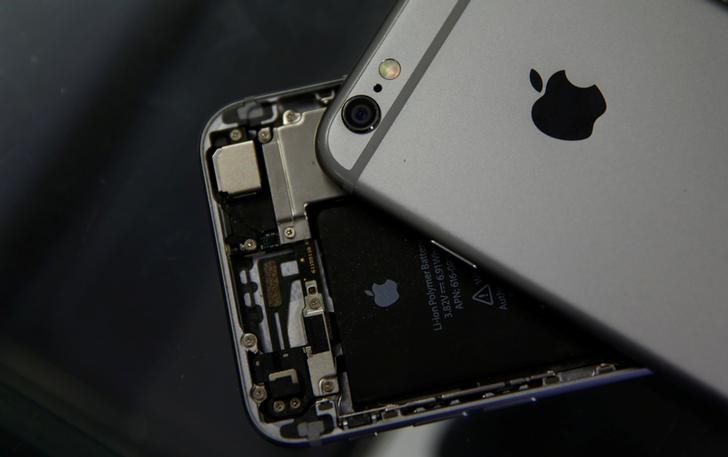
Apple's App Store Revenue Growth Slows

- App Store Revenue Growth: According to Morgan Stanley's data, Apple's App Store net revenue growth is at 2.4% year-over-year as of June 22, reflecting an 80bps deceleration from May, which could lead to a downward adjustment of approximately $130 million in Services revenue growth expectations.
- Services Segment Performance: Despite the slowdown in App Store growth, Apple's overall Services segment remains robust, with revenue growth rates sustained at 14-16% over the past three quarters, significantly exceeding the long-term expectation of 11-14%, indicating strong demand for services like iCloud and AppleCare.
- iPhone Production Forecast: Morgan Stanley forecasts 54 million iPhone builds in Q3 2026, suggesting flat or slightly declining production year-over-year for the second half of 2026, which aligns with expectations following a 12% increase in the first half of the year.
- iPhone 18 Pricing Strategy: The iPhone 18 family is expected to be priced about $100 higher than the iPhone 17, which Morgan Stanley believes may impact consumer demand but could also boost Apple's overall earnings in the short term.
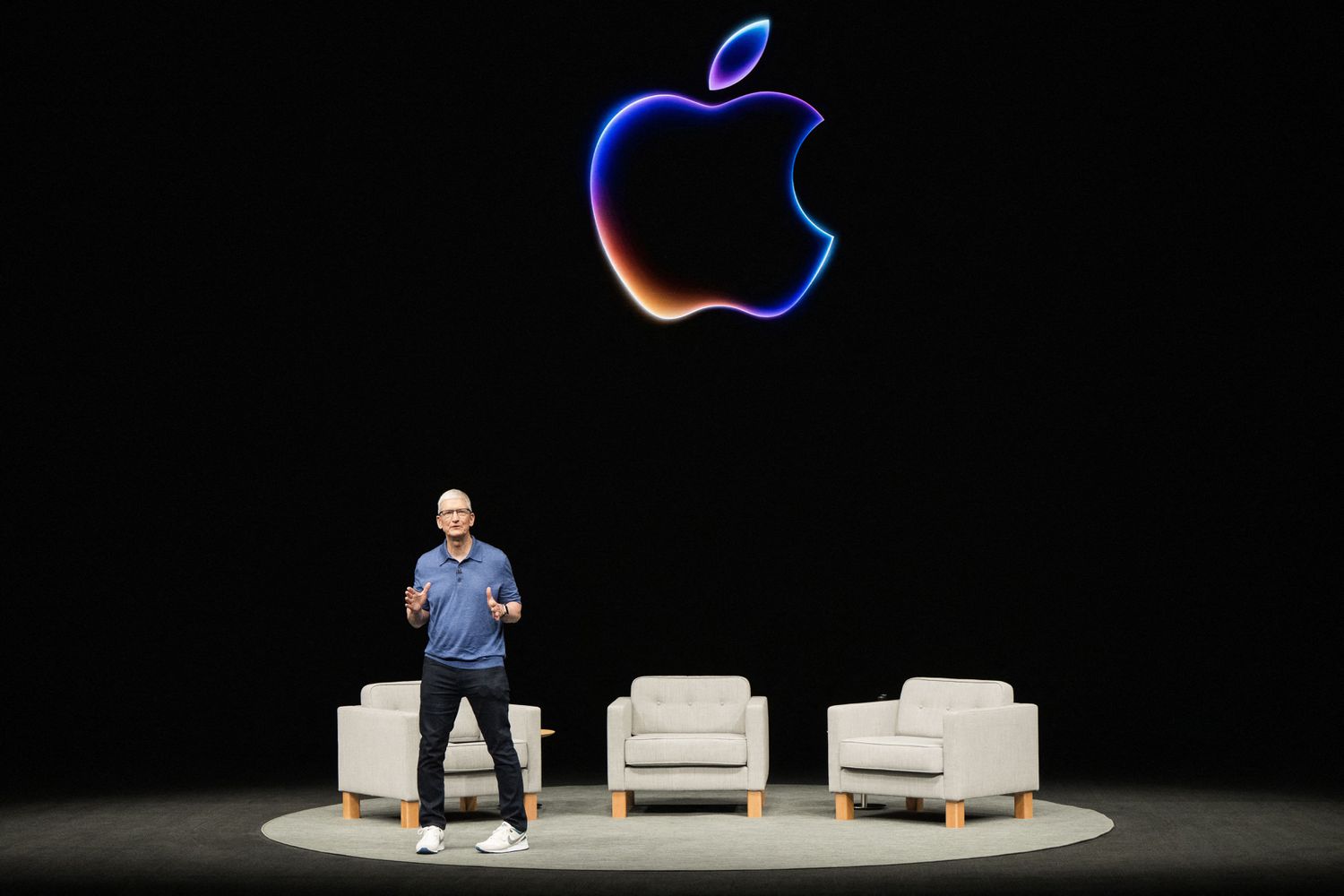
Apple Raises Device Prices Due to Memory Shortage
- Price Increases: Apple has raised the starting price of the MacBook Neo from $599 to $699 and the iPad Pro from $999 to $1,199, indicating significant cost pressures due to memory shortages that may affect consumer purchasing decisions.
- Multiple Product Adjustments: In addition to the MacBook Neo and iPad Pro, prices for the iPad Air, MacBook Pro, HomePod, HomePod mini, and Apple TV have also increased, reflecting Apple's struggle to cope with surging demand for memory and storage chips amid ongoing supply constraints.
- Market Reaction: Apple's shares fell 0.7% in premarket trading, indicating investor concerns over the price hikes, especially with the expectation that the upcoming iPhone lineup may also see price increases, leading to cautious market sentiment.
- CEO Statement: CEO Tim Cook stated in an interview that despite efforts to mitigate cost pressures, price increases have become unavoidable due to memory shortages, which could impact the company's long-term profitability.

Apple's Significant Price Hike Triggers Stock Plunge
- Price Increase Impact: Apple raised prices on nearly all its products by $100 to $300, resulting in a 6.41% drop in stock price, marking the worst single-day decline in over a year, indicating market concerns about its profitability.
- Memory Chip Shortage: The surge in AI spending has led to a staggering 90% increase in contract prices for memory chips in Q1 2026 and another 60% in Q2, forcing Apple to raise prices to protect its profit margins amid unprecedented cost pressures.
- Margin Risk: While price hikes could help maintain Apple's high profit margins, concerns about future demand are heightened, especially since the iPhone, which was not subject to price increases, could see reduced consumer interest, impacting overall sales performance.
- Future Outlook: Apple is expected to launch new iPhone models this fall, with research firms estimating that the memory crunch could add about $200 in component costs per device, and any subsequent price increases could have a more significant market impact, testing Apple's pricing power and consumer response.
Apple Implements Major Price Increases Amid Chip Shortage, Stock Drops
- Price Increases: Apple has raised prices on nearly all Macs, iPads, HomePods, and Apple TVs by $100 to $1,300, with the M5 MacBook Pro starting at $1,999 after a $300 increase, and the Mac Studio seeing a $1,300 hike, resulting in a 6% drop in stock price in a single day.
- Memory Chip Shortage: The surge in demand for memory chips driven by AI data centers has led to a staggering 90% increase in contract prices for DRAM in Q1 2026 and another 60% in Q2, causing Apple's component costs to soar to four times what they were three quarters ago, forcing the company to raise prices to protect its profit margins.
- Margin Risk: Despite a 17% year-over-year revenue increase to $111.2 billion and a gross margin of 49.3% in Q2 2026, the price hikes could dampen consumer demand, particularly since the iPhone, which accounts for about half of Apple's revenue, has not yet seen a price adjustment, indicating potential future cost pressures.
- Market Reaction Expectations: Analysts estimate that new iPhone models could incur an additional $200 in component costs, and if Apple raises iPhone prices, it could have a more significant impact on the market; investors should monitor consumer reactions to these price increases to assess future sales performance.

Global Tech Sell-off Deepens Amid Oil Price Fluctuations


- Tech Stock Plunge: The global tech sell-off deepens with South Korea's KOSPI index plummeting over 8%, triggering a 20-minute trading halt, highlighting investor panic over rising AI infrastructure costs and exacerbating market volatility.
- Price Increases by Apple and Microsoft: Apple announced a 6% price hike on iPads and MacBooks, while Microsoft raised Xbox console prices due to soaring component costs, indicating significant pressure on the tech sector that may dampen consumer demand.
- Oil Price Decline: Crude oil prices are falling despite a vessel attack in the Strait of Hormuz, reflecting market concerns over supply chain security, with OPEC facing the risk of Iraq potentially exiting the cartel, adding to market uncertainty.
- Impact of European Heatwave: Europe is experiencing a record-breaking heatwave, leading to gains in air conditioning and building efficiency stocks, which indicates the long-term growth potential for these sectors amid extreme weather conditions.

Apple Shares Plunge Over 6% After Price Hikes Announcement
- Price Hike Impact: Apple announced price increases on MacBooks and iPads, with the MacBook Neo rising from $599 to $699 and the MacBook Air 512GB from $1099 to $1299, resulting in a more than 6% drop in stock price in a single day, indicating market sensitivity to rising costs.
- Product Line Adjustments: The iPad Air 128GB price increased from $599 to $749, and the iPad Pro Wifi 256GB from $999 to $1199, reflecting Apple's strategic adjustments in response to soaring component costs, which may influence consumer purchasing decisions.
- Future Price Increase Expectations: Apple stated it has reached a point where it needs to raise prices on several products, with analysts predicting potential increases of $150 to $200, particularly on higher-memory configurations, which could further impact Apple's market competitiveness.
- Cost Pressure Analysis: Tarun Pathak, research director at Counterpoint Research, estimates that rising component costs could add approximately $200 per iPhone, significantly affecting Apple's profitability and potentially leading to an overall decline in profits.
Apple's App Store Revenue Growth Slows
- App Store Revenue Growth: According to Morgan Stanley's data, Apple's App Store net revenue growth is at 2.4% year-over-year as of June 22, reflecting an 80bps deceleration from May, which could lead to a downward adjustment of approximately $130 million in Services revenue growth expectations.
- Services Segment Performance: Despite the slowdown in App Store growth, Apple's overall Services segment remains robust, with revenue growth rates sustained at 14-16% over the past three quarters, significantly exceeding the long-term expectation of 11-14%, indicating strong demand for services like iCloud and AppleCare.
- iPhone Production Forecast: Morgan Stanley forecasts 54 million iPhone builds in Q3 2026, suggesting flat or slightly declining production year-over-year for the second half of 2026, which aligns with expectations following a 12% increase in the first half of the year.
- iPhone 18 Pricing Strategy: The iPhone 18 family is expected to be priced about $100 higher than the iPhone 17, which Morgan Stanley believes may impact consumer demand but could also boost Apple's overall earnings in the short term.
Apple Raises Device Prices Due to Memory Shortage
- Price Increases: Apple has raised the starting price of the MacBook Neo from $599 to $699 and the iPad Pro from $999 to $1,199, indicating significant cost pressures due to memory shortages that may affect consumer purchasing decisions.
- Multiple Product Adjustments: In addition to the MacBook Neo and iPad Pro, prices for the iPad Air, MacBook Pro, HomePod, HomePod mini, and Apple TV have also increased, reflecting Apple's struggle to cope with surging demand for memory and storage chips amid ongoing supply constraints.
- Market Reaction: Apple's shares fell 0.7% in premarket trading, indicating investor concerns over the price hikes, especially with the expectation that the upcoming iPhone lineup may also see price increases, leading to cautious market sentiment.
- CEO Statement: CEO Tim Cook stated in an interview that despite efforts to mitigate cost pressures, price increases have become unavoidable due to memory shortages, which could impact the company's long-term profitability.
Apple's Significant Price Hike Triggers Stock Plunge
- Price Increase Impact: Apple raised prices on nearly all its products by $100 to $300, resulting in a 6.41% drop in stock price, marking the worst single-day decline in over a year, indicating market concerns about its profitability.
- Memory Chip Shortage: The surge in AI spending has led to a staggering 90% increase in contract prices for memory chips in Q1 2026 and another 60% in Q2, forcing Apple to raise prices to protect its profit margins amid unprecedented cost pressures.
- Margin Risk: While price hikes could help maintain Apple's high profit margins, concerns about future demand are heightened, especially since the iPhone, which was not subject to price increases, could see reduced consumer interest, impacting overall sales performance.
- Future Outlook: Apple is expected to launch new iPhone models this fall, with research firms estimating that the memory crunch could add about $200 in component costs per device, and any subsequent price increases could have a more significant market impact, testing Apple's pricing power and consumer response.
Apple Implements Major Price Increases Amid Chip Shortage, Stock Drops
- Price Increases: Apple has raised prices on nearly all Macs, iPads, HomePods, and Apple TVs by $100 to $1,300, with the M5 MacBook Pro starting at $1,999 after a $300 increase, and the Mac Studio seeing a $1,300 hike, resulting in a 6% drop in stock price in a single day.
- Memory Chip Shortage: The surge in demand for memory chips driven by AI data centers has led to a staggering 90% increase in contract prices for DRAM in Q1 2026 and another 60% in Q2, causing Apple's component costs to soar to four times what they were three quarters ago, forcing the company to raise prices to protect its profit margins.
- Margin Risk: Despite a 17% year-over-year revenue increase to $111.2 billion and a gross margin of 49.3% in Q2 2026, the price hikes could dampen consumer demand, particularly since the iPhone, which accounts for about half of Apple's revenue, has not yet seen a price adjustment, indicating potential future cost pressures.
- Market Reaction Expectations: Analysts estimate that new iPhone models could incur an additional $200 in component costs, and if Apple raises iPhone prices, it could have a more significant impact on the market; investors should monitor consumer reactions to these price increases to assess future sales performance.
Global Tech Sell-off Deepens Amid Oil Price Fluctuations
- Tech Stock Plunge: The global tech sell-off deepens with South Korea's KOSPI index plummeting over 8%, triggering a 20-minute trading halt, highlighting investor panic over rising AI infrastructure costs and exacerbating market volatility.
- Price Increases by Apple and Microsoft: Apple announced a 6% price hike on iPads and MacBooks, while Microsoft raised Xbox console prices due to soaring component costs, indicating significant pressure on the tech sector that may dampen consumer demand.
- Oil Price Decline: Crude oil prices are falling despite a vessel attack in the Strait of Hormuz, reflecting market concerns over supply chain security, with OPEC facing the risk of Iraq potentially exiting the cartel, adding to market uncertainty.
- Impact of European Heatwave: Europe is experiencing a record-breaking heatwave, leading to gains in air conditioning and building efficiency stocks, which indicates the long-term growth potential for these sectors amid extreme weather conditions.
Apple Shares Plunge Over 6% After Price Hikes Announcement
- Price Hike Impact: Apple announced price increases on MacBooks and iPads, with the MacBook Neo rising from $599 to $699 and the MacBook Air 512GB from $1099 to $1299, resulting in a more than 6% drop in stock price in a single day, indicating market sensitivity to rising costs.
- Product Line Adjustments: The iPad Air 128GB price increased from $599 to $749, and the iPad Pro Wifi 256GB from $999 to $1199, reflecting Apple's strategic adjustments in response to soaring component costs, which may influence consumer purchasing decisions.
- Future Price Increase Expectations: Apple stated it has reached a point where it needs to raise prices on several products, with analysts predicting potential increases of $150 to $200, particularly on higher-memory configurations, which could further impact Apple's market competitiveness.
- Cost Pressure Analysis: Tarun Pathak, research director at Counterpoint Research, estimates that rising component costs could add approximately $200 per iPhone, significantly affecting Apple's profitability and potentially leading to an overall decline in profits.




