NASA Revamps Space Exploration Plans Under Jared Isaacman
Written by Emily J. Thompson, Senior Investment Analyst
Updated: 10 hours ago
0mins

Source: NASDAQ.COM
- Artemis Program Relaunch: NASA is set to implement the Artemis program over the next five years, with phase one costing $10 billion and involving at least 30 robotic lunar missions, culminating in a crewed moon landing in 2028, marking a significant return to lunar exploration for the U.S.
- Private Space Station Development: NASA plans to support private companies in building commercial space stations, with a government-owned core module to be attached to the existing International Space Station, ensuring safety before allowing independent operations, thus advancing the commercialization of low Earth orbit.
- Nuclear Spacecraft Initiative: NASA aims to launch the first nuclear-powered interplanetary spacecraft, Space Reactor-1 Freedom, in 2028, equipped with a 25-kilowatt nuclear reactor to explore Mars, showcasing NASA's innovative direction in space technology.
- International Collaboration and Infrastructure: In phases two and three of the Artemis program, NASA will collaborate with international partners to build lunar infrastructure, with total costs projected to reach $20 billion, laying a solid foundation for future lunar exploration.
Trade with 70% Backtested Accuracy
Stop guessing "Should I Buy BA?" and start using high-conviction signals backed by rigorous historical data.
Sign up today to access powerful investing tools and make smarter, data-driven decisions.
Analyst Views on BA
Wall Street analysts forecast BA stock price to rise
16 Analyst Rating
14 Buy
1 Hold
1 Sell
Strong Buy
Current: 194.360

Low
150.00
Averages
269.14
High
298.00
Current: 194.360
Low
150.00
Averages
269.14
High
298.00
About BA
The Boeing Company is an aerospace company. Its segments include Commercial Airplanes (BCA), Defense, Space & Security (BDS), and Global Services (BGS). Its BCA segment develops, produces and markets commercial jet aircraft principally for the commercial airline industry worldwide. Its family of commercial jet aircraft in production includes the 737 narrow-body model and the 767, 777 and 787 wide-body models. Its BDS segment is engaged in the research, development, production and modification of manned and unmanned military aircraft and weapons systems for strike, surveillance and mobility. Its BGS segment provides services to its commercial and defense customers worldwide. It sustains aerospace platforms and systems with a range of products and services, including supply chain and logistics management, engineering, maintenance and modifications, upgrades and conversions, spare parts, pilot and maintenance training systems and services, technical and maintenance documents, and others.
About the author

Emily J. Thompson
Emily J. Thompson, a Chartered Financial Analyst (CFA) with 12 years in investment research, graduated with honors from the Wharton School. Specializing in industrial and technology stocks, she provides in-depth analysis for Intellectia’s earnings and market brief reports.
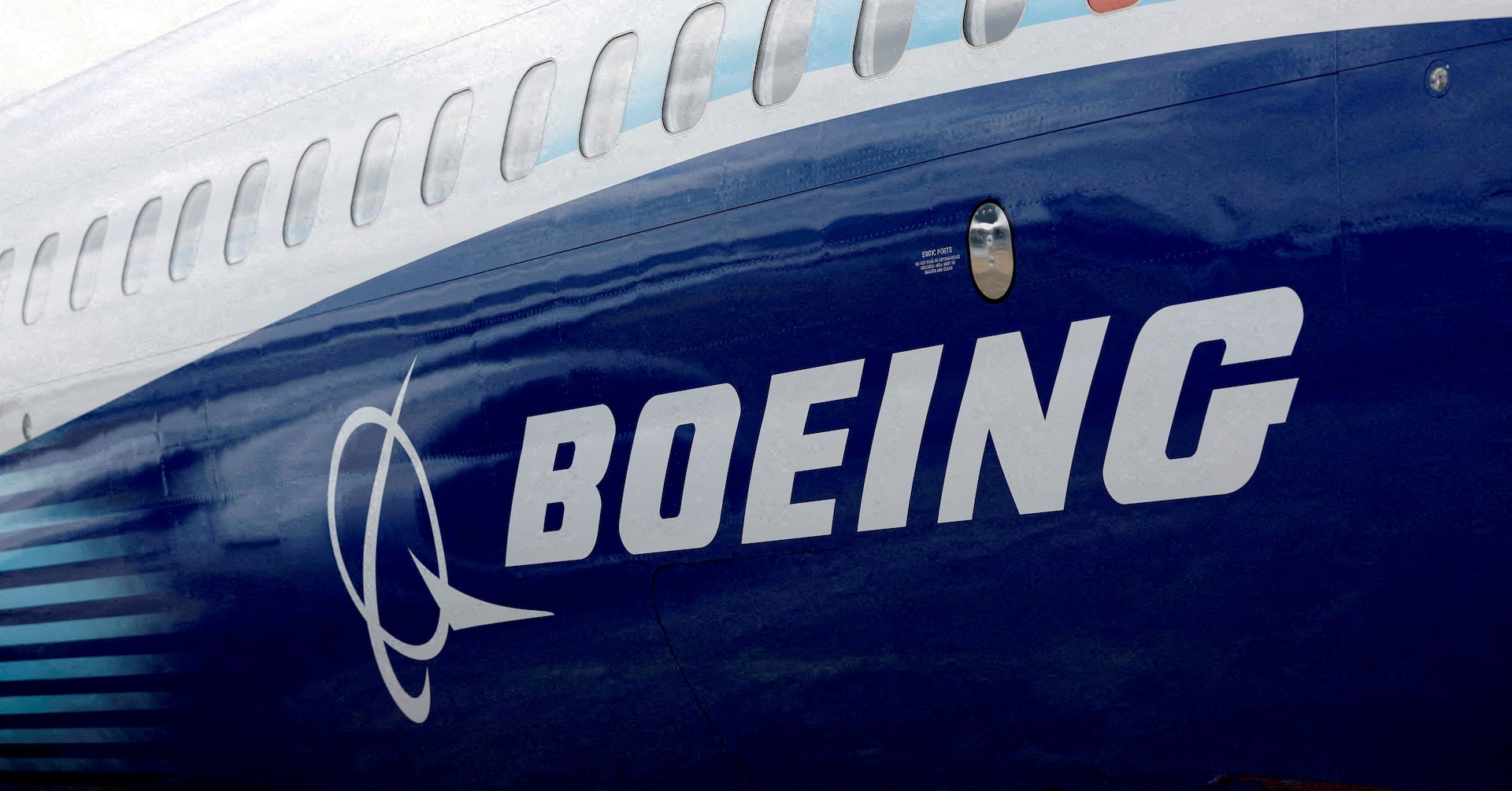
BOHAI LEASING ANNOUNCES AVOLON'S IRELAND SUBSIDIARY HAS ENTERED INTO A DEAL WITH AIR ALGERIE TO SELL 10 BOEING 737-8 MAX AIRCRAFT, VALUED AT APPROXIMATELY $1.2 BILLION.

Agreement Details: BOHAI Leasing has signed an agreement with Air Algerie to sell 10 Boeing 737-800 MAX aircraft.
Financial Implications: The total catalog price for the aircraft is approximately $1.2 billion.
See More

2026 Economic Outlook and Uber Developments


- GDP Growth Slowdown: The GDP growth rate for Q1 2026 is only 0.7%, significantly lower than the previous estimate of 1.4%, indicating a sluggish economic recovery that may dampen investor confidence and negatively impact stock market performance.
- Rising Inflation Pressure: With inflation exceeding 3% in January, combined with slowing GDP growth, concerns about stagflation may arise, leading to reduced consumer spending and threatening corporate profitability.
- Surge in Oil Prices: West Texas Intermediate crude oil prices have surged from $57 on January 2 to $93, even exceeding $100 at times, increasing consumer energy expenditure pressure and potentially suppressing spending in other areas.
- Uber's Autonomous Driving Partnerships: Uber has recently formed partnerships with several companies, including Waymo and Lucid, indicating its proactive positioning in the autonomous driving sector, which may lay the groundwork for future market share growth.
See More

2026 Economic Outlook and Oil Price Fluctuations
- GDP Growth Slowdown: The GDP growth rate for Q1 2026 is only 0.7%, significantly lower than the previous estimate of 1.4%, indicating economic stagnation that may heighten investor concerns about future economic prospects.
- High Inflation Pressure: With inflation exceeding 3% in January, combined with low growth, market fears of stagflation are rising, which could negatively impact consumer spending and business investment decisions, further dragging down economic recovery.
- Surging Oil Prices Impact: As of the recording date, West Texas Intermediate crude oil prices have reached $93 per barrel, a significant increase from $57 on January 2, which may force consumers to cut back on other expenditures due to rising energy costs, affecting overall economic activity.
- Geopolitical Risks: The rise in oil prices is primarily driven by geopolitical conflicts rather than demand growth, particularly due to uncertainties surrounding Iran, which could lead to a more pessimistic economic outlook, necessitating close monitoring of related developments.
See More
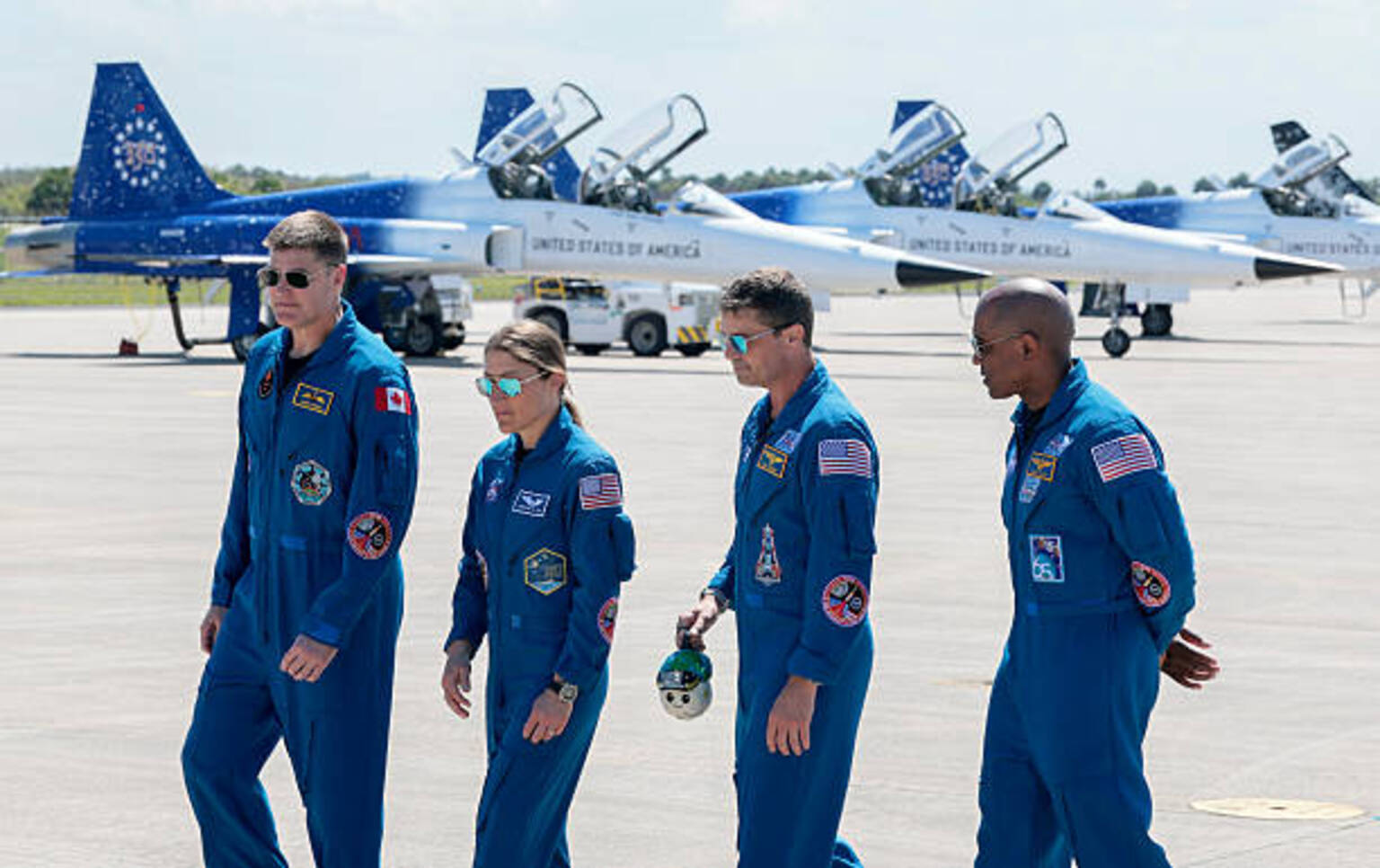
Artemis II Astronauts Arrive in Florida for Historic Moon Mission

- Mission Readiness: Four astronauts arrived in Florida on Friday, preparing for the Artemis II mission, marking a significant milestone in humanity's return to lunar exploration.
- Launch Schedule: The astronauts are set to launch on April 1 aboard the Orion spacecraft, with the mission expected to last about 10 days, showcasing advancements in human spaceflight technology as they loop around the moon and return to Earth.
- Historic Achievements: This mission will see Victor Glover become the first Black astronaut to reach deep space, Christina Koch the first woman, and Jeremy Hansen the first Canadian astronaut, highlighting diversity and inclusion in space exploration.
- Significance of Artemis Program: Artemis II is a crucial step in the Artemis program, aimed at laying the groundwork for returning astronauts to the moon later this decade and establishing a sustained human presence there.
See More

Defense Stocks Performance Amid Geopolitical Conflict
- Strong Defense Stock Performance: Since Russia's invasion of Ukraine in 2022, defense stocks have outperformed the S&P 500, primarily driven by backlogs resulting from the Ukraine conflict, NATO rearmament, and soaring U.S. defense budgets.
- Growing Backlogs: Recent framework agreements between the U.S. government and Lockheed Martin, BAE Systems, and Honeywell to accelerate missile technology production, particularly Precision Strike Missiles for Iran, have further boosted revenue expectations in the defense sector.
- Margin Pressure: Despite Lockheed Martin's 46% EBIT growth over the past decade, the annual growth rate is only 3.9%, indicating structural challenges in profit growth for defense companies, particularly due to negotiating pressures on fixed-price contracts.
- Investor Caution Advised: While expectations for increased defense budgets due to the Iran conflict rise, investors should be wary of whether current valuations are justified, especially if profit growth remains limited to single digits in the industry.
See More

Defense Sector Faces Profit Pressure Amid Growth Opportunities
- Defense Contract Growth: As geopolitical tensions escalate, the U.S. government is leveraging its negotiating power to push companies like Lockheed Martin, BAE Systems, and Honeywell to accelerate production of Precision Strike Missiles, indicating a sustained demand for defense contracts.
- Profitability Challenges: Despite the growing backlog of orders, defense companies have struggled with profit growth rates averaging low single digits over the past decade, highlighting structural pressures on profitability, particularly under fixed-price contracts.
- Market Outperformance: Since Russia's invasion of Ukraine in 2022, defense stocks have outperformed the S&P 500, primarily driven by the need to replenish equipment used in Ukraine and NATO's rearmament efforts.
- Investor Caution: While revenue expectations have risen due to conflicts with Iran, if margin pressures prove to be lasting, investors may need to carefully assess whether current valuations are justified, especially as the industry faces challenges in profit growth.
See More
BOHAI LEASING ANNOUNCES AVOLON'S IRELAND SUBSIDIARY HAS ENTERED INTO A DEAL WITH AIR ALGERIE TO SELL 10 BOEING 737-8 MAX AIRCRAFT, VALUED AT APPROXIMATELY $1.2 BILLION.
Agreement Details: BOHAI Leasing has signed an agreement with Air Algerie to sell 10 Boeing 737-800 MAX aircraft.
Financial Implications: The total catalog price for the aircraft is approximately $1.2 billion.
See More
2026 Economic Outlook and Uber Developments
- GDP Growth Slowdown: The GDP growth rate for Q1 2026 is only 0.7%, significantly lower than the previous estimate of 1.4%, indicating a sluggish economic recovery that may dampen investor confidence and negatively impact stock market performance.
- Rising Inflation Pressure: With inflation exceeding 3% in January, combined with slowing GDP growth, concerns about stagflation may arise, leading to reduced consumer spending and threatening corporate profitability.
- Surge in Oil Prices: West Texas Intermediate crude oil prices have surged from $57 on January 2 to $93, even exceeding $100 at times, increasing consumer energy expenditure pressure and potentially suppressing spending in other areas.
- Uber's Autonomous Driving Partnerships: Uber has recently formed partnerships with several companies, including Waymo and Lucid, indicating its proactive positioning in the autonomous driving sector, which may lay the groundwork for future market share growth.
See More
2026 Economic Outlook and Oil Price Fluctuations
- GDP Growth Slowdown: The GDP growth rate for Q1 2026 is only 0.7%, significantly lower than the previous estimate of 1.4%, indicating economic stagnation that may heighten investor concerns about future economic prospects.
- High Inflation Pressure: With inflation exceeding 3% in January, combined with low growth, market fears of stagflation are rising, which could negatively impact consumer spending and business investment decisions, further dragging down economic recovery.
- Surging Oil Prices Impact: As of the recording date, West Texas Intermediate crude oil prices have reached $93 per barrel, a significant increase from $57 on January 2, which may force consumers to cut back on other expenditures due to rising energy costs, affecting overall economic activity.
- Geopolitical Risks: The rise in oil prices is primarily driven by geopolitical conflicts rather than demand growth, particularly due to uncertainties surrounding Iran, which could lead to a more pessimistic economic outlook, necessitating close monitoring of related developments.
See More
Artemis II Astronauts Arrive in Florida for Historic Moon Mission
- Mission Readiness: Four astronauts arrived in Florida on Friday, preparing for the Artemis II mission, marking a significant milestone in humanity's return to lunar exploration.
- Launch Schedule: The astronauts are set to launch on April 1 aboard the Orion spacecraft, with the mission expected to last about 10 days, showcasing advancements in human spaceflight technology as they loop around the moon and return to Earth.
- Historic Achievements: This mission will see Victor Glover become the first Black astronaut to reach deep space, Christina Koch the first woman, and Jeremy Hansen the first Canadian astronaut, highlighting diversity and inclusion in space exploration.
- Significance of Artemis Program: Artemis II is a crucial step in the Artemis program, aimed at laying the groundwork for returning astronauts to the moon later this decade and establishing a sustained human presence there.
See More
Defense Stocks Performance Amid Geopolitical Conflict
- Strong Defense Stock Performance: Since Russia's invasion of Ukraine in 2022, defense stocks have outperformed the S&P 500, primarily driven by backlogs resulting from the Ukraine conflict, NATO rearmament, and soaring U.S. defense budgets.
- Growing Backlogs: Recent framework agreements between the U.S. government and Lockheed Martin, BAE Systems, and Honeywell to accelerate missile technology production, particularly Precision Strike Missiles for Iran, have further boosted revenue expectations in the defense sector.
- Margin Pressure: Despite Lockheed Martin's 46% EBIT growth over the past decade, the annual growth rate is only 3.9%, indicating structural challenges in profit growth for defense companies, particularly due to negotiating pressures on fixed-price contracts.
- Investor Caution Advised: While expectations for increased defense budgets due to the Iran conflict rise, investors should be wary of whether current valuations are justified, especially if profit growth remains limited to single digits in the industry.
See More
Defense Sector Faces Profit Pressure Amid Growth Opportunities
- Defense Contract Growth: As geopolitical tensions escalate, the U.S. government is leveraging its negotiating power to push companies like Lockheed Martin, BAE Systems, and Honeywell to accelerate production of Precision Strike Missiles, indicating a sustained demand for defense contracts.
- Profitability Challenges: Despite the growing backlog of orders, defense companies have struggled with profit growth rates averaging low single digits over the past decade, highlighting structural pressures on profitability, particularly under fixed-price contracts.
- Market Outperformance: Since Russia's invasion of Ukraine in 2022, defense stocks have outperformed the S&P 500, primarily driven by the need to replenish equipment used in Ukraine and NATO's rearmament efforts.
- Investor Caution: While revenue expectations have risen due to conflicts with Iran, if margin pressures prove to be lasting, investors may need to carefully assess whether current valuations are justified, especially as the industry faces challenges in profit growth.
See More