Nadella Testifies as Microsoft Faces Lawsuit
Written by Emily J. Thompson, Senior Investment Analyst
Updated: 2 days ago
0mins


Should l Buy MSFT?
Source: CNBC
- Lawsuit Background: Elon Musk's 2024 lawsuit against OpenAI and its executives alleges a breach of their nonprofit commitments, with Microsoft named as a defendant, highlighting the increasing legal risks the company faces in the AI sector.
- Investment Scale: Microsoft has invested over $13 billion in OpenAI since 2019, with Musk citing the $10 billion investment in 2023 as a pivotal factor in OpenAI's deviation from its nonprofit mission, potentially impacting Microsoft's reputation and market trust.
- Equity Structure: Microsoft holds approximately a 27% stake in OpenAI's for-profit subsidiary, valued at around $135 billion, which enhances Microsoft's strategic position in the AI landscape but raises questions about its motivations.
- Strained Partnership: Although the partnership with OpenAI is deemed strategic, recent tensions have emerged, particularly in light of Musk's lawsuit, as evidenced by the revised partnership agreement aimed at reassessing future collaboration dynamics.
Trade with 70% Backtested Accuracy
Stop guessing "Should I Buy MSFT?" and start using high-conviction signals backed by rigorous historical data.
Sign up today to access powerful investing tools and make smarter, data-driven decisions.
Analyst Views on MSFT
Wall Street analysts forecast MSFT stock price to rise
34 Analyst Rating
32 Buy
2 Hold
0 Sell
Strong Buy
Current: 405.210

Low
500.00
Averages
631.36
High
678.00
Current: 405.210
Low
500.00
Averages
631.36
High
678.00
About MSFT
Microsoft Corporation is a technology company. The Company develops and supports software, services, devices, and solutions. The Company’s segments include Productivity and Business Processes, Intelligent Cloud, and More Personal Computing. The Productivity and Business Processes segment consists of products and services in its portfolio of productivity, communication, and information services. This segment primarily comprises: Office Commercial, Office Consumer, LinkedIn, and Dynamics business solutions. The Intelligent Cloud segment consists of server products and cloud services, including Azure and other cloud services, SQL Server, Windows Server, Visual Studio, System Center, and related Client Access Licenses (CALs), and Nuance and GitHub; and Enterprise Services, including enterprise support services, industry solutions and Nuance professional services. The More Personal Computing segment primarily comprises Windows, Devices, Gaming, and search and news advertising.
About the author

Emily J. Thompson
Emily J. Thompson, a Chartered Financial Analyst (CFA) with 12 years in investment research, graduated with honors from the Wharton School. Specializing in industrial and technology stocks, she provides in-depth analysis for Intellectia’s earnings and market brief reports.

Microsoft's Explosive AI Growth Faces Cash Flow Pressure

- AI Growth Momentum: Microsoft is experiencing significant growth in the AI sector, particularly with surging demand for Azure services, which is driving overall revenue and margin improvements, showcasing its leadership in technological innovation.
- Infrastructure Investment Pressure: Despite strong revenue growth, the company's massive spending on AI infrastructure is pressuring free cash flow, sparking widespread investor debate regarding the company's financial health, which could impact future investment decisions.
- Long-term Revenue Potential: Should Microsoft successfully convert its current capital expenditure cycle into sustainable revenue and long-term cash generation, the recent stock price pullback could be viewed as a major investment opportunity, attracting more investor interest.
- Market Reaction Analysis: Market prices as of May 6, 2026, indicate that despite cash flow challenges, Microsoft's stock still reflects investor confidence in its future growth potential, suggesting recognition of its strategic direction.
See More

Microsoft Plans $190 Billion Capital Expenditure for 2026
- Future Revenue Visibility: Microsoft's commercial remaining performance obligations surged 110% year-over-year to $625 billion, indicating strong revenue visibility for the next 2.5 years, enhancing its competitive position in the market.
- Infrastructure Investment: In Q2 of fiscal 2026, approximately two-thirds of Microsoft's $37.5 billion capital expenditures were allocated to short-lived assets like GPUs and CPUs, while the remaining funds were directed towards long-lasting infrastructure, ensuring long-term revenue generation.
- Renewable Energy Commitment: Microsoft has contracted 40 gigawatts of new renewable energy capacity across 26 countries, aiming to meet 100% of its electricity needs by 2025, highlighted by a $16 billion, 20-year power purchase agreement with Constellation Energy to power its AI data centers.
- AI Business Model Transformation: Microsoft is shifting from selling software licenses per employee to charging for AI agents, surpassing 15 million paid Copilot seats and generating over $5.4 billion in annual recurring revenue, positioning itself at the center of growing enterprise software spending.
See More
AMD's Strong Quarterly Performance Boosts AI Market Share


- Significant Revenue Growth: AMD's Q1 revenue surged 38% year-over-year to $10.25 billion, exceeding analysts' expectations of $9.89 billion, indicating strong demand in the AI infrastructure market, particularly for data center GPUs and server CPUs.
- Surge in Data Center Demand: Demand for AMD's Epyc server CPUs and Instinct GPUs in data centers is robust, with Meta set to become a 'lead customer' for its sixth-generation Epyc CPUs, planning to deploy up to 6GW of Instinct GPUs, further solidifying AMD's position in the AI sector.
- Market Share Increase: AMD's share in the server CPU market rose from 27% to 36% year-over-year, with expectations for the market to grow at over 35% annually in the next three to five years, paving the way for stronger revenue growth for the company.
- Optimistic Outlook: AMD anticipates a 46% year-over-year revenue increase in Q2 to $11.2 billion, with non-GAAP gross margin expected to rise to 56%, indicating substantial long-term growth potential in the AI market, as analysts project a 234% year-over-year increase in earnings per share.
See More
UK Regulator Investigates Microsoft's Market Position
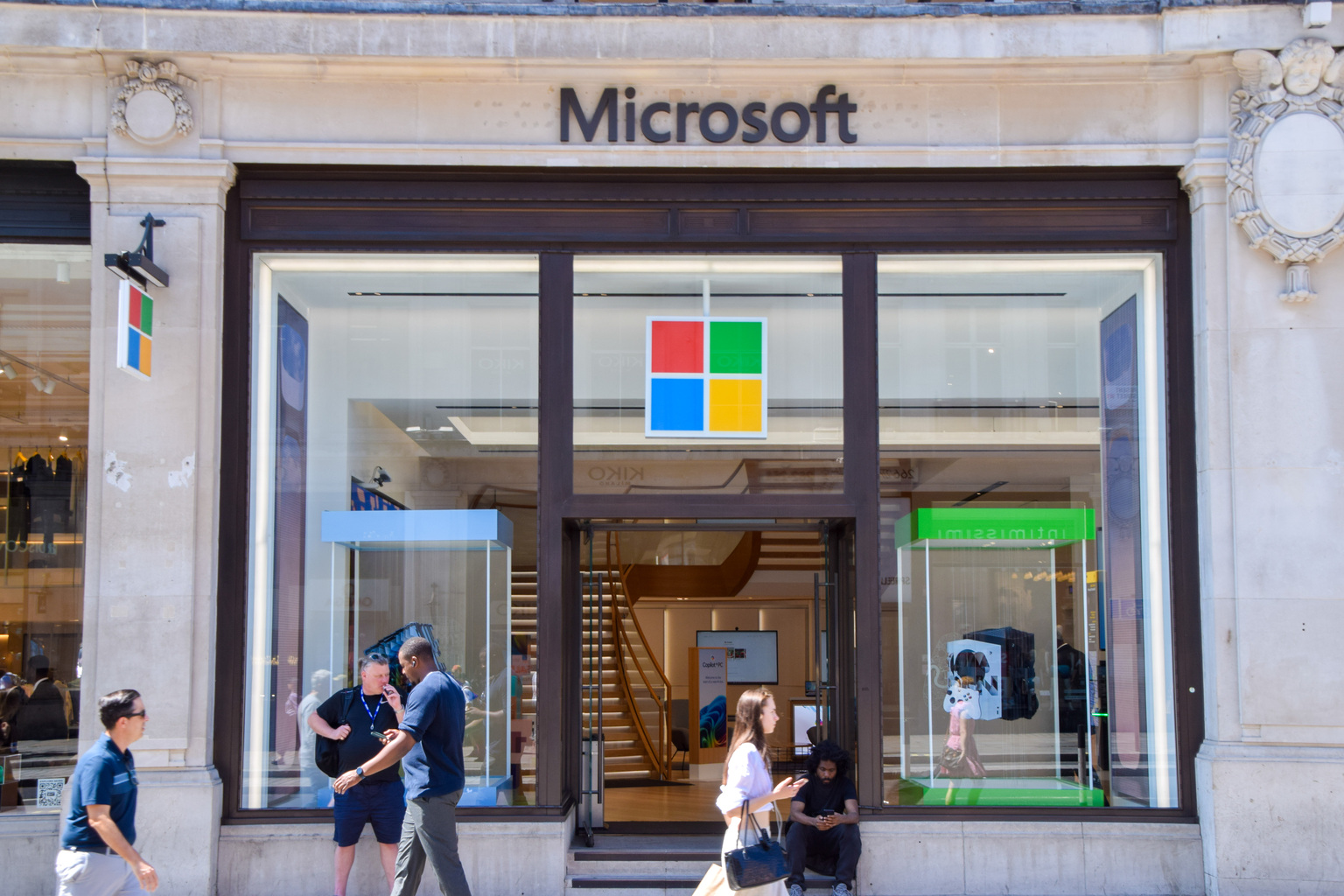
- Investigation Launched: The UK's Competition and Markets Authority (CMA) has initiated a Strategic Market Status (SMS) investigation into Microsoft's business software ecosystem, aiming to assess whether Microsoft is using its market position to limit customer choice and impact competition.
- Customer Choice Limitations: The CMA noted that UK customers may struggle to effectively combine Microsoft software with that of other providers, thereby restricting their access to the best products at competitive prices, which could undermine market fairness.
- Bundling and Interoperability: The probe will focus on whether product bundling, interoperability limitations, and default settings hinder customer switching, thereby weakening the competitive pressures Microsoft faces, particularly from AI competitors' integration capabilities.
- Completion Timeline: The CMA aims to complete the investigation within nine months and will decide by February 2027 whether to designate Microsoft with SMS, engaging with customers, rivals, and tech challengers to gather evidence during this period.
See More

UK Launches Antitrust Investigation into Microsoft's Dominance
- Investigation Launch: The UK government officially initiated an antitrust investigation into Microsoft's dominance in the business software sector on Thursday, aiming to assess whether the company holds a 'strategic market status' that could lead to targeted regulatory actions.
- Market Impact Assessment: This investigation will focus on Microsoft's leading position in the business software market, and if confirmed, the findings could significantly impact its future business operations and market strategies.
- Regulatory Environment Shift: This move by the UK reflects a growing emphasis on fair competition in the market, as global scrutiny of tech giants increases, potentially prompting similar actions from other countries that could further affect Microsoft's global operations.
- Strategic Response Necessity: Microsoft must proactively address this investigation, potentially needing to adjust its market strategies to avoid legal repercussions and market share losses, thereby ensuring its continued leadership in the competitive business software market.
See More

Microsoft Evaluates Acquisitions of AI Startups
- Acquisition Potential Assessment: Microsoft is evaluating potential acquisitions of several artificial intelligence startups, aiming to enhance its product portfolio through technology integration, thereby improving market competitiveness and accelerating innovation.
- Strategic Investment Focus: This acquisition evaluation reflects Microsoft's emphasis on the AI sector, particularly in the context of intensifying global tech competition, intending to drive long-term growth through technological consolidation.
- Market Reaction Expectations: Analysts generally believe that a successful acquisition could further solidify Microsoft's leadership position in the AI market, potentially having a positive impact on its stock price and attracting more investor interest.
- Technology Integration Opportunities: By acquiring startups, Microsoft can not only gain access to advanced AI technologies but also attract top talent, enhancing its R&D capabilities to maintain a competitive edge in the rapidly evolving tech industry.
See More
Microsoft's Explosive AI Growth Faces Cash Flow Pressure
- AI Growth Momentum: Microsoft is experiencing significant growth in the AI sector, particularly with surging demand for Azure services, which is driving overall revenue and margin improvements, showcasing its leadership in technological innovation.
- Infrastructure Investment Pressure: Despite strong revenue growth, the company's massive spending on AI infrastructure is pressuring free cash flow, sparking widespread investor debate regarding the company's financial health, which could impact future investment decisions.
- Long-term Revenue Potential: Should Microsoft successfully convert its current capital expenditure cycle into sustainable revenue and long-term cash generation, the recent stock price pullback could be viewed as a major investment opportunity, attracting more investor interest.
- Market Reaction Analysis: Market prices as of May 6, 2026, indicate that despite cash flow challenges, Microsoft's stock still reflects investor confidence in its future growth potential, suggesting recognition of its strategic direction.
See More
Microsoft Plans $190 Billion Capital Expenditure for 2026
- Future Revenue Visibility: Microsoft's commercial remaining performance obligations surged 110% year-over-year to $625 billion, indicating strong revenue visibility for the next 2.5 years, enhancing its competitive position in the market.
- Infrastructure Investment: In Q2 of fiscal 2026, approximately two-thirds of Microsoft's $37.5 billion capital expenditures were allocated to short-lived assets like GPUs and CPUs, while the remaining funds were directed towards long-lasting infrastructure, ensuring long-term revenue generation.
- Renewable Energy Commitment: Microsoft has contracted 40 gigawatts of new renewable energy capacity across 26 countries, aiming to meet 100% of its electricity needs by 2025, highlighted by a $16 billion, 20-year power purchase agreement with Constellation Energy to power its AI data centers.
- AI Business Model Transformation: Microsoft is shifting from selling software licenses per employee to charging for AI agents, surpassing 15 million paid Copilot seats and generating over $5.4 billion in annual recurring revenue, positioning itself at the center of growing enterprise software spending.
See More
AMD's Strong Quarterly Performance Boosts AI Market Share
- Significant Revenue Growth: AMD's Q1 revenue surged 38% year-over-year to $10.25 billion, exceeding analysts' expectations of $9.89 billion, indicating strong demand in the AI infrastructure market, particularly for data center GPUs and server CPUs.
- Surge in Data Center Demand: Demand for AMD's Epyc server CPUs and Instinct GPUs in data centers is robust, with Meta set to become a 'lead customer' for its sixth-generation Epyc CPUs, planning to deploy up to 6GW of Instinct GPUs, further solidifying AMD's position in the AI sector.
- Market Share Increase: AMD's share in the server CPU market rose from 27% to 36% year-over-year, with expectations for the market to grow at over 35% annually in the next three to five years, paving the way for stronger revenue growth for the company.
- Optimistic Outlook: AMD anticipates a 46% year-over-year revenue increase in Q2 to $11.2 billion, with non-GAAP gross margin expected to rise to 56%, indicating substantial long-term growth potential in the AI market, as analysts project a 234% year-over-year increase in earnings per share.
See More
UK Regulator Investigates Microsoft's Market Position
- Investigation Launched: The UK's Competition and Markets Authority (CMA) has initiated a Strategic Market Status (SMS) investigation into Microsoft's business software ecosystem, aiming to assess whether Microsoft is using its market position to limit customer choice and impact competition.
- Customer Choice Limitations: The CMA noted that UK customers may struggle to effectively combine Microsoft software with that of other providers, thereby restricting their access to the best products at competitive prices, which could undermine market fairness.
- Bundling and Interoperability: The probe will focus on whether product bundling, interoperability limitations, and default settings hinder customer switching, thereby weakening the competitive pressures Microsoft faces, particularly from AI competitors' integration capabilities.
- Completion Timeline: The CMA aims to complete the investigation within nine months and will decide by February 2027 whether to designate Microsoft with SMS, engaging with customers, rivals, and tech challengers to gather evidence during this period.
See More
UK Launches Antitrust Investigation into Microsoft's Dominance
- Investigation Launch: The UK government officially initiated an antitrust investigation into Microsoft's dominance in the business software sector on Thursday, aiming to assess whether the company holds a 'strategic market status' that could lead to targeted regulatory actions.
- Market Impact Assessment: This investigation will focus on Microsoft's leading position in the business software market, and if confirmed, the findings could significantly impact its future business operations and market strategies.
- Regulatory Environment Shift: This move by the UK reflects a growing emphasis on fair competition in the market, as global scrutiny of tech giants increases, potentially prompting similar actions from other countries that could further affect Microsoft's global operations.
- Strategic Response Necessity: Microsoft must proactively address this investigation, potentially needing to adjust its market strategies to avoid legal repercussions and market share losses, thereby ensuring its continued leadership in the competitive business software market.
See More
Microsoft Evaluates Acquisitions of AI Startups
- Acquisition Potential Assessment: Microsoft is evaluating potential acquisitions of several artificial intelligence startups, aiming to enhance its product portfolio through technology integration, thereby improving market competitiveness and accelerating innovation.
- Strategic Investment Focus: This acquisition evaluation reflects Microsoft's emphasis on the AI sector, particularly in the context of intensifying global tech competition, intending to drive long-term growth through technological consolidation.
- Market Reaction Expectations: Analysts generally believe that a successful acquisition could further solidify Microsoft's leadership position in the AI market, potentially having a positive impact on its stock price and attracting more investor interest.
- Technology Integration Opportunities: By acquiring startups, Microsoft can not only gain access to advanced AI technologies but also attract top talent, enhancing its R&D capabilities to maintain a competitive edge in the rapidly evolving tech industry.
See More