Musk's Visit to Chinese Solar Firms Sparks Stock Surge
Written by Emily J. Thompson, Senior Investment Analyst
Updated: Feb 04 2026
0mins

Should l Buy TSLA?
Source: CNBC
- Stock Surge: Shares of JinkoSolar surged by 20% in early trading after reports of Musk's team visiting Chinese photovoltaic suppliers, reflecting market optimism about potential partnerships and demand boosts.
- Technological Focus: The Musk team's interest in heterojunction and perovskite technologies, which aim to enhance solar cell efficiency, could lead to significant cost reductions if manufacturing hurdles are overcome, thereby driving industry innovation.
- Market Dynamics: Despite the stock rally, analysts noted that the surge was primarily driven by market sentiment and short-covering rather than fundamental changes in company performance, indicating ongoing investor concerns about energy bottlenecks.
- Future Outlook: JinkoSolar aims to build over 12 gigawatts of solar capacity in Southeast Asia by 2030, and despite facing price declines and oversupply challenges, the long-term outlook remains positive, showcasing the company's strategic positioning in the global solar market.
Trade with 70% Backtested Accuracy
Stop guessing "Should I Buy TSLA?" and start using high-conviction signals backed by rigorous historical data.
Sign up today to access powerful investing tools and make smarter, data-driven decisions.
Analyst Views on TSLA
Wall Street analysts forecast TSLA stock price to fall
30 Analyst Rating
12 Buy
11 Hold
7 Sell
Hold
Current: 411.320

Low
25.28
Averages
401.93
High
600.00
Current: 411.320
Low
25.28
Averages
401.93
High
600.00
About TSLA
Tesla, Inc. designs, develops, manufactures, sells and leases high-performance fully electric vehicles and energy generation and storage systems, and offers services related to its products. Its segments include automotive, and energy generation and storage. The automotive segment includes the design, development, manufacturing, sales and leasing of high-performance fully electric vehicles, and sales of automotive regulatory credits. It also includes sales of used vehicles, non-warranty maintenance services and collisions, part sales, paid supercharging, insurance services revenue and retail merchandise sales. The energy generation and storage segment include the design, manufacture, installation, sales and leasing of solar energy generation and energy storage products and related services and sales of solar energy systems incentives. Its consumer vehicles include the Model 3, Y, S, X and Cybertruck. Its lithium-ion battery energy storage products include Powerwall and Megapack.
About the author

Emily J. Thompson
Emily J. Thompson, a Chartered Financial Analyst (CFA) with 12 years in investment research, graduated with honors from the Wharton School. Specializing in industrial and technology stocks, she provides in-depth analysis for Intellectia’s earnings and market brief reports.

Tesla Launches Most Affordable Cybertruck at $59,990

- New Model Launch: Tesla has opened U.S. orders for its Cybertruck priced at $59,990, which, while lower than the previous $79,990 version, still exceeds CEO Elon Musk's promised starting price of $40,000 from 2019, indicating market pricing pressures.
- Performance and Features: The new Cybertruck features dual-motor all-wheel drive with an estimated range of 325 miles, standard features include a powered tonneau cover and multiple power outlets, although it sacrifices some premium elements, it still offers significant utility.
- Market Expansion Strategy: As U.S. demand cools, Tesla is expanding Cybertruck availability overseas, having opened orders in the UAE, Saudi Arabia, and Qatar, with pricing starting at 435,000 riyals (approximately $116,000) in Saudi Arabia, highlighting the potential of international markets.
- Sales Expectations and Challenges: Despite production capacity expected to exceed 250,000 units annually, current quarterly sales are only about 5,000 units, indicating demand challenges for Tesla, which may need to explore commercial applications to boost sales.
See More

Tesla Cuts Cyberbeast Price to $99,990, Discontinues Luxe Package
- Price Adjustment: Tesla has reduced the price of its most expensive Cyberbeast model from $114,990 to $99,990, aiming to attract more cost-conscious consumers and enhance sales while strengthening its market competitiveness.
- Luxe Package Discontinuation: The price cut comes with the discontinuation of the Luxe Package, which included Supervised Full Self-Driving and free access to the Supercharger network, reflecting Tesla's strategic shift towards optimizing its product offerings and cost control.
- Stable Pricing for Other Models: While the Cyberbeast price has been lowered, prices for other Cybertruck models remain unchanged, indicating Tesla's differentiated pricing strategy to cater to various consumer segments effectively.
- New Model Introduction: Earlier this month, Tesla introduced a new all-wheel drive variant of its Model Y SUV priced at $41,990, further diversifying its product line and laying the groundwork for its 2026 strategy aimed at attracting more budget-conscious buyers.
See More

Slate Auto to Reveal EV Pickup Pricing in June


- EV Pickup Pricing Announcement: Slate Auto CEO Chris Barman announced on social media that the pricing for their electric pickup truck will be revealed in June, with expectations of a mid-$20,000 price point, which could attract a broader consumer base.
- Funding and Reservations: Slate Auto has secured over $111 million in Series A funding from investors including Jeff Bezos and other notable figures, while confirming 150,000 reservations, indicating strong market demand for their electric pickup.
- Product Features and Market Positioning: The base model of the electric pickup offers a 150-mile range and a 1,400-pound payload capacity, with a unique personalization approach allowing customers to select desired features, enhancing its competitive edge in the market.
- Industry Challenges and Opportunities: While Slate Auto shows significant growth potential in the EV market, President Trump's recent decision to rescind the fuel content factor from CAFE standards may reduce the attractiveness of EVs to manufacturers, adding uncertainty to the industry.
See More
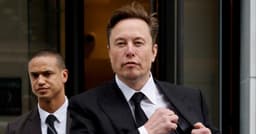
BYD's Electric Vehicle Market Outlook is Positive
- Consumer Satisfaction Rise: A recent JD Power study indicates that consumer satisfaction with electric vehicles is significantly increasing, providing a favorable buying opportunity for BYD despite market volatility, which is likely to attract more consumer interest in its products.
- Impressive Sales Figures: BYD's car sales reached 4.6 million in 2025, surpassing rival Tesla, demonstrating strong performance in the EV market, although it faces fierce competition and declining sales challenges.
- International Expansion Plans: BYD is set to open a new plant in Hungary to boost its European sales, with expectations to sell 1.3 million vehicles outside China this year, marking a 24% increase from 2025, reflecting its strategic intent for global growth.
- Attractive Stock Valuation: With a forward P/E ratio close to 17 and a PEG ratio of 0.78, BYD's stock appears undervalued, and its lower volatility compared to Tesla presents a good opportunity for investors seeking growth at a reasonable price.
See More
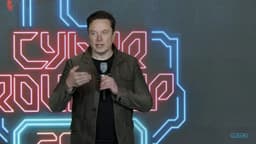
U.S. Electric Vehicle Customer Satisfaction Reaches New Highs
- Impact of Tax Credit End: The end of federal EV tax credits in the U.S. may lead to fewer new customers, yet existing EV owners show increasing satisfaction, indicating potential market resilience.
- Rising Customer Satisfaction: The JD Power 2026 U.S. electric vehicle ownership study reveals that 96% of battery electric vehicle owners would consider buying or leasing another EV, reflecting significant improvements in performance and charging infrastructure.
- EV Model Rankings: Among premium electric vehicles, the Tesla Model 3 ranks highest at 804 points, with the overall average satisfaction for premium EVs rising from 756 to 786, underscoring Tesla's market leadership.
- Mass Market Performance: In the mass-market segment, the Ford Mustang Mach-e leads with 760 points, while some General Motors models like the Equinox and Blazer score below average, highlighting the competitive intensity in the market.
See More
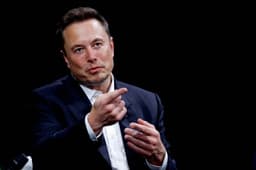
Tesla to Begin Volume Production of Humanoid Robot Optimus This Year
- Humanoid Robot Production: Tesla is expected to start volume production of its humanoid robot, Optimus, later this year, with a long-term goal of producing 1 million units annually at its Fremont factory, marking a significant advancement in the robotics sector.
- Production Line Transition: The company plans to halt production of its Model S and Model X vehicles in the second quarter, transitioning the Fremont factory's production lines to focus on Optimus, which will help concentrate resources on emerging technologies.
- Dining Business Expansion: Tesla operates a diner in Hollywood, California, featuring over 250 seats and 80 supercharger stalls, aimed at providing a leisure experience for both Tesla and non-Tesla drivers, thereby enhancing brand visibility.
- Future Coffee Shop Concept: Musk proposed establishing coffee shops at supercharging stations staffed by Optimus robots, a concept that not only enhances the charging experience but could also open new revenue streams for Tesla.
See More
Tesla Launches Most Affordable Cybertruck at $59,990
- New Model Launch: Tesla has opened U.S. orders for its Cybertruck priced at $59,990, which, while lower than the previous $79,990 version, still exceeds CEO Elon Musk's promised starting price of $40,000 from 2019, indicating market pricing pressures.
- Performance and Features: The new Cybertruck features dual-motor all-wheel drive with an estimated range of 325 miles, standard features include a powered tonneau cover and multiple power outlets, although it sacrifices some premium elements, it still offers significant utility.
- Market Expansion Strategy: As U.S. demand cools, Tesla is expanding Cybertruck availability overseas, having opened orders in the UAE, Saudi Arabia, and Qatar, with pricing starting at 435,000 riyals (approximately $116,000) in Saudi Arabia, highlighting the potential of international markets.
- Sales Expectations and Challenges: Despite production capacity expected to exceed 250,000 units annually, current quarterly sales are only about 5,000 units, indicating demand challenges for Tesla, which may need to explore commercial applications to boost sales.
See More
Tesla Cuts Cyberbeast Price to $99,990, Discontinues Luxe Package
- Price Adjustment: Tesla has reduced the price of its most expensive Cyberbeast model from $114,990 to $99,990, aiming to attract more cost-conscious consumers and enhance sales while strengthening its market competitiveness.
- Luxe Package Discontinuation: The price cut comes with the discontinuation of the Luxe Package, which included Supervised Full Self-Driving and free access to the Supercharger network, reflecting Tesla's strategic shift towards optimizing its product offerings and cost control.
- Stable Pricing for Other Models: While the Cyberbeast price has been lowered, prices for other Cybertruck models remain unchanged, indicating Tesla's differentiated pricing strategy to cater to various consumer segments effectively.
- New Model Introduction: Earlier this month, Tesla introduced a new all-wheel drive variant of its Model Y SUV priced at $41,990, further diversifying its product line and laying the groundwork for its 2026 strategy aimed at attracting more budget-conscious buyers.
See More
Slate Auto to Reveal EV Pickup Pricing in June
- EV Pickup Pricing Announcement: Slate Auto CEO Chris Barman announced on social media that the pricing for their electric pickup truck will be revealed in June, with expectations of a mid-$20,000 price point, which could attract a broader consumer base.
- Funding and Reservations: Slate Auto has secured over $111 million in Series A funding from investors including Jeff Bezos and other notable figures, while confirming 150,000 reservations, indicating strong market demand for their electric pickup.
- Product Features and Market Positioning: The base model of the electric pickup offers a 150-mile range and a 1,400-pound payload capacity, with a unique personalization approach allowing customers to select desired features, enhancing its competitive edge in the market.
- Industry Challenges and Opportunities: While Slate Auto shows significant growth potential in the EV market, President Trump's recent decision to rescind the fuel content factor from CAFE standards may reduce the attractiveness of EVs to manufacturers, adding uncertainty to the industry.
See More
BYD's Electric Vehicle Market Outlook is Positive
- Consumer Satisfaction Rise: A recent JD Power study indicates that consumer satisfaction with electric vehicles is significantly increasing, providing a favorable buying opportunity for BYD despite market volatility, which is likely to attract more consumer interest in its products.
- Impressive Sales Figures: BYD's car sales reached 4.6 million in 2025, surpassing rival Tesla, demonstrating strong performance in the EV market, although it faces fierce competition and declining sales challenges.
- International Expansion Plans: BYD is set to open a new plant in Hungary to boost its European sales, with expectations to sell 1.3 million vehicles outside China this year, marking a 24% increase from 2025, reflecting its strategic intent for global growth.
- Attractive Stock Valuation: With a forward P/E ratio close to 17 and a PEG ratio of 0.78, BYD's stock appears undervalued, and its lower volatility compared to Tesla presents a good opportunity for investors seeking growth at a reasonable price.
See More
U.S. Electric Vehicle Customer Satisfaction Reaches New Highs
- Impact of Tax Credit End: The end of federal EV tax credits in the U.S. may lead to fewer new customers, yet existing EV owners show increasing satisfaction, indicating potential market resilience.
- Rising Customer Satisfaction: The JD Power 2026 U.S. electric vehicle ownership study reveals that 96% of battery electric vehicle owners would consider buying or leasing another EV, reflecting significant improvements in performance and charging infrastructure.
- EV Model Rankings: Among premium electric vehicles, the Tesla Model 3 ranks highest at 804 points, with the overall average satisfaction for premium EVs rising from 756 to 786, underscoring Tesla's market leadership.
- Mass Market Performance: In the mass-market segment, the Ford Mustang Mach-e leads with 760 points, while some General Motors models like the Equinox and Blazer score below average, highlighting the competitive intensity in the market.
See More
Tesla to Begin Volume Production of Humanoid Robot Optimus This Year
- Humanoid Robot Production: Tesla is expected to start volume production of its humanoid robot, Optimus, later this year, with a long-term goal of producing 1 million units annually at its Fremont factory, marking a significant advancement in the robotics sector.
- Production Line Transition: The company plans to halt production of its Model S and Model X vehicles in the second quarter, transitioning the Fremont factory's production lines to focus on Optimus, which will help concentrate resources on emerging technologies.
- Dining Business Expansion: Tesla operates a diner in Hollywood, California, featuring over 250 seats and 80 supercharger stalls, aimed at providing a leisure experience for both Tesla and non-Tesla drivers, thereby enhancing brand visibility.
- Future Coffee Shop Concept: Musk proposed establishing coffee shops at supercharging stations staffed by Optimus robots, a concept that not only enhances the charging experience but could also open new revenue streams for Tesla.
See More