Morningstar Partners with Apollo and Others to Launch Public/Private Portfolios


Morningstar (MORN) announced that its Morningstar Wealth division is working with Apollo (APO), Franklin Templeton (BEN) and J.P. Morgan Asset Management (JPM) to launch a suite of public/private model portfolios that give financial advisors a single, research-driven way to access private markets. The company said, "Morningstar Public/Private Select Series will bring together: Morningstar Wealth's asset allocation, manager research, and due diligence rigor; Public market strategies from Franklin Templeton and J.P. Morgan Asset Management; Private market strategies from Apollo and Franklin Templeton, spanning private credit and real estate...The portfolios will be constructed with ETFs and interval funds to make private markets usable in individual investor portfolios, offering: Six risk-based portfolios, ranging from capital preservation to aggressive growth; Public and private exposures integrated into a single asset allocation Transparent, competitive pricing, including no overlay fees; Accessible minimums, expanding access beyond traditional institutional investors; By packaging private market exposure within a diversified model, Morningstar Wealth aims to remove the burden of sourcing, sizing, and managing liquidity, allowing advisors to focus on client needs rather than portfolio construction. The initial models will include exposure to private credit and real estate through interval funds ranging approximately between 12-20% of the models' allocation, depending on risk profile and current market opportunity."
Trade with 70% Backtested Accuracy
Analyst Views on MORN

About MORN
About the author


Morningstar Launches Public/Private Investment Portfolios

- Portfolio Innovation: Morningstar Wealth collaborates with Apollo, Franklin Templeton, and J.P. Morgan to launch public/private investment portfolios aimed at addressing implementation challenges through multi-manager selection and transparent pricing, which is expected to attract more investors into this space.
- Asset Allocation Advantage: The new portfolios will integrate public and private market strategies, including private credit and real estate, with initial models allocating approximately 12% to 20% to private markets, providing advisors with broader investment opportunities and enhancing client portfolio diversification.
- Transparent Pricing Strategy: Morningstar Wealth commits to offering transparent and competitive pricing without overlay fees, which will lower the entry barriers for traditional institutional investors and further promote the accessibility of private markets.
- Growing Market Demand: As demand for private markets continues to rise among advisors, this initiative by Morningstar not only addresses the market's focus on long-term investments but also helps advisors better serve clients in a complex market environment, ultimately enhancing overall portfolio performance.

Analysis of Potential Merger Between SpaceX and Tesla


- Overlapping Projects: SpaceX and Tesla are collaborating with Intel to design AI processors aimed at supporting SpaceX's orbital data centers and Tesla's Optimus robots and autonomous trucks, which will enhance their joint development in the AI sector.
- Investment and Equity Relations: Tesla invested $2 billion in SpaceX's xAI, acquiring about a 1% stake, while SpaceX purchased $697 million worth of Tesla's Megapack batteries, establishing a foundational relationship for a potential merger.
- Merger Complexity: Although Musk is interested in merging the two companies, any merger would require approval from both boards and shareholders, with Tesla shareholders particularly concerned about share conversion and SpaceX's high valuation and losses, which could impact the merger's feasibility.
- Future Outlook: Analysts predict that a merger could occur within a year; however, despite the merger's apparent rationale, SpaceX's current price-to-sales ratio of 130 is significantly higher than the average tech stock's 10, prompting investors to carefully consider whether to buy its shares at this time.
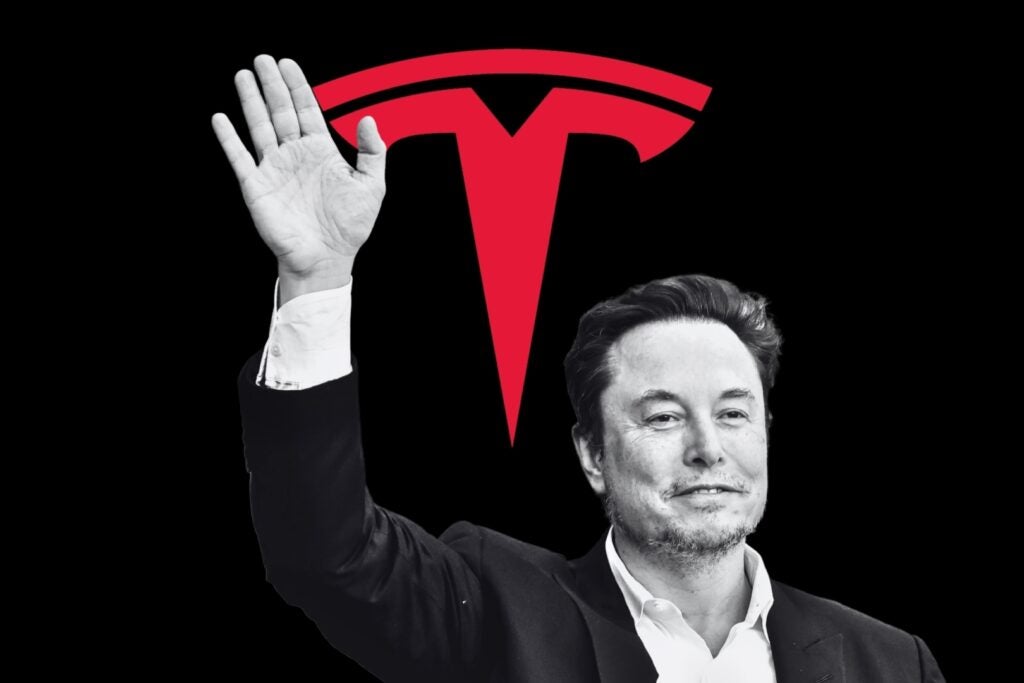
Potential Merger Analysis Between SpaceX and Tesla

- Merger Potential Discussion: The conversation around a merger between SpaceX and Tesla is gaining traction, and while the two companies do not fully align on all plans, their shared goals lend strategic significance to the potential merger.
- Technological Collaboration Projects: Both companies are collaborating with Intel to develop AI processors aimed at supporting SpaceX's orbital data centers and Tesla's robotics projects, which not only enhances the likelihood of technological integration but could also accelerate product development.
- Investment and Equity Relations: Tesla's $2 billion investment in SpaceX's xAI gives it about a 1% stake, while SpaceX's purchase of $697 million worth of Tesla's Megapack batteries establishes a financial interconnection that lays the groundwork for a potential merger.
- Regulatory and Shareholder Concerns: Any merger would require approval from both companies' boards and shareholders, with Tesla shareholders particularly focused on share conversion and SpaceX's high market cap, which could impact the feasibility and timing of the merger.

Morningstar, Inc. Declares Quarterly Dividend
- Quarterly Dividend Announcement: Morningstar's board declares a quarterly dividend of $0.50 per share, consistent with the dividend paid in April 2026, reflecting the company's stable cash flow and profitability.
- Payment Date Set: The dividend is payable on July 31, 2026, to shareholders of record as of July 10, 2026, ensuring timely returns for investors and bolstering shareholder confidence.
- Assets Under Management: As of March 31, 2026, Morningstar's assets under management reached approximately $370 billion, indicating strong performance and market position in the asset management sector.
- Global Business Reach: Operating in 32 countries, Morningstar provides independent investment insights, showcasing its extensive influence in global markets and ongoing growth potential.

Analyst Price Target Analysis Post SpaceX IPO
- Successful IPO Financing: SpaceX raised nearly $86 billion during its IPO on June 12, demonstrating strong market confidence in its future potential, although some analysts believe its valuation may be overstated, posing downside risks.
- Divergence in Analyst Price Targets: As of June 16, six analysts have set an average price target of $156 for SpaceX, indicating significant downside from the current share price of $208, reflecting a cautious market outlook on its future performance.
- AI Business Potential Assessment: Oppenheimer analyst Timothy Horan sees a potential $10 trillion market for SpaceX by 2035, contingent on overcoming technical challenges in deploying data centers in space, which is crucial for its long-term growth.
- Starship Dependency Risks: CFRA analyst Keith Snyder has set a price target of $115 for SpaceX, highlighting concerns over its heavy reliance on Starship, which could create execution bottlenecks and impact multiple growth initiatives, reflecting worries about its capital-intensive business model.
SpaceX IPO Raises Nearly $86 Billion Amid Analyst Scrutiny
- Successful IPO Financing: SpaceX's IPO on June 12 raised nearly $86 billion, with the stock price surging on its first trading day to around $208, reflecting strong market confidence in its growth prospects.
- Divergent Analyst Ratings: As of June 16, six Wall Street analysts have issued ratings on SpaceX, with KGI Securities setting the highest price target at $227, while CFRA's bearish sell rating at $115 indicates significant concerns about future performance.
- Market Potential Assessment: Oppenheimer analysts project a potential $10 trillion market opportunity for SpaceX by 2035, emphasizing the importance of deploying data centers in space, which highlights its strategic significance in the AI sector.
- Execution Risk Warning: CFRA analysts caution that SpaceX's overreliance on Starship could create execution bottlenecks, where any technical delays may ripple through major growth initiatives, urging investors to carefully assess the sustainability of its capital-intensive business model.
Morningstar Launches Public/Private Investment Portfolios
- Portfolio Innovation: Morningstar Wealth collaborates with Apollo, Franklin Templeton, and J.P. Morgan to launch public/private investment portfolios aimed at addressing implementation challenges through multi-manager selection and transparent pricing, which is expected to attract more investors into this space.
- Asset Allocation Advantage: The new portfolios will integrate public and private market strategies, including private credit and real estate, with initial models allocating approximately 12% to 20% to private markets, providing advisors with broader investment opportunities and enhancing client portfolio diversification.
- Transparent Pricing Strategy: Morningstar Wealth commits to offering transparent and competitive pricing without overlay fees, which will lower the entry barriers for traditional institutional investors and further promote the accessibility of private markets.
- Growing Market Demand: As demand for private markets continues to rise among advisors, this initiative by Morningstar not only addresses the market's focus on long-term investments but also helps advisors better serve clients in a complex market environment, ultimately enhancing overall portfolio performance.
Analysis of Potential Merger Between SpaceX and Tesla
- Overlapping Projects: SpaceX and Tesla are collaborating with Intel to design AI processors aimed at supporting SpaceX's orbital data centers and Tesla's Optimus robots and autonomous trucks, which will enhance their joint development in the AI sector.
- Investment and Equity Relations: Tesla invested $2 billion in SpaceX's xAI, acquiring about a 1% stake, while SpaceX purchased $697 million worth of Tesla's Megapack batteries, establishing a foundational relationship for a potential merger.
- Merger Complexity: Although Musk is interested in merging the two companies, any merger would require approval from both boards and shareholders, with Tesla shareholders particularly concerned about share conversion and SpaceX's high valuation and losses, which could impact the merger's feasibility.
- Future Outlook: Analysts predict that a merger could occur within a year; however, despite the merger's apparent rationale, SpaceX's current price-to-sales ratio of 130 is significantly higher than the average tech stock's 10, prompting investors to carefully consider whether to buy its shares at this time.
Potential Merger Analysis Between SpaceX and Tesla
- Merger Potential Discussion: The conversation around a merger between SpaceX and Tesla is gaining traction, and while the two companies do not fully align on all plans, their shared goals lend strategic significance to the potential merger.
- Technological Collaboration Projects: Both companies are collaborating with Intel to develop AI processors aimed at supporting SpaceX's orbital data centers and Tesla's robotics projects, which not only enhances the likelihood of technological integration but could also accelerate product development.
- Investment and Equity Relations: Tesla's $2 billion investment in SpaceX's xAI gives it about a 1% stake, while SpaceX's purchase of $697 million worth of Tesla's Megapack batteries establishes a financial interconnection that lays the groundwork for a potential merger.
- Regulatory and Shareholder Concerns: Any merger would require approval from both companies' boards and shareholders, with Tesla shareholders particularly focused on share conversion and SpaceX's high market cap, which could impact the feasibility and timing of the merger.
Morningstar, Inc. Declares Quarterly Dividend
- Quarterly Dividend Announcement: Morningstar's board declares a quarterly dividend of $0.50 per share, consistent with the dividend paid in April 2026, reflecting the company's stable cash flow and profitability.
- Payment Date Set: The dividend is payable on July 31, 2026, to shareholders of record as of July 10, 2026, ensuring timely returns for investors and bolstering shareholder confidence.
- Assets Under Management: As of March 31, 2026, Morningstar's assets under management reached approximately $370 billion, indicating strong performance and market position in the asset management sector.
- Global Business Reach: Operating in 32 countries, Morningstar provides independent investment insights, showcasing its extensive influence in global markets and ongoing growth potential.
Analyst Price Target Analysis Post SpaceX IPO
- Successful IPO Financing: SpaceX raised nearly $86 billion during its IPO on June 12, demonstrating strong market confidence in its future potential, although some analysts believe its valuation may be overstated, posing downside risks.
- Divergence in Analyst Price Targets: As of June 16, six analysts have set an average price target of $156 for SpaceX, indicating significant downside from the current share price of $208, reflecting a cautious market outlook on its future performance.
- AI Business Potential Assessment: Oppenheimer analyst Timothy Horan sees a potential $10 trillion market for SpaceX by 2035, contingent on overcoming technical challenges in deploying data centers in space, which is crucial for its long-term growth.
- Starship Dependency Risks: CFRA analyst Keith Snyder has set a price target of $115 for SpaceX, highlighting concerns over its heavy reliance on Starship, which could create execution bottlenecks and impact multiple growth initiatives, reflecting worries about its capital-intensive business model.
SpaceX IPO Raises Nearly $86 Billion Amid Analyst Scrutiny
- Successful IPO Financing: SpaceX's IPO on June 12 raised nearly $86 billion, with the stock price surging on its first trading day to around $208, reflecting strong market confidence in its growth prospects.
- Divergent Analyst Ratings: As of June 16, six Wall Street analysts have issued ratings on SpaceX, with KGI Securities setting the highest price target at $227, while CFRA's bearish sell rating at $115 indicates significant concerns about future performance.
- Market Potential Assessment: Oppenheimer analysts project a potential $10 trillion market opportunity for SpaceX by 2035, emphasizing the importance of deploying data centers in space, which highlights its strategic significance in the AI sector.
- Execution Risk Warning: CFRA analysts caution that SpaceX's overreliance on Starship could create execution bottlenecks, where any technical delays may ripple through major growth initiatives, urging investors to carefully assess the sustainability of its capital-intensive business model.