Montage Technology Shares Surge 60% on Hong Kong Debut, Raising $902 Million
Written by Emily J. Thompson, Senior Investment Analyst
Updated: Feb 09 2026
0mins
Source: CNBC
- Strong Debut Performance: Montage Technology's shares surged approximately 60% on their Hong Kong debut, climbing from the offering price of HK$106.89 to HK$171, indicating robust market demand for its high-performance semiconductors and reinforcing its position in the cloud computing and AI sectors.
- Significant Fundraising: The IPO raised $902 million, reflecting strong investor interest in Chinese AI and semiconductor firms, particularly as the public tranche was oversubscribed by more than 700 times and the international offering was nearly 38 times covered.
- Intensifying Market Competition: Despite Montage's successful listing, competition is heating up, with Huawei and its chip unit HiSilicon holding a leading share of the domestic market, suggesting that the push for self-sufficiency will lead to fiercer rivalry within the industry.
- Evolving Policy Landscape: As the Chinese government intensifies efforts for self-sufficiency in advanced chips, the recent approval for Nvidia's H200 imports under specific conditions highlights the uncertainty in policy that could impact market dynamics.
Trade with 70% Backtested Accuracy
Stop guessing "Should I Buy NVDA?" and start using high-conviction signals backed by rigorous historical data.
Sign up today to access powerful investing tools and make smarter, data-driven decisions.
Analyst Views on NVDA
Wall Street analysts forecast NVDA stock price to rise
41 Analyst Rating
39 Buy
1 Hold
1 Sell
Strong Buy
Current: 214.250

Low
200.00
Averages
264.97
High
352.00
Current: 214.250
Low
200.00
Averages
264.97
High
352.00
About NVDA
NVIDIA Corporation is an artificial intelligence (AI) infrastructure company. The Company is engaged in accelerated computing to help solve the challenging computational problems. Its segments include Compute & Networking and Graphics. The Compute & Networking segment includes its Data Center accelerated computing and networking platforms and AI solutions and software, and automotive platforms and autonomous and electric vehicle solutions, including software. The Graphics segment includes GeForce GPUs for gaming and personal computers (PCs), and Quadro/NVIDIA RTX GPUs for enterprise workstation graphics. Its technology stack includes the foundational NVIDIA CUDA development platform that runs on all NVIDIA GPUs, as well as hundreds of domain-specific software libraries, frameworks, algorithms, software development kits (SDKs), and application programming interfaces (APIs). Its platforms address four markets, which include Data Center, Gaming, Professional Visualization, and Automotive.
About the author

Emily J. Thompson
Emily J. Thompson, a Chartered Financial Analyst (CFA) with 12 years in investment research, graduated with honors from the Wharton School. Specializing in industrial and technology stocks, she provides in-depth analysis for Intellectia’s earnings and market brief reports.

Nvidia Reports Strong Earnings but Stock Declines

- Strong Earnings Report: Nvidia's fiscal Q1 2027 revenue surged 85% year-over-year to $81.6 billion, with data center revenue climbing 92% to $75.2 billion, reflecting robust market demand and significant growth potential.
- Dividend and Buyback: Management raised the quarterly dividend from $0.01 to $0.25 per share and authorized an additional $80 billion in share repurchases, indicating strong confidence in future growth and commitment to shareholder returns.
- Customer Concentration Risk: The top three customers accounted for 64% of accounts receivable, up from 56% in the previous quarter, which raises concerns about potential risks if demand from these key clients fluctuates.
- Stagnation in China: Nvidia recorded no data center compute revenue from China this quarter, compared to $4.6 billion in the same period last year, highlighting the impact of international market uncertainties on the company's performance.
See More
Groq Secures Up to $650 Million Focused on AI Inference
- Significant Fundraising: Groq is raising up to $650 million from existing investors, which will support its strategic shift towards AI inference, potentially enhancing its competitive position in the market.
- Strategic Shift Focus: Following a $17 billion licensing deal with Nvidia, Groq is transitioning from hardware to AI inference, concentrating on improving the responsiveness of trained AI models to user requests, aiming to meet the growing market demand.
- Massive Market Potential: The AI inference market is rapidly expanding, and Groq's pivot not only aligns with industry trends but could also lead to substantial revenue growth, further solidifying its position in the AI sector.
- Investor Confidence Boosted: This fundraising reflects investor confidence in Groq's future development, especially in the context of the increasing importance of AI technology, and successfully attracting capital will provide strong support for its innovation and market expansion.
See More
Dell Technologies Shares Surge 32% After Record Revenue Growth
- Significant Revenue Growth: Dell Technologies reported nearly 88% year-over-year revenue growth in Q1, marking the fastest growth since its return to the public market in 2018, demonstrating strong performance and competitiveness in the market.
- Surge in AI Server Demand: AI server revenue skyrocketed 757% year-over-year to $16.1 billion, reflecting robust market demand for Dell's servers, particularly those equipped with Nvidia GPUs, further solidifying its leadership in the AI sector.
- Earnings Exceed Expectations: Adjusted earnings per share reached $4.86, significantly surpassing market expectations of $2.94, showcasing Dell's exceptional performance in cost management and profitability, which boosts investor confidence.
- Positive Analyst Reactions: Morgan Stanley analysts noted that while they anticipated a solid quarter, Dell's results exceeded expectations, describing it as one of the most impressive quarters they have seen in hardware coverage, indicating optimistic sentiment towards Dell's future.
See More

U.S. Equity Funds Attract Inflows Amid AI Rally
- Inflows Overview: For the week ending May 27, U.S. equity funds saw a net inflow of $1.97 billion, a significant recovery from the previous week's $12 billion in net selling, indicating a gradual restoration of investor confidence in the market.
- Strong Tech Performance: Nvidia's robust demand for AI chips fueled a consecutive eighth week of inflows into technology sector funds, totaling $2.75 billion, reflecting sustained optimism among investors regarding the technology industry's growth prospects.
- Bond Funds Popularity: U.S. bond funds attracted a net inflow of $10.62 billion for the sixth consecutive week, with general domestic taxable fixed income funds and short-to-intermediate investment-grade funds receiving notable inflows of $2.74 billion and $2.38 billion, respectively, highlighting a preference for fixed-income assets amid market volatility.
- Money Market Fund Growth: U.S. money market funds garnered inflows of $8.38 billion for the second week in a row, demonstrating investors' inclination towards safe liquidity options in an uncertain market environment.
See More

Google Partners with Blackstone to Launch AI Cloud Company

- New AI Cloud Company: Google has partnered with Blackstone to establish a new AI cloud computing company, aiming to deploy 500 megawatts of capacity by 2027, which could disrupt Nvidia and CoreWeave's market positions in AI hardware and cloud services.
- Threat to Nvidia's Market Share: Nvidia currently holds an 86% revenue share in the data center market, but Google's increased reliance on its own TPUs may reduce dependence on Nvidia processors, with capital expenditures projected to reach $185 billion this year, potentially impacting Nvidia's sales.
- Competitive Pressure on CoreWeave: Google's entry into the AI cloud space poses a threat to CoreWeave, with analysts warning that competition could compress CoreWeave's pricing power and margins, particularly as it seeks to expand its enterprise client base.
- Intensifying AI Infrastructure Competition: As companies like Google ramp up investments in AI infrastructure, market competition is intensifying, putting previously dominant AI firms under unprecedented pressure, prompting investors to closely monitor industry developments.
See More
Nvidia's Rise in the Edge AI Market

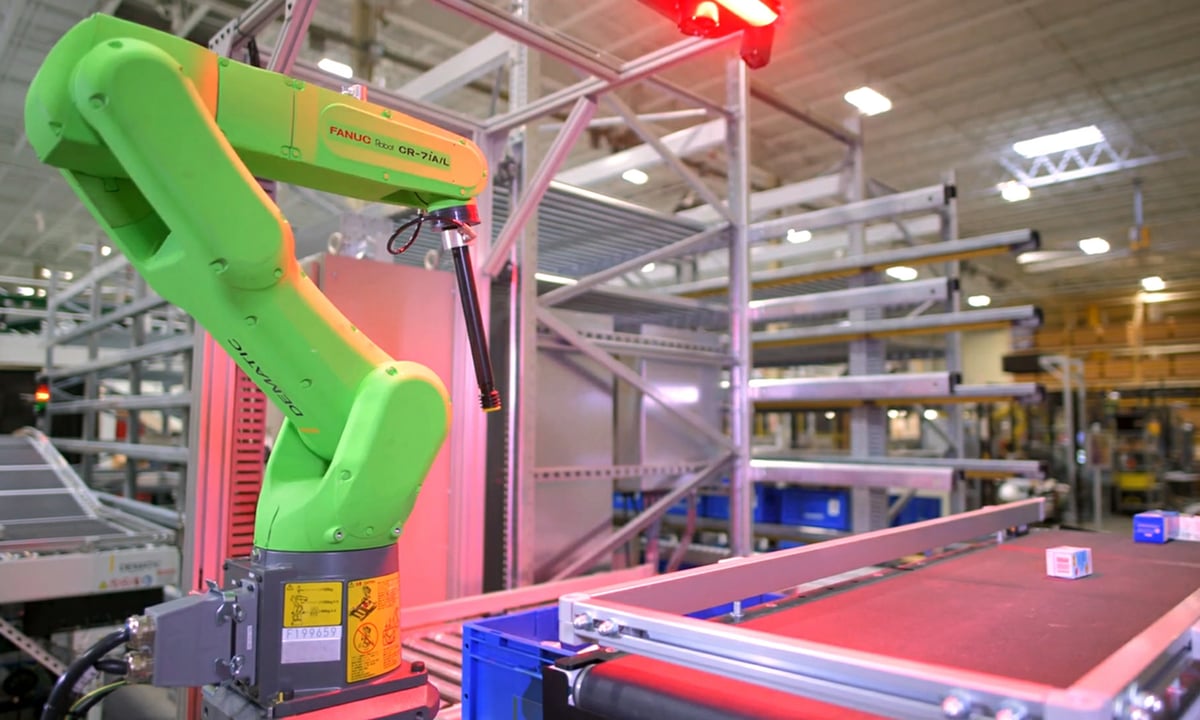
- Edge AI Market Growth: Nvidia's physical AI revenue has exceeded $9 billion over the past twelve months, a 50% increase from $6 billion in fiscal 2026, indicating strong growth potential in edge AI applications that is expected to drive future revenue growth.
- Strategic Partnerships: Nvidia's collaboration with Uber will power a robotaxi fleet across nearly 30 cities and 4 continents by 2028, which not only strengthens its market position in physical AI but also lays the groundwork for future revenue growth.
- Expansive Market Outlook: Market research firm Counterpoint estimates that shipments of physical AI devices could reach 145 million units cumulatively between 2025 and 2035, primarily driven by robots, autonomous vehicles, and drones, providing Nvidia with significant market opportunities.
- New Product Line Expansion: Nvidia plans to sell its Vera server CPUs as standalone products, which is expected to generate an additional $20 billion in revenue this year, further expanding its $200 billion addressable market and enhancing the company's long-term growth prospects.
See More
Nvidia Reports Strong Earnings but Stock Declines
- Strong Earnings Report: Nvidia's fiscal Q1 2027 revenue surged 85% year-over-year to $81.6 billion, with data center revenue climbing 92% to $75.2 billion, reflecting robust market demand and significant growth potential.
- Dividend and Buyback: Management raised the quarterly dividend from $0.01 to $0.25 per share and authorized an additional $80 billion in share repurchases, indicating strong confidence in future growth and commitment to shareholder returns.
- Customer Concentration Risk: The top three customers accounted for 64% of accounts receivable, up from 56% in the previous quarter, which raises concerns about potential risks if demand from these key clients fluctuates.
- Stagnation in China: Nvidia recorded no data center compute revenue from China this quarter, compared to $4.6 billion in the same period last year, highlighting the impact of international market uncertainties on the company's performance.
See More
Groq Secures Up to $650 Million Focused on AI Inference
- Significant Fundraising: Groq is raising up to $650 million from existing investors, which will support its strategic shift towards AI inference, potentially enhancing its competitive position in the market.
- Strategic Shift Focus: Following a $17 billion licensing deal with Nvidia, Groq is transitioning from hardware to AI inference, concentrating on improving the responsiveness of trained AI models to user requests, aiming to meet the growing market demand.
- Massive Market Potential: The AI inference market is rapidly expanding, and Groq's pivot not only aligns with industry trends but could also lead to substantial revenue growth, further solidifying its position in the AI sector.
- Investor Confidence Boosted: This fundraising reflects investor confidence in Groq's future development, especially in the context of the increasing importance of AI technology, and successfully attracting capital will provide strong support for its innovation and market expansion.
See More
Dell Technologies Shares Surge 32% After Record Revenue Growth
- Significant Revenue Growth: Dell Technologies reported nearly 88% year-over-year revenue growth in Q1, marking the fastest growth since its return to the public market in 2018, demonstrating strong performance and competitiveness in the market.
- Surge in AI Server Demand: AI server revenue skyrocketed 757% year-over-year to $16.1 billion, reflecting robust market demand for Dell's servers, particularly those equipped with Nvidia GPUs, further solidifying its leadership in the AI sector.
- Earnings Exceed Expectations: Adjusted earnings per share reached $4.86, significantly surpassing market expectations of $2.94, showcasing Dell's exceptional performance in cost management and profitability, which boosts investor confidence.
- Positive Analyst Reactions: Morgan Stanley analysts noted that while they anticipated a solid quarter, Dell's results exceeded expectations, describing it as one of the most impressive quarters they have seen in hardware coverage, indicating optimistic sentiment towards Dell's future.
See More
U.S. Equity Funds Attract Inflows Amid AI Rally
- Inflows Overview: For the week ending May 27, U.S. equity funds saw a net inflow of $1.97 billion, a significant recovery from the previous week's $12 billion in net selling, indicating a gradual restoration of investor confidence in the market.
- Strong Tech Performance: Nvidia's robust demand for AI chips fueled a consecutive eighth week of inflows into technology sector funds, totaling $2.75 billion, reflecting sustained optimism among investors regarding the technology industry's growth prospects.
- Bond Funds Popularity: U.S. bond funds attracted a net inflow of $10.62 billion for the sixth consecutive week, with general domestic taxable fixed income funds and short-to-intermediate investment-grade funds receiving notable inflows of $2.74 billion and $2.38 billion, respectively, highlighting a preference for fixed-income assets amid market volatility.
- Money Market Fund Growth: U.S. money market funds garnered inflows of $8.38 billion for the second week in a row, demonstrating investors' inclination towards safe liquidity options in an uncertain market environment.
See More
Google Partners with Blackstone to Launch AI Cloud Company
- New AI Cloud Company: Google has partnered with Blackstone to establish a new AI cloud computing company, aiming to deploy 500 megawatts of capacity by 2027, which could disrupt Nvidia and CoreWeave's market positions in AI hardware and cloud services.
- Threat to Nvidia's Market Share: Nvidia currently holds an 86% revenue share in the data center market, but Google's increased reliance on its own TPUs may reduce dependence on Nvidia processors, with capital expenditures projected to reach $185 billion this year, potentially impacting Nvidia's sales.
- Competitive Pressure on CoreWeave: Google's entry into the AI cloud space poses a threat to CoreWeave, with analysts warning that competition could compress CoreWeave's pricing power and margins, particularly as it seeks to expand its enterprise client base.
- Intensifying AI Infrastructure Competition: As companies like Google ramp up investments in AI infrastructure, market competition is intensifying, putting previously dominant AI firms under unprecedented pressure, prompting investors to closely monitor industry developments.
See More
Nvidia's Rise in the Edge AI Market
- Edge AI Market Growth: Nvidia's physical AI revenue has exceeded $9 billion over the past twelve months, a 50% increase from $6 billion in fiscal 2026, indicating strong growth potential in edge AI applications that is expected to drive future revenue growth.
- Strategic Partnerships: Nvidia's collaboration with Uber will power a robotaxi fleet across nearly 30 cities and 4 continents by 2028, which not only strengthens its market position in physical AI but also lays the groundwork for future revenue growth.
- Expansive Market Outlook: Market research firm Counterpoint estimates that shipments of physical AI devices could reach 145 million units cumulatively between 2025 and 2035, primarily driven by robots, autonomous vehicles, and drones, providing Nvidia with significant market opportunities.
- New Product Line Expansion: Nvidia plans to sell its Vera server CPUs as standalone products, which is expected to generate an additional $20 billion in revenue this year, further expanding its $200 billion addressable market and enhancing the company's long-term growth prospects.
See More