Middle East Tensions Drive Market Volatility
Written by Emily J. Thompson, Senior Investment Analyst
Updated: May 26 2026
0mins
Source: CNBC
- Market Reaction: The re-escalation of tensions in the Middle East has led to significant market volatility, with investors struggling to find a reliable theme, particularly after President Trump's announcement of a 'largely negotiated' deal with Iran, which caused crude oil prices to plummet and stocks to rally, highlighting the market's sensitivity to headlines.
- Oil and Volatility Correlation: WTI crude oil was trading around $50 at the beginning of the year, while the volatility index (VIX) hovered in the mid-teens; however, as the Iranian conflict intensified, both crude oil and volatility began to rise, indicating a clear correlation between the two, leaving future market expectations uncertain.
- Energy vs. Technology Performance: Contrary to popular belief that technology stocks are leading, the energy sector has risen 32% year-to-date, outpacing technology's 29%, suggesting that in a volatile market, energy remains a focal point for investors, especially as global supply chains face disruptions.
- Airline Recovery Signals: With the JETS ETF breaking above April highs, airlines like Delta and American Airlines, which were severely impacted by the conflict, are showing signs of recovery, indicating that the airline sector may perform better in the future, particularly if oil prices decline.
Trade with 70% Backtested Accuracy
Stop guessing "Should I Buy DAL?" and start using high-conviction signals backed by rigorous historical data.
Sign up today to access powerful investing tools and make smarter, data-driven decisions.
Analyst Views on DAL
Wall Street analysts forecast DAL stock price to rise
18 Analyst Rating
18 Buy
0 Hold
0 Sell
Strong Buy
Current: 82.250

Low
77.00
Averages
83.50
High
90.00
Current: 82.250
Low
77.00
Averages
83.50
High
90.00
About DAL
Delta Air Lines, Inc. provides scheduled air transportation for passengers and cargo throughout the United States and around the world. The Company has hubs and markets in Amsterdam, Atlanta, Bogota, Boston, Detroit, Lima, London-Heathrow, Los Angeles, Mexico City, Minneapolis-St. Paul, New York-JFK and LaGuardia, Paris-Charles de Gaulle, Salt Lake City, Santiago (Chile), Sao Paulo, Seattle, Seoul-Incheon, and Tokyo. Its segments include Airline and Refinery. Its airline segment is managed as a single business unit that provides scheduled air transportation for passengers and cargo throughout the United States and around the world and includes its loyalty program, as well as other ancillary businesses. Its refinery segment operates for the benefit of the airline segment by providing jet fuel to the airline segment from its own production and through jet fuel obtained through agreements with third parties. The refinery's production consists of jet fuel as well as non-jet fuel products.
About the author

Emily J. Thompson
Emily J. Thompson, a Chartered Financial Analyst (CFA) with 12 years in investment research, graduated with honors from the Wharton School. Specializing in industrial and technology stocks, she provides in-depth analysis for Intellectia’s earnings and market brief reports.
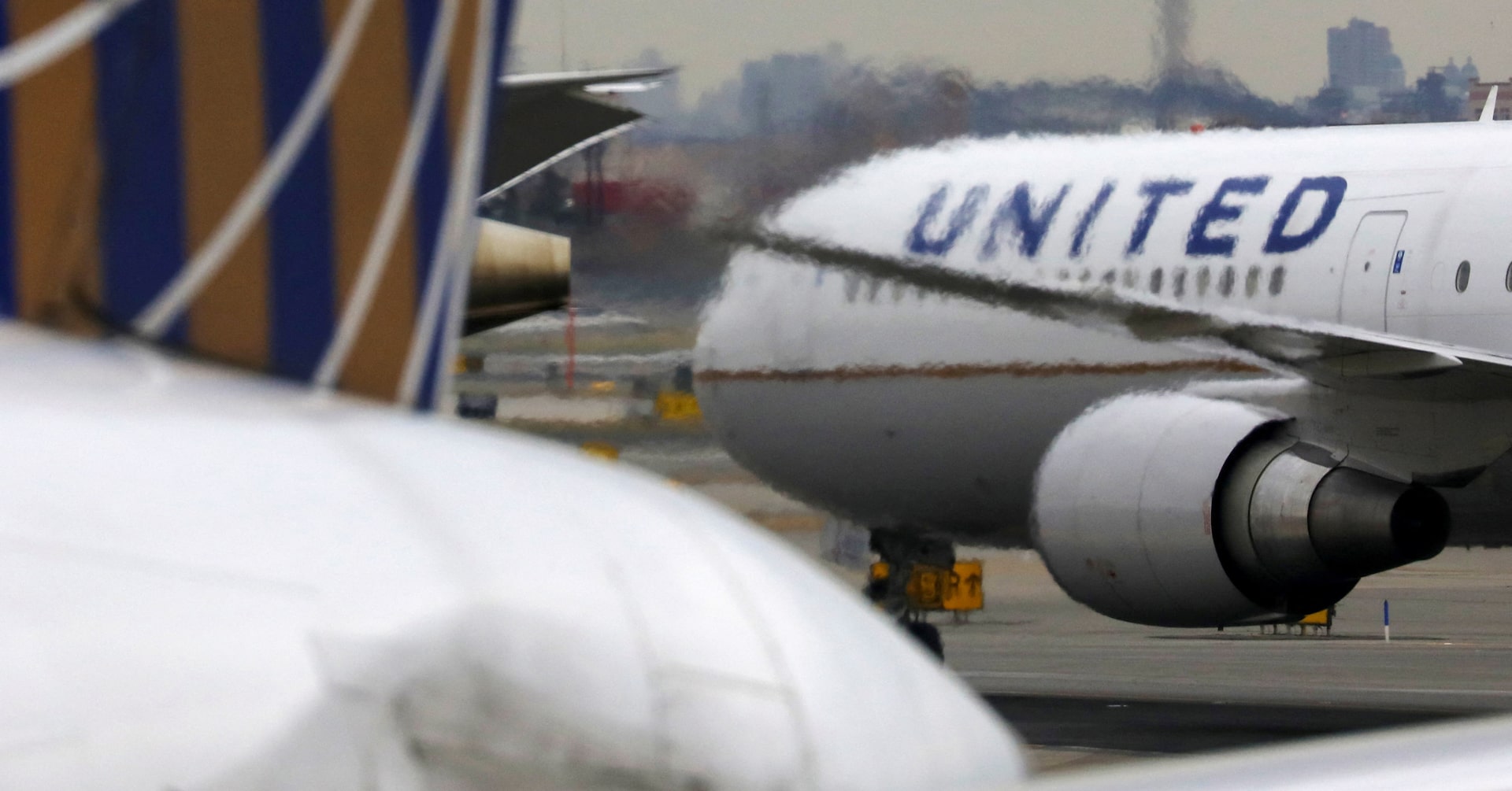
Delta Air Lines to Host Q2 2026 Financial Results Conference Call

- Conference Call Announcement: Delta Air Lines will hold a financial results conference call on July 10, 2026, at 10 a.m. ET to discuss its Q2 2026 financial results, which is expected to attract significant attention from investors and analysts.
- Live Webcast Availability: The event will be available via live webcast on Delta's official website, with an online replay accessible shortly after the event, ensuring stakeholders unable to attend live can still access critical information.
- Customer Service Innovation: In 2025, Delta served over 200 million customers and was recognized by Cirium as the top on-time airline in North America for the fifth consecutive year, highlighting its ongoing commitment to customer experience excellence.
- Global Route Network: Delta operates up to 5,500 flights daily to over 300 destinations across six continents, showcasing its robust network and service capabilities in the global aviation market.
See More

Decline of Low-Cost Airline Options in the U.S.


- Market Shift: The exit of Spirit Airlines has reduced low-cost flight options, forcing consumers to face higher fares during the busy summer travel season, which may adversely affect families and budget travelers.
- Premium Market Growth: Delta Air Lines reported a record annual revenue of $58.3 billion for 2025, despite a $1.1 billion drop in economy ticket sales, with 60% of revenue now coming from premium cabins and loyalty programs, indicating a shift in consumer preference towards higher-end services.
- Fuel Cost Pressure: U.S. carriers spent 56.4% more on jet fuel in March 2026 compared to February, totaling $5.06 billion, which compels airlines to raise fares to cope with rising costs, significantly impacting smaller carriers.
- Future of Low-Cost Carriers: While new entrants like Breeze Airways aim to fill the void left by Spirit, high fuel costs and competitive pressures pose challenges to the profitability of low-cost airlines, leaving their future growth uncertain.
See More

Delta Air Lines Announces 15% Dividend Increase

- Dividend Increase: Delta Air Lines' board approved a 15% hike in its quarterly cash dividend, raising it from 18.75 cents to 21.50 cents per share, which annualizes to 86 cents, reflecting the company's strong financial position and robust cash flow generation.
- Commitment to Shareholders: The increased dividend will be paid on July 30, 2026, to shareholders of record as of June 9, 2026, underscoring Delta's ongoing commitment to delivering value to shareholders and enhancing investor confidence.
- Stock Performance: Following the dividend announcement, Delta's shares rose 2.4% to close at $84.18 on June 18, 2026, indicating positive market sentiment and investor optimism regarding the company's future performance.
- Sustained Growth Trend: Since reinstating shareholder payouts in 2023, Delta has consistently increased its dividend, with hikes of 50% in 2024 and 25% in 2025, demonstrating the company's strong commitment to enhancing shareholder returns over time.
See More
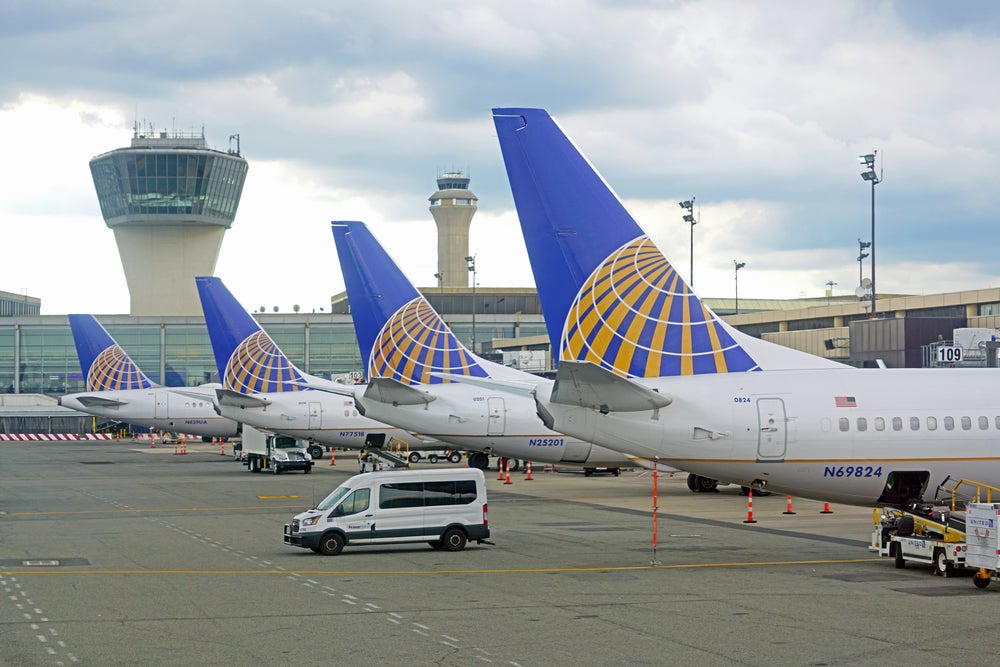
Delta Air Lines to Host Q2 2026 Financial Results Conference Call
- Earnings Call Announcement: Delta Air Lines will hold a financial results conference call on July 10, 2026, at 10 a.m. ET to discuss its Q2 2026 financial performance, which is expected to positively impact investors and the market.
- Webcast Availability: The event will be available via live webcast on Delta's official website, with an online replay accessible shortly after, ensuring that investors unable to attend live can still access critical information, enhancing transparency.
- Customer Service Innovation: In 2025, Delta served over 200 million customers and was recognized by Cirium as the top on-time airline in North America, showcasing its leadership in the industry and commitment to continuous improvement in customer service.
- Global Flight Network: Operating up to 5,500 flights daily to over 300 destinations, Delta's 100,000 employees are dedicated to providing personalized travel experiences, further solidifying its competitive advantage in the global airline market.
See More
US Stocks Rise on US-Iran Peace Deal Optimism


- Market Rally: The S&P 500 rose 1.08%, the Dow Jones increased by 0.14%, and the Nasdaq 100 surged 2.48% as optimism over the US-Iran peace deal eased inflation risks, reflecting a positive market sentiment.
- Chip Sector Surge: Intel's stock jumped over 10% after President Trump announced a partnership with Apple to design and produce semiconductors domestically, leading the iShares Semiconductor ETF to rise more than 7%, indicating strong momentum in the tech sector.
- Energy Stocks Weaken: WTI crude oil prices fell to a 3.5-month low, causing significant declines in energy stocks, with SLB, ConocoPhillips, and Halliburton dropping over 3%, highlighting concerns over energy price volatility.
- Supportive Economic Data: Initial jobless claims fell to 226,000, close to the expected 225,000, indicating labor market strength, while the Philadelphia Fed business outlook index rose to 10.3, surpassing expectations, further boosting investor confidence.
See More

Warren Buffett: Wisdom in Holding Growth Stocks Long-Term

- Joby Aviation Outlook: Joby Aviation leads the electric vertical takeoff and landing (eVTOL) market with its S4 eVTOL capable of carrying a pilot and four passengers for 150 miles on a single charge, with revenue expected to surge from $53 million to $458 million between 2025 and 2028, indicating significant market potential despite current unprofitability.
- AST SpaceMobile Expansion Plans: AST SpaceMobile focuses on developing low Earth orbit satellites to assist AT&T and Verizon in expanding wireless networks, with revenue projected to grow from $71 million to $1.88 billion from 2025 to 2028, supported by FCC approval of its ambitious expansion plans, reflecting strong market demand.
- QuantumScape Battery Technology: QuantumScape's solid-state batteries outperform traditional lithium-ion batteries in thermal resistance, charging speed, and capacity, with anticipated revenues of $51 million in 2027 and $99 million in 2028, presenting substantial long-term gains if successful commercialization occurs.
- Investment Opportunities Amid Volatility: Despite short-term fluctuations in the stocks of Joby Aviation, AST SpaceMobile, and QuantumScape, Buffett's investment philosophy emphasizes the importance of holding these growth stocks long-term to capture potential benefits from future market expansion and technological advancements.
See More
Delta Air Lines to Host Q2 2026 Financial Results Conference Call
- Conference Call Announcement: Delta Air Lines will hold a financial results conference call on July 10, 2026, at 10 a.m. ET to discuss its Q2 2026 financial results, which is expected to attract significant attention from investors and analysts.
- Live Webcast Availability: The event will be available via live webcast on Delta's official website, with an online replay accessible shortly after the event, ensuring stakeholders unable to attend live can still access critical information.
- Customer Service Innovation: In 2025, Delta served over 200 million customers and was recognized by Cirium as the top on-time airline in North America for the fifth consecutive year, highlighting its ongoing commitment to customer experience excellence.
- Global Route Network: Delta operates up to 5,500 flights daily to over 300 destinations across six continents, showcasing its robust network and service capabilities in the global aviation market.
See More
Decline of Low-Cost Airline Options in the U.S.
- Market Shift: The exit of Spirit Airlines has reduced low-cost flight options, forcing consumers to face higher fares during the busy summer travel season, which may adversely affect families and budget travelers.
- Premium Market Growth: Delta Air Lines reported a record annual revenue of $58.3 billion for 2025, despite a $1.1 billion drop in economy ticket sales, with 60% of revenue now coming from premium cabins and loyalty programs, indicating a shift in consumer preference towards higher-end services.
- Fuel Cost Pressure: U.S. carriers spent 56.4% more on jet fuel in March 2026 compared to February, totaling $5.06 billion, which compels airlines to raise fares to cope with rising costs, significantly impacting smaller carriers.
- Future of Low-Cost Carriers: While new entrants like Breeze Airways aim to fill the void left by Spirit, high fuel costs and competitive pressures pose challenges to the profitability of low-cost airlines, leaving their future growth uncertain.
See More
Delta Air Lines Announces 15% Dividend Increase
- Dividend Increase: Delta Air Lines' board approved a 15% hike in its quarterly cash dividend, raising it from 18.75 cents to 21.50 cents per share, which annualizes to 86 cents, reflecting the company's strong financial position and robust cash flow generation.
- Commitment to Shareholders: The increased dividend will be paid on July 30, 2026, to shareholders of record as of June 9, 2026, underscoring Delta's ongoing commitment to delivering value to shareholders and enhancing investor confidence.
- Stock Performance: Following the dividend announcement, Delta's shares rose 2.4% to close at $84.18 on June 18, 2026, indicating positive market sentiment and investor optimism regarding the company's future performance.
- Sustained Growth Trend: Since reinstating shareholder payouts in 2023, Delta has consistently increased its dividend, with hikes of 50% in 2024 and 25% in 2025, demonstrating the company's strong commitment to enhancing shareholder returns over time.
See More
Delta Air Lines to Host Q2 2026 Financial Results Conference Call
- Earnings Call Announcement: Delta Air Lines will hold a financial results conference call on July 10, 2026, at 10 a.m. ET to discuss its Q2 2026 financial performance, which is expected to positively impact investors and the market.
- Webcast Availability: The event will be available via live webcast on Delta's official website, with an online replay accessible shortly after, ensuring that investors unable to attend live can still access critical information, enhancing transparency.
- Customer Service Innovation: In 2025, Delta served over 200 million customers and was recognized by Cirium as the top on-time airline in North America, showcasing its leadership in the industry and commitment to continuous improvement in customer service.
- Global Flight Network: Operating up to 5,500 flights daily to over 300 destinations, Delta's 100,000 employees are dedicated to providing personalized travel experiences, further solidifying its competitive advantage in the global airline market.
See More
US Stocks Rise on US-Iran Peace Deal Optimism
- Market Rally: The S&P 500 rose 1.08%, the Dow Jones increased by 0.14%, and the Nasdaq 100 surged 2.48% as optimism over the US-Iran peace deal eased inflation risks, reflecting a positive market sentiment.
- Chip Sector Surge: Intel's stock jumped over 10% after President Trump announced a partnership with Apple to design and produce semiconductors domestically, leading the iShares Semiconductor ETF to rise more than 7%, indicating strong momentum in the tech sector.
- Energy Stocks Weaken: WTI crude oil prices fell to a 3.5-month low, causing significant declines in energy stocks, with SLB, ConocoPhillips, and Halliburton dropping over 3%, highlighting concerns over energy price volatility.
- Supportive Economic Data: Initial jobless claims fell to 226,000, close to the expected 225,000, indicating labor market strength, while the Philadelphia Fed business outlook index rose to 10.3, surpassing expectations, further boosting investor confidence.
See More
Warren Buffett: Wisdom in Holding Growth Stocks Long-Term
- Joby Aviation Outlook: Joby Aviation leads the electric vertical takeoff and landing (eVTOL) market with its S4 eVTOL capable of carrying a pilot and four passengers for 150 miles on a single charge, with revenue expected to surge from $53 million to $458 million between 2025 and 2028, indicating significant market potential despite current unprofitability.
- AST SpaceMobile Expansion Plans: AST SpaceMobile focuses on developing low Earth orbit satellites to assist AT&T and Verizon in expanding wireless networks, with revenue projected to grow from $71 million to $1.88 billion from 2025 to 2028, supported by FCC approval of its ambitious expansion plans, reflecting strong market demand.
- QuantumScape Battery Technology: QuantumScape's solid-state batteries outperform traditional lithium-ion batteries in thermal resistance, charging speed, and capacity, with anticipated revenues of $51 million in 2027 and $99 million in 2028, presenting substantial long-term gains if successful commercialization occurs.
- Investment Opportunities Amid Volatility: Despite short-term fluctuations in the stocks of Joby Aviation, AST SpaceMobile, and QuantumScape, Buffett's investment philosophy emphasizes the importance of holding these growth stocks long-term to capture potential benefits from future market expansion and technological advancements.
See More