Microsoft and OpenAI's Tensions May Benefit Investors
Written by Emily J. Thompson, Senior Investment Analyst
Updated: 5 days ago
0mins

Source: Fool
- Deteriorating Partnership: Microsoft and OpenAI have ended their exclusivity agreement, leading to heightened tensions, with Microsoft potentially considering legal action over OpenAI's deal with Amazon, which could impact Microsoft's market strategy and investor confidence.
- Self-Sufficient AI Infrastructure: Microsoft is heavily investing in its own AI infrastructure, developing proprietary reasoning models and a multifunction super app, thereby reducing reliance on OpenAI and enhancing its competitive position in the AI sector.
- Risk Mitigation: By decreasing dependency on OpenAI, Microsoft lowers investment risks and ensures Azure's relevance, while also providing greater control over its future AI developments, which boosts investor confidence.
- Valuable OpenAI Stake: Despite the strained relationship, Microsoft retains a 27% stake in OpenAI, recently valued at $135 billion, which supports Microsoft's financial standing and highlights the deep connection between the two entities.
Trade with 70% Backtested Accuracy
Stop guessing "Should I Buy MSFT?" and start using high-conviction signals backed by rigorous historical data.
Sign up today to access powerful investing tools and make smarter, data-driven decisions.
Analyst Views on MSFT
Wall Street analysts forecast MSFT stock price to rise
34 Analyst Rating
32 Buy
2 Hold
0 Sell
Strong Buy
Current: 390.340

Low
500.00
Averages
631.36
High
678.00
Current: 390.340
Low
500.00
Averages
631.36
High
678.00
About MSFT
Microsoft Corporation is a technology company. The Company develops and supports software, services, devices, and solutions. The Company’s segments include Productivity and Business Processes, Intelligent Cloud, and More Personal Computing. The Productivity and Business Processes segment consists of products and services in its portfolio of productivity, communication, and information services. This segment primarily comprises: Office Commercial, Office Consumer, LinkedIn, and Dynamics business solutions. The Intelligent Cloud segment consists of server products and cloud services, including Azure and other cloud services, SQL Server, Windows Server, Visual Studio, System Center, and related Client Access Licenses (CALs), and Nuance and GitHub; and Enterprise Services, including enterprise support services, industry solutions and Nuance professional services. The More Personal Computing segment primarily comprises Windows, Devices, Gaming, and search and news advertising.
About the author

Emily J. Thompson
Emily J. Thompson, a Chartered Financial Analyst (CFA) with 12 years in investment research, graduated with honors from the Wharton School. Specializing in industrial and technology stocks, she provides in-depth analysis for Intellectia’s earnings and market brief reports.
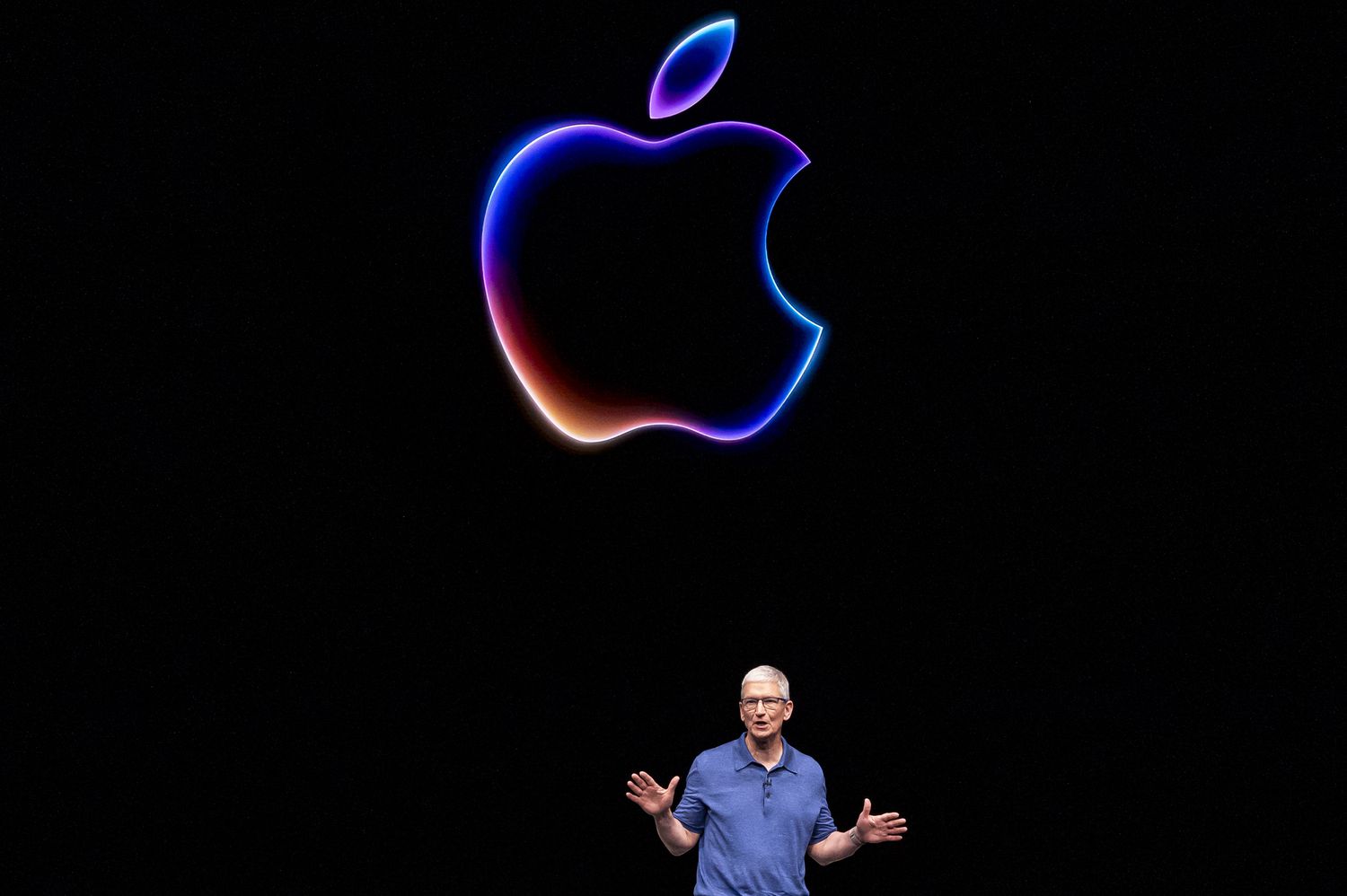
Microsoft's AI Business Thrives Amid Low Valuation

- Significant AI Growth: In Q3 of fiscal 2026, Microsoft's AI business achieved an annual revenue run rate of $37 billion, growing 123% year-over-year, demonstrating strong market demand particularly in cloud computing and core product integration, thereby solidifying its leadership in the AI sector.
- Surge in Cloud Revenue: Azure's revenue increased by 40% year-over-year, reflecting robust demand for cloud services essential for processing and training AI workloads, which provides strong support for Microsoft's overall performance.
- Low Stock Valuation: Despite the impressive performance of its AI business, Microsoft's stock trades at a low cash flow valuation not seen since 2019, indicating a market underestimation of its future growth potential, which may present a buying opportunity for investors.
- Peer Comparison: Microsoft's valuation is comparable to Amazon's but significantly lower than Alphabet and Apple, suggesting that given its strong AI growth, there is reason to believe Microsoft's valuation could rebound, potentially offering capital appreciation for investors.
See More

Microsoft's Strong AI Growth Amidst Stock Decline Raises Buy Interest
- Stock Performance Decline: Microsoft's stock has fallen approximately 17% this year while the S&P 500 has risen about 7%, indicating a decline in market confidence and raising concerns among investors about its future performance.
- Significant AI Growth: In Q3 of fiscal 2026, Microsoft's Azure cloud revenue increased by 40% year-over-year, and its AI business saw a remarkable annual revenue growth rate of 123%, reflecting strong demand for AI infrastructure.
- Low Valuation: Microsoft's price-to-cash-from-operations valuation is at its lowest since 2019, suggesting that the stock is undervalued within the AI sector, potentially offering a buying opportunity for investors.
- Peer Comparison: Microsoft's valuation is comparable to Amazon's but significantly lower than that of Alphabet, Apple, and Nvidia, leading analysts to believe that Microsoft could return to similar valuation levels as its peers, enhancing its attractiveness as an investment.
See More
Microsoft Faces Class Action Lawsuit Allegations
- Lawsuit Background: Microsoft Corporation (NASDAQ: MSFT) is facing a class action lawsuit for failing to disclose significant issues with its Copilot products during the class period from May 1, 2025, to January 28, 2026, which may have led to substantial investor losses due to alleged violations of the Securities Exchange Act of 1934.
- Financial Impact: In the second quarter of fiscal 2026, Microsoft's capital expenditures surged to $37.5 billion, significantly up from $88.2 billion in fiscal 2025, reflecting the company's massive investment in AI R&D, yet this diversion of resources has caused a slowdown in Azure growth, failing to meet market expectations.
- Market Reaction: Following the disappointing earnings report, where paid Copilot users totaled only 15 million—far below the 450 million commercial Microsoft 365 users expected—Microsoft's stock price fell nearly 10%, indicating investor concerns about the company's future prospects.
- Strategic Adjustment: In response to the functionality issues plaguing Copilot, Microsoft is reorganizing its product teams to unify commercial and consumer versions, aiming to enhance product competitiveness and improve user experience, a move that could significantly impact the company's long-term market positioning.
See More

Cloud Computing Drives Long-Term Growth for Tech Stocks

- AI Infrastructure Investment: By 2026, the four major AI hyperscalers are expected to spend a record $650 billion on data center capital expenditures, with this figure projected to reach $1 trillion in 2024, indicating strong demand for cloud computing that will drive long-term growth potential for companies like Nvidia.
- Nvidia's Market Outlook: As a GPU manufacturer, Nvidia anticipates global data center capital expenditures will reach $3 trillion to $4 trillion by 2030, and with the increasing need for replacement of aging equipment, Nvidia is set to secure a continuous revenue stream, solidifying its market position.
- Dual Role of Cloud Computing: Amazon and Microsoft leverage their cloud platforms (AWS and Azure) not only to provide infrastructure for AI companies but also to ensure stable subscription revenues through usage-based pricing, with significant growth expected in the coming years.
- Long-Term Investment Strategy: Amazon and Microsoft are investing hundreds of billions in capital expenditures, and while the short-term spending is substantial, these investments will lay the groundwork for future growth, encouraging investors to maintain a long-term perspective for higher returns.
See More

SpaceX's Successful IPO Sparks New Wave of AI Offerings


- Market Enthusiasm: SpaceX's IPO closed at $161 per share, giving it a market value of approximately $2.1 trillion, capturing significant attention from both Wall Street and Main Street, indicating strong investor interest in emerging tech companies.
- Opportunities for AI Firms: Cramer highlighted that SpaceX's success could encourage other companies, particularly in the AI sector like Anthropic, to quickly enter the market for funding, thereby accelerating their technology development and market expansion.
- Oil Prices and Inflation: Cramer noted that developments in the Middle East could impact oil prices, suggesting that a lasting peace could lead to lower oil prices, which would help alleviate inflationary pressures and create a favorable environment for economic recovery.
- Future Market Outlook: Cramer believes that SpaceX's successful debut supports market sentiment, indicating a potentially positive market performance in the upcoming week, especially with the approaching Federal Reserve meeting and economic data releases.
See More

SpaceX's Successful IPO May Spark AI Offering Wave
- Successful IPO of SpaceX: SpaceX's debut at $161 per share, valuing the company at approximately $2.1 trillion, injects confidence into the market and may encourage more AI-related firms like Anthropic to pursue IPOs.
- Positive Market Reaction: Cramer notes that SpaceX's success could prompt companies like Microsoft, Meta, and Amazon to sell stock to fund their AI initiatives, reflecting strong market interest and potential growth in AI investments.
- Economic Indicators to Watch: Cramer advises investors to pay attention to upcoming housing starts and retail sales data, as these metrics will provide crucial insights for the Federal Reserve's interest rate decisions, especially amid signs of economic slowdown.
- Geopolitical Impact: Cramer highlights that developments in the Middle East could affect oil prices, suggesting that a lasting peace could lead to lower oil prices, which would help alleviate inflationary pressures and create a more favorable environment for the market.
See More
Microsoft's AI Business Thrives Amid Low Valuation
- Significant AI Growth: In Q3 of fiscal 2026, Microsoft's AI business achieved an annual revenue run rate of $37 billion, growing 123% year-over-year, demonstrating strong market demand particularly in cloud computing and core product integration, thereby solidifying its leadership in the AI sector.
- Surge in Cloud Revenue: Azure's revenue increased by 40% year-over-year, reflecting robust demand for cloud services essential for processing and training AI workloads, which provides strong support for Microsoft's overall performance.
- Low Stock Valuation: Despite the impressive performance of its AI business, Microsoft's stock trades at a low cash flow valuation not seen since 2019, indicating a market underestimation of its future growth potential, which may present a buying opportunity for investors.
- Peer Comparison: Microsoft's valuation is comparable to Amazon's but significantly lower than Alphabet and Apple, suggesting that given its strong AI growth, there is reason to believe Microsoft's valuation could rebound, potentially offering capital appreciation for investors.
See More
Microsoft's Strong AI Growth Amidst Stock Decline Raises Buy Interest
- Stock Performance Decline: Microsoft's stock has fallen approximately 17% this year while the S&P 500 has risen about 7%, indicating a decline in market confidence and raising concerns among investors about its future performance.
- Significant AI Growth: In Q3 of fiscal 2026, Microsoft's Azure cloud revenue increased by 40% year-over-year, and its AI business saw a remarkable annual revenue growth rate of 123%, reflecting strong demand for AI infrastructure.
- Low Valuation: Microsoft's price-to-cash-from-operations valuation is at its lowest since 2019, suggesting that the stock is undervalued within the AI sector, potentially offering a buying opportunity for investors.
- Peer Comparison: Microsoft's valuation is comparable to Amazon's but significantly lower than that of Alphabet, Apple, and Nvidia, leading analysts to believe that Microsoft could return to similar valuation levels as its peers, enhancing its attractiveness as an investment.
See More
Microsoft Faces Class Action Lawsuit Allegations
- Lawsuit Background: Microsoft Corporation (NASDAQ: MSFT) is facing a class action lawsuit for failing to disclose significant issues with its Copilot products during the class period from May 1, 2025, to January 28, 2026, which may have led to substantial investor losses due to alleged violations of the Securities Exchange Act of 1934.
- Financial Impact: In the second quarter of fiscal 2026, Microsoft's capital expenditures surged to $37.5 billion, significantly up from $88.2 billion in fiscal 2025, reflecting the company's massive investment in AI R&D, yet this diversion of resources has caused a slowdown in Azure growth, failing to meet market expectations.
- Market Reaction: Following the disappointing earnings report, where paid Copilot users totaled only 15 million—far below the 450 million commercial Microsoft 365 users expected—Microsoft's stock price fell nearly 10%, indicating investor concerns about the company's future prospects.
- Strategic Adjustment: In response to the functionality issues plaguing Copilot, Microsoft is reorganizing its product teams to unify commercial and consumer versions, aiming to enhance product competitiveness and improve user experience, a move that could significantly impact the company's long-term market positioning.
See More
Cloud Computing Drives Long-Term Growth for Tech Stocks
- AI Infrastructure Investment: By 2026, the four major AI hyperscalers are expected to spend a record $650 billion on data center capital expenditures, with this figure projected to reach $1 trillion in 2024, indicating strong demand for cloud computing that will drive long-term growth potential for companies like Nvidia.
- Nvidia's Market Outlook: As a GPU manufacturer, Nvidia anticipates global data center capital expenditures will reach $3 trillion to $4 trillion by 2030, and with the increasing need for replacement of aging equipment, Nvidia is set to secure a continuous revenue stream, solidifying its market position.
- Dual Role of Cloud Computing: Amazon and Microsoft leverage their cloud platforms (AWS and Azure) not only to provide infrastructure for AI companies but also to ensure stable subscription revenues through usage-based pricing, with significant growth expected in the coming years.
- Long-Term Investment Strategy: Amazon and Microsoft are investing hundreds of billions in capital expenditures, and while the short-term spending is substantial, these investments will lay the groundwork for future growth, encouraging investors to maintain a long-term perspective for higher returns.
See More
SpaceX's Successful IPO Sparks New Wave of AI Offerings
- Market Enthusiasm: SpaceX's IPO closed at $161 per share, giving it a market value of approximately $2.1 trillion, capturing significant attention from both Wall Street and Main Street, indicating strong investor interest in emerging tech companies.
- Opportunities for AI Firms: Cramer highlighted that SpaceX's success could encourage other companies, particularly in the AI sector like Anthropic, to quickly enter the market for funding, thereby accelerating their technology development and market expansion.
- Oil Prices and Inflation: Cramer noted that developments in the Middle East could impact oil prices, suggesting that a lasting peace could lead to lower oil prices, which would help alleviate inflationary pressures and create a favorable environment for economic recovery.
- Future Market Outlook: Cramer believes that SpaceX's successful debut supports market sentiment, indicating a potentially positive market performance in the upcoming week, especially with the approaching Federal Reserve meeting and economic data releases.
See More
SpaceX's Successful IPO May Spark AI Offering Wave
- Successful IPO of SpaceX: SpaceX's debut at $161 per share, valuing the company at approximately $2.1 trillion, injects confidence into the market and may encourage more AI-related firms like Anthropic to pursue IPOs.
- Positive Market Reaction: Cramer notes that SpaceX's success could prompt companies like Microsoft, Meta, and Amazon to sell stock to fund their AI initiatives, reflecting strong market interest and potential growth in AI investments.
- Economic Indicators to Watch: Cramer advises investors to pay attention to upcoming housing starts and retail sales data, as these metrics will provide crucial insights for the Federal Reserve's interest rate decisions, especially amid signs of economic slowdown.
- Geopolitical Impact: Cramer highlights that developments in the Middle East could affect oil prices, suggesting that a lasting peace could lead to lower oil prices, which would help alleviate inflationary pressures and create a more favorable environment for the market.
See More