Micron Technology Stock Rises as Price Target Increased to $450
Written by Emily J. Thompson, Senior Investment Analyst
Updated: Feb 11 2026
0mins
Should l Buy MU?
Source: Benzinga
- Rating Upgrade: Morgan Stanley reiterated its Overweight rating on Micron Technology and raised its price target from $350 to $450, reflecting strong analyst confidence in the company's future performance, which is expected to drive further stock price increases.
- Strong DRAM Prices: Analysts pointed to continued strength in DRAM prices and persistent supply shortages as the main reasons for the improved outlook, with contract prices having climbed 86% since December, directly impacting the company's revenue and profitability.
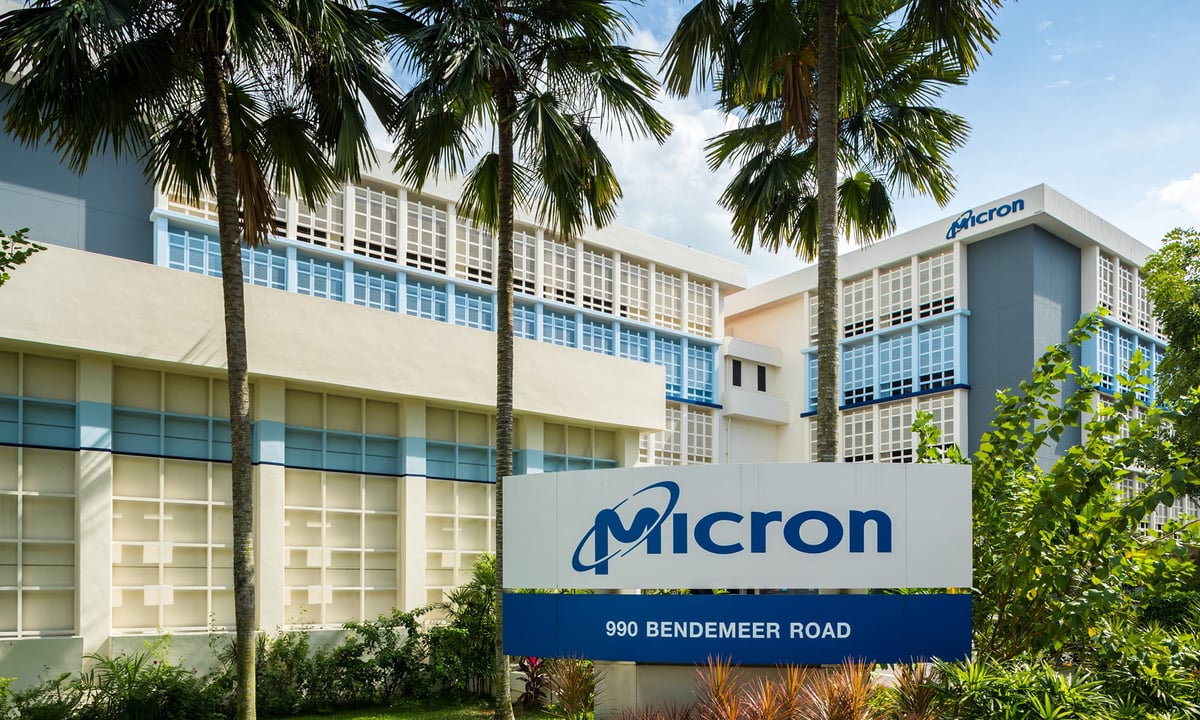
- New Investment Plans: Micron is set to announce a new investment in memory chip manufacturing capacity in Singapore, focusing on NAND flash production, signaling the company's strong expectations for long-term demand, which may enhance its competitive position in the market.
- Analyst Consensus: Several analysts maintain an optimistic outlook for Micron Technology, with Mizuho raising its target from $390 to $480, while TD Cowen and Stifel increased their targets to $450 and $360 respectively, indicating a strong consensus among analysts regarding the company's positive performance.
Trade with 70% Backtested Accuracy
Stop guessing "Should I Buy MU?" and start using high-conviction signals backed by rigorous historical data.
Sign up today to access powerful investing tools and make smarter, data-driven decisions.
Analyst Views on MU
Wall Street analysts forecast MU stock price to fall
26 Analyst Rating
24 Buy
2 Hold
0 Sell
Strong Buy
Current: 367.850

Low
235.00
Averages
336.12
High
500.00
Current: 367.850
Low
235.00
Averages
336.12
High
500.00
About MU
Micron Technology, Inc. provides memory and storage solutions. The Company delivers a portfolio of high-performance dynamic random-access memory (DRAM), NAND, and NOR memory and storage products through its Micron and Crucial brands. The Company's products enable advancing in artificial intelligence (AI) and compute-intensive applications. Its segments include Cloud Memory Business Unit (CMBU), Core Data Center Business Unit (CDBU), Mobile and Client Business Unit (MCBU) and Automotive and Embedded Business Unit (AEBU). CMBU is focused on memory solutions for large hyperscale cloud customers, and high bandwidth memory (HBM) for all data center customers. CDBU is focused on memory solutions for mid-tier cloud, enterprise, and OEM data center customers and storage solutions for all data center customers. MCBU is focused on memory and storage solutions for mobile and client segments. AEBU is focused on memory and storage solutions for the automotive, industrial, and consumer segments.
About the author

Emily J. Thompson
Emily J. Thompson, a Chartered Financial Analyst (CFA) with 12 years in investment research, graduated with honors from the Wharton School. Specializing in industrial and technology stocks, she provides in-depth analysis for Intellectia’s earnings and market brief reports.

Micron Technology's Low Valuation Requires Proof of Growth Potential

- Valuation Analysis: Micron Technology's forward P/E ratio stands at just 3.3 times, despite tripling its quarterly revenue and increasing gross margin from 36.8% to 74.4%, indicating a significant undervaluation; however, market confidence in its future growth remains to be proven.
- Market Cyclicality: Micron's primary business, DRAM, accounts for 80% of its revenue and has historically experienced significant cyclical fluctuations; while the rise of AI has boosted DRAM demand, the company must demonstrate structural growth drivers to sustain its valuation.
- Growing HBM Demand: The surge in demand for high-bandwidth memory (HBM) linked to AI chip growth has created a DRAM market shortage, driving up Micron's revenue and gross margin, yet the sustainability of this growth remains uncertain.
- Long-term Contract Strategy: Micron is working to secure long-term agreements with HBM customers to mitigate business cyclicality; if it can successfully transition into a long-term AI infrastructure winner, a tripling of its stock price by 2030 is feasible, but this requires enhanced stability and market trust.
See More

Investment Opportunity Analysis for Micron Technology Stock

- Memory Price Surge: Micron Technology's stock has surged approximately 300% over the past year due to a bottleneck in memory chip supply, and despite a recent drop of over 20% from its all-time high, it remains a compelling buy for long-term investors.
- Google Algorithm Impact: Google's TurboQuant algorithm reduces memory requirements by six times, leading the market to mistakenly assume a decrease in memory chip demand; however, AI hyperscalers are likely to repurpose this memory for other applications, thus not alleviating the memory bottleneck.
- High-Bandwidth Memory Market Growth: Micron estimates the high-bandwidth memory market will reach $35 billion by 2025 and triple to $100 billion by 2028, yet the company can currently only fulfill 50% to 66% of its orders, indicating robust market demand.
- Future Revenue Expectations: Micron anticipates revenue of $33.5 billion next quarter, a significant increase from $23.9 billion in the previous quarter, and with a low forward P/E ratio of 6.2, it presents a strong investment opportunity in the AI sector during this market correction.
See More

Google's Breakthrough Affects Micron's Stock Price
- Memory Market Bottleneck: Despite Micron's (NASDAQ: MU) stock soaring approximately 300% over the past year, it recently fell over 20% due to concerns about memory demand following Google's introduction of the TurboQuant algorithm, highlighting ongoing worries in the AI sector.
- Algorithm Innovation Impact: Google's TurboQuant algorithm reduces memory requirements by six times; however, while the market anticipates a decrease in memory chip demand, AI hyperscalers may repurpose released memory for other applications, thus not alleviating the memory bottleneck.
- Market Demand Forecast: Micron estimates that the high-bandwidth memory market will reach $35 billion by 2025 and triple to $100 billion by 2028, yet the company currently meets only about 50% to 66% of its orders, indicating significant challenges in fulfilling market demand.
- Future Growth Potential: Micron expects revenue of $33.5 billion next quarter, a substantial increase from $23.9 billion in the previous quarter, and with a forward P/E ratio of just 6.2, it presents a compelling investment opportunity in the AI space, despite cautious market sentiment regarding its short-term performance.
See More
Can Micron Technology Reach a $1 Trillion Market Cap?

- Strong Market Demand: Micron Technology's market cap has surpassed $410 billion, with expectations of a 40% revenue growth by 2027 driven by surging AI demand, indicating a promising growth trajectory for the coming years.
- Share Buyback Plans: Management anticipates starting
See More

Micron Technology Faces Market Challenges and Opportunities
- Market Value Growth: Micron Technology's market cap has surpassed $410 billion, and despite a recent pullback, the company is expected to see significant profit growth by 2027 due to surging AI demand, indicating strong market potential.
- Supply Tightness Expectations: The company anticipates that supply-demand conditions will remain tight at least until 2027, with projected third-quarter revenue around $33.5 billion, a 40% increase from the second quarter, which will further drive stock price appreciation.
- Stock Buyback Plans: Cantor Fitzgerald expects Micron to initiate 'very aggressive' stock buybacks starting in December after restrictions from the CHIPS Act expire, which will help lift the stock price and provide lasting benefits to investors.
- Cyclical Market Risks: While Micron's growth outlook in the AI sector is optimistic, it still faces cyclical market volatility risks, and investors are concerned about potential cooling in pricing dynamics, necessitating close attention to how the company navigates these challenges.
See More
Micron Technology Shares Experience Significant Volatility
- Stunning Financial Results: Micron Technology reported a revenue of $23.9 billion for Q2 FY2026, soaring 196% year-over-year and surpassing analyst expectations of $20 billion, which propelled adjusted EPS to $12.20, reflecting robust market demand and execution.
- Significant Margin Improvement: The company's gross margin surged from 36.8% in the prior year to 74.4%, indicating not only strong performance in the AI processor market but also successful strategies in cost control and pricing.
- Impact of AI Technology: Google's newly introduced compression algorithm could reduce memory requirements for large language models by at least 6x, potentially decreasing short-term demand for Micron's NAND processors, which account for about 21% of its revenue, posing pressure on future performance.
- Long-Term Demand Outlook: Although short-term demand may decline, Jevons Paradox suggests that as AI technology advances and costs decrease, long-term demand for Micron's memory chips could increase, providing new growth momentum for the company.
See More
Micron Technology's Low Valuation Requires Proof of Growth Potential
- Valuation Analysis: Micron Technology's forward P/E ratio stands at just 3.3 times, despite tripling its quarterly revenue and increasing gross margin from 36.8% to 74.4%, indicating a significant undervaluation; however, market confidence in its future growth remains to be proven.
- Market Cyclicality: Micron's primary business, DRAM, accounts for 80% of its revenue and has historically experienced significant cyclical fluctuations; while the rise of AI has boosted DRAM demand, the company must demonstrate structural growth drivers to sustain its valuation.
- Growing HBM Demand: The surge in demand for high-bandwidth memory (HBM) linked to AI chip growth has created a DRAM market shortage, driving up Micron's revenue and gross margin, yet the sustainability of this growth remains uncertain.
- Long-term Contract Strategy: Micron is working to secure long-term agreements with HBM customers to mitigate business cyclicality; if it can successfully transition into a long-term AI infrastructure winner, a tripling of its stock price by 2030 is feasible, but this requires enhanced stability and market trust.
See More
Investment Opportunity Analysis for Micron Technology Stock
- Memory Price Surge: Micron Technology's stock has surged approximately 300% over the past year due to a bottleneck in memory chip supply, and despite a recent drop of over 20% from its all-time high, it remains a compelling buy for long-term investors.
- Google Algorithm Impact: Google's TurboQuant algorithm reduces memory requirements by six times, leading the market to mistakenly assume a decrease in memory chip demand; however, AI hyperscalers are likely to repurpose this memory for other applications, thus not alleviating the memory bottleneck.
- High-Bandwidth Memory Market Growth: Micron estimates the high-bandwidth memory market will reach $35 billion by 2025 and triple to $100 billion by 2028, yet the company can currently only fulfill 50% to 66% of its orders, indicating robust market demand.
- Future Revenue Expectations: Micron anticipates revenue of $33.5 billion next quarter, a significant increase from $23.9 billion in the previous quarter, and with a low forward P/E ratio of 6.2, it presents a strong investment opportunity in the AI sector during this market correction.
See More
Google's Breakthrough Affects Micron's Stock Price
- Memory Market Bottleneck: Despite Micron's (NASDAQ: MU) stock soaring approximately 300% over the past year, it recently fell over 20% due to concerns about memory demand following Google's introduction of the TurboQuant algorithm, highlighting ongoing worries in the AI sector.
- Algorithm Innovation Impact: Google's TurboQuant algorithm reduces memory requirements by six times; however, while the market anticipates a decrease in memory chip demand, AI hyperscalers may repurpose released memory for other applications, thus not alleviating the memory bottleneck.
- Market Demand Forecast: Micron estimates that the high-bandwidth memory market will reach $35 billion by 2025 and triple to $100 billion by 2028, yet the company currently meets only about 50% to 66% of its orders, indicating significant challenges in fulfilling market demand.
- Future Growth Potential: Micron expects revenue of $33.5 billion next quarter, a substantial increase from $23.9 billion in the previous quarter, and with a forward P/E ratio of just 6.2, it presents a compelling investment opportunity in the AI space, despite cautious market sentiment regarding its short-term performance.
See More
Can Micron Technology Reach a $1 Trillion Market Cap?
- Strong Market Demand: Micron Technology's market cap has surpassed $410 billion, with expectations of a 40% revenue growth by 2027 driven by surging AI demand, indicating a promising growth trajectory for the coming years.
- Share Buyback Plans: Management anticipates starting
See More
Micron Technology Faces Market Challenges and Opportunities
- Market Value Growth: Micron Technology's market cap has surpassed $410 billion, and despite a recent pullback, the company is expected to see significant profit growth by 2027 due to surging AI demand, indicating strong market potential.
- Supply Tightness Expectations: The company anticipates that supply-demand conditions will remain tight at least until 2027, with projected third-quarter revenue around $33.5 billion, a 40% increase from the second quarter, which will further drive stock price appreciation.
- Stock Buyback Plans: Cantor Fitzgerald expects Micron to initiate 'very aggressive' stock buybacks starting in December after restrictions from the CHIPS Act expire, which will help lift the stock price and provide lasting benefits to investors.
- Cyclical Market Risks: While Micron's growth outlook in the AI sector is optimistic, it still faces cyclical market volatility risks, and investors are concerned about potential cooling in pricing dynamics, necessitating close attention to how the company navigates these challenges.
See More
Micron Technology Shares Experience Significant Volatility
- Stunning Financial Results: Micron Technology reported a revenue of $23.9 billion for Q2 FY2026, soaring 196% year-over-year and surpassing analyst expectations of $20 billion, which propelled adjusted EPS to $12.20, reflecting robust market demand and execution.
- Significant Margin Improvement: The company's gross margin surged from 36.8% in the prior year to 74.4%, indicating not only strong performance in the AI processor market but also successful strategies in cost control and pricing.
- Impact of AI Technology: Google's newly introduced compression algorithm could reduce memory requirements for large language models by at least 6x, potentially decreasing short-term demand for Micron's NAND processors, which account for about 21% of its revenue, posing pressure on future performance.
- Long-Term Demand Outlook: Although short-term demand may decline, Jevons Paradox suggests that as AI technology advances and costs decrease, long-term demand for Micron's memory chips could increase, providing new growth momentum for the company.
See More