Micron Technology Shares Surge Over 300% Amid AI Demand
Written by Emily J. Thompson, Senior Investment Analyst
Updated: 3 hours ago
0mins
Should l Buy MU?
Source: NASDAQ.COM
- Stock Surge: Micron Technology's shares have skyrocketed by 324% over the past year, significantly outperforming other AI chip peers, indicating strong performance in the semiconductor sector and attracting investor interest.
- Robust Demand: The rapid growth of AI infrastructure has led to a surge in demand for memory and storage solutions, transforming Micron's high-bandwidth memory products from a 'nice to have' to a 'must-have', further driving revenue growth.
- Emerging Risks: Despite strong demand, Google's recent breakthrough in lossless data compression poses potential risks to Micron's NAND and DRAM product demand, necessitating caution from investors regarding market volatility.
- Investment Opportunity: Despite challenges, analysts still view Micron as a high-conviction investment opportunity, particularly against the backdrop of ongoing AI infrastructure expansion, with expectations for further growth potential.
Trade with 70% Backtested Accuracy
Stop guessing "Should I Buy MU?" and start using high-conviction signals backed by rigorous historical data.
Sign up today to access powerful investing tools and make smarter, data-driven decisions.
Analyst Views on MU
Wall Street analysts forecast MU stock price to fall
26 Analyst Rating
24 Buy
2 Hold
0 Sell
Strong Buy
Current: 367.850

Low
235.00
Averages
336.12
High
500.00
Current: 367.850
Low
235.00
Averages
336.12
High
500.00
About MU
Micron Technology, Inc. provides memory and storage solutions. The Company delivers a portfolio of high-performance dynamic random-access memory (DRAM), NAND, and NOR memory and storage products through its Micron and Crucial brands. The Company's products enable advancing in artificial intelligence (AI) and compute-intensive applications. Its segments include Cloud Memory Business Unit (CMBU), Core Data Center Business Unit (CDBU), Mobile and Client Business Unit (MCBU) and Automotive and Embedded Business Unit (AEBU). CMBU is focused on memory solutions for large hyperscale cloud customers, and high bandwidth memory (HBM) for all data center customers. CDBU is focused on memory solutions for mid-tier cloud, enterprise, and OEM data center customers and storage solutions for all data center customers. MCBU is focused on memory and storage solutions for mobile and client segments. AEBU is focused on memory and storage solutions for the automotive, industrial, and consumer segments.
About the author

Emily J. Thompson
Emily J. Thompson, a Chartered Financial Analyst (CFA) with 12 years in investment research, graduated with honors from the Wharton School. Specializing in industrial and technology stocks, she provides in-depth analysis for Intellectia’s earnings and market brief reports.
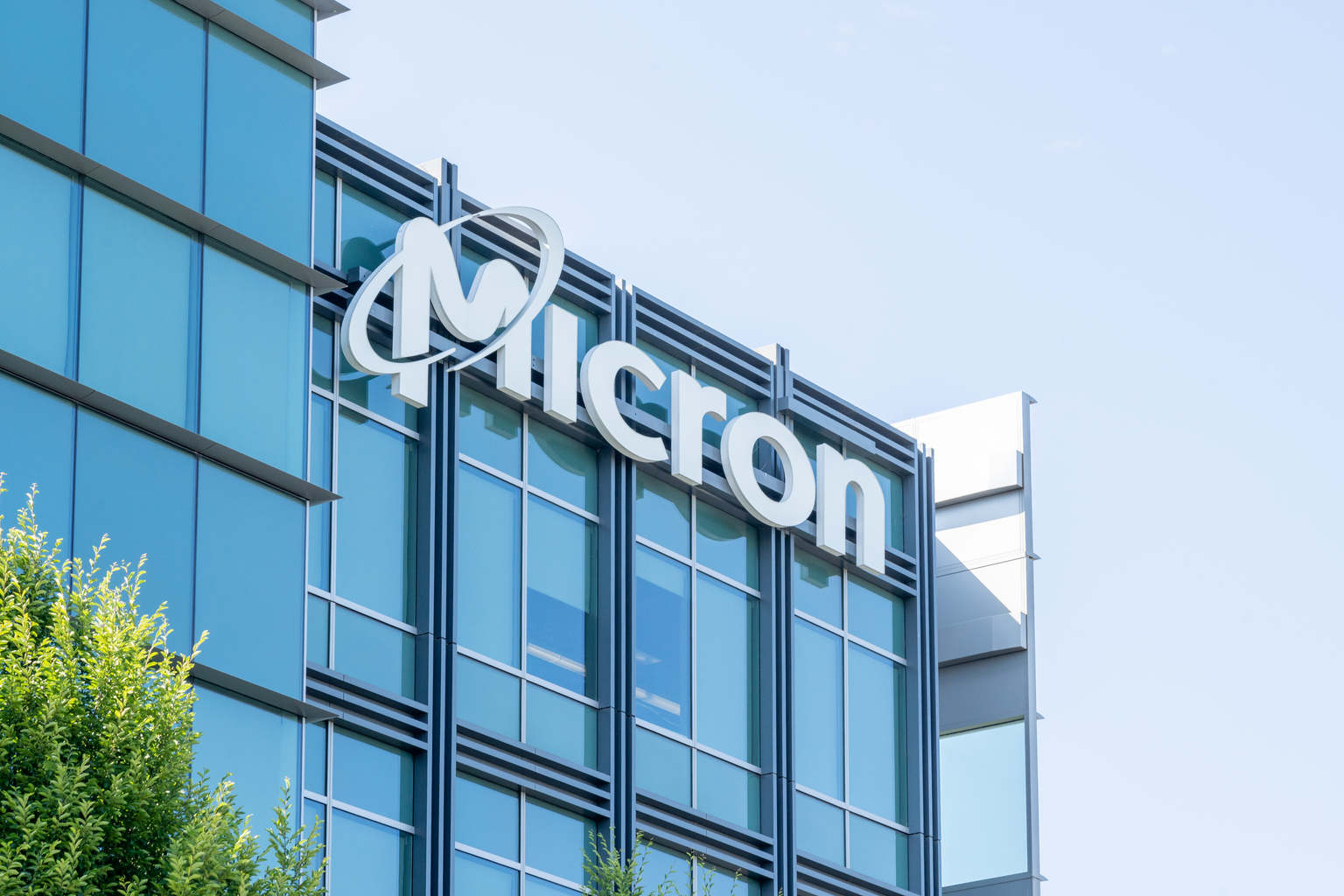
Micron Shares Drop 20% Amid Demand Concerns

- Supply-Demand Tightness: Micron (MU) management indicates that the supply-demand balance for DRAM and NAND will remain tight beyond 2026, with DRAM shipments only up mid-single digits and NAND up low-single digits sequentially, while ASPs for DRAM and NAND surged by mid-60% and high-70%, respectively, highlighting risks in earnings driven by pricing.
- Overblown Market Reaction: Analyst Dmytro Lebid argues that the market is overestimating the risks of a demand slowdown, overlooking the fact that AI infrastructure is still in its formative stages, leading to a classic disconnect between short-term market panic and long-term fundamental value, potentially offering a buying opportunity for investors.
- Capital Expenditure Necessity: While there are concerns about Micron's increased capital expenditures, Lebid believes this is a necessary decision for the company to keep pace with rapidly growing memory demand, particularly from giants like Nvidia, which will further drive margin growth.
- Future Outlook: Analyst Oliver Rodzianko suggests that Micron's future success hinges on its ability to scale production, and if it can gradually ramp up output through 2027-2028, MU has a real chance of outperforming previous memory cycles, although it remains a risky time to enter the stock.
See More

Micron Technology Shares Surge Over 300% Amid AI Demand
- Stock Surge: Micron Technology's shares have skyrocketed by 324% over the past year, significantly outperforming other AI chip peers, indicating strong performance in the semiconductor sector and attracting investor interest.
- Robust Demand: The rapid growth of AI infrastructure has led to a surge in demand for memory and storage solutions, transforming Micron's high-bandwidth memory products from a 'nice to have' to a 'must-have', further driving revenue growth.
- Emerging Risks: Despite strong demand, Google's recent breakthrough in lossless data compression poses potential risks to Micron's NAND and DRAM product demand, necessitating caution from investors regarding market volatility.
- Investment Opportunity: Despite challenges, analysts still view Micron as a high-conviction investment opportunity, particularly against the backdrop of ongoing AI infrastructure expansion, with expectations for further growth potential.
See More
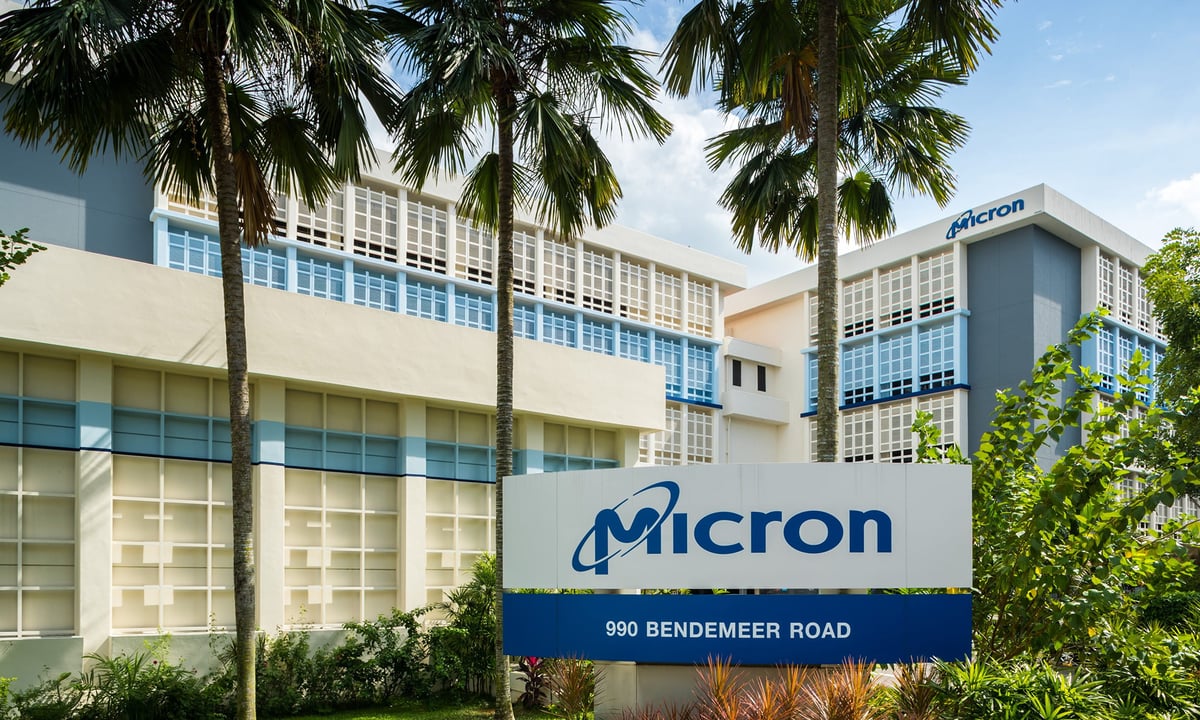
Micron Technology's Stock Soars 324% Amid AI Demand Surge
- Stock Surge Catalyst: Micron Technology's stock has surged 324% over the past year, significantly outperforming competitors like Nvidia and AMD, primarily due to AI demand making memory and storage critical bottlenecks, highlighting the company's pivotal role in the semiconductor sector.
- Market Demand Shift: As AI infrastructure accelerates, Micron's high-bandwidth memory products have transitioned from being optional to essential, granting the company substantial pricing power for its DRAM and NAND products, which has fueled robust revenue growth.
- AI Memory Supercycle: The structural changes in AI demand have established a new floor for memory consumption trends, particularly as major tech firms commit hundreds of billions annually to AI infrastructure, ensuring long-term growth potential for the memory market.
- Investment Risk Advisory: While the demand for memory solutions appears durable, Google's recent advancements in lossless data compression could pressure Micron's NAND and DRAM demand, prompting investors to navigate potential volatility carefully.
See More

CoreWeave Faces High Leverage Risks Amid Rapid Growth


- High Leverage Risk: CoreWeave's business model relies on long-term contracts with Nvidia as collateral for loans, resulting in extremely high leverage relative to earnings; despite its revenue backlog soaring from $15.1 billion in 2024 to $66.8 billion in 2025, any missteps could significantly impact its financial health.
- Strong Market Demand: Despite challenges, CoreWeave's major customers remain supportive, with revenue expected to double in 2026; however, capital expenditures are growing rapidly, leading the company to remain cash flow negative and reliant on debt for continued growth in the short term.
- Investor Strategy Shift: Notable investor Laffont began reducing his stake in CoreWeave in Q3 and fully exited in Q4, coinciding with a 50% drop in share price since October, reflecting a cautious approach towards high-risk investments.
- Competitive Advantage and Market Outlook: While CoreWeave faces risks, its close relationship with Nvidia provides a competitive edge in the AI data center space, with potential to expand operating margins to 25%-30% in the future, yet investors must carefully weigh risks against potential returns.
See More

Coatue Management Increases Stake in Applied Materials Amid AI Boom
- Investment Strategy Shift: Coatue Management nearly doubled its stake in Applied Materials in Q4, reflecting confidence in the surge of semiconductor equipment demand driven by AI accelerator chips, with the company expecting over 20% growth in its equipment business this year.
- Core Investment Changes: Coatue began reducing its position in CoreWeave, its largest holding, in Q3 and fully disposed of it in Q4, coinciding with a 50% drop in the company's stock price since October, indicating a cautious approach to risky investments.
- Optimistic Market Outlook: Applied Materials' management anticipates strong revenue acceleration over the next two years as customers expand physical capacity, with expected 25% earnings-per-share growth in 2027, making the stock appear relatively cheap at a forward P/E of just 30 times.
- Financial Health Concerns: While CoreWeave's revenue backlog soared from $15.1 billion in 2024 to $66.8 billion, the company remains cash flow negative due to rapidly growing capital expenditures, highlighting vulnerabilities in its financial structure.
See More
U.S. Markets Show Notable Weekly Gains Amid Analyst Upgrades

- UnitedHealth Group Upgrade: Raymond James upgraded UnitedHealth Group (UNH) from Market Perform to Outperform, projecting potential earnings upside of 7.5% to 8% over the next few years, indicating significant growth potential from AI initiatives and margin improvements in Optum Health.
- Akamai Downgrade: Baird downgraded Akamai Technologies (AKAM) from Outperform to Neutral, noting that despite a 33% year-to-date gain, the risk-reward profile has become more balanced, particularly with seasonal factors potentially limiting Q1 upside in its key CIS segment.
- Snowflake Coverage Initiated: Benchmark initiated coverage on Snowflake (SNOW) with a Buy rating and a $190 price target, believing the company will thrive as a leading cloud data warehouse in the ongoing enterprise AI revolution, supported by R&D spending averaging 22.8% of revenue.
- Asana Valuation Upgrade: RBC Capital Markets upgraded Asana (ASAN) from Underperform to Sector Perform, citing a more compelling valuation as it shifts to a consumption-based model, while also noting no significant disruptions from AI alternatives affecting deal cycles or sizes.
See More
Micron Shares Drop 20% Amid Demand Concerns
- Supply-Demand Tightness: Micron (MU) management indicates that the supply-demand balance for DRAM and NAND will remain tight beyond 2026, with DRAM shipments only up mid-single digits and NAND up low-single digits sequentially, while ASPs for DRAM and NAND surged by mid-60% and high-70%, respectively, highlighting risks in earnings driven by pricing.
- Overblown Market Reaction: Analyst Dmytro Lebid argues that the market is overestimating the risks of a demand slowdown, overlooking the fact that AI infrastructure is still in its formative stages, leading to a classic disconnect between short-term market panic and long-term fundamental value, potentially offering a buying opportunity for investors.
- Capital Expenditure Necessity: While there are concerns about Micron's increased capital expenditures, Lebid believes this is a necessary decision for the company to keep pace with rapidly growing memory demand, particularly from giants like Nvidia, which will further drive margin growth.
- Future Outlook: Analyst Oliver Rodzianko suggests that Micron's future success hinges on its ability to scale production, and if it can gradually ramp up output through 2027-2028, MU has a real chance of outperforming previous memory cycles, although it remains a risky time to enter the stock.
See More
Micron Technology Shares Surge Over 300% Amid AI Demand
- Stock Surge: Micron Technology's shares have skyrocketed by 324% over the past year, significantly outperforming other AI chip peers, indicating strong performance in the semiconductor sector and attracting investor interest.
- Robust Demand: The rapid growth of AI infrastructure has led to a surge in demand for memory and storage solutions, transforming Micron's high-bandwidth memory products from a 'nice to have' to a 'must-have', further driving revenue growth.
- Emerging Risks: Despite strong demand, Google's recent breakthrough in lossless data compression poses potential risks to Micron's NAND and DRAM product demand, necessitating caution from investors regarding market volatility.
- Investment Opportunity: Despite challenges, analysts still view Micron as a high-conviction investment opportunity, particularly against the backdrop of ongoing AI infrastructure expansion, with expectations for further growth potential.
See More
Micron Technology's Stock Soars 324% Amid AI Demand Surge
- Stock Surge Catalyst: Micron Technology's stock has surged 324% over the past year, significantly outperforming competitors like Nvidia and AMD, primarily due to AI demand making memory and storage critical bottlenecks, highlighting the company's pivotal role in the semiconductor sector.
- Market Demand Shift: As AI infrastructure accelerates, Micron's high-bandwidth memory products have transitioned from being optional to essential, granting the company substantial pricing power for its DRAM and NAND products, which has fueled robust revenue growth.
- AI Memory Supercycle: The structural changes in AI demand have established a new floor for memory consumption trends, particularly as major tech firms commit hundreds of billions annually to AI infrastructure, ensuring long-term growth potential for the memory market.
- Investment Risk Advisory: While the demand for memory solutions appears durable, Google's recent advancements in lossless data compression could pressure Micron's NAND and DRAM demand, prompting investors to navigate potential volatility carefully.
See More
CoreWeave Faces High Leverage Risks Amid Rapid Growth
- High Leverage Risk: CoreWeave's business model relies on long-term contracts with Nvidia as collateral for loans, resulting in extremely high leverage relative to earnings; despite its revenue backlog soaring from $15.1 billion in 2024 to $66.8 billion in 2025, any missteps could significantly impact its financial health.
- Strong Market Demand: Despite challenges, CoreWeave's major customers remain supportive, with revenue expected to double in 2026; however, capital expenditures are growing rapidly, leading the company to remain cash flow negative and reliant on debt for continued growth in the short term.
- Investor Strategy Shift: Notable investor Laffont began reducing his stake in CoreWeave in Q3 and fully exited in Q4, coinciding with a 50% drop in share price since October, reflecting a cautious approach towards high-risk investments.
- Competitive Advantage and Market Outlook: While CoreWeave faces risks, its close relationship with Nvidia provides a competitive edge in the AI data center space, with potential to expand operating margins to 25%-30% in the future, yet investors must carefully weigh risks against potential returns.
See More
Coatue Management Increases Stake in Applied Materials Amid AI Boom
- Investment Strategy Shift: Coatue Management nearly doubled its stake in Applied Materials in Q4, reflecting confidence in the surge of semiconductor equipment demand driven by AI accelerator chips, with the company expecting over 20% growth in its equipment business this year.
- Core Investment Changes: Coatue began reducing its position in CoreWeave, its largest holding, in Q3 and fully disposed of it in Q4, coinciding with a 50% drop in the company's stock price since October, indicating a cautious approach to risky investments.
- Optimistic Market Outlook: Applied Materials' management anticipates strong revenue acceleration over the next two years as customers expand physical capacity, with expected 25% earnings-per-share growth in 2027, making the stock appear relatively cheap at a forward P/E of just 30 times.
- Financial Health Concerns: While CoreWeave's revenue backlog soared from $15.1 billion in 2024 to $66.8 billion, the company remains cash flow negative due to rapidly growing capital expenditures, highlighting vulnerabilities in its financial structure.
See More
U.S. Markets Show Notable Weekly Gains Amid Analyst Upgrades
- UnitedHealth Group Upgrade: Raymond James upgraded UnitedHealth Group (UNH) from Market Perform to Outperform, projecting potential earnings upside of 7.5% to 8% over the next few years, indicating significant growth potential from AI initiatives and margin improvements in Optum Health.
- Akamai Downgrade: Baird downgraded Akamai Technologies (AKAM) from Outperform to Neutral, noting that despite a 33% year-to-date gain, the risk-reward profile has become more balanced, particularly with seasonal factors potentially limiting Q1 upside in its key CIS segment.
- Snowflake Coverage Initiated: Benchmark initiated coverage on Snowflake (SNOW) with a Buy rating and a $190 price target, believing the company will thrive as a leading cloud data warehouse in the ongoing enterprise AI revolution, supported by R&D spending averaging 22.8% of revenue.
- Asana Valuation Upgrade: RBC Capital Markets upgraded Asana (ASAN) from Underperform to Sector Perform, citing a more compelling valuation as it shifts to a consumption-based model, while also noting no significant disruptions from AI alternatives affecting deal cycles or sizes.
See More