Micron Technology Shares Down 30%: Analysis of Underlying Concerns
Written by Emily J. Thompson, Senior Investment Analyst
Updated: 1 hour ago
0mins
Should l Buy MU?
Source: Fool
- Reasons for Stock Decline: Micron Technology's shares have fallen nearly 30% since mid-March, primarily due to concerns over capital expenditure plans, Google's new technology potentially reducing memory chip demand, and worries about the company's pricing power, reflecting a broader market pessimism towards AI-related stocks.
- Valuation Appeal: Even though the company's gross margin of 74.4% and operating income margin of 67.6% may decline, Micron's forward-looking price-to-earnings ratio of around 6 suggests that this contraction is already priced in, making it an attractive entry point for long-term investors at current low levels.
- Analyst Confidence: Despite the bearish sentiment among retail investors, analysts remain optimistic about Micron, with a consensus strong buy rating and a price target of $547.12, indicating a 70% upside from the current price, which reflects confidence in the company's future performance.
- Impact of Technological Advancements: Google's TurboQuant technology can perform the same AI computing tasks with significantly less memory hardware, although it comes with trade-offs in speed and power consumption; however, this advancement may ultimately drive higher demand for memory chips as it enables more high-performance computing in the long run.
Trade with 70% Backtested Accuracy
Stop guessing "Should I Buy MU?" and start using high-conviction signals backed by rigorous historical data.
Sign up today to access powerful investing tools and make smarter, data-driven decisions.
Analyst Views on MU
Wall Street analysts forecast MU stock price to fall
26 Analyst Rating
24 Buy
2 Hold
0 Sell
Strong Buy
Current: 367.850

Low
235.00
Averages
336.12
High
500.00
Current: 367.850
Low
235.00
Averages
336.12
High
500.00
About MU
Micron Technology, Inc. provides memory and storage solutions. The Company delivers a portfolio of high-performance dynamic random-access memory (DRAM), NAND, and NOR memory and storage products through its Micron and Crucial brands. The Company's products enable advancing in artificial intelligence (AI) and compute-intensive applications. Its segments include Cloud Memory Business Unit (CMBU), Core Data Center Business Unit (CDBU), Mobile and Client Business Unit (MCBU) and Automotive and Embedded Business Unit (AEBU). CMBU is focused on memory solutions for large hyperscale cloud customers, and high bandwidth memory (HBM) for all data center customers. CDBU is focused on memory solutions for mid-tier cloud, enterprise, and OEM data center customers and storage solutions for all data center customers. MCBU is focused on memory and storage solutions for mobile and client segments. AEBU is focused on memory and storage solutions for the automotive, industrial, and consumer segments.
About the author

Emily J. Thompson
Emily J. Thompson, a Chartered Financial Analyst (CFA) with 12 years in investment research, graduated with honors from the Wharton School. Specializing in industrial and technology stocks, she provides in-depth analysis for Intellectia’s earnings and market brief reports.

Micron Technology's Low Valuation Requires Proof of Growth Potential

- Valuation Analysis: Micron Technology's forward P/E ratio stands at just 3.3 times, despite tripling its quarterly revenue and increasing gross margin from 36.8% to 74.4%, indicating a significant undervaluation; however, market confidence in its future growth remains to be proven.
- Market Cyclicality: Micron's primary business, DRAM, accounts for 80% of its revenue and has historically experienced significant cyclical fluctuations; while the rise of AI has boosted DRAM demand, the company must demonstrate structural growth drivers to sustain its valuation.
- Growing HBM Demand: The surge in demand for high-bandwidth memory (HBM) linked to AI chip growth has created a DRAM market shortage, driving up Micron's revenue and gross margin, yet the sustainability of this growth remains uncertain.
- Long-term Contract Strategy: Micron is working to secure long-term agreements with HBM customers to mitigate business cyclicality; if it can successfully transition into a long-term AI infrastructure winner, a tripling of its stock price by 2030 is feasible, but this requires enhanced stability and market trust.
See More

Micron Technology Stock Price Volatility Analysis
- Reasons for Price Decline: Micron Technology's stock has dropped nearly 30% since mid-March due to multiple factors, including capital expenditure plans, concerns over Google's new technology reducing memory chip demand, and worries about the company's pricing power, reflecting a broader bearish sentiment on AI-related stocks.
- Valuation Appeal: Even though gross and operating margins are expected to decline, Micron's forward-looking price-to-earnings ratio of around 6 suggests that this contraction is already priced in, making it an attractive entry point for long-term investors at current low levels.
- Analyst Sentiment: Despite the bearish sentiment among retail investors, the analyst community maintains a consensus price target of $547.12, which is 70% above the current stock price, with the majority still rating Micron as a strong buy, indicating confidence in the company's future.
- Impact of Technological Advances: Google's newly unveiled TurboQuant technology can perform the same AI computing tasks with significantly less memory hardware, which may pressure Micron in the short term, but could also create new market opportunities for Micron as high-performance computing demands increase in the long run.
See More

Micron Technology Shares Down 30%: Analysis of Underlying Concerns
- Reasons for Stock Decline: Micron Technology's shares have fallen nearly 30% since mid-March, primarily due to concerns over capital expenditure plans, Google's new technology potentially reducing memory chip demand, and worries about the company's pricing power, reflecting a broader market pessimism towards AI-related stocks.
- Valuation Appeal: Even though the company's gross margin of 74.4% and operating income margin of 67.6% may decline, Micron's forward-looking price-to-earnings ratio of around 6 suggests that this contraction is already priced in, making it an attractive entry point for long-term investors at current low levels.
- Analyst Confidence: Despite the bearish sentiment among retail investors, analysts remain optimistic about Micron, with a consensus strong buy rating and a price target of $547.12, indicating a 70% upside from the current price, which reflects confidence in the company's future performance.
- Impact of Technological Advancements: Google's TurboQuant technology can perform the same AI computing tasks with significantly less memory hardware, although it comes with trade-offs in speed and power consumption; however, this advancement may ultimately drive higher demand for memory chips as it enables more high-performance computing in the long run.
See More

Micron Technology Stock Drops 30%: Analysis

- Stock Decline Reasons: Micron Technology's stock has dropped nearly 30% since mid-March, primarily due to concerns over capital expenditure plans, Google's new technology potentially reducing memory chip demand, and worries about the company's pricing power, reflecting a broader bearish sentiment towards AI-related stocks.
- Profitability Outlook: Despite the negative market sentiment, Micron's forward-looking price-to-earnings ratio of around 6 suggests that potential contractions in gross and operating margins are already factored in, making it an attractive entry point for long-term investors at current price levels.
- Analyst Ratings Stability: While retail investors have fueled bearish sentiment, analysts remain optimistic, with a consensus price target of $547.12, indicating a 70% upside from the current price, showcasing confidence in the company's future performance.
- Impact of Technological Advancements: Google's TurboQuant technology can perform the same AI computing tasks with significantly less memory hardware, which may temporarily affect memory chip demand; however, this advancement could drive demand for higher-performance computing in the long run, presenting new market opportunities for Micron.
See More
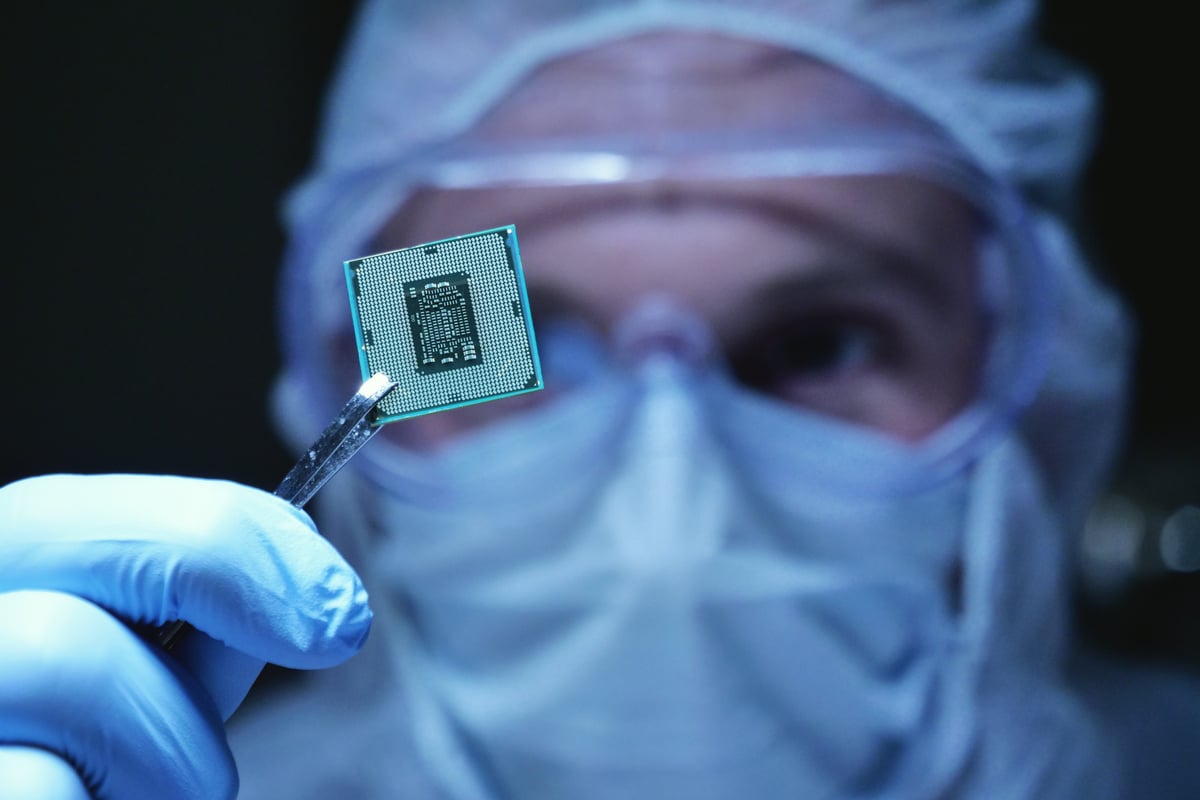
Semiconductor Stocks Lead AI Investment Surge


- Surging Market Demand: Taiwan Semiconductor expects the AI chip market to grow at a mid-to-high 50% CAGR from 2024 to 2029, planning to invest between $52 billion and $56 billion in capital expenditures in 2023 to meet rising demand, thereby solidifying its leadership in the AI sector.
- Memory Chip Outlook: Micron Technology anticipates the high-bandwidth memory market will expand from $35 billion to $100 billion between 2025 and 2028; despite price cooling due to Google's TurboQuant algorithm, the sustained demand for memory chips highlights its long-term investment value.
- Custom Chip Innovation: Broadcom focuses on designing custom AI chips, which are expected to generate over $100 billion in annual revenue by 2027, benefiting from the increasing demand for specific workloads in the AI industry, showcasing significant growth potential.
- GPU Market Leadership: Nvidia is projected to see a 71% revenue increase this year and 30% next year, with its stock trading at a forward P/E of only 20.2, close to the S&P 500's 20.4, indicating a rare investment opportunity that investors should not overlook.
See More

Semiconductor Sector Seizes Growth Opportunities Amid AI Demand
- Surging Market Demand: Taiwan Semiconductor expects the AI chip market to grow at a mid- to high-50% CAGR from 2024 to 2029, planning to invest $52 billion to $56 billion in capital expenditures in 2023, thereby solidifying its leadership position in the AI competition.
- Memory Chip Demand: Micron Technology anticipates the high-bandwidth memory market will expand from $35 billion to $100 billion between 2025 and 2028, and despite price cooling due to Google's TurboQuant algorithm, the strong demand for memory indicates significant investment potential in the coming years.
- Custom Chip Innovation: Broadcom is set to benefit from the skyrocketing demand for custom AI chips, with projections indicating these chips could generate over $100 billion annually by the end of 2027, highlighting Broadcom's substantial growth potential with its $68 billion annual revenue.
- GPU Market Dominance: Nvidia's revenue is projected to rise by 71% this year and 30% next year, with its stock trading at a forward P/E of only 20.2, close to the S&P 500's 20.4, indicating a rare investment opportunity that investors should not overlook.
See More
Micron Technology's Low Valuation Requires Proof of Growth Potential
- Valuation Analysis: Micron Technology's forward P/E ratio stands at just 3.3 times, despite tripling its quarterly revenue and increasing gross margin from 36.8% to 74.4%, indicating a significant undervaluation; however, market confidence in its future growth remains to be proven.
- Market Cyclicality: Micron's primary business, DRAM, accounts for 80% of its revenue and has historically experienced significant cyclical fluctuations; while the rise of AI has boosted DRAM demand, the company must demonstrate structural growth drivers to sustain its valuation.
- Growing HBM Demand: The surge in demand for high-bandwidth memory (HBM) linked to AI chip growth has created a DRAM market shortage, driving up Micron's revenue and gross margin, yet the sustainability of this growth remains uncertain.
- Long-term Contract Strategy: Micron is working to secure long-term agreements with HBM customers to mitigate business cyclicality; if it can successfully transition into a long-term AI infrastructure winner, a tripling of its stock price by 2030 is feasible, but this requires enhanced stability and market trust.
See More
Micron Technology Stock Price Volatility Analysis
- Reasons for Price Decline: Micron Technology's stock has dropped nearly 30% since mid-March due to multiple factors, including capital expenditure plans, concerns over Google's new technology reducing memory chip demand, and worries about the company's pricing power, reflecting a broader bearish sentiment on AI-related stocks.
- Valuation Appeal: Even though gross and operating margins are expected to decline, Micron's forward-looking price-to-earnings ratio of around 6 suggests that this contraction is already priced in, making it an attractive entry point for long-term investors at current low levels.
- Analyst Sentiment: Despite the bearish sentiment among retail investors, the analyst community maintains a consensus price target of $547.12, which is 70% above the current stock price, with the majority still rating Micron as a strong buy, indicating confidence in the company's future.
- Impact of Technological Advances: Google's newly unveiled TurboQuant technology can perform the same AI computing tasks with significantly less memory hardware, which may pressure Micron in the short term, but could also create new market opportunities for Micron as high-performance computing demands increase in the long run.
See More
Micron Technology Shares Down 30%: Analysis of Underlying Concerns
- Reasons for Stock Decline: Micron Technology's shares have fallen nearly 30% since mid-March, primarily due to concerns over capital expenditure plans, Google's new technology potentially reducing memory chip demand, and worries about the company's pricing power, reflecting a broader market pessimism towards AI-related stocks.
- Valuation Appeal: Even though the company's gross margin of 74.4% and operating income margin of 67.6% may decline, Micron's forward-looking price-to-earnings ratio of around 6 suggests that this contraction is already priced in, making it an attractive entry point for long-term investors at current low levels.
- Analyst Confidence: Despite the bearish sentiment among retail investors, analysts remain optimistic about Micron, with a consensus strong buy rating and a price target of $547.12, indicating a 70% upside from the current price, which reflects confidence in the company's future performance.
- Impact of Technological Advancements: Google's TurboQuant technology can perform the same AI computing tasks with significantly less memory hardware, although it comes with trade-offs in speed and power consumption; however, this advancement may ultimately drive higher demand for memory chips as it enables more high-performance computing in the long run.
See More
Micron Technology Stock Drops 30%: Analysis
- Stock Decline Reasons: Micron Technology's stock has dropped nearly 30% since mid-March, primarily due to concerns over capital expenditure plans, Google's new technology potentially reducing memory chip demand, and worries about the company's pricing power, reflecting a broader bearish sentiment towards AI-related stocks.
- Profitability Outlook: Despite the negative market sentiment, Micron's forward-looking price-to-earnings ratio of around 6 suggests that potential contractions in gross and operating margins are already factored in, making it an attractive entry point for long-term investors at current price levels.
- Analyst Ratings Stability: While retail investors have fueled bearish sentiment, analysts remain optimistic, with a consensus price target of $547.12, indicating a 70% upside from the current price, showcasing confidence in the company's future performance.
- Impact of Technological Advancements: Google's TurboQuant technology can perform the same AI computing tasks with significantly less memory hardware, which may temporarily affect memory chip demand; however, this advancement could drive demand for higher-performance computing in the long run, presenting new market opportunities for Micron.
See More
Semiconductor Stocks Lead AI Investment Surge
- Surging Market Demand: Taiwan Semiconductor expects the AI chip market to grow at a mid-to-high 50% CAGR from 2024 to 2029, planning to invest between $52 billion and $56 billion in capital expenditures in 2023 to meet rising demand, thereby solidifying its leadership in the AI sector.
- Memory Chip Outlook: Micron Technology anticipates the high-bandwidth memory market will expand from $35 billion to $100 billion between 2025 and 2028; despite price cooling due to Google's TurboQuant algorithm, the sustained demand for memory chips highlights its long-term investment value.
- Custom Chip Innovation: Broadcom focuses on designing custom AI chips, which are expected to generate over $100 billion in annual revenue by 2027, benefiting from the increasing demand for specific workloads in the AI industry, showcasing significant growth potential.
- GPU Market Leadership: Nvidia is projected to see a 71% revenue increase this year and 30% next year, with its stock trading at a forward P/E of only 20.2, close to the S&P 500's 20.4, indicating a rare investment opportunity that investors should not overlook.
See More
Semiconductor Sector Seizes Growth Opportunities Amid AI Demand
- Surging Market Demand: Taiwan Semiconductor expects the AI chip market to grow at a mid- to high-50% CAGR from 2024 to 2029, planning to invest $52 billion to $56 billion in capital expenditures in 2023, thereby solidifying its leadership position in the AI competition.
- Memory Chip Demand: Micron Technology anticipates the high-bandwidth memory market will expand from $35 billion to $100 billion between 2025 and 2028, and despite price cooling due to Google's TurboQuant algorithm, the strong demand for memory indicates significant investment potential in the coming years.
- Custom Chip Innovation: Broadcom is set to benefit from the skyrocketing demand for custom AI chips, with projections indicating these chips could generate over $100 billion annually by the end of 2027, highlighting Broadcom's substantial growth potential with its $68 billion annual revenue.
- GPU Market Dominance: Nvidia's revenue is projected to rise by 71% this year and 30% next year, with its stock trading at a forward P/E of only 20.2, close to the S&P 500's 20.4, indicating a rare investment opportunity that investors should not overlook.
See More