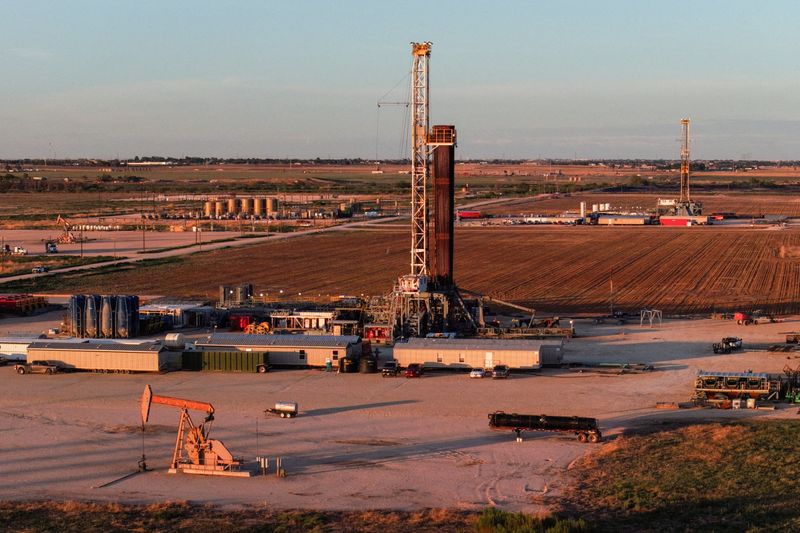
Micron Technology Reports 196% Revenue Surge in Q2 2026
Written by Emily J. Thompson, Senior Investment Analyst
Updated: Apr 18 2026
0mins
Should l Buy MU?
Source: Yahoo Finance
- Significant Revenue Growth: Micron Technology reported Q2 2026 revenue of $23.86 billion, reflecting a remarkable 196% year-over-year increase, underscoring the company's robust demand in the high-bandwidth memory market and its expanding market share.
- Stable Market Share: Micron holds an estimated 21% to 24% share of the high-bandwidth memory market, trailing SK Hynix but ahead of Samsung, indicating its critical position in meeting the surging AI-driven memory demand.
- Strong Margin Performance: The company achieved a non-GAAP gross margin of 74.9%, demonstrating strong pricing power and margin durability amid high demand and limited supply, further solidifying its market leadership.
- Future Growth Potential: The high-bandwidth memory market is projected to grow from $35 billion in 2025 to $100 billion by 2028, with a 40% CAGR, providing Micron with sustained growth momentum, particularly as AI infrastructure continues to expand.
Trade with 70% Backtested Accuracy
Stop guessing "Should I Buy MU?" and start using high-conviction signals backed by rigorous historical data.
Sign up today to access powerful investing tools and make smarter, data-driven decisions.
Analyst Views on MU
Wall Street analysts forecast MU stock price to fall
26 Analyst Rating
24 Buy
2 Hold
0 Sell
Strong Buy
Current: 646.630

Low
235.00
Averages
336.12
High
500.00
Current: 646.630
Low
235.00
Averages
336.12
High
500.00
About MU
Micron Technology, Inc. provides memory and storage solutions. The Company delivers a portfolio of high-performance dynamic random-access memory (DRAM), NAND, and NOR memory and storage products through its Micron and Crucial brands. The Company's products enable advancing in artificial intelligence (AI) and compute-intensive applications. Its segments include Cloud Memory Business Unit (CMBU), Core Data Center Business Unit (CDBU), Mobile and Client Business Unit (MCBU) and Automotive and Embedded Business Unit (AEBU). CMBU is focused on memory solutions for large hyperscale cloud customers, and high bandwidth memory (HBM) for all data center customers. CDBU is focused on memory solutions for mid-tier cloud, enterprise, and OEM data center customers and storage solutions for all data center customers. MCBU is focused on memory and storage solutions for mobile and client segments. AEBU is focused on memory and storage solutions for the automotive, industrial, and consumer segments.
About the author

Emily J. Thompson
Emily J. Thompson, a Chartered Financial Analyst (CFA) with 12 years in investment research, graduated with honors from the Wharton School. Specializing in industrial and technology stocks, she provides in-depth analysis for Intellectia’s earnings and market brief reports.

Micron Technology Shares Surge 710% Amid AI Demand

- Significant Performance Growth: In its fiscal 2026 second quarter, Micron Technology reported a 196% year-over-year sales increase to $23.9 billion, with non-GAAP earnings soaring 682% to $12.20 per share, highlighting the company's robust performance amid surging AI data center demand.
- Surge in Capital Expenditures: Tech giants like Alphabet and Meta are planning to increase capital expenditures, with total spending expected to reach $750 billion this year, which will further drive demand for Micron's memory chips and solidify its market position.
- Long-Term Contract Signing: Micron's management revealed that the company secured its first-ever five-year contract for memory processors, an unprecedented commitment in the memory industry, indicating strong customer trust and reliance on its products.
- Robotics Market Potential: Micron's CEO stated that the robotics market could become a major growth vector over the next 20 years, with AI-enabled humanoid robots expected to rival autonomous vehicles in computing capacity needs, thereby driving further memory demand.
See More

Alphabet Surpasses Nvidia in Market Cap Amid AI Boom


- Market Cap Milestone: Alphabet briefly surpassed Nvidia in after-hours trading with a market cap of $4.8 trillion, reflecting strong performance in the AI sector, particularly after a 160% stock price increase over the past year, which has significantly boosted market confidence in its future prospects.
- Cloud Business Surge: Google Cloud's backlog nearly doubled to $462 billion, with analysts attributing this growth primarily to a $200 billion deal with Anthropic, indicating Google's competitive edge and profitability in AI infrastructure.
- Investment Concerns: Despite strong cloud performance, analysts express concerns over reliance on Anthropic, which could account for over 40% of future contracted revenue, reminiscent of Oracle's situation, potentially impacting investor confidence.
- Capital Expenditure Plans: Google projects capital expenditures of up to $190 billion for 2025, more than double that of 2024, with analysts noting that this spending will be crucial for sustained competition in AI, but it also introduces risks that need to be addressed at the upcoming Google I/O conference.
See More

Alphabet Briefly Surpasses Nvidia in Market Cap Amid AI Optimism
- Market Cap Shift: Alphabet briefly surpassed Nvidia in after-hours trading, reaching a market cap of $4.8 trillion, reflecting strong market confidence in its AI capabilities, particularly in cloud computing and proprietary models.
- Cloud Growth Surge: Alphabet's cloud backlog nearly doubled to $462 billion, indicating robust growth potential in AI-related businesses, with analysts suggesting this will provide a solid foundation for future revenue increases.
- Investor Confidence: JPMorgan named Alphabet as their “top overall pick” in the tech sector, highlighting its leading position in the AI market and profitability, signaling optimistic expectations for its future performance.
- Risk Warning: Despite the market's optimism, analysts express concerns over Anthropic's $200 billion cloud commitment, which could represent over 40% of Alphabet's future contracted revenue, cautioning investors about potential concentration risks.
See More
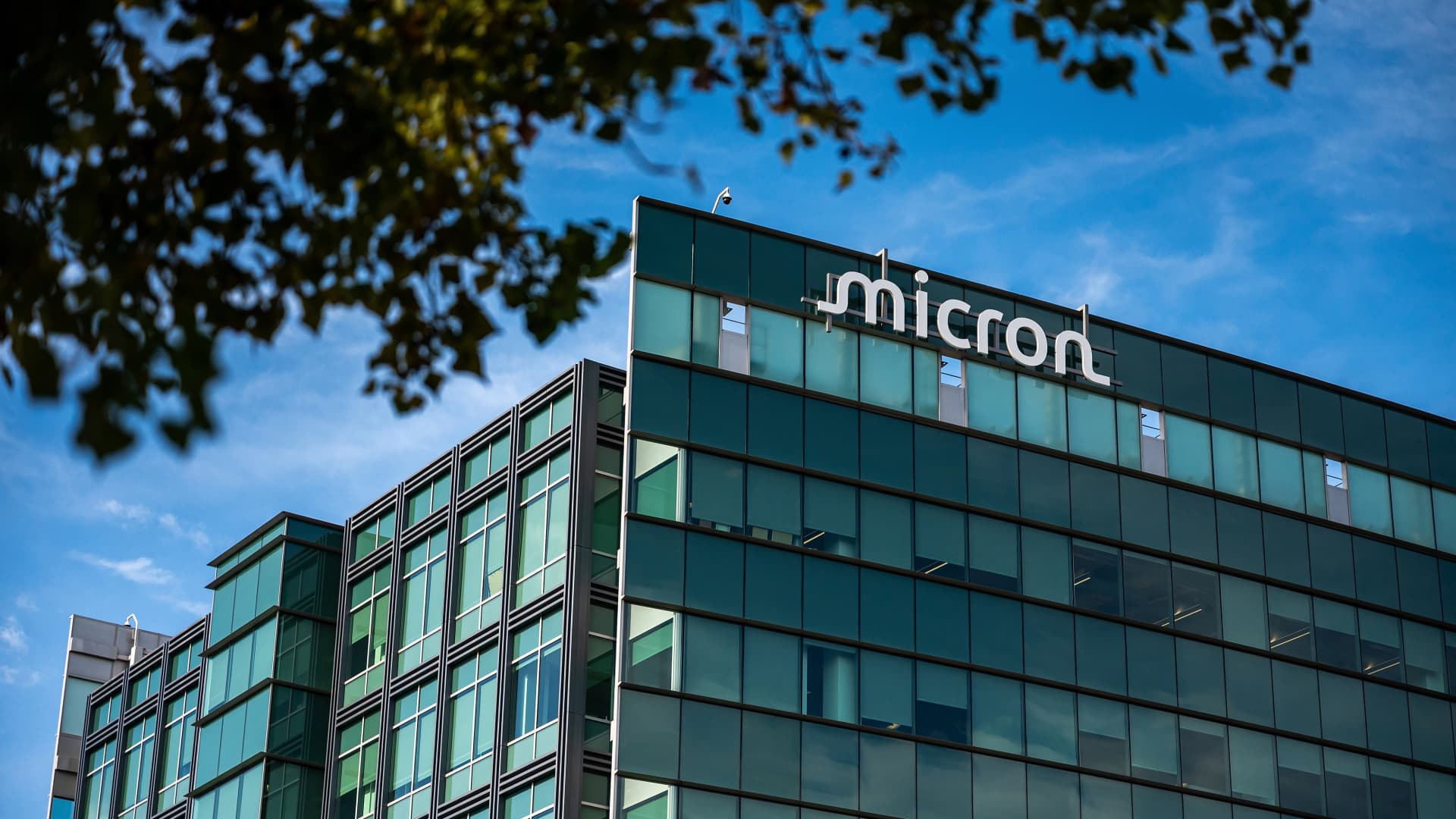
Memory Chip Sector Enters Supercycle Amid AI Demand Surge

- Surging Demand: Analysts indicate that the surge in memory chip demand marks the beginning of a 'supercycle' in the industry, expected to last for years, particularly as the rapid adoption of artificial intelligence accelerates this trend.
- Strong Company Performance: Micron Technology's stock surged nearly 38% in the past week, marking its best weekly performance since 2008, while the Roundhill Memory ETF gained over 30%, reflecting strong market demand for memory chips.
- Samsung's Expansion Plans: Samsung Electronics is advancing the construction of its new mega-fab, P5 Fab 2, by six months to solidify its market dominance in the AI semiconductor sector, with construction expected to begin in July.
- Price Pressure: Due to memory shortages, analysts estimate that DRAM and NAND prices could rise by approximately 180% by mid-2026 compared to Q3 last year, which will pressure downstream companies but also reflect margin expansion for memory manufacturers, with Micron projected to achieve an 81% gross margin.
See More

Global Semiconductor Industry Enters Massive Melt-Up Phase

- Market Capitalization Surge: The global semiconductor industry has added approximately $3.8 trillion in market capitalization over the past six weeks, driven by an insatiable demand for computing power from AI companies, particularly for new agentic AI models that operate continuously.
- Stock Performance Highlights: Intel shares have skyrocketed 239% this year, marking its first record in 26 years, while Sandisk shares have surged 558%, indicating a rebound in demand for traditional CPUs and memory chips, reflecting a robust market recovery.
- Strong Profit Expectations: Micron Technology is projected to generate $77 billion in operating profit this year, a significant turnaround from its 2023 losses, underscoring that demand for memory chips consistently outstrips supply, thereby reinforcing manufacturers' profitability.
- Cautious Investor Sentiment: Despite the vertical rise in stock prices, some analysts remain cautious about valuations, noting that Micron trades at just 8.9 times projected earnings, well below the S&P 500 average, reminding investors to be wary of potential market volatility.
See More

Sandisk's Stock Soars 400% Driven by AI Demand

- Stock Surge: Sandisk's stock has surged 400% year-to-date and nearly 3,900% over the past year, indicating strong market confidence in its future growth, particularly driven by AI technology.
- Significant Revenue Growth: In Q3 of fiscal year 2026, Sandisk generated $5.95 billion in revenue, reflecting a 97% sequential increase and a 251% year-over-year improvement, showcasing robust performance amid rising AI chip demand.
- Market Share Expansion: Sandisk's NAND flash technology serves as a critical component for AI chips, and as the AI market expands, Sandisk is gaining market share at a faster rate than Micron Technology, solidifying its position in the industry.
- Optimistic Outlook: The company anticipates $8 billion in revenue for Q4 of fiscal year 2026, indicating that its high growth momentum is expected to continue, further fueling investor enthusiasm for its stock.
See More
Micron Technology Shares Surge 710% Amid AI Demand
- Significant Performance Growth: In its fiscal 2026 second quarter, Micron Technology reported a 196% year-over-year sales increase to $23.9 billion, with non-GAAP earnings soaring 682% to $12.20 per share, highlighting the company's robust performance amid surging AI data center demand.
- Surge in Capital Expenditures: Tech giants like Alphabet and Meta are planning to increase capital expenditures, with total spending expected to reach $750 billion this year, which will further drive demand for Micron's memory chips and solidify its market position.
- Long-Term Contract Signing: Micron's management revealed that the company secured its first-ever five-year contract for memory processors, an unprecedented commitment in the memory industry, indicating strong customer trust and reliance on its products.
- Robotics Market Potential: Micron's CEO stated that the robotics market could become a major growth vector over the next 20 years, with AI-enabled humanoid robots expected to rival autonomous vehicles in computing capacity needs, thereby driving further memory demand.
See More
Alphabet Surpasses Nvidia in Market Cap Amid AI Boom
- Market Cap Milestone: Alphabet briefly surpassed Nvidia in after-hours trading with a market cap of $4.8 trillion, reflecting strong performance in the AI sector, particularly after a 160% stock price increase over the past year, which has significantly boosted market confidence in its future prospects.
- Cloud Business Surge: Google Cloud's backlog nearly doubled to $462 billion, with analysts attributing this growth primarily to a $200 billion deal with Anthropic, indicating Google's competitive edge and profitability in AI infrastructure.
- Investment Concerns: Despite strong cloud performance, analysts express concerns over reliance on Anthropic, which could account for over 40% of future contracted revenue, reminiscent of Oracle's situation, potentially impacting investor confidence.
- Capital Expenditure Plans: Google projects capital expenditures of up to $190 billion for 2025, more than double that of 2024, with analysts noting that this spending will be crucial for sustained competition in AI, but it also introduces risks that need to be addressed at the upcoming Google I/O conference.
See More
Alphabet Briefly Surpasses Nvidia in Market Cap Amid AI Optimism
- Market Cap Shift: Alphabet briefly surpassed Nvidia in after-hours trading, reaching a market cap of $4.8 trillion, reflecting strong market confidence in its AI capabilities, particularly in cloud computing and proprietary models.
- Cloud Growth Surge: Alphabet's cloud backlog nearly doubled to $462 billion, indicating robust growth potential in AI-related businesses, with analysts suggesting this will provide a solid foundation for future revenue increases.
- Investor Confidence: JPMorgan named Alphabet as their “top overall pick” in the tech sector, highlighting its leading position in the AI market and profitability, signaling optimistic expectations for its future performance.
- Risk Warning: Despite the market's optimism, analysts express concerns over Anthropic's $200 billion cloud commitment, which could represent over 40% of Alphabet's future contracted revenue, cautioning investors about potential concentration risks.
See More
Memory Chip Sector Enters Supercycle Amid AI Demand Surge
- Surging Demand: Analysts indicate that the surge in memory chip demand marks the beginning of a 'supercycle' in the industry, expected to last for years, particularly as the rapid adoption of artificial intelligence accelerates this trend.
- Strong Company Performance: Micron Technology's stock surged nearly 38% in the past week, marking its best weekly performance since 2008, while the Roundhill Memory ETF gained over 30%, reflecting strong market demand for memory chips.
- Samsung's Expansion Plans: Samsung Electronics is advancing the construction of its new mega-fab, P5 Fab 2, by six months to solidify its market dominance in the AI semiconductor sector, with construction expected to begin in July.
- Price Pressure: Due to memory shortages, analysts estimate that DRAM and NAND prices could rise by approximately 180% by mid-2026 compared to Q3 last year, which will pressure downstream companies but also reflect margin expansion for memory manufacturers, with Micron projected to achieve an 81% gross margin.
See More
Global Semiconductor Industry Enters Massive Melt-Up Phase
- Market Capitalization Surge: The global semiconductor industry has added approximately $3.8 trillion in market capitalization over the past six weeks, driven by an insatiable demand for computing power from AI companies, particularly for new agentic AI models that operate continuously.
- Stock Performance Highlights: Intel shares have skyrocketed 239% this year, marking its first record in 26 years, while Sandisk shares have surged 558%, indicating a rebound in demand for traditional CPUs and memory chips, reflecting a robust market recovery.
- Strong Profit Expectations: Micron Technology is projected to generate $77 billion in operating profit this year, a significant turnaround from its 2023 losses, underscoring that demand for memory chips consistently outstrips supply, thereby reinforcing manufacturers' profitability.
- Cautious Investor Sentiment: Despite the vertical rise in stock prices, some analysts remain cautious about valuations, noting that Micron trades at just 8.9 times projected earnings, well below the S&P 500 average, reminding investors to be wary of potential market volatility.
See More
Sandisk's Stock Soars 400% Driven by AI Demand
- Stock Surge: Sandisk's stock has surged 400% year-to-date and nearly 3,900% over the past year, indicating strong market confidence in its future growth, particularly driven by AI technology.
- Significant Revenue Growth: In Q3 of fiscal year 2026, Sandisk generated $5.95 billion in revenue, reflecting a 97% sequential increase and a 251% year-over-year improvement, showcasing robust performance amid rising AI chip demand.
- Market Share Expansion: Sandisk's NAND flash technology serves as a critical component for AI chips, and as the AI market expands, Sandisk is gaining market share at a faster rate than Micron Technology, solidifying its position in the industry.
- Optimistic Outlook: The company anticipates $8 billion in revenue for Q4 of fiscal year 2026, indicating that its high growth momentum is expected to continue, further fueling investor enthusiasm for its stock.
See More