

Meta Plans to Launch Cloud Computing Business
Written by Emily J. Thompson, Senior Investment Analyst
Updated: 21 hours ago
0mins

Source: NASDAQ.COM
- Positive Market Reaction: Meta's announcement of a cloud computing business led to a 9% stock price increase, adding approximately $150 billion to its market cap, indicating strong investor optimism about a new revenue stream that could enhance overall profitability.
- Significant Competitive Advantage: The cloud services will leverage Meta's existing AI infrastructure, expected to offer bare-metal computing capacity and AI model hosting, providing a competitive edge against emerging cloud companies like CoreWeave.
- Widespread Industry Impact: Meta's entry into the cloud market could create shockwaves throughout the tech sector, causing significant declines in stocks of emerging cloud firms like CoreWeave and Nebius, while also impacting chip stocks like Micron due to anticipated increases in chip supply.
- Optimistic Future Outlook: Although the cloud business is still in development, if Meta executes its plans effectively, it could reach a market position similar to Google Cloud in the next 5 to 10 years, further solidifying its leadership in the tech industry.
Trade with 70% Backtested Accuracy
Stop guessing "Should I Buy META?" and start using high-conviction signals backed by rigorous historical data.
Sign up today to access powerful investing tools and make smarter, data-driven decisions.
Analyst Views on META
Wall Street analysts forecast META stock price to rise
44 Analyst Rating
37 Buy
6 Hold
1 Sell
Strong Buy
Current: 612.910

Low
655.15
Averages
824.71
High
1117
Current: 612.910
Low
655.15
Averages
824.71
High
1117
About META
Meta Platforms, Inc. is building human connections, powered by artificial intelligence and immersive technologies. The Company's products enable people to connect and share with friends and family through mobile devices, personal computers, virtual reality (VR) and mixed reality (MR) headsets, augmented reality (AR), and wearables. It also helps people discover and learn about what is going on in the world around them, enabling people to share their experiences, ideas, photos, videos, and other content with audiences ranging from their closest family members and friends to the public at large. The Company's segments include Family of Apps (FoA) and Reality Labs (RL). FoA segment includes Facebook, Instagram, Messenger, WhatsApp and Threads. RL segment includes its virtual, augmented, and mixed reality related consumer hardware, software and content. Its product offerings in VR include its Meta Quest devices, as well as software and content available through the Meta Horizon Store.
About the author

Emily J. Thompson
Emily J. Thompson, a Chartered Financial Analyst (CFA) with 12 years in investment research, graduated with honors from the Wharton School. Specializing in industrial and technology stocks, she provides in-depth analysis for Intellectia’s earnings and market brief reports.

Meta's Cloud Business Boosts Shares by 8.81%

- Stock Price Surge: Meta Platforms' shares rose by 8.81% to close at $612.91, primarily driven by cloud business reports that alleviated investor concerns regarding AI spending, indicating market confidence in future growth prospects.
- Surge in Trading Volume: The company's trading volume reached 45.1 million shares, approximately 159% above the three-month average of 17.4 million shares, reflecting strong investor interest in Meta's cloud business outlook, which may enhance future market performance.
- Increased Capital Expenditure Forecast: Meta has raised its 2026 capital expenditure forecast to between $125 billion and $145 billion, highlighting the company's commitment to AI infrastructure, prompting investors to assess whether this will yield sustainable financial returns.
- Earnings Report Anticipation: Investors are keenly awaiting Meta's next earnings report for insights into revenue growth, margins, and capital expenditures, particularly regarding whether AI infrastructure spending can deliver substantial financial returns.
See More

Vanguard S&P 500 Growth ETF Poised for Strong Performance

- Growth Index Advantage: The Vanguard S&P 500 Growth ETF, which tracks a growth index focused on 145 high-growth stocks, is expected to rebound in the second half of 2026 despite sluggish performance in the first half, potentially leading the ETF to outperform its benchmark index.
- Giant Stock Weighting: The 'Magnificent Seven' stocks, including Nvidia and Alphabet, account for 50.8% of the ETF's market capitalization; although these stocks underperformed in the first half, their current low valuations present significant growth potential.
- AI Investment: The ETF holds substantial positions in AI infrastructure stocks, which performed exceptionally well in the first half, helping the ETF maintain pace with the S&P 500, demonstrating the effectiveness of its diversified investment strategy.
- Historical Returns: Since its launch in 2010, the Vanguard S&P 500 Growth ETF has delivered a compound annual return of 16.9%, significantly outperforming the S&P 500's 15.1%, indicating a strong likelihood of continued market outperformance in the next six months.
See More

Vanguard ETF Expected to Rebound in H2 2026
- Growth Stock Performance: The Vanguard S&P 500 Growth ETF had a lackluster performance in the first half of 2026, despite holding the 'Magnificent Seven' stocks with a combined market cap of $21 trillion, which constitutes 50.8% of the ETF's total value, with Microsoft notably down 22.9%.
- AI Infrastructure Support: The ETF's significant positions in AI infrastructure stocks like Micron Technology and AMD helped it maintain pace with the S&P 500, even as the 'Magnificent Seven' underperformed overall.
- Strong Historical Performance: Since its launch in 2010, the Vanguard S&P 500 Growth ETF has delivered a compound annual return of 16.9%, significantly outperforming the S&P 500's 15.1%, indicating potential for continued outperformance in the second half of 2026.
- Attractive Valuations: As of June 30, Nvidia's price-to-earnings ratio was just 30.6, below its 10-year average, while Meta, Microsoft, Alphabet, and Amazon all had P/E ratios under 30, highlighting the attractive valuations of these tech giants, which are expected to drive the ETF's performance in the next six months.
See More

Semiconductor Stocks Decline, KLA and Teradyne Under Pressure

- Semiconductor Sector Pullback: The Philadelphia Semiconductor Index plunged over 7%, leading to a 14% drop in KLA Corporation's stock and a 15.2% decline in Teradyne's shares, reflecting market uncertainty regarding future demand for chips amid cooling AI-driven growth.
- Cloud Spending Concerns: A warning from a Citi analyst suggested that large cloud platforms might slow their high spending on AI infrastructure if they cannot demonstrate returns to investors, amplifying negative sentiment and impacting stock performance in the sector.
- Meta's AI Capacity Plans: Reports of Meta's intention to sell access to its AI computing power sparked fears of future overcapacity, interpreted by the market as a signal that hyperscalers may have overbuilt, potentially leading to reduced future orders for GPUs, HBM, and NAND, thus affecting the semiconductor industry's outlook.
- Profit-Taking in the Market: Amid the market's overreaction to the news, investors began to take profits, and while KLA and Teradyne's stocks experienced significant declines, this could present good buying opportunities for high-quality stocks, especially given the long-term positive outlook on AI infrastructure development.
See More

Meta's Cloud Ambitions Pose Threat to Amazon

- Market Reaction: The news of Meta's cloud computing plans triggered market fluctuations, with Meta's stock rising while Amazon's shares modestly increased to $241.70, indicating continued investor confidence in Amazon despite potential competition.
- Strong AWS Performance: Amazon Web Services (AWS) achieved a 28% year-over-year growth in Q1 2026, generating $37.6 billion in revenue, showcasing its robust competitive position in the cloud market despite the looming threat from Meta.
- Profit Contribution: AWS contributed $14.2 billion in operating income during the quarter, accounting for nearly 60% of Amazon's total operating income, despite representing only one-fifth of the company's total sales, highlighting its critical role in profitability.
- Investment and Cash Flow: Amazon's free cash flow fell to $1.2 billion over the past 12 months, primarily due to a $59.3 billion increase in investments in AI, reflecting the company's proactive stance on expanding cloud capabilities despite competitive pressures.
See More
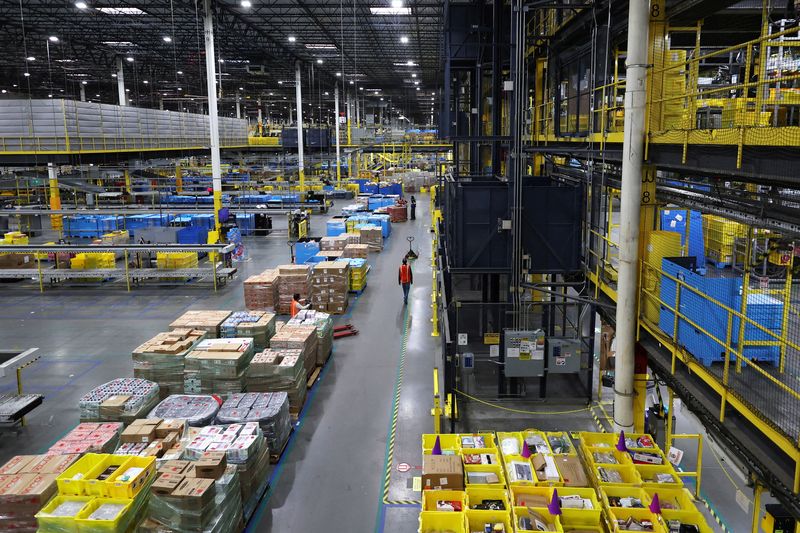
Meta Plans to Enter Cloud Computing Market
- Increased Cloud Competition: Meta is reportedly developing a cloud service to rent out its AI computing power, directly competing with Amazon Web Services (AWS), which saw a 28% year-over-year revenue growth to $37.6 billion in Q1 2026, indicating strong market demand.
- AWS Profitability: Despite accounting for only one-fifth of Amazon's $181.5 billion in net sales, AWS generated $14.2 billion in operating income during Q1, nearly 60% of Amazon's total operating income of $23.9 billion, highlighting its critical role in the company's profitability.
- Investment and Cash Flow Pressure: Amazon's free cash flow fell to $1.2 billion over the past 12 months, primarily due to a $59.3 billion increase in investments in AI, indicating that the company is reinvesting all its earnings into new capacity, reflecting confidence in future market demand.
- Market Risks and Opportunities: Meta's cloud service plans could lead to an oversupply of AI computing capacity, which may weaken pricing power across the industry if tech giants overbuild, although Amazon's market position remains strong, with projected net sales growth of 16% to 19% for Q2.
See More
Meta's Cloud Business Boosts Shares by 8.81%
- Stock Price Surge: Meta Platforms' shares rose by 8.81% to close at $612.91, primarily driven by cloud business reports that alleviated investor concerns regarding AI spending, indicating market confidence in future growth prospects.
- Surge in Trading Volume: The company's trading volume reached 45.1 million shares, approximately 159% above the three-month average of 17.4 million shares, reflecting strong investor interest in Meta's cloud business outlook, which may enhance future market performance.
- Increased Capital Expenditure Forecast: Meta has raised its 2026 capital expenditure forecast to between $125 billion and $145 billion, highlighting the company's commitment to AI infrastructure, prompting investors to assess whether this will yield sustainable financial returns.
- Earnings Report Anticipation: Investors are keenly awaiting Meta's next earnings report for insights into revenue growth, margins, and capital expenditures, particularly regarding whether AI infrastructure spending can deliver substantial financial returns.
See More
Vanguard S&P 500 Growth ETF Poised for Strong Performance
- Growth Index Advantage: The Vanguard S&P 500 Growth ETF, which tracks a growth index focused on 145 high-growth stocks, is expected to rebound in the second half of 2026 despite sluggish performance in the first half, potentially leading the ETF to outperform its benchmark index.
- Giant Stock Weighting: The 'Magnificent Seven' stocks, including Nvidia and Alphabet, account for 50.8% of the ETF's market capitalization; although these stocks underperformed in the first half, their current low valuations present significant growth potential.
- AI Investment: The ETF holds substantial positions in AI infrastructure stocks, which performed exceptionally well in the first half, helping the ETF maintain pace with the S&P 500, demonstrating the effectiveness of its diversified investment strategy.
- Historical Returns: Since its launch in 2010, the Vanguard S&P 500 Growth ETF has delivered a compound annual return of 16.9%, significantly outperforming the S&P 500's 15.1%, indicating a strong likelihood of continued market outperformance in the next six months.
See More
Vanguard ETF Expected to Rebound in H2 2026
- Growth Stock Performance: The Vanguard S&P 500 Growth ETF had a lackluster performance in the first half of 2026, despite holding the 'Magnificent Seven' stocks with a combined market cap of $21 trillion, which constitutes 50.8% of the ETF's total value, with Microsoft notably down 22.9%.
- AI Infrastructure Support: The ETF's significant positions in AI infrastructure stocks like Micron Technology and AMD helped it maintain pace with the S&P 500, even as the 'Magnificent Seven' underperformed overall.
- Strong Historical Performance: Since its launch in 2010, the Vanguard S&P 500 Growth ETF has delivered a compound annual return of 16.9%, significantly outperforming the S&P 500's 15.1%, indicating potential for continued outperformance in the second half of 2026.
- Attractive Valuations: As of June 30, Nvidia's price-to-earnings ratio was just 30.6, below its 10-year average, while Meta, Microsoft, Alphabet, and Amazon all had P/E ratios under 30, highlighting the attractive valuations of these tech giants, which are expected to drive the ETF's performance in the next six months.
See More
Semiconductor Stocks Decline, KLA and Teradyne Under Pressure
- Semiconductor Sector Pullback: The Philadelphia Semiconductor Index plunged over 7%, leading to a 14% drop in KLA Corporation's stock and a 15.2% decline in Teradyne's shares, reflecting market uncertainty regarding future demand for chips amid cooling AI-driven growth.
- Cloud Spending Concerns: A warning from a Citi analyst suggested that large cloud platforms might slow their high spending on AI infrastructure if they cannot demonstrate returns to investors, amplifying negative sentiment and impacting stock performance in the sector.
- Meta's AI Capacity Plans: Reports of Meta's intention to sell access to its AI computing power sparked fears of future overcapacity, interpreted by the market as a signal that hyperscalers may have overbuilt, potentially leading to reduced future orders for GPUs, HBM, and NAND, thus affecting the semiconductor industry's outlook.
- Profit-Taking in the Market: Amid the market's overreaction to the news, investors began to take profits, and while KLA and Teradyne's stocks experienced significant declines, this could present good buying opportunities for high-quality stocks, especially given the long-term positive outlook on AI infrastructure development.
See More
Meta's Cloud Ambitions Pose Threat to Amazon
- Market Reaction: The news of Meta's cloud computing plans triggered market fluctuations, with Meta's stock rising while Amazon's shares modestly increased to $241.70, indicating continued investor confidence in Amazon despite potential competition.
- Strong AWS Performance: Amazon Web Services (AWS) achieved a 28% year-over-year growth in Q1 2026, generating $37.6 billion in revenue, showcasing its robust competitive position in the cloud market despite the looming threat from Meta.
- Profit Contribution: AWS contributed $14.2 billion in operating income during the quarter, accounting for nearly 60% of Amazon's total operating income, despite representing only one-fifth of the company's total sales, highlighting its critical role in profitability.
- Investment and Cash Flow: Amazon's free cash flow fell to $1.2 billion over the past 12 months, primarily due to a $59.3 billion increase in investments in AI, reflecting the company's proactive stance on expanding cloud capabilities despite competitive pressures.
See More
Meta Plans to Enter Cloud Computing Market
- Increased Cloud Competition: Meta is reportedly developing a cloud service to rent out its AI computing power, directly competing with Amazon Web Services (AWS), which saw a 28% year-over-year revenue growth to $37.6 billion in Q1 2026, indicating strong market demand.
- AWS Profitability: Despite accounting for only one-fifth of Amazon's $181.5 billion in net sales, AWS generated $14.2 billion in operating income during Q1, nearly 60% of Amazon's total operating income of $23.9 billion, highlighting its critical role in the company's profitability.
- Investment and Cash Flow Pressure: Amazon's free cash flow fell to $1.2 billion over the past 12 months, primarily due to a $59.3 billion increase in investments in AI, indicating that the company is reinvesting all its earnings into new capacity, reflecting confidence in future market demand.
- Market Risks and Opportunities: Meta's cloud service plans could lead to an oversupply of AI computing capacity, which may weaken pricing power across the industry if tech giants overbuild, although Amazon's market position remains strong, with projected net sales growth of 16% to 19% for Q2.
See More





