

Memory Stocks Surge: Sandisk Price Target Raised to $600
Written by Emily J. Thompson, Senior Investment Analyst
Updated: Jan 24 2026
0mins
Source: seekingalpha
- Surging Market Demand: Driven by insatiable demand from data centers and AI, valuations for memory and storage manufacturers have skyrocketed, with Sandisk, Seagate, and Western Digital seeing stock price increases of nearly 1300%, 370%, and 220% respectively over the past year, indicating strong market confidence.
- Expanding Supply Gap: Analyst Matt Bryson highlights that the shortfall for hard disk drives and memory is expected to reach 200 to 300 exabytes, suggesting that supply growth may be capped at 20% over the next few years while data growth approaches 30%, leading to a persistent supply-demand gap.
- Price Target Increases: Bryson raised Sandisk's price target from $260 to $600, while also increasing targets for Seagate and Western Digital to $380 and $260 respectively, reflecting an optimistic outlook on the future profitability of these companies.
- Positive NAND Market Outlook: Bryson anticipates that the NAND market will experience price increases in the coming months, with contract spot prices expected to rise over 50% in March, which will push industry margins above historical peaks and further solidify the investment appeal of storage stocks.
Trade with 70% Backtested Accuracy
Stop guessing "Should I Buy SNDK?" and start using high-conviction signals backed by rigorous historical data.
Sign up today to access powerful investing tools and make smarter, data-driven decisions.
Analyst Views on SNDK
Wall Street analysts forecast SNDK stock price to fall
14 Analyst Rating
11 Buy
3 Hold
0 Sell
Strong Buy
Current: 1745.000

Low
220.00
Averages
283.69
High
410.00
Current: 1745.000
Low
220.00
Averages
283.69
High
410.00
About SNDK
SanDisk Corporation is a developer, manufacturer and provider of data storage devices and solutions based on NAND flash technology and has consumer brands and franchises globally. The Company's solutions include a range of solid state drives (SSDs) embedded products, removable cards, universal serial bus (USB) drives, and wafers and components. Its broad portfolio of technology and products addresses multiple end markets of Datacenter, Edge and Consumer. Its Datacenter end market is composed primarily of products for public or private cloud environments and enterprise customers. The Company, through the Edge end market, provides original equipment manufacturer and channel customers a broad array of high-performance flash solutions across personal computer, mobile, gaming, automotive, virtual reality headsets, at-home entertainment, and industrial spaces. The Company serves the Consumer end market with a broad range of retail and other end-user products.
About the author

Emily J. Thompson
Emily J. Thompson, a Chartered Financial Analyst (CFA) with 12 years in investment research, graduated with honors from the Wharton School. Specializing in industrial and technology stocks, she provides in-depth analysis for Intellectia’s earnings and market brief reports.

Sandisk Stock Soars 800% in 2026, Analysts See More Upside

- Outstanding Stock Performance: Sandisk's stock has surged approximately 800% in 2026, significantly outperforming second-place Micron Technology, which is up about 300%, reflecting strong demand and performance in the semiconductor sector.
- Escalating Memory Chip Shortage: Sandisk, which primarily manufactures NAND memory for long-term data storage, is benefiting from soaring SSD demand in data centers, leading to skyrocketing memory chip prices and solidifying its market position.
- Future Growth Potential: Analysts project Sandisk will achieve a remarkable 336% growth in fiscal Q4 and 122% growth for fiscal 2027, indicating substantial growth opportunities ahead and promising returns for investors.
- Reasonable Valuation: With a forward P/E ratio of 11, Sandisk's stock is considered reasonably priced given its future earnings potential, and analysts believe it has room to rise further, making it an attractive buy for investors.
See More
Sandisk Stock Surges 4,885% in 16 Months, Analysts Weigh Future Growth

- Stock Surge: Since its IPO on February 13, 2025, Sandisk's share price has skyrocketed from approximately $35 to $1,745, marking an astonishing 4,885% increase, which underscores strong market performance and investor confidence.
- Significant Revenue Growth: In the latest quarter, Sandisk reported a 97% sequential revenue increase to $5.95 billion, with non-GAAP earnings soaring 247% to $23.41 per share, highlighting robust demand and profitability in the data storage sector.
- Optimistic Future Outlook: The company anticipates revenue growth of 30% to 38% and earnings per share growth of 28% to 41% in the upcoming quarter, indicating strong growth potential in its rapidly expanding data center business.
- Strong Market Demand: Analysts predict that the demand for storage and memory will remain high until at least 2030, positioning Sandisk favorably with its technological advantages, although the stock may face corrections due to valuation concerns.
See More

Sandisk Stock Surges 4,885% Since Relisting on Nasdaq
- Stock Surge: Sandisk's stock has skyrocketed 4,885% since its relisting on Nasdaq in February 2025, climbing from approximately $35 per share to $1,745, reflecting strong demand and investor confidence in the data storage sector.
- Significant Revenue Growth: In the latest quarter, Sandisk reported a 97% sequential revenue increase to $5.95 billion, with non-GAAP earnings soaring 247% to $23.41 per share, showcasing robust performance driven by AI computing demand.
- Optimistic Future Outlook: The company anticipates revenue growth of 30% to 38% and earnings per share growth of 28% to 41% in the upcoming quarter, indicating strong demand and market potential within its rapidly expanding data center business.
- Sustained Market Demand: Analysts predict that the supply-demand imbalance for storage and memory will last until 2030, positioning Sandisk as a focal point for investors due to its high valuation and growth expectations, despite recent stock price corrections.
See More
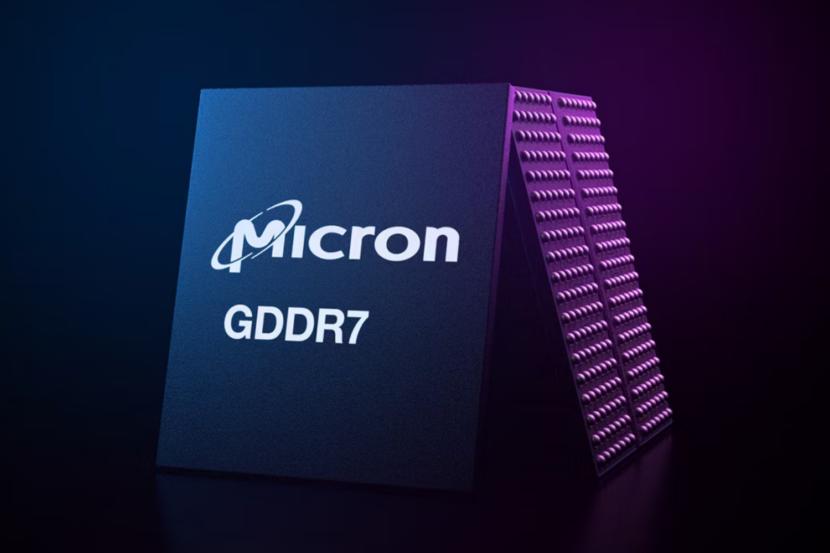
Micron and Sandisk See Surge in Memory Demand

- Surge in Demand: Micron and Sandisk are experiencing a significant increase in demand within the memory chip market, with Sandisk's stock soaring over 600% this year and Micron up approximately 240%, indicating strong market performance that has attracted considerable investor interest.
- Profit Margin Surge: The spike in memory component prices has led to substantial increases in profit margins for both Sandisk and Micron, achieving record highs in revenue and profits without altering their existing operational setups, which has further propelled stock prices upward.
- Optimistic Market Outlook: Micron's management has indicated that tight market conditions are expected to persist until 2027, and while future market competition may intensify, both companies still possess strong growth potential in the short term, boosting investor confidence.
- Investment Risk Advisory: Despite favorable current market conditions for Micron and Sandisk, investors should remain cautious of market volatility, particularly for long-term holders, as shifts in the memory market could rapidly impact stock price performance.
See More
Analysis of Sandisk and Micron's Stock Surge
- Outstanding Stock Performance: Sandisk's stock has surged over 600% this year, while Micron has risen approximately 240%, reflecting strong performance in the memory chip market that has captured significant investor interest.
- Tight Market Conditions: The imbalance between supply and demand in the memory chip market has led to soaring prices, resulting in substantial revenue growth for both Sandisk and Micron, with their profit margins also reaching new highs, further driving stock price increases.
- Valuation Advantage: Over the past year, Sandisk and Micron's stocks have gained favor due to their low valuations, and with the dual boost of rising revenues and profits, market expectations for their futures have significantly improved, creating strong investment appeal.
- Future Growth Potential: Micron's management has indicated that tight market conditions are expected to persist until 2027, and while uncertainties remain for the future, both companies are poised for continued growth in the short term, making them attractive for investors with a good risk tolerance.
See More

Retail Traders Eye Memory Stocks Amid Market Fluctuations
- Market Sentiment Rebound: After sharp declines last week, U.S. memory stocks rallied overnight on Sunday, with Western Digital shares rising 3.3% and SanDisk, Micron, and Seagate stocks up over 2%, reflecting investor optimism ahead of Samsung's upcoming earnings report.
- Samsung Earnings Expectations: Analysts predict that Samsung Electronics will report a preliminary operating profit of 84.3 trillion won ($55.1 billion) for Q3, an 18-fold increase year-over-year, with revenue projected to rise 127% to a record 169 trillion won, significantly impacting the global chip market.
- Retail Sentiment Extremely Bullish: According to Stocktwits, retail sentiment for SNDK and DRAM is 'extremely bullish', while Micron is viewed as 'bullish', indicating strong confidence in memory demand despite intensifying competition challenges.
- Impact of SK Hynix Listing: SK Hynix is set to debut on Nasdaq on July 10, with expectations of major volatility, particularly affecting Micron shares as investors may shift from the higher-valued Micron to the lower-priced SK Hynix, potentially reshaping the market landscape.
See More
Sandisk Stock Soars 800% in 2026, Analysts See More Upside
- Outstanding Stock Performance: Sandisk's stock has surged approximately 800% in 2026, significantly outperforming second-place Micron Technology, which is up about 300%, reflecting strong demand and performance in the semiconductor sector.
- Escalating Memory Chip Shortage: Sandisk, which primarily manufactures NAND memory for long-term data storage, is benefiting from soaring SSD demand in data centers, leading to skyrocketing memory chip prices and solidifying its market position.
- Future Growth Potential: Analysts project Sandisk will achieve a remarkable 336% growth in fiscal Q4 and 122% growth for fiscal 2027, indicating substantial growth opportunities ahead and promising returns for investors.
- Reasonable Valuation: With a forward P/E ratio of 11, Sandisk's stock is considered reasonably priced given its future earnings potential, and analysts believe it has room to rise further, making it an attractive buy for investors.
See More
Sandisk Stock Surges 4,885% in 16 Months, Analysts Weigh Future Growth
- Stock Surge: Since its IPO on February 13, 2025, Sandisk's share price has skyrocketed from approximately $35 to $1,745, marking an astonishing 4,885% increase, which underscores strong market performance and investor confidence.
- Significant Revenue Growth: In the latest quarter, Sandisk reported a 97% sequential revenue increase to $5.95 billion, with non-GAAP earnings soaring 247% to $23.41 per share, highlighting robust demand and profitability in the data storage sector.
- Optimistic Future Outlook: The company anticipates revenue growth of 30% to 38% and earnings per share growth of 28% to 41% in the upcoming quarter, indicating strong growth potential in its rapidly expanding data center business.
- Strong Market Demand: Analysts predict that the demand for storage and memory will remain high until at least 2030, positioning Sandisk favorably with its technological advantages, although the stock may face corrections due to valuation concerns.
See More
Sandisk Stock Surges 4,885% Since Relisting on Nasdaq
- Stock Surge: Sandisk's stock has skyrocketed 4,885% since its relisting on Nasdaq in February 2025, climbing from approximately $35 per share to $1,745, reflecting strong demand and investor confidence in the data storage sector.
- Significant Revenue Growth: In the latest quarter, Sandisk reported a 97% sequential revenue increase to $5.95 billion, with non-GAAP earnings soaring 247% to $23.41 per share, showcasing robust performance driven by AI computing demand.
- Optimistic Future Outlook: The company anticipates revenue growth of 30% to 38% and earnings per share growth of 28% to 41% in the upcoming quarter, indicating strong demand and market potential within its rapidly expanding data center business.
- Sustained Market Demand: Analysts predict that the supply-demand imbalance for storage and memory will last until 2030, positioning Sandisk as a focal point for investors due to its high valuation and growth expectations, despite recent stock price corrections.
See More
Micron and Sandisk See Surge in Memory Demand
- Surge in Demand: Micron and Sandisk are experiencing a significant increase in demand within the memory chip market, with Sandisk's stock soaring over 600% this year and Micron up approximately 240%, indicating strong market performance that has attracted considerable investor interest.
- Profit Margin Surge: The spike in memory component prices has led to substantial increases in profit margins for both Sandisk and Micron, achieving record highs in revenue and profits without altering their existing operational setups, which has further propelled stock prices upward.
- Optimistic Market Outlook: Micron's management has indicated that tight market conditions are expected to persist until 2027, and while future market competition may intensify, both companies still possess strong growth potential in the short term, boosting investor confidence.
- Investment Risk Advisory: Despite favorable current market conditions for Micron and Sandisk, investors should remain cautious of market volatility, particularly for long-term holders, as shifts in the memory market could rapidly impact stock price performance.
See More
Analysis of Sandisk and Micron's Stock Surge
- Outstanding Stock Performance: Sandisk's stock has surged over 600% this year, while Micron has risen approximately 240%, reflecting strong performance in the memory chip market that has captured significant investor interest.
- Tight Market Conditions: The imbalance between supply and demand in the memory chip market has led to soaring prices, resulting in substantial revenue growth for both Sandisk and Micron, with their profit margins also reaching new highs, further driving stock price increases.
- Valuation Advantage: Over the past year, Sandisk and Micron's stocks have gained favor due to their low valuations, and with the dual boost of rising revenues and profits, market expectations for their futures have significantly improved, creating strong investment appeal.
- Future Growth Potential: Micron's management has indicated that tight market conditions are expected to persist until 2027, and while uncertainties remain for the future, both companies are poised for continued growth in the short term, making them attractive for investors with a good risk tolerance.
See More
Retail Traders Eye Memory Stocks Amid Market Fluctuations
- Market Sentiment Rebound: After sharp declines last week, U.S. memory stocks rallied overnight on Sunday, with Western Digital shares rising 3.3% and SanDisk, Micron, and Seagate stocks up over 2%, reflecting investor optimism ahead of Samsung's upcoming earnings report.
- Samsung Earnings Expectations: Analysts predict that Samsung Electronics will report a preliminary operating profit of 84.3 trillion won ($55.1 billion) for Q3, an 18-fold increase year-over-year, with revenue projected to rise 127% to a record 169 trillion won, significantly impacting the global chip market.
- Retail Sentiment Extremely Bullish: According to Stocktwits, retail sentiment for SNDK and DRAM is 'extremely bullish', while Micron is viewed as 'bullish', indicating strong confidence in memory demand despite intensifying competition challenges.
- Impact of SK Hynix Listing: SK Hynix is set to debut on Nasdaq on July 10, with expectations of major volatility, particularly affecting Micron shares as investors may shift from the higher-valued Micron to the lower-priced SK Hynix, potentially reshaping the market landscape.
See More




