Meme Comeback: Bed Bath & Beyond Set to Become a Tradable Stock Again
Corporate Name Change: Beyond Inc. will change its name to Bed Bath & Beyond, with trading under the ticker symbol BBBY starting August 29.
Focus on Growth: Executive Chairman Marcus Lemonis emphasized the company's commitment to growing revenue, achieving profitability, and monetizing blockchain assets while reviving the Bed Bath & Beyond brand.
Historical Background: Founded in 1971 as Bed 'n Bath, the company evolved into Bed Bath & Beyond in 1987, becoming a major player in home goods retail before facing bankruptcy in 2023.
Competitive Landscape: Bed Bath & Beyond competes with various retailers including Wayfair, Walmart, Target, and Home Depot, among others.
Trade with 70% Backtested Accuracy
Analyst Views on XRT
About the author

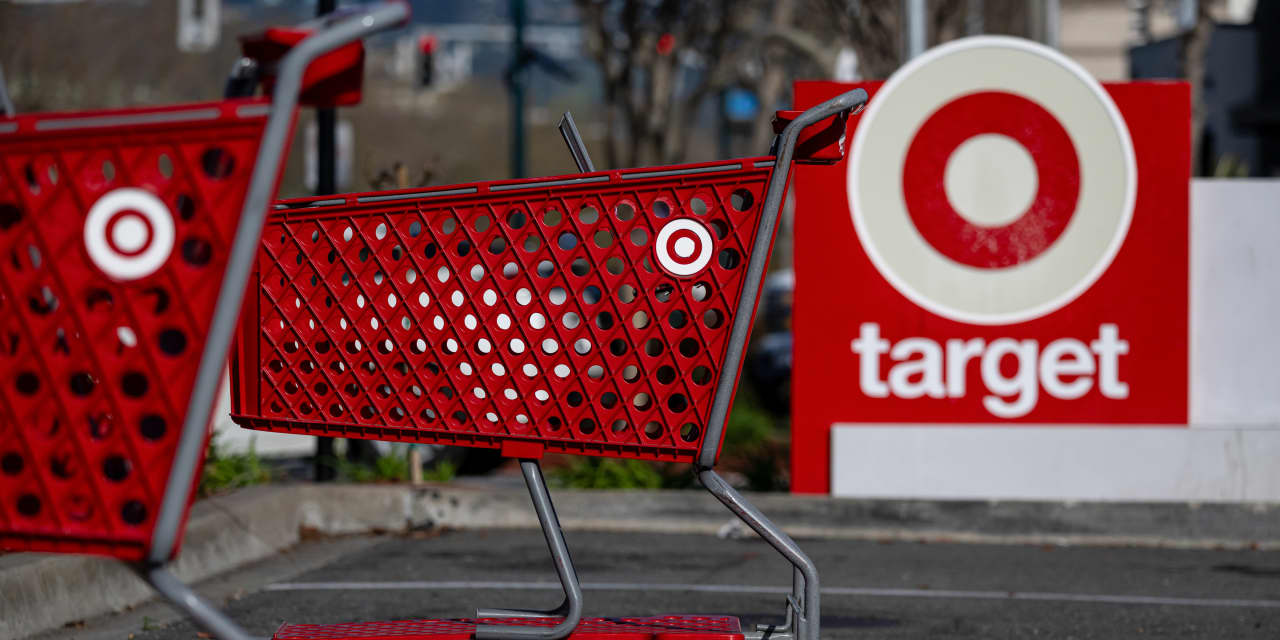
Target's Latest Store Highlights Ongoing Issues for Customers


- Unexpected Returns: The soft launch of a new Target store featured an unusual sight: a line for returns.
- Customer Activity: This indicates significant customer activity and engagement even during the store's initial opening phase.
- Store Launch: The event marks the introduction of a new retail location, which typically focuses on attracting new customers.
- Consumer Behavior: The presence of return lines suggests that customers may have already purchased items prior to the launch.
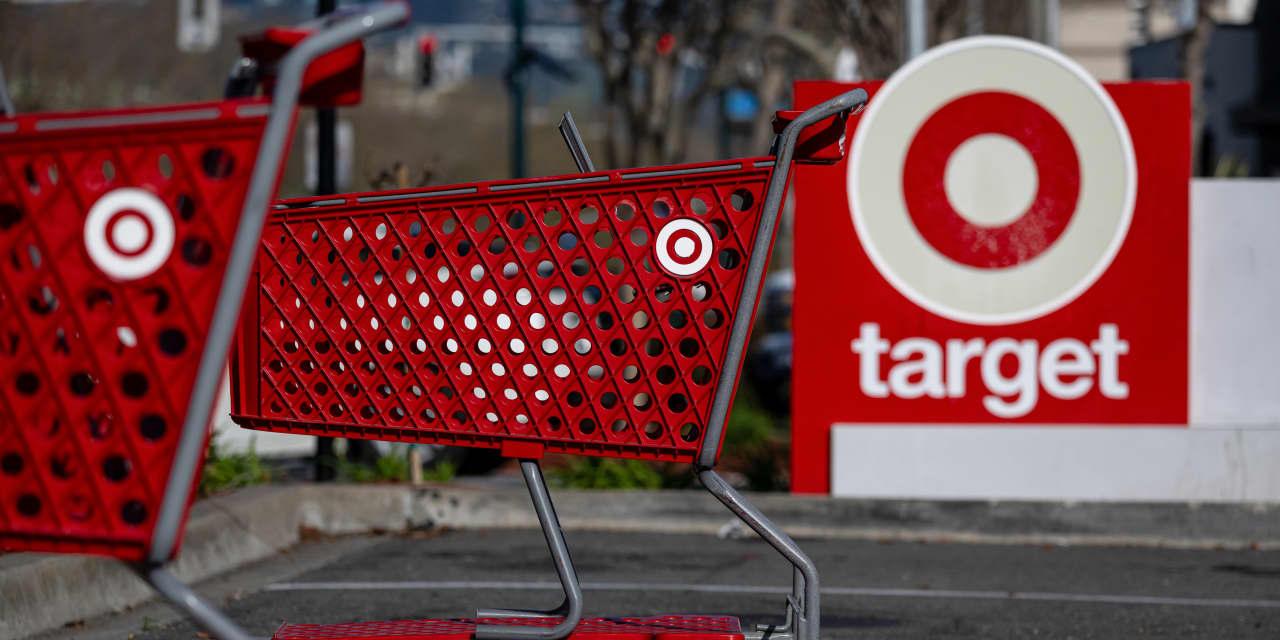
Target's Latest Store Highlights Ongoing Issues for Customers

- Unexpected Scene: The soft launch of a new Target featured an unusual sight: a line for returns.
- Customer Activity: This indicates that customers were actively engaging with the store, even during the launch phase.
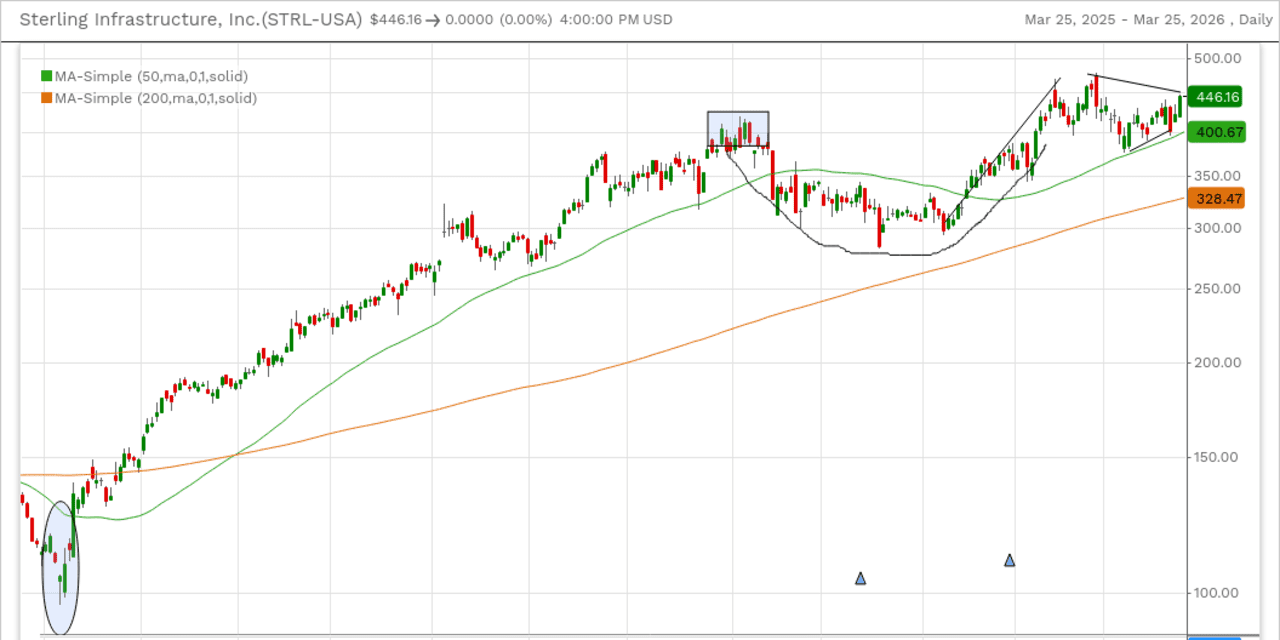
A Look Back at Previous Stock Selections: Sterling Infrastructure, Corpay, Deere


Importance of Revisiting Stock Picks: Reviewing former stock picks helps investors measure effectiveness and refine their strategies and discipline.
Identifying Patterns and Assumptions: By analyzing past calls, investors can recognize successful patterns and identify incorrect assumptions that may have influenced decisions.
Improving Decision-Making: Regular evaluations of past investments enhance future decision-making processes by learning from previous outcomes.
Reinforcing Accountability: This practice ensures that investment ideas are assessed based on their market performance, not just the initial investment thesis.

Wayfair's Decline Following a 500% Surge May Present a Buying Opportunity

Company Performance: Wayfair has gained market share and exceeded earnings expectations despite challenges in the home furnishings sector, posting three consecutive quarters of better-than-expected earnings.
Stock Fluctuations: After a significant rally, Wayfair's stock has experienced a pullback, with shares falling approximately 35% from their 52-week high, raising concerns about overvaluation among investors.
Investor Sentiment: Despite a positive long-term outlook, investor sentiment remains mixed due to ongoing risks related to consumer spending and housing market conditions, leading to a cautious approach towards the stock.
Analyst Ratings: The consensus rating for Wayfair's stock is a moderate buy, with a majority of analysts maintaining positive outlooks, although some have lowered their price targets following recent earnings reports.

Retail Stocks Suffer as the Iran War Impacts Shopping Trends.


Concerns about War: Many Americans are feeling anxious about the ongoing conflict in Iran and its implications.
Ineffectiveness of Retail Therapy: Engaging in shopping or retail therapy is not seen as a viable solution to alleviate these worries.

3 ETFs That May Gain as Consumers Cut Back on Spending
Consumer Spending Trends: U.S. consumer spending remains resilient, with higher-income households continuing to spend freely, while lower-income consumers are scaling back due to elevated prices and rising debt.
Shift to Discount Retailers: As many households look to trim expenses, shoppers are increasingly turning to discount chains and warehouse clubs, benefiting retailers like TJX Companies, Ross Stores, and Dollar General.
Investment Opportunities: Analysts suggest that investors can benefit from the shift towards a more price-conscious economy by focusing on ETFs that provide exposure to value-oriented retailers, such as XLV and XRT.
Market Performance: Retail ETFs like RTH and XLY have shown strong performance, with RTH rising nearly 17% over the past year, while also providing significant exposure to major retailers like Amazon and Walmart, which dominate the market.
Target's Latest Store Highlights Ongoing Issues for Customers
- Unexpected Returns: The soft launch of a new Target store featured an unusual sight: a line for returns.
- Customer Activity: This indicates significant customer activity and engagement even during the store's initial opening phase.
- Store Launch: The event marks the introduction of a new retail location, which typically focuses on attracting new customers.
- Consumer Behavior: The presence of return lines suggests that customers may have already purchased items prior to the launch.
Target's Latest Store Highlights Ongoing Issues for Customers
- Unexpected Scene: The soft launch of a new Target featured an unusual sight: a line for returns.
- Customer Activity: This indicates that customers were actively engaging with the store, even during the launch phase.
A Look Back at Previous Stock Selections: Sterling Infrastructure, Corpay, Deere
Importance of Revisiting Stock Picks: Reviewing former stock picks helps investors measure effectiveness and refine their strategies and discipline.
Identifying Patterns and Assumptions: By analyzing past calls, investors can recognize successful patterns and identify incorrect assumptions that may have influenced decisions.
Improving Decision-Making: Regular evaluations of past investments enhance future decision-making processes by learning from previous outcomes.
Reinforcing Accountability: This practice ensures that investment ideas are assessed based on their market performance, not just the initial investment thesis.
Wayfair's Decline Following a 500% Surge May Present a Buying Opportunity
Company Performance: Wayfair has gained market share and exceeded earnings expectations despite challenges in the home furnishings sector, posting three consecutive quarters of better-than-expected earnings.
Stock Fluctuations: After a significant rally, Wayfair's stock has experienced a pullback, with shares falling approximately 35% from their 52-week high, raising concerns about overvaluation among investors.
Investor Sentiment: Despite a positive long-term outlook, investor sentiment remains mixed due to ongoing risks related to consumer spending and housing market conditions, leading to a cautious approach towards the stock.
Analyst Ratings: The consensus rating for Wayfair's stock is a moderate buy, with a majority of analysts maintaining positive outlooks, although some have lowered their price targets following recent earnings reports.
Retail Stocks Suffer as the Iran War Impacts Shopping Trends.
Concerns about War: Many Americans are feeling anxious about the ongoing conflict in Iran and its implications.
Ineffectiveness of Retail Therapy: Engaging in shopping or retail therapy is not seen as a viable solution to alleviate these worries.
3 ETFs That May Gain as Consumers Cut Back on Spending
Consumer Spending Trends: U.S. consumer spending remains resilient, with higher-income households continuing to spend freely, while lower-income consumers are scaling back due to elevated prices and rising debt.
Shift to Discount Retailers: As many households look to trim expenses, shoppers are increasingly turning to discount chains and warehouse clubs, benefiting retailers like TJX Companies, Ross Stores, and Dollar General.
Investment Opportunities: Analysts suggest that investors can benefit from the shift towards a more price-conscious economy by focusing on ETFs that provide exposure to value-oriented retailers, such as XLV and XRT.
Market Performance: Retail ETFs like RTH and XLY have shown strong performance, with RTH rising nearly 17% over the past year, while also providing significant exposure to major retailers like Amazon and Walmart, which dominate the market.