MDA Space Secures $32M Contract with Canada's Defence Department
MDA Space announced that it has been contracted by Canada's Defence Investment Agency to deliver three Ground-Based Optical observatories as part of the Surveillance of Space 2 space domain awareness program to the Department of National Defence. Valued at approximately $32M, as part of the contract MDA Space will also operate and provide in-service support to ensure long-term sustainment of the ground stations. The DND is modernizing Canada's continental defence capabilities to address new and emerging threats to critical space infrastructure. Once delivered, the new GBO observatories will provide additional defence capabilities to Canada's existing Sapphire satellite which currently enables the Canadian Armed Forces to detect, track, characterize and monitor objects in deep space. Through this contract, by 2028, MDA Space will establish three remotely operated GBO observatories in Alberta, Manitoba and New Brunswick.
Trade with 70% Backtested Accuracy
Analyst Views on MDA

About MDA
About the author

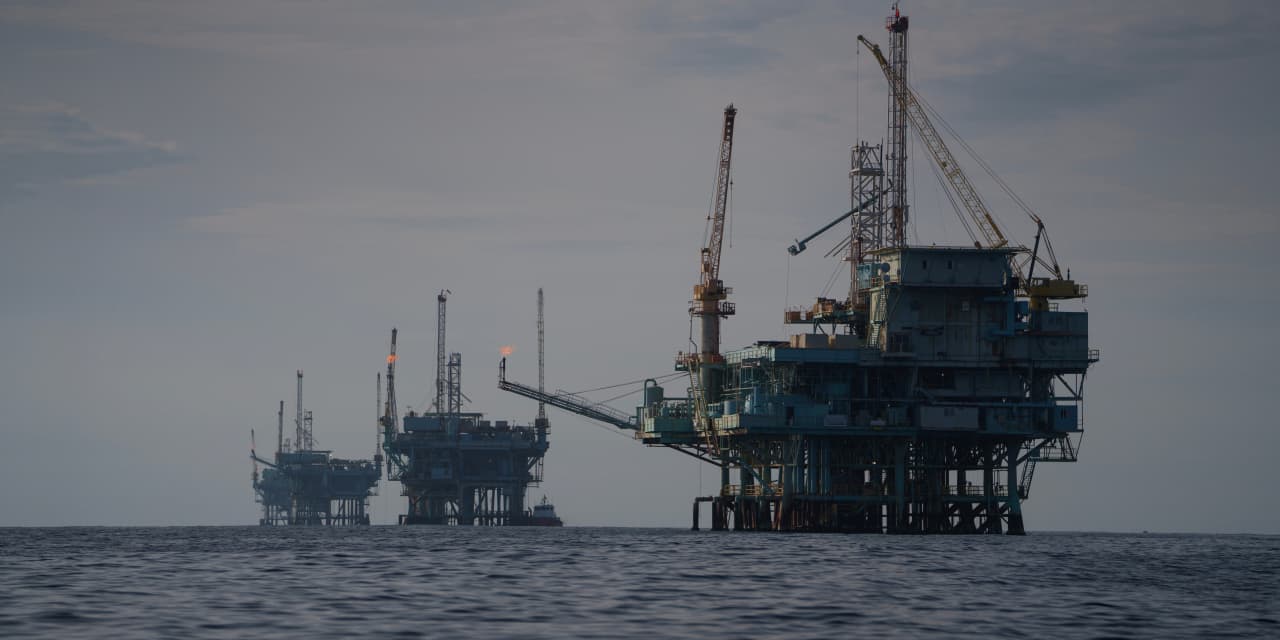
HMH IPO: Soaring Oil Prices May Boost This New Energy Stock.


- Impact of Crude Prices: Oil drillers and energy stocks have seen significant gains this year due to rising crude prices.
- Geopolitical Factors: The surge in crude prices is primarily attributed to the ongoing war in Iran and concerns over supply constraints.
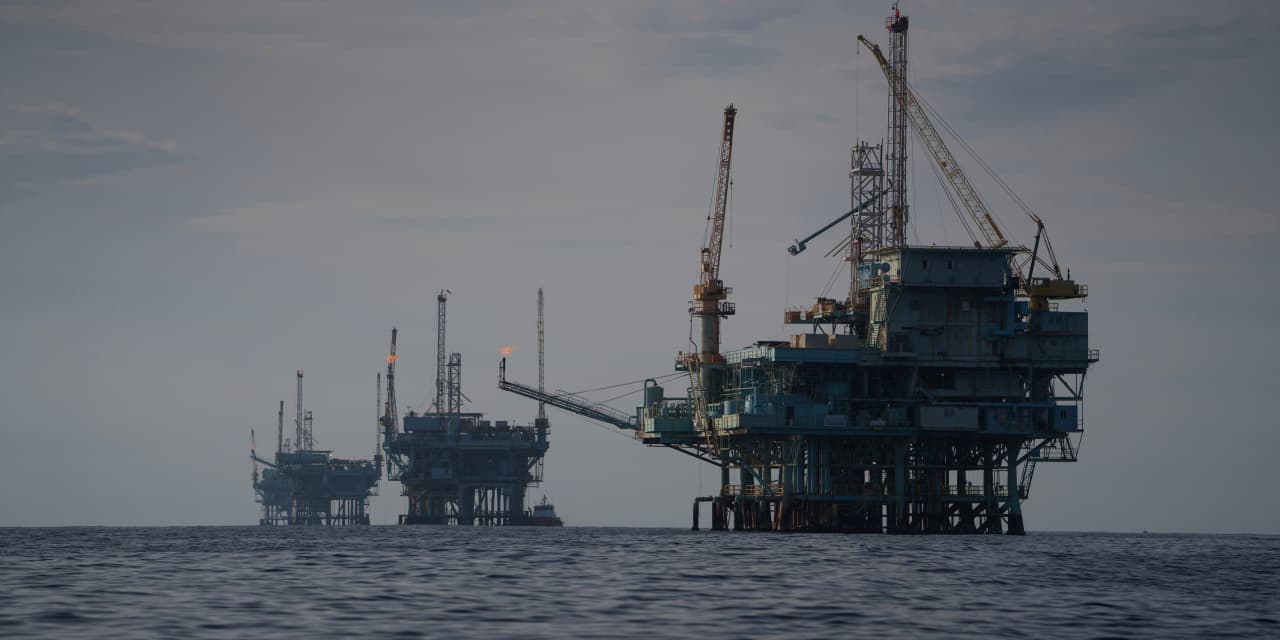
HMH Holding IPO: Enery to Launch Public Offering Amid Rising Oil Prices


- Impact of Crude Prices: Oil drillers and energy stocks have seen significant gains this year due to rising crude prices.
- Geopolitical Factors: The surge in crude prices is attributed to the ongoing war in Iran and concerns over supply constraints.

MDA Space Responds to Changes in Artemis Mission

- Artemis Mission Update: MDA Space is closely monitoring NASA's adjustments to the Artemis mission, as NASA intends to pause the Gateway in its current form and shift focus to infrastructure for sustained lunar surface operations, which may impact MDA Space's market opportunities.
- Canadarm3 Progress: MDA Space emphasizes that its Canadarm3 program, contracted with the Canadian Space Agency, remains unaffected, currently in the design phase with flexibility to support various applications in low Earth orbit, cislunar space, and on the lunar surface, ensuring the company's competitiveness in future markets.
- Market Opportunity Outlook: MDA Space welcomes efforts to accelerate the Artemis mission, believing that the sustained new market opportunities on the lunar surface will provide potential commercial growth for the company, particularly in technology sharing with international partners.
- Forward-Looking Statements: The press release contains forward-looking information reflecting the company's expectations regarding future market opportunities, and while there are economic and political risks, the company remains committed to leveraging its technological advantages to drive business growth.
MDA Space Responds to Changes in Artemis Mission
- Artemis Mission Adjustments: MDA Space is closely monitoring NASA's discussions regarding changes to the Artemis mission, as NASA intends to pause the Gateway in its current form and shift focus to infrastructure for sustained lunar surface operations, which could create new market opportunities for MDA Space.
- Canadarm3 Progress: MDA Space reiterates that its contract with the Canadian Space Agency for the Canadarm3 program remains unaffected, with the project currently in the design phase, providing flexibility to support various applications in low Earth orbit and on the lunar surface, ensuring the company's ongoing competitiveness in the space sector.
- Market Opportunity Outlook: MDA Space welcomes efforts to accelerate the Artemis mission, believing that sustained operations on the lunar surface will present broad new market opportunities for the company, further driving its commercial development.
- Ongoing Dialogue: MDA Space is in continuous dialogue with the Canadian Space Agency and expects Canada to continue contributing robotics technology to the Artemis mission, further solidifying the company's position in international space collaboration.

Future Plans and Competition for the International Space Station


- ISS Continuation Plans: A revised NASA authorization bill in the U.S. Senate aims to extend the International Space Station's operational life to 2032, despite ongoing air leaks on the Russian side, providing more time and funding support for future alternatives.
- Replacement Space Station Competition: Four teams are competing for NASA funding to build a replacement space station, including Orbital Reef led by Blue Origin and Starlab led by Voyager Technologies, showcasing strong market demand for new space stations.
- Vast Financing Progress: Vast announced on March 5 that it raised $500 million, with $300 million from stock sales and $200 million from debt, indicating strong growth potential in the commercial space sector and plans to launch the Haven 2 space station by 2028.
- Starlab's Technical Advantages: Starlab plans to build an 8-meter diameter space station with 400 cubic meters of pressurized volume, capable of supporting 100% of the ISS's research payload, expected to launch in 2029, aimed at advancing biomedical research and treatments for complex diseases, although still in development phase.

Vast Raises $500 Million to Advance Space Station Plans
- Significant Fundraising: Vast successfully raised $500 million, with $300 million from stock sales and $200 million through debt financing, which will be used to advance the construction of its Haven 1 and Haven 2 space stations, reflecting investor confidence in its space initiatives.
- Design Advantages: The Haven 1 module from Vast will be 45 times larger than its current small spacecraft, with a planned launch in 2027 aimed at providing microgravity research and manufacturing facilities, thereby enhancing the company's competitive edge in the commercial space sector.
- Uncertain Future of ISS: The U.S. Congress is considering extending the International Space Station's operational life until 2032, despite its aging and technical issues, which presents market opportunities for new space stations like Vast's, potentially attracting more commercial partnerships.
- Intensifying Market Competition: Competing with Vast, Starlab plans to launch a larger space station expected in 2029; although not yet built, its potential biomedical research capabilities may draw increased investor interest.
HMH IPO: Soaring Oil Prices May Boost This New Energy Stock.
- Impact of Crude Prices: Oil drillers and energy stocks have seen significant gains this year due to rising crude prices.
- Geopolitical Factors: The surge in crude prices is primarily attributed to the ongoing war in Iran and concerns over supply constraints.
HMH Holding IPO: Enery to Launch Public Offering Amid Rising Oil Prices
- Impact of Crude Prices: Oil drillers and energy stocks have seen significant gains this year due to rising crude prices.
- Geopolitical Factors: The surge in crude prices is attributed to the ongoing war in Iran and concerns over supply constraints.
MDA Space Responds to Changes in Artemis Mission
- Artemis Mission Update: MDA Space is closely monitoring NASA's adjustments to the Artemis mission, as NASA intends to pause the Gateway in its current form and shift focus to infrastructure for sustained lunar surface operations, which may impact MDA Space's market opportunities.
- Canadarm3 Progress: MDA Space emphasizes that its Canadarm3 program, contracted with the Canadian Space Agency, remains unaffected, currently in the design phase with flexibility to support various applications in low Earth orbit, cislunar space, and on the lunar surface, ensuring the company's competitiveness in future markets.
- Market Opportunity Outlook: MDA Space welcomes efforts to accelerate the Artemis mission, believing that the sustained new market opportunities on the lunar surface will provide potential commercial growth for the company, particularly in technology sharing with international partners.
- Forward-Looking Statements: The press release contains forward-looking information reflecting the company's expectations regarding future market opportunities, and while there are economic and political risks, the company remains committed to leveraging its technological advantages to drive business growth.
MDA Space Responds to Changes in Artemis Mission
- Artemis Mission Adjustments: MDA Space is closely monitoring NASA's discussions regarding changes to the Artemis mission, as NASA intends to pause the Gateway in its current form and shift focus to infrastructure for sustained lunar surface operations, which could create new market opportunities for MDA Space.
- Canadarm3 Progress: MDA Space reiterates that its contract with the Canadian Space Agency for the Canadarm3 program remains unaffected, with the project currently in the design phase, providing flexibility to support various applications in low Earth orbit and on the lunar surface, ensuring the company's ongoing competitiveness in the space sector.
- Market Opportunity Outlook: MDA Space welcomes efforts to accelerate the Artemis mission, believing that sustained operations on the lunar surface will present broad new market opportunities for the company, further driving its commercial development.
- Ongoing Dialogue: MDA Space is in continuous dialogue with the Canadian Space Agency and expects Canada to continue contributing robotics technology to the Artemis mission, further solidifying the company's position in international space collaboration.
Future Plans and Competition for the International Space Station
- ISS Continuation Plans: A revised NASA authorization bill in the U.S. Senate aims to extend the International Space Station's operational life to 2032, despite ongoing air leaks on the Russian side, providing more time and funding support for future alternatives.
- Replacement Space Station Competition: Four teams are competing for NASA funding to build a replacement space station, including Orbital Reef led by Blue Origin and Starlab led by Voyager Technologies, showcasing strong market demand for new space stations.
- Vast Financing Progress: Vast announced on March 5 that it raised $500 million, with $300 million from stock sales and $200 million from debt, indicating strong growth potential in the commercial space sector and plans to launch the Haven 2 space station by 2028.
- Starlab's Technical Advantages: Starlab plans to build an 8-meter diameter space station with 400 cubic meters of pressurized volume, capable of supporting 100% of the ISS's research payload, expected to launch in 2029, aimed at advancing biomedical research and treatments for complex diseases, although still in development phase.
Vast Raises $500 Million to Advance Space Station Plans
- Significant Fundraising: Vast successfully raised $500 million, with $300 million from stock sales and $200 million through debt financing, which will be used to advance the construction of its Haven 1 and Haven 2 space stations, reflecting investor confidence in its space initiatives.
- Design Advantages: The Haven 1 module from Vast will be 45 times larger than its current small spacecraft, with a planned launch in 2027 aimed at providing microgravity research and manufacturing facilities, thereby enhancing the company's competitive edge in the commercial space sector.
- Uncertain Future of ISS: The U.S. Congress is considering extending the International Space Station's operational life until 2032, despite its aging and technical issues, which presents market opportunities for new space stations like Vast's, potentially attracting more commercial partnerships.
- Intensifying Market Competition: Competing with Vast, Starlab plans to launch a larger space station expected in 2029; although not yet built, its potential biomedical research capabilities may draw increased investor interest.