Mastercard Receives BitLicense from NYDFS
Written by Emily J. Thompson, Senior Investment Analyst
Updated: 1 hour ago
0mins
Source: seekingalpha
- Regulatory Approval: Mastercard announced on Wednesday that it has received a BitLicense from the New York State Department of Financial Services, which establishes consumer protection, cybersecurity, and financial integrity to ensure the safe development of digital assets.
- Strategic Alignment: This approval aligns with Mastercard's long-term strategy to responsibly engage with payment and settlement infrastructures supporting digital currencies like stablecoins and tokenized deposits, further solidifying the standards underpinning its global payments network.
- Market Environment Enhancement: The NYDFS has played a crucial role in providing regulatory clarity, fostering a safe and responsible environment for the development of digital assets, thereby promoting healthy industry growth.
- Future Growth Potential: By obtaining the BitLicense, Mastercard not only enhances its competitiveness in the digital payments space but also lays the groundwork for future innovations and market expansion, further elevating its leadership position in the fintech sector.
Trade with 70% Backtested Accuracy
Stop guessing "Should I Buy MA?" and start using high-conviction signals backed by rigorous historical data.
Sign up today to access powerful investing tools and make smarter, data-driven decisions.
Analyst Views on MA
Wall Street analysts forecast MA stock price to rise
28 Analyst Rating
25 Buy
3 Hold
0 Sell
Strong Buy
Current: 493.010

Low
500.00
Averages
660.00
High
739.00
Current: 493.010
Low
500.00
Averages
660.00
High
739.00
About MA
Mastercard Incorporated is a technology company in the global payments industry. The Company connects consumers, financial institutions, merchants, governments, digital partners, businesses and other organizations worldwide by enabling electronic payments and making those payment transactions secure and accessible. It provides a range of payment solutions and services using its brands, including Mastercard, Maestro and Cirrus. It operates a payments network that provides choice and flexibility for consumers, merchants and its customers. Through its proprietary global payments network, it switches (authorizes, clears and settles) payment transactions. Its additional payments capabilities include automated clearing house (ACH) transactions (both batch and real-time account-based payments). It offers security solutions, consumer acquisition and engagement, business and market insights, gateway, processing and open banking, among other services and solutions.
About the author

Emily J. Thompson
Emily J. Thompson, a Chartered Financial Analyst (CFA) with 12 years in investment research, graduated with honors from the Wharton School. Specializing in industrial and technology stocks, she provides in-depth analysis for Intellectia’s earnings and market brief reports.
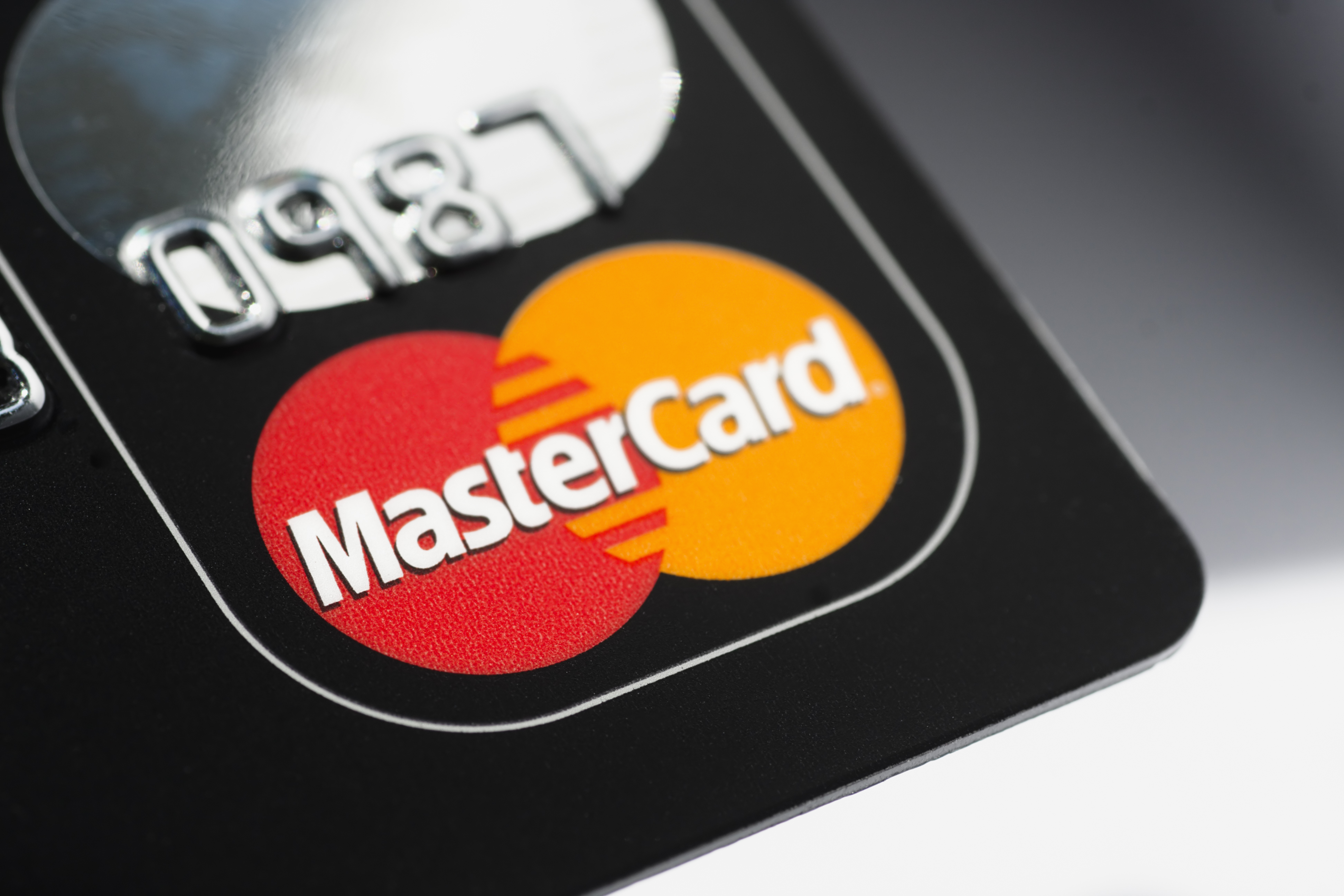
Mastercard Receives BitLicense from NYDFS

- Regulatory Approval: Mastercard announced on Wednesday that it has received a BitLicense from the New York State Department of Financial Services, which establishes consumer protection, cybersecurity, and financial integrity to ensure the safe development of digital assets.
- Strategic Alignment: This approval aligns with Mastercard's long-term strategy to responsibly engage with payment and settlement infrastructures supporting digital currencies like stablecoins and tokenized deposits, further solidifying the standards underpinning its global payments network.
- Market Environment Enhancement: The NYDFS has played a crucial role in providing regulatory clarity, fostering a safe and responsible environment for the development of digital assets, thereby promoting healthy industry growth.
- Future Growth Potential: By obtaining the BitLicense, Mastercard not only enhances its competitiveness in the digital payments space but also lays the groundwork for future innovations and market expansion, further elevating its leadership position in the fintech sector.
See More

Mastercard Secures BitLicense from NYDFS
- Regulatory Approval: Mastercard Transaction Services has been granted a BitLicense by the New York State Department of Financial Services, reflecting its ongoing engagement with regulators and commitment to high compliance standards, thereby strengthening its market position in the digital asset space.
- Consumer Protection Framework: New York's BitLicense framework is widely recognized for establishing comprehensive requirements related to consumer protection, cybersecurity, financial integrity, and operational resilience, ensuring Mastercard's security and reliability in the digital payments environment.
- Innovation and Compliance Alignment: Mastercard's Chief Product Officer, Jorn Lambert, stated that this approval underscores the company's alignment between innovation and regulatory expectations, ensuring high levels of security, compliance, and risk management to facilitate the practical application of digital currencies.
- Long-term Strategic Consistency: The acquisition of the BitLicense aligns with Mastercard's long-term strategy to support payment and settlement infrastructure for digital currencies like stablecoins and tokenized deposits while maintaining the high standards that underpin its global payments network.
See More
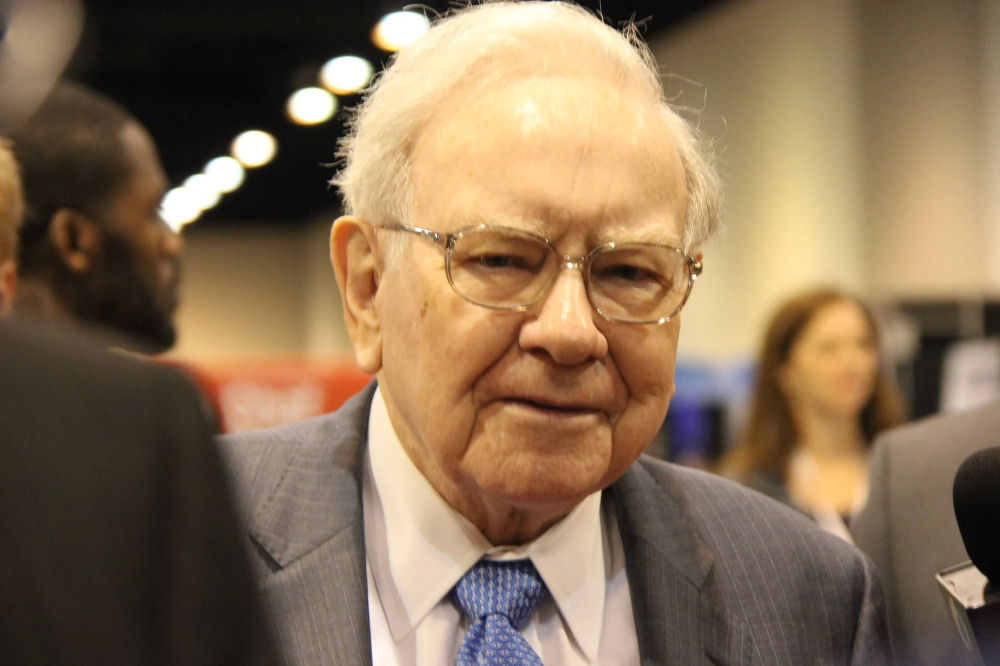
Analysis of Berkshire Hathaway's Q1 Performance Under Greg Abel


- Small Position Cleanup: In Q1, Abel eliminated 16 small positions, including Visa and Amazon, none of which accounted for more than 1% of Berkshire's total portfolio, aiming to enhance focus and efficiency in the investment strategy to improve long-term performance.
- Decisive Exit from Losers: Berkshire sold off underperforming stocks like Pool Corp. and Domino's Pizza in Q1, which may have locked in losses, but Abel believes that timely exits are necessary to prevent dragging down overall investment performance amid uncertainty.
- Investment in Special Situations: Abel initiated new stakes in Delta Air Lines and Macy's during Q1, both facing systemic challenges, indicating a strategic willingness to invest in potentially undervalued companies that could yield returns in the future despite current difficulties.
- Increased Cash Reserves: As of the end of March, Berkshire's cash reserves reached $397 billion, suggesting that Abel may be waiting for more attractive investment opportunities while potentially shifting towards wholly-owned cash-generating businesses to reduce reliance on volatile stocks.
See More

Greg Abel's Strategic Shift at Berkshire Hathaway
- Portfolio Adjustment: New CEO Greg Abel reduced investments in long-held positions like Visa and Mastercard in Q1, indicating a shift away from smaller stakes, which may enhance the overall quality and return potential of the portfolio.
- Increased Cash Reserves: As of the end of March, Berkshire Hathaway's cash reserves reached a record $397 billion, reflecting the company's strategy to wait for more attractive investment opportunities in an overvalued stock market.
- New Investment Direction: Abel initiated new stakes in Delta Air Lines and Macy's during Q1, signaling a willingness to take on higher risks for potential returns despite the systemic challenges these companies face, which may alter the company's investment style.
- Long-Term Strategic Thinking: Abel's decisions suggest that Berkshire may gradually reduce reliance on volatile stocks and shift towards more controllable cash-generating businesses, potentially providing shareholders with more stable returns.
See More

Berkshire's New CEO Adjusts Investment Portfolio

- Airline Investment: Berkshire Hathaway's acquisition of approximately 40 million shares of Delta Air Lines in Q1 is notable, as Buffett historically criticized airlines; this move suggests new CEO Greg Abel may adopt a more flexible investment strategy despite rising oil prices and economic uncertainties potentially impacting travel demand.
- Tech Stock Increase: Berkshire has tripled its stake in Alphabet to nearly 7%, making it one of its top five holdings, indicating a greater acceptance of tech investments, particularly in artificial intelligence, even as Alphabet trades at a high price-to-earnings ratio of 29, reflecting its elevated valuation.
- Retention of Kraft Heinz: Contrary to speculation that Berkshire would exit its position in Kraft Heinz, the company chose to maintain its investment, signaling confidence in the brand despite a 46% decline in stock price over the past five years, which raises concerns about investment risk.
- Strategic Shift Indication: With Berkshire's stock down 4% this year, the new CEO's investment decisions suggest a willingness to pay higher prices for stocks, indicating a strategic shift that may appeal to long-term investors looking for diversification opportunities.
See More

Berkshire's New CEO Adjusts Investment Portfolio
- Portfolio Changes: In Q1 2026, following the leadership transition to Greg Abel, Berkshire Hathaway made significant investments in tech and airline sectors, notably acquiring around 40 million shares of Delta Air Lines, despite challenges from rising oil prices and declining travel demand.
- Increased Tech Holdings: Berkshire has raised its stake in Alphabet to nearly 7%, surpassing Chevron and Occidental Petroleum, indicating a greater acceptance of tech investments, even as Alphabet trades at a high price-to-earnings ratio of 29, reflecting its elevated valuation.
- Retention of Kraft Heinz: Contrary to speculation that Berkshire would exit its position in Kraft Heinz, the company opted to retain this underperforming stock, suggesting a long-term investment confidence despite Kraft's stock plummeting 46% over the past five years.
- Signal of Strategic Shift: The investment decisions made by Berkshire this quarter indicate a potential shift in strategy, where the company may be more willing to pay higher prices for stocks and explore new opportunities, even as its stock has declined 4% this year amid the reality of Buffett's absence.
See More
Mastercard Receives BitLicense from NYDFS
- Regulatory Approval: Mastercard announced on Wednesday that it has received a BitLicense from the New York State Department of Financial Services, which establishes consumer protection, cybersecurity, and financial integrity to ensure the safe development of digital assets.
- Strategic Alignment: This approval aligns with Mastercard's long-term strategy to responsibly engage with payment and settlement infrastructures supporting digital currencies like stablecoins and tokenized deposits, further solidifying the standards underpinning its global payments network.
- Market Environment Enhancement: The NYDFS has played a crucial role in providing regulatory clarity, fostering a safe and responsible environment for the development of digital assets, thereby promoting healthy industry growth.
- Future Growth Potential: By obtaining the BitLicense, Mastercard not only enhances its competitiveness in the digital payments space but also lays the groundwork for future innovations and market expansion, further elevating its leadership position in the fintech sector.
See More
Mastercard Secures BitLicense from NYDFS
- Regulatory Approval: Mastercard Transaction Services has been granted a BitLicense by the New York State Department of Financial Services, reflecting its ongoing engagement with regulators and commitment to high compliance standards, thereby strengthening its market position in the digital asset space.
- Consumer Protection Framework: New York's BitLicense framework is widely recognized for establishing comprehensive requirements related to consumer protection, cybersecurity, financial integrity, and operational resilience, ensuring Mastercard's security and reliability in the digital payments environment.
- Innovation and Compliance Alignment: Mastercard's Chief Product Officer, Jorn Lambert, stated that this approval underscores the company's alignment between innovation and regulatory expectations, ensuring high levels of security, compliance, and risk management to facilitate the practical application of digital currencies.
- Long-term Strategic Consistency: The acquisition of the BitLicense aligns with Mastercard's long-term strategy to support payment and settlement infrastructure for digital currencies like stablecoins and tokenized deposits while maintaining the high standards that underpin its global payments network.
See More
Analysis of Berkshire Hathaway's Q1 Performance Under Greg Abel
- Small Position Cleanup: In Q1, Abel eliminated 16 small positions, including Visa and Amazon, none of which accounted for more than 1% of Berkshire's total portfolio, aiming to enhance focus and efficiency in the investment strategy to improve long-term performance.
- Decisive Exit from Losers: Berkshire sold off underperforming stocks like Pool Corp. and Domino's Pizza in Q1, which may have locked in losses, but Abel believes that timely exits are necessary to prevent dragging down overall investment performance amid uncertainty.
- Investment in Special Situations: Abel initiated new stakes in Delta Air Lines and Macy's during Q1, both facing systemic challenges, indicating a strategic willingness to invest in potentially undervalued companies that could yield returns in the future despite current difficulties.
- Increased Cash Reserves: As of the end of March, Berkshire's cash reserves reached $397 billion, suggesting that Abel may be waiting for more attractive investment opportunities while potentially shifting towards wholly-owned cash-generating businesses to reduce reliance on volatile stocks.
See More
Greg Abel's Strategic Shift at Berkshire Hathaway
- Portfolio Adjustment: New CEO Greg Abel reduced investments in long-held positions like Visa and Mastercard in Q1, indicating a shift away from smaller stakes, which may enhance the overall quality and return potential of the portfolio.
- Increased Cash Reserves: As of the end of March, Berkshire Hathaway's cash reserves reached a record $397 billion, reflecting the company's strategy to wait for more attractive investment opportunities in an overvalued stock market.
- New Investment Direction: Abel initiated new stakes in Delta Air Lines and Macy's during Q1, signaling a willingness to take on higher risks for potential returns despite the systemic challenges these companies face, which may alter the company's investment style.
- Long-Term Strategic Thinking: Abel's decisions suggest that Berkshire may gradually reduce reliance on volatile stocks and shift towards more controllable cash-generating businesses, potentially providing shareholders with more stable returns.
See More
Berkshire's New CEO Adjusts Investment Portfolio
- Airline Investment: Berkshire Hathaway's acquisition of approximately 40 million shares of Delta Air Lines in Q1 is notable, as Buffett historically criticized airlines; this move suggests new CEO Greg Abel may adopt a more flexible investment strategy despite rising oil prices and economic uncertainties potentially impacting travel demand.
- Tech Stock Increase: Berkshire has tripled its stake in Alphabet to nearly 7%, making it one of its top five holdings, indicating a greater acceptance of tech investments, particularly in artificial intelligence, even as Alphabet trades at a high price-to-earnings ratio of 29, reflecting its elevated valuation.
- Retention of Kraft Heinz: Contrary to speculation that Berkshire would exit its position in Kraft Heinz, the company chose to maintain its investment, signaling confidence in the brand despite a 46% decline in stock price over the past five years, which raises concerns about investment risk.
- Strategic Shift Indication: With Berkshire's stock down 4% this year, the new CEO's investment decisions suggest a willingness to pay higher prices for stocks, indicating a strategic shift that may appeal to long-term investors looking for diversification opportunities.
See More
Berkshire's New CEO Adjusts Investment Portfolio
- Portfolio Changes: In Q1 2026, following the leadership transition to Greg Abel, Berkshire Hathaway made significant investments in tech and airline sectors, notably acquiring around 40 million shares of Delta Air Lines, despite challenges from rising oil prices and declining travel demand.
- Increased Tech Holdings: Berkshire has raised its stake in Alphabet to nearly 7%, surpassing Chevron and Occidental Petroleum, indicating a greater acceptance of tech investments, even as Alphabet trades at a high price-to-earnings ratio of 29, reflecting its elevated valuation.
- Retention of Kraft Heinz: Contrary to speculation that Berkshire would exit its position in Kraft Heinz, the company opted to retain this underperforming stock, suggesting a long-term investment confidence despite Kraft's stock plummeting 46% over the past five years.
- Signal of Strategic Shift: The investment decisions made by Berkshire this quarter indicate a potential shift in strategy, where the company may be more willing to pay higher prices for stocks and explore new opportunities, even as its stock has declined 4% this year amid the reality of Buffett's absence.
See More