Marvell Shares Down $1.49 to $181.09
Written by Emily J. Thompson, Senior Investment Analyst
Updated: May 15 2026
0mins
Mixed options sentiment in Marvell (MRVL), with shares down $1.49 near $181.09. Options volume roughly in line with average with 112k contracts traded and calls leading puts for a put/call ratio of 0.48, compared to a typical level near 0.74. Implied volatility (IV30) dropped 3.25 near 97.83, in the highest 10% of observations over the past year, suggesting an expected daily move of $11.16. Put-call skew steepened, indicating increased demand for downside protection.Looking ahead: Marvell (MRVL) will report earnings after the close on 2026-05-27.Option markets are pricing in a 50% probability of a move greater than 11.19% or $20.27.
Trade with 70% Backtested Accuracy
Stop guessing "Should I Buy MRVL?" and start using high-conviction signals backed by rigorous historical data.
Sign up today to access powerful investing tools and make smarter, data-driven decisions.
Analyst Views on MRVL
Wall Street analysts forecast MRVL stock price to fall
30 Analyst Rating
22 Buy
8 Hold
0 Sell
Moderate Buy
Current: 279.040

Low
85.00
Averages
120.12
High
156.00
Current: 279.040
Low
85.00
Averages
120.12
High
156.00
About MRVL
Marvell Technology, Inc. together with its consolidated subsidiaries, is a supplier of data infrastructure semiconductor solutions, spanning the data center core to network edge. It is engaged in the design, development and sale of integrated circuits. Its product offerings include custom application-specific integrated circuits (ASICs), interconnects, ethernet solutions, fiber channel adapters, processors and storage controllers. In addition, it is also developing Ultra Accelerator LinkTM (UALinkTM) switches and ethernet for scale-up networking (ESUN) switches for the emerging scale-out artificial intelligence market. Its solutions integrate multiple analogs, mixed-signal and digital intellectual property components incorporating hardware, firmware and software technologies and its system knowledge to provide its customers with integrated solutions for their end products. It designs and manufactures photonic integrated circuits for ultra-high-bandwidth and low-power applications.
About the author

Emily J. Thompson
Emily J. Thompson, a Chartered Financial Analyst (CFA) with 12 years in investment research, graduated with honors from the Wharton School. Specializing in industrial and technology stocks, she provides in-depth analysis for Intellectia’s earnings and market brief reports.
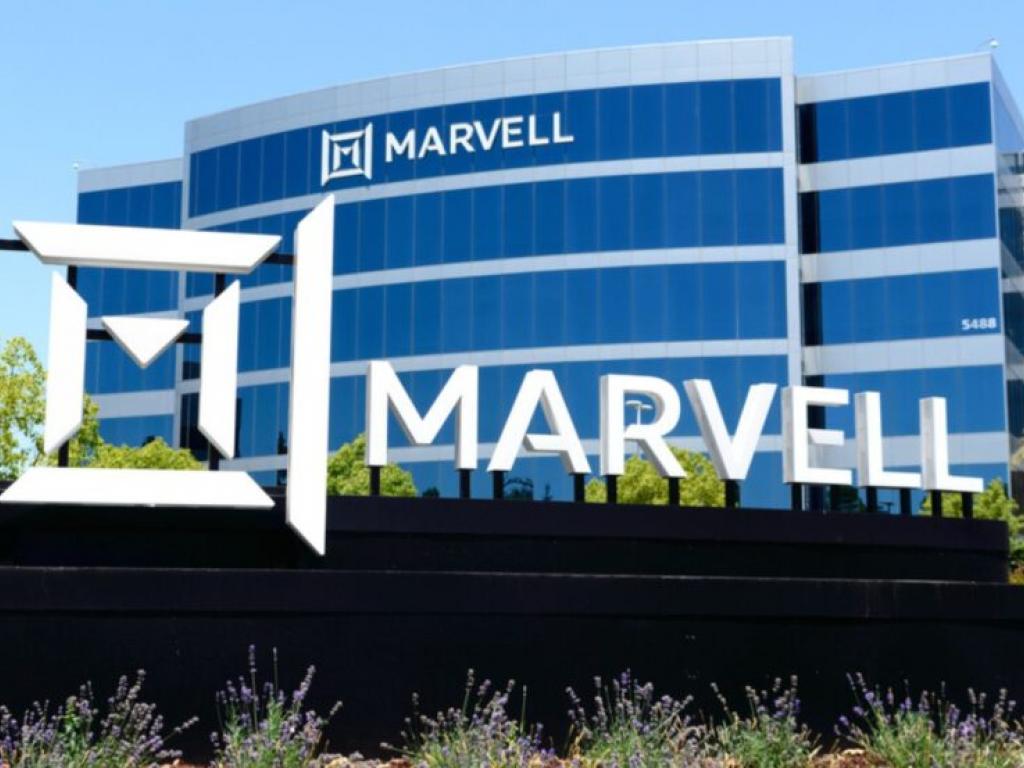
Micron Reports Record Earnings, Sustained Growth Ahead


- Micron's Stellar Earnings: Micron's fiscal Q3 revenue surged 346% year-over-year, with gross margins exceeding 84.9%, indicating robust market demand and profitability, and the company expects sustained growth in the coming years, further solidifying its leadership in the semiconductor industry.
- Qualcomm's Data Center Outlook: Qualcomm projects its data center business will generate $15 billion in annual sales by 2029, up from $5 billion in fiscal 2027, reflecting the company's strategic success in diversifying its revenue streams beyond smartphones.
- Marvell Stock Movements: Marvell Technology's stock rose 4.3% following Micron's strong earnings report, despite bearish retail sentiment leading to a 15% decline from its record high earlier this month, illustrating the market's complex emotions regarding semiconductor stocks.
- Market Capitalization and Investor Confidence: Marvell's market capitalization reached $242 billion on Wednesday, and despite a decline since June 3, investor optimism remains high, particularly in light of rising demand for AI-driven data center hardware.
See More
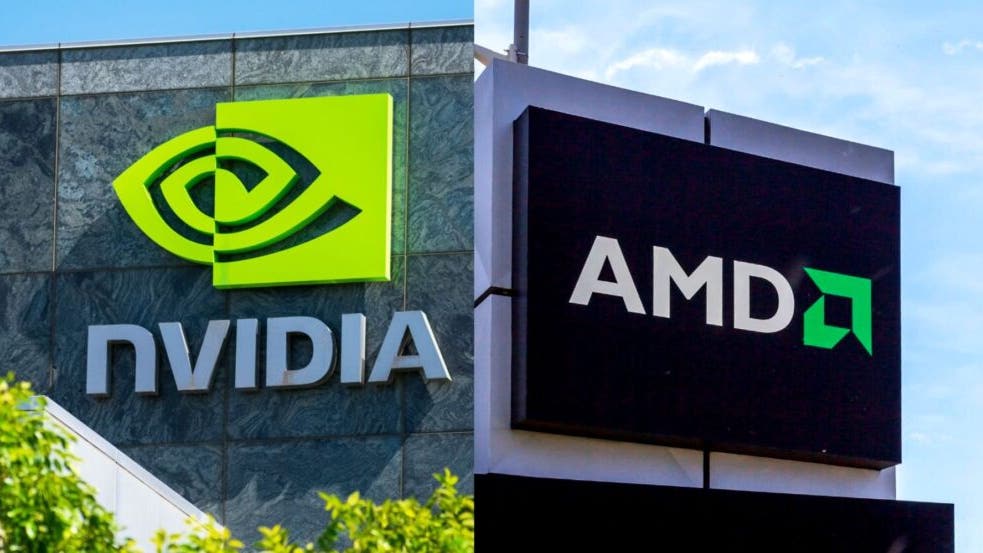
Marvell Technology Shares Surge Nearly 200% Amid AI Optimism


- Significant Stock Surge: Marvell Technology's shares have soared nearly 200% this year, reflecting strong market confidence in its potential within the AI sector, especially following Nvidia CEO Jensen Huang's endorsement, predicting it could become the next trillion-dollar company.
- Increased Investment Confidence: Nvidia's $2 billion investment in March further solidifies confidence in Marvell's growth potential, despite its current market cap of $242 billion and fierce competition from companies like AMD.
- Optimistic Market Outlook: AMD anticipates its server CPU market will grow at a 35% CAGR over the next few years, reaching $120 billion, providing a robust market backdrop for Marvell's ASIC chip demand, even though it may not reach a trillion-dollar valuation by 2030.
- Strong Financial Performance: Marvell continues to post strong financial results and expects revenue growth to accelerate each quarter of its ongoing fiscal year, demonstrating its leadership in the ASIC market and attracting investors looking to capitalize on the AI wave.
See More
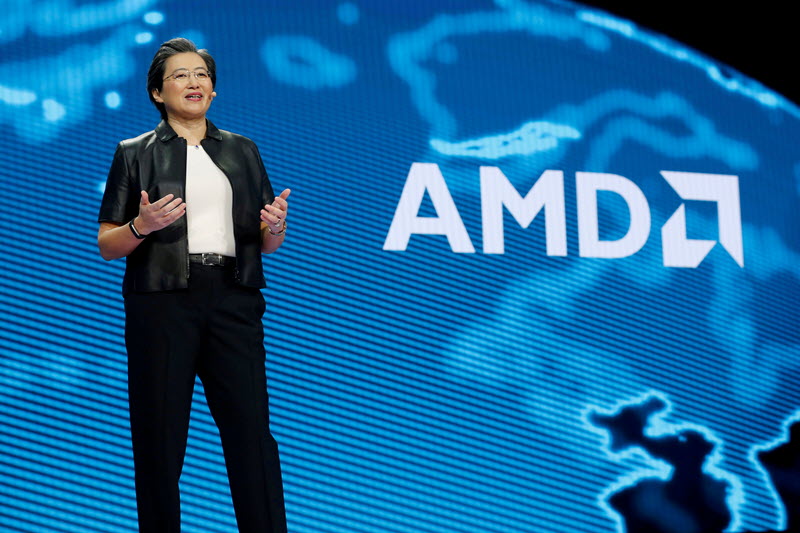
AMD Expected to Reach $1 Trillion Market Cap Before Marvell Technology
- Market Prediction: Despite Jensen Huang's prediction that Marvell will become the next trillion-dollar company, AMD's market cap has reached $836 billion, and it is expected to surpass $1 trillion first in the coming years, showcasing its strong growth potential in the AI sector.
- Stock Performance: Marvell's shares have soared nearly 200% this year, while AMD's shares have also increased by 126%, indicating that both companies are benefiting from the AI wave, with AMD's leadership in the CPU market likely to be further solidified.
- Market Share Growth: AMD anticipates that the server CPU market will grow at a compound annual growth rate of 35% over the next few years, reaching $120 billion by 2030, which is nearly double the 18% growth rate predicted last year, demonstrating its strong competitive edge.
- Rising ASIC Demand: While Marvell may not reach a trillion-dollar valuation in the near term, its leadership in custom chip design and strong financial performance suggest continued growth potential in the AI space, attracting investor interest.
See More

Chipmakers Add $400 Billion in Market Value After Strong Forecasts

- Micron's Strong Outlook: Micron Technology surged 12% in after-hours trading after forecasting quarterly earnings above analysts' estimates, indicating that substantial investments in AI infrastructure will drive robust demand for its memory chips, thereby enhancing the company's competitive edge in the market.
- Qualcomm's Strategic Shift: Qualcomm expects $15 billion in sales from its data center business by 2029, marking a successful transition from its core smartphone chip business to the AI sector, which further solidifies its position in the rapidly growing AI market.
- Competitors Rally: Competitors of Micron, including Western Digital, Sandisk, and Seagate Technology, all jumped over 8%, reflecting market confidence in the overall semiconductor industry's recovery, which may attract more investor interest.
- Market Sentiment Rebounds: Despite the PHLX chip index tumbling 8% on Tuesday, it remains up 90% year-to-date in 2026, indicating that investors remain optimistic about the long-term prospects of AI-related companies, especially following recent market fluctuations.
See More

Qualcomm Investor Day to Focus on AI Chip Market Expansion

- Market Expansion Strategy: Qualcomm is set to announce its strategy for expanding into the rapidly growing AI data center chip market during its investor day on Wednesday, aiming to break free from the limitations of its core smartphone business amid a highly competitive landscape.
- Customer Acquisition Expectations: Analysts anticipate Qualcomm will reveal new customers for its AI chips, attempting to carve out a niche in a market dominated by Nvidia, reflecting increasing pressures in the smartphone sector.
- Financial Target Outlook: By fiscal 2027-2028, Qualcomm's data center business is expected to generate annual revenues of $2 billion to $5 billion, with investors keenly watching for updates on long-term financial targets, particularly regarding growth in non-handset sectors.
- Acquisition Strategy: Qualcomm announced a $4 billion all-stock acquisition of AI software startup Modular, aiming to compete against Nvidia's proprietary CUDA software, thereby strengthening its market position in the AI sector.
See More
OpenAI Unveils First Custom AI Chip in Partnership with Broadcom

- Chip Design Collaboration: OpenAI's Jalapeño chip, developed in partnership with Broadcom, is specifically designed for AI inference tasks, aiming to enhance the company's computational capabilities and significantly reduce reliance on Nvidia GPUs, thereby strengthening its market competitiveness.
- Performance Comparison: Broadcom's CEO stated that the Jalapeño chip's performance is comparable to Nvidia's Blackwell chips and Google's tensor processing units, indicating that OpenAI's technological prowess in AI hardware is rapidly advancing.
- Production Plans: OpenAI plans to deploy the Jalapeño chip by the end of the year, collaborating with Canadian manufacturer Celestica to build server systems, marking a significant step in the company's multi-generation chip development strategy aimed at meeting future AI application demands.
- Design Cycle and Challenges: OpenAI's engineers took approximately nine months to complete the chip design, leveraging AI to expedite the manufacturing process, although Broadcom faces profit margin challenges on custom AI chips due to surging memory demand.
See More
Micron Reports Record Earnings, Sustained Growth Ahead
- Micron's Stellar Earnings: Micron's fiscal Q3 revenue surged 346% year-over-year, with gross margins exceeding 84.9%, indicating robust market demand and profitability, and the company expects sustained growth in the coming years, further solidifying its leadership in the semiconductor industry.
- Qualcomm's Data Center Outlook: Qualcomm projects its data center business will generate $15 billion in annual sales by 2029, up from $5 billion in fiscal 2027, reflecting the company's strategic success in diversifying its revenue streams beyond smartphones.
- Marvell Stock Movements: Marvell Technology's stock rose 4.3% following Micron's strong earnings report, despite bearish retail sentiment leading to a 15% decline from its record high earlier this month, illustrating the market's complex emotions regarding semiconductor stocks.
- Market Capitalization and Investor Confidence: Marvell's market capitalization reached $242 billion on Wednesday, and despite a decline since June 3, investor optimism remains high, particularly in light of rising demand for AI-driven data center hardware.
See More
Marvell Technology Shares Surge Nearly 200% Amid AI Optimism
- Significant Stock Surge: Marvell Technology's shares have soared nearly 200% this year, reflecting strong market confidence in its potential within the AI sector, especially following Nvidia CEO Jensen Huang's endorsement, predicting it could become the next trillion-dollar company.
- Increased Investment Confidence: Nvidia's $2 billion investment in March further solidifies confidence in Marvell's growth potential, despite its current market cap of $242 billion and fierce competition from companies like AMD.
- Optimistic Market Outlook: AMD anticipates its server CPU market will grow at a 35% CAGR over the next few years, reaching $120 billion, providing a robust market backdrop for Marvell's ASIC chip demand, even though it may not reach a trillion-dollar valuation by 2030.
- Strong Financial Performance: Marvell continues to post strong financial results and expects revenue growth to accelerate each quarter of its ongoing fiscal year, demonstrating its leadership in the ASIC market and attracting investors looking to capitalize on the AI wave.
See More
AMD Expected to Reach $1 Trillion Market Cap Before Marvell Technology
- Market Prediction: Despite Jensen Huang's prediction that Marvell will become the next trillion-dollar company, AMD's market cap has reached $836 billion, and it is expected to surpass $1 trillion first in the coming years, showcasing its strong growth potential in the AI sector.
- Stock Performance: Marvell's shares have soared nearly 200% this year, while AMD's shares have also increased by 126%, indicating that both companies are benefiting from the AI wave, with AMD's leadership in the CPU market likely to be further solidified.
- Market Share Growth: AMD anticipates that the server CPU market will grow at a compound annual growth rate of 35% over the next few years, reaching $120 billion by 2030, which is nearly double the 18% growth rate predicted last year, demonstrating its strong competitive edge.
- Rising ASIC Demand: While Marvell may not reach a trillion-dollar valuation in the near term, its leadership in custom chip design and strong financial performance suggest continued growth potential in the AI space, attracting investor interest.
See More
Chipmakers Add $400 Billion in Market Value After Strong Forecasts
- Micron's Strong Outlook: Micron Technology surged 12% in after-hours trading after forecasting quarterly earnings above analysts' estimates, indicating that substantial investments in AI infrastructure will drive robust demand for its memory chips, thereby enhancing the company's competitive edge in the market.
- Qualcomm's Strategic Shift: Qualcomm expects $15 billion in sales from its data center business by 2029, marking a successful transition from its core smartphone chip business to the AI sector, which further solidifies its position in the rapidly growing AI market.
- Competitors Rally: Competitors of Micron, including Western Digital, Sandisk, and Seagate Technology, all jumped over 8%, reflecting market confidence in the overall semiconductor industry's recovery, which may attract more investor interest.
- Market Sentiment Rebounds: Despite the PHLX chip index tumbling 8% on Tuesday, it remains up 90% year-to-date in 2026, indicating that investors remain optimistic about the long-term prospects of AI-related companies, especially following recent market fluctuations.
See More
Qualcomm Investor Day to Focus on AI Chip Market Expansion
- Market Expansion Strategy: Qualcomm is set to announce its strategy for expanding into the rapidly growing AI data center chip market during its investor day on Wednesday, aiming to break free from the limitations of its core smartphone business amid a highly competitive landscape.
- Customer Acquisition Expectations: Analysts anticipate Qualcomm will reveal new customers for its AI chips, attempting to carve out a niche in a market dominated by Nvidia, reflecting increasing pressures in the smartphone sector.
- Financial Target Outlook: By fiscal 2027-2028, Qualcomm's data center business is expected to generate annual revenues of $2 billion to $5 billion, with investors keenly watching for updates on long-term financial targets, particularly regarding growth in non-handset sectors.
- Acquisition Strategy: Qualcomm announced a $4 billion all-stock acquisition of AI software startup Modular, aiming to compete against Nvidia's proprietary CUDA software, thereby strengthening its market position in the AI sector.
See More
OpenAI Unveils First Custom AI Chip in Partnership with Broadcom
- Chip Design Collaboration: OpenAI's Jalapeño chip, developed in partnership with Broadcom, is specifically designed for AI inference tasks, aiming to enhance the company's computational capabilities and significantly reduce reliance on Nvidia GPUs, thereby strengthening its market competitiveness.
- Performance Comparison: Broadcom's CEO stated that the Jalapeño chip's performance is comparable to Nvidia's Blackwell chips and Google's tensor processing units, indicating that OpenAI's technological prowess in AI hardware is rapidly advancing.
- Production Plans: OpenAI plans to deploy the Jalapeño chip by the end of the year, collaborating with Canadian manufacturer Celestica to build server systems, marking a significant step in the company's multi-generation chip development strategy aimed at meeting future AI application demands.
- Design Cycle and Challenges: OpenAI's engineers took approximately nine months to complete the chip design, leveraging AI to expedite the manufacturing process, although Broadcom faces profit margin challenges on custom AI chips due to surging memory demand.
See More