Market Turbulence: Historical Warnings
Written by Emily J. Thompson, Senior Investment Analyst
Updated: 2 hours ago
0mins
Should l Buy INTC?
Source: Yahoo Finance
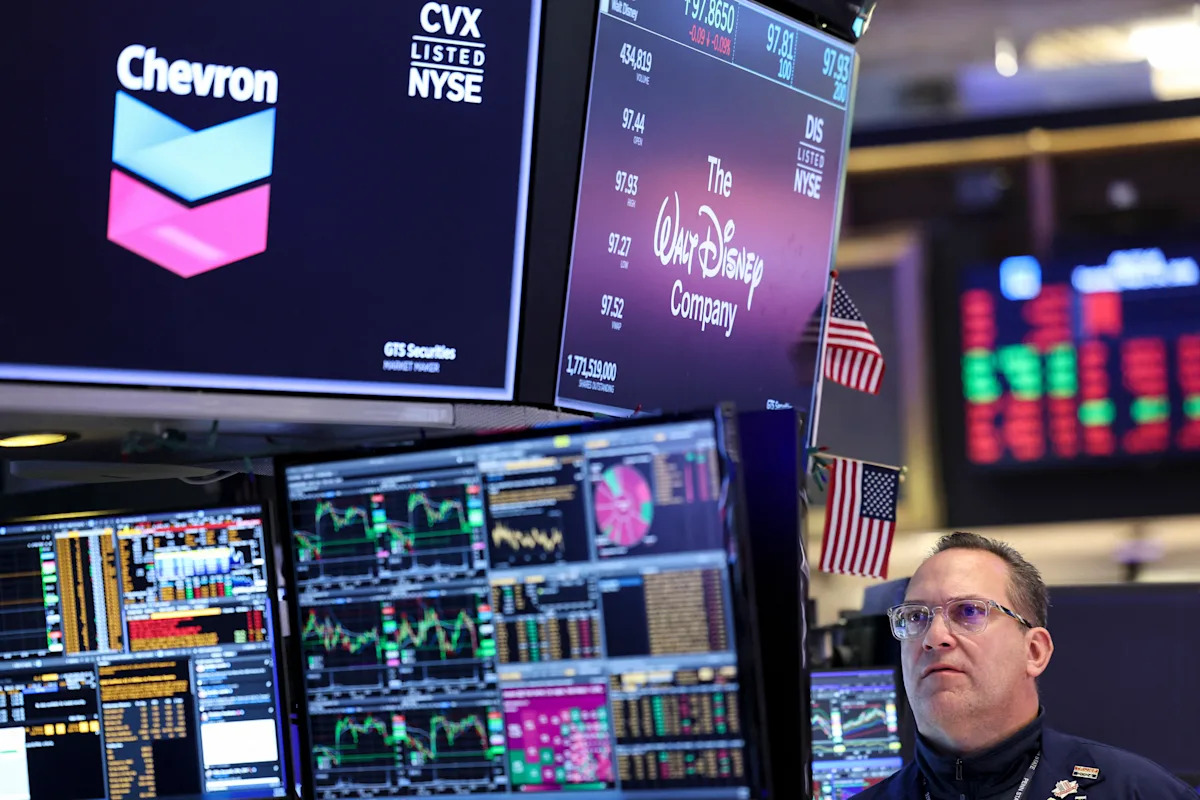
- Shift in Market Sentiment: Recent weeks have seen a clear shift in investor sentiment towards caution, particularly amid escalating tensions in Iran and an uncertain economic outlook, leading to frequent market fluctuations and investor anxiety about future movements.
- Historical Indicator Warning: The S&P 500 Shiller CAPE index has reached a historical high, indicating that current stock prices are excessively high relative to earnings, with historical data suggesting that the market typically declines after reaching such peaks, hinting at potential adjustments ahead.
- Oil Price Impact: The recent spike in oil prices has been associated with stock market declines, further exacerbating market uncertainty, prompting investors to monitor oil price fluctuations and their potential effects on the broader economy and stock market.
- Investment Opportunities: Despite downward pressures on the market, history shows that downturns often present excellent opportunities for investing in quality companies, and savvy investors could reap substantial rewards in the coming years.
Trade with 70% Backtested Accuracy
Stop guessing "Should I Buy INTC?" and start using high-conviction signals backed by rigorous historical data.
Sign up today to access powerful investing tools and make smarter, data-driven decisions.
Analyst Views on INTC
Wall Street analysts forecast INTC stock price to fall
29 Analyst Rating
5 Buy
19 Hold
5 Sell
Hold
Current: 44.100

Low
20.00
Averages
39.30
High
52.00
Current: 44.100
Low
20.00
Averages
39.30
High
52.00
About INTC
Intel Corporation is a global designer and manufacturer of semiconductor products. The Company operates through three segments: Intel Products, Intel Foundry, and All Other. Its Intel Products segment includes Client Computing Group (CCG), Data Center and AI (DCAI), Network and Edge (NEX). The CCG is bringing together the operating system, system architecture, hardware, and software application integration to enable PC experiences. DCAI delivers workload-optimized solutions to cloud service providers and enterprises, along with silicon devices for communications service providers, network and edge, and HPC customers. NEX helps networks and edge compute systems from fixed-function hardware to general-purpose compute, acceleration, and networking devices running cloud native software on programmable hardware. The Intel Foundry segment comprises technology development, manufacturing and foundry services. All Other segments include Altera, Mobileye, Other.
About the author

Emily J. Thompson
Emily J. Thompson, a Chartered Financial Analyst (CFA) with 12 years in investment research, graduated with honors from the Wharton School. Specializing in industrial and technology stocks, she provides in-depth analysis for Intellectia’s earnings and market brief reports.

Quantum Computing Investment Opportunities Are Expanding


- Massive Market Potential: McKinsey & Company estimates that the quantum computing market could reach $72 billion annually by 2035, highlighting significant investment potential over the next decade, thus attracting long-term investors' interest.
- Strong Performance of Leading Firms: IonQ reported a 429% year-over-year revenue increase in its latest quarter while holding the record for the world's most accurate quantum computer, which not only enhances its market position but also instills confidence in investors regarding its future performance.
- Intensifying Technological Competition: IonQ and D-Wave Quantum are taking different approaches in the quantum computing space, with IonQ focusing on ion trapping technology and D-Wave opting for quantum annealing, showcasing their respective competitive advantages in solving optimization problems.
- Portfolio Allocation Advice: Investors are advised to allocate 1% to 3% of their portfolios to quantum computing, as the risks are high but the potential rewards are enormous, especially in the context of AI and quantum computing convergence, where future returns could be substantial.
See More

Fed Chair Powell Warns of Inflation Risks
- Inflation Concerns Intensify: Fed Chair Jerome Powell indicated that rising inflation could force the Fed to raise its benchmark interest rate from the current 3.5% to 3.75%, which would negatively impact the economy and financial markets, potentially leading to a recession.
- Policy Uncertainty: Although the Fed decided to keep interest rates unchanged at its latest meeting, there is significant disagreement among members regarding future rate changes, with some expecting no adjustments this year, highlighting the high uncertainty surrounding economic developments.
- Rising Debt Costs Impact: An increase in interest rates would raise borrowing costs, likely reducing investor aggressiveness and making Treasury bills more attractive, which could adversely affect stock market performance, particularly against the backdrop of rising spending from AI companies.
- Market Reaction Expectations: Powell's warnings may put pressure on the stock market in the short term, as controlling inflation could stabilize the economy in the long run, but the immediate volatility in the market may increase.
See More

Market Turbulence: Historical Warnings
- Shift in Market Sentiment: Recent weeks have seen a clear shift in investor sentiment towards caution, particularly amid escalating tensions in Iran and an uncertain economic outlook, leading to frequent market fluctuations and investor anxiety about future movements.
- Historical Indicator Warning: The S&P 500 Shiller CAPE index has reached a historical high, indicating that current stock prices are excessively high relative to earnings, with historical data suggesting that the market typically declines after reaching such peaks, hinting at potential adjustments ahead.
- Oil Price Impact: The recent spike in oil prices has been associated with stock market declines, further exacerbating market uncertainty, prompting investors to monitor oil price fluctuations and their potential effects on the broader economy and stock market.
- Investment Opportunities: Despite downward pressures on the market, history shows that downturns often present excellent opportunities for investing in quality companies, and savvy investors could reap substantial rewards in the coming years.
See More

Trump's Ongoing Feud with the Federal Reserve Amid Iran War
- Market Performance Review: During Trump's first term, the Dow Jones Industrial Average surged 57%, the S&P 500 rose 70%, and the Nasdaq Composite skyrocketed 142%, indicating strong stock market performance under his administration, although it faced significant uncertainties.
- Escalating Rate Dispute: Trump has called for the Federal Reserve to lower the federal funds rate to 1% or lower, while the current rate stands between 3.50% and 3.75%; achieving this could stimulate business borrowing and investment, but it may also exacerbate the U.S. debt burden, which has surpassed $39 trillion.
- Rising Inflation Pressure: The Iran war has led to soaring energy prices, with March inflation expected to jump from 2.4% to 3.02%, threatening the Fed's rate-cutting plans and potentially prompting rate hikes, which would further strain Trump's relationship with the Fed.
- Market Valuation Risks: The S&P 500's Shiller Price-to-Earnings Ratio indicates that the market entered 2026 at its second-highest valuation in history; if the Fed cannot implement rate cuts, the stock market may face significant adjustment risks, particularly in the context of rising inflation.
See More
Renewed Interest in Small Modular Reactors Amid AI Power Needs
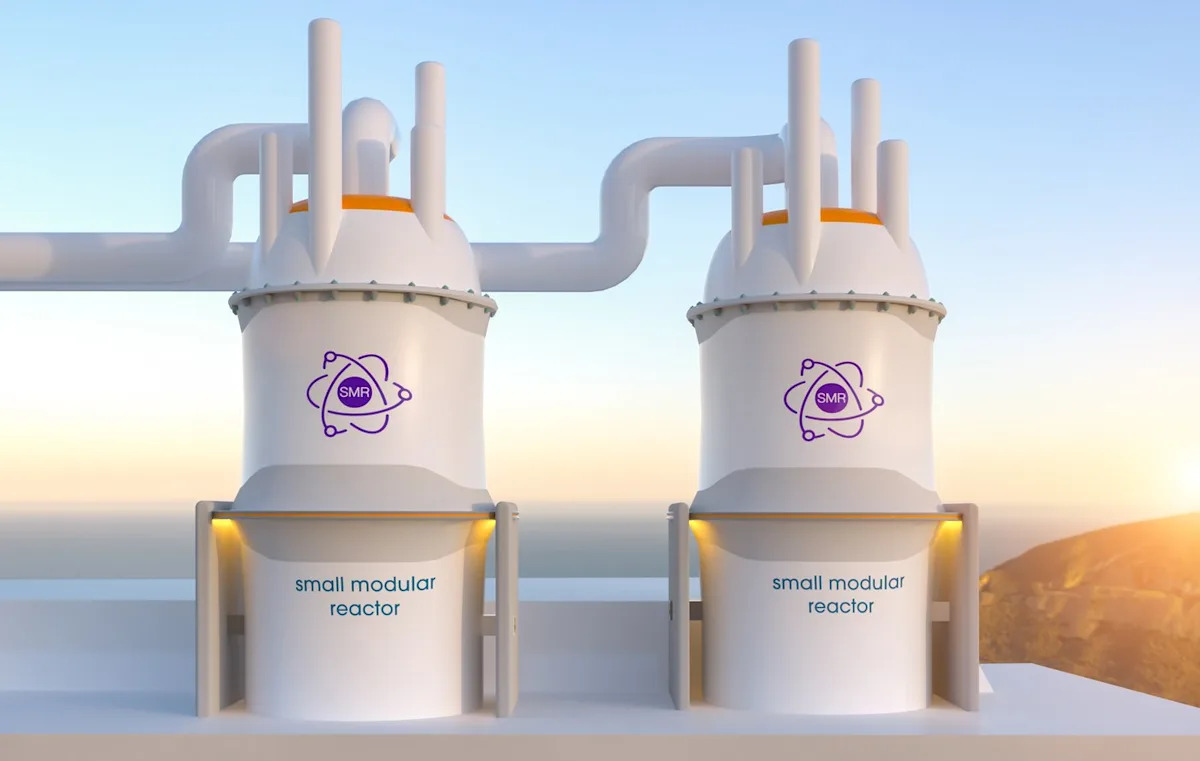
- SMR Technology Focus: NuScale Power is dedicated to developing small modular reactors (SMRs) and has received approval from the Tennessee Valley Authority (TVA) to deploy 6 gigawatts of power across seven states, marking a significant advancement in the practical application of this technology.
- Funding Support and Project Dependency: With a $400 million government grant, NuScale's revenue is primarily tied to its project with Romania's RoPower, expected to generate $63.1 million between Q2 2024 and Q4 2025; however, revenue volatility indicates risks in its business model.
- Market Competition and Regulatory Edge: While BWX Technologies and Rolls-Royce are financially stronger, NuScale is the only SMR design approved by the U.S. Nuclear Regulatory Commission (NRC), providing it with a unique competitive advantage in the market.
- Investment Risks and Outlook: Although NuScale is leading in the commercialization of SMR technology, its reliance on unstable revenue and investor funding necessitates cautious consideration of its potential as a speculative investment.
See More
Jared Isaacman's Ambitious NASA Plans Unveiled
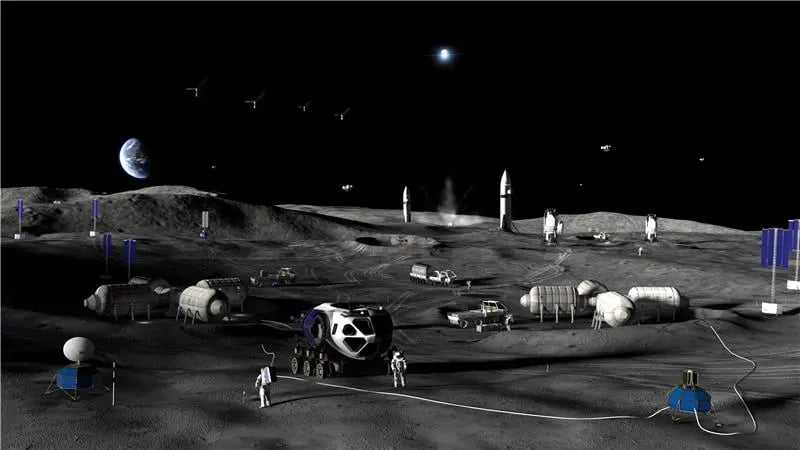
- Artemis Program: NASA is set to implement the Artemis program over the next five years, with Phase 1 costing $10 billion, aiming to launch a crewed Orion spacecraft for lunar exploration, marking a significant step in America's return to the moon.
- Robotic Missions: During Phase 1, NASA will conduct at least 30 robotic missions deploying cargo landers to test equipment and lay the groundwork for a future lunar base, significantly advancing technological capabilities in lunar exploration.
- International Collaboration: The second and third phases of the Artemis program will involve international partnerships, with deliveries of Multipurpose Habitats from Italy and a Lunar Utility Vehicle from Canada, further enhancing the U.S.'s leadership in global space exploration.
- Nuclear-Powered Spacecraft: NASA plans to launch the first nuclear-powered interplanetary spacecraft in 2028, equipped with a 25-kilowatt nuclear reactor to travel to Mars, providing a new power solution for future deep-space exploration.
See More
Quantum Computing Investment Opportunities Are Expanding
- Massive Market Potential: McKinsey & Company estimates that the quantum computing market could reach $72 billion annually by 2035, highlighting significant investment potential over the next decade, thus attracting long-term investors' interest.
- Strong Performance of Leading Firms: IonQ reported a 429% year-over-year revenue increase in its latest quarter while holding the record for the world's most accurate quantum computer, which not only enhances its market position but also instills confidence in investors regarding its future performance.
- Intensifying Technological Competition: IonQ and D-Wave Quantum are taking different approaches in the quantum computing space, with IonQ focusing on ion trapping technology and D-Wave opting for quantum annealing, showcasing their respective competitive advantages in solving optimization problems.
- Portfolio Allocation Advice: Investors are advised to allocate 1% to 3% of their portfolios to quantum computing, as the risks are high but the potential rewards are enormous, especially in the context of AI and quantum computing convergence, where future returns could be substantial.
See More
Fed Chair Powell Warns of Inflation Risks
- Inflation Concerns Intensify: Fed Chair Jerome Powell indicated that rising inflation could force the Fed to raise its benchmark interest rate from the current 3.5% to 3.75%, which would negatively impact the economy and financial markets, potentially leading to a recession.
- Policy Uncertainty: Although the Fed decided to keep interest rates unchanged at its latest meeting, there is significant disagreement among members regarding future rate changes, with some expecting no adjustments this year, highlighting the high uncertainty surrounding economic developments.
- Rising Debt Costs Impact: An increase in interest rates would raise borrowing costs, likely reducing investor aggressiveness and making Treasury bills more attractive, which could adversely affect stock market performance, particularly against the backdrop of rising spending from AI companies.
- Market Reaction Expectations: Powell's warnings may put pressure on the stock market in the short term, as controlling inflation could stabilize the economy in the long run, but the immediate volatility in the market may increase.
See More
Market Turbulence: Historical Warnings
- Shift in Market Sentiment: Recent weeks have seen a clear shift in investor sentiment towards caution, particularly amid escalating tensions in Iran and an uncertain economic outlook, leading to frequent market fluctuations and investor anxiety about future movements.
- Historical Indicator Warning: The S&P 500 Shiller CAPE index has reached a historical high, indicating that current stock prices are excessively high relative to earnings, with historical data suggesting that the market typically declines after reaching such peaks, hinting at potential adjustments ahead.
- Oil Price Impact: The recent spike in oil prices has been associated with stock market declines, further exacerbating market uncertainty, prompting investors to monitor oil price fluctuations and their potential effects on the broader economy and stock market.
- Investment Opportunities: Despite downward pressures on the market, history shows that downturns often present excellent opportunities for investing in quality companies, and savvy investors could reap substantial rewards in the coming years.
See More
Trump's Ongoing Feud with the Federal Reserve Amid Iran War
- Market Performance Review: During Trump's first term, the Dow Jones Industrial Average surged 57%, the S&P 500 rose 70%, and the Nasdaq Composite skyrocketed 142%, indicating strong stock market performance under his administration, although it faced significant uncertainties.
- Escalating Rate Dispute: Trump has called for the Federal Reserve to lower the federal funds rate to 1% or lower, while the current rate stands between 3.50% and 3.75%; achieving this could stimulate business borrowing and investment, but it may also exacerbate the U.S. debt burden, which has surpassed $39 trillion.
- Rising Inflation Pressure: The Iran war has led to soaring energy prices, with March inflation expected to jump from 2.4% to 3.02%, threatening the Fed's rate-cutting plans and potentially prompting rate hikes, which would further strain Trump's relationship with the Fed.
- Market Valuation Risks: The S&P 500's Shiller Price-to-Earnings Ratio indicates that the market entered 2026 at its second-highest valuation in history; if the Fed cannot implement rate cuts, the stock market may face significant adjustment risks, particularly in the context of rising inflation.
See More
Renewed Interest in Small Modular Reactors Amid AI Power Needs
- SMR Technology Focus: NuScale Power is dedicated to developing small modular reactors (SMRs) and has received approval from the Tennessee Valley Authority (TVA) to deploy 6 gigawatts of power across seven states, marking a significant advancement in the practical application of this technology.
- Funding Support and Project Dependency: With a $400 million government grant, NuScale's revenue is primarily tied to its project with Romania's RoPower, expected to generate $63.1 million between Q2 2024 and Q4 2025; however, revenue volatility indicates risks in its business model.
- Market Competition and Regulatory Edge: While BWX Technologies and Rolls-Royce are financially stronger, NuScale is the only SMR design approved by the U.S. Nuclear Regulatory Commission (NRC), providing it with a unique competitive advantage in the market.
- Investment Risks and Outlook: Although NuScale is leading in the commercialization of SMR technology, its reliance on unstable revenue and investor funding necessitates cautious consideration of its potential as a speculative investment.
See More
Jared Isaacman's Ambitious NASA Plans Unveiled
- Artemis Program: NASA is set to implement the Artemis program over the next five years, with Phase 1 costing $10 billion, aiming to launch a crewed Orion spacecraft for lunar exploration, marking a significant step in America's return to the moon.
- Robotic Missions: During Phase 1, NASA will conduct at least 30 robotic missions deploying cargo landers to test equipment and lay the groundwork for a future lunar base, significantly advancing technological capabilities in lunar exploration.
- International Collaboration: The second and third phases of the Artemis program will involve international partnerships, with deliveries of Multipurpose Habitats from Italy and a Lunar Utility Vehicle from Canada, further enhancing the U.S.'s leadership in global space exploration.
- Nuclear-Powered Spacecraft: NASA plans to launch the first nuclear-powered interplanetary spacecraft in 2028, equipped with a 25-kilowatt nuclear reactor to travel to Mars, providing a new power solution for future deep-space exploration.
See More