Market Risks Intensify as Tech Stocks Continue to Decline
Written by Emily J. Thompson, Senior Investment Analyst
Updated: Feb 17 2026
0mins

Source: Benzinga
- Tech Stock Underperformance: The Nasdaq dropped 2.10% last week, while the S&P 500 and Dow Jones fell by 1.39% and 1.23%, respectively, indicating growing concerns over tech stocks that could lead to decreased investor confidence.
- Mixed Employment Data: The January 2026 nonfarm payrolls rose by 130,000, surpassing expectations of 55,000; however, revisions for 2025 revealed only 181,000 jobs were created, highlighting labor market weaknesses that may influence Federal Reserve policy decisions.
- Market Correction Dynamics: The Nasdaq has been undergoing a time-based correction since late October, with an 8-9% pullback in November, yet remains range-bound, reflecting market hesitation and uncertainty that could set the stage for future gains.
- Increasing Risk Signals: A growing list of market risk signals, particularly the declining ratio of stocks to bonds, suggests a waning investor appetite for risk assets, potentially leading to further deterioration in market sentiment.
Trade with 70% Backtested Accuracy
Stop guessing "Should I Buy BG?" and start using high-conviction signals backed by rigorous historical data.
Sign up today to access powerful investing tools and make smarter, data-driven decisions.
Analyst Views on BG
Wall Street analysts forecast BG stock price to fall
6 Analyst Rating
6 Buy
0 Hold
0 Sell
Strong Buy
Current: 127.200

Low
109.00
Averages
115.50
High
120.00
Current: 127.200
Low
109.00
Averages
115.50
High
120.00
About BG
Bunge Global SA is an agribusiness solutions company. The Company is engaged in the processing of oil seeds and the production and supply of specialty vegetable oils and fats. Its segments include Soybean Processing and Refining, Softseed Processing and Refining, Other Oilseeds Processing and Refining, and Grain Merchandising and Milling. The Soybean Processing and Refining segment is a globally integrated business principally involved in the purchase, storage, transportation, processing, distribution, refining, marketing, and sale of soybean and soybean related products, as well as biodiesel and fertilizer production and distribution. The Softseed Processing and Refining segment is a globally integrated business principally involved in the purchase, storage, transportation, processing, refining, marketing, and sale of soft seeds (canola/rapeseed, sunflower seed, and safflower seed) and soft seed related products, as well as biodiesel production and distribution.
About the author

Emily J. Thompson
Emily J. Thompson, a Chartered Financial Analyst (CFA) with 12 years in investment research, graduated with honors from the Wharton School. Specializing in industrial and technology stocks, she provides in-depth analysis for Intellectia’s earnings and market brief reports.
Bunge to Announce Q1 2026 Results on April 29

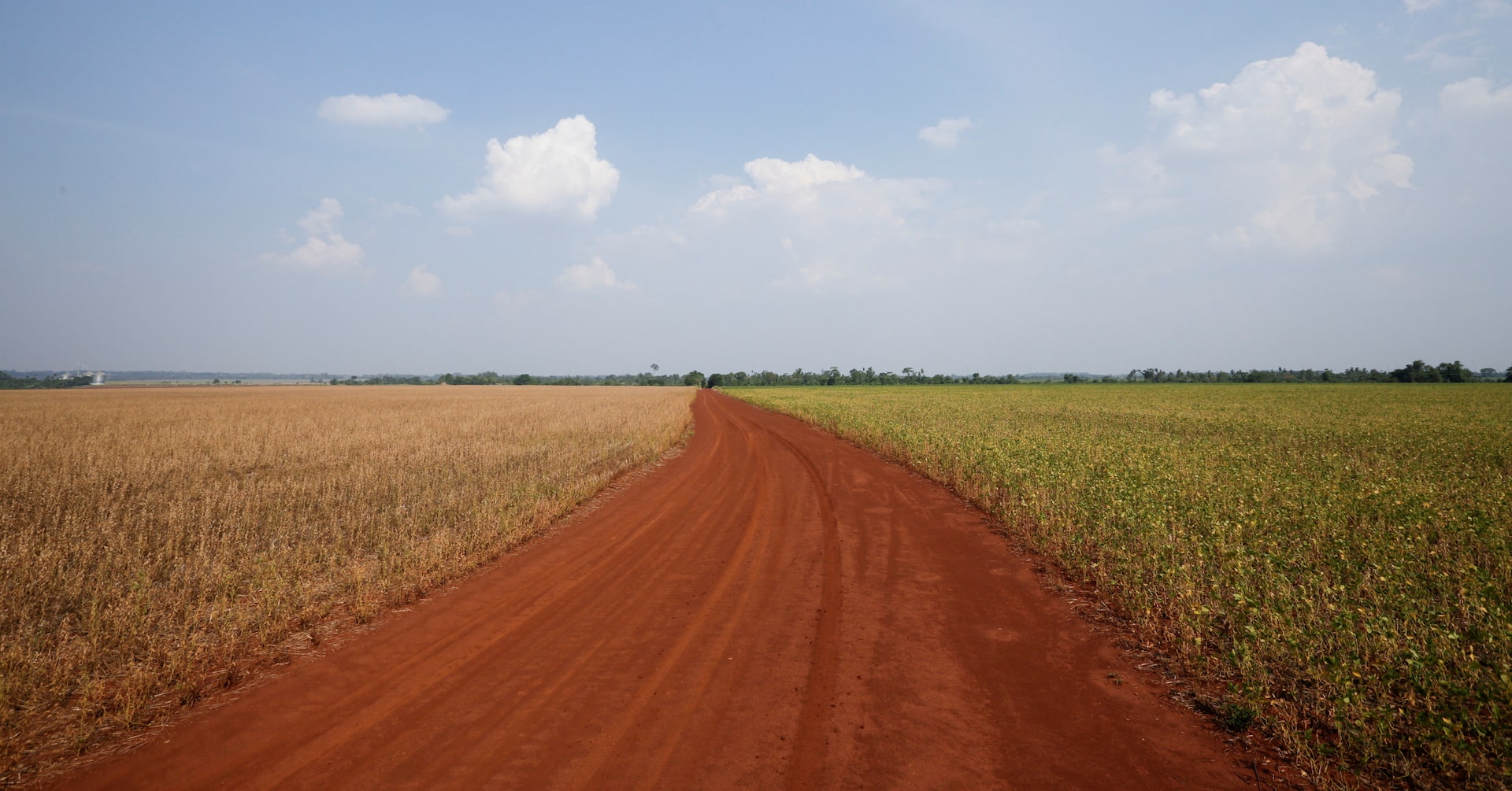
- Earnings Announcement: Bunge Global SA will announce its quarterly results for the period ending March 31, 2026, on April 29, 2026, prior to market opening, reflecting the company's latest performance in the agricultural sector.
- Conference Call Details: Management will host a conference call at 7 a.m. Central Time to discuss the results, requiring investors to register 15 minutes in advance and download necessary audio software to ensure smooth participation.
- Replay Service: A replay of the conference call will be available later on April 29, 2026, continuing through May 29, allowing investors who missed the live event to access the information via designated phone numbers.
- Company Background: As a leading agribusiness solutions provider, Bunge employs approximately 34,000 people and is committed to connecting farmers to consumers efficiently, thereby promoting global food security and sustainability.
See More
U.S. Biofuel Blending Standards Increased Amid Economic Challenges
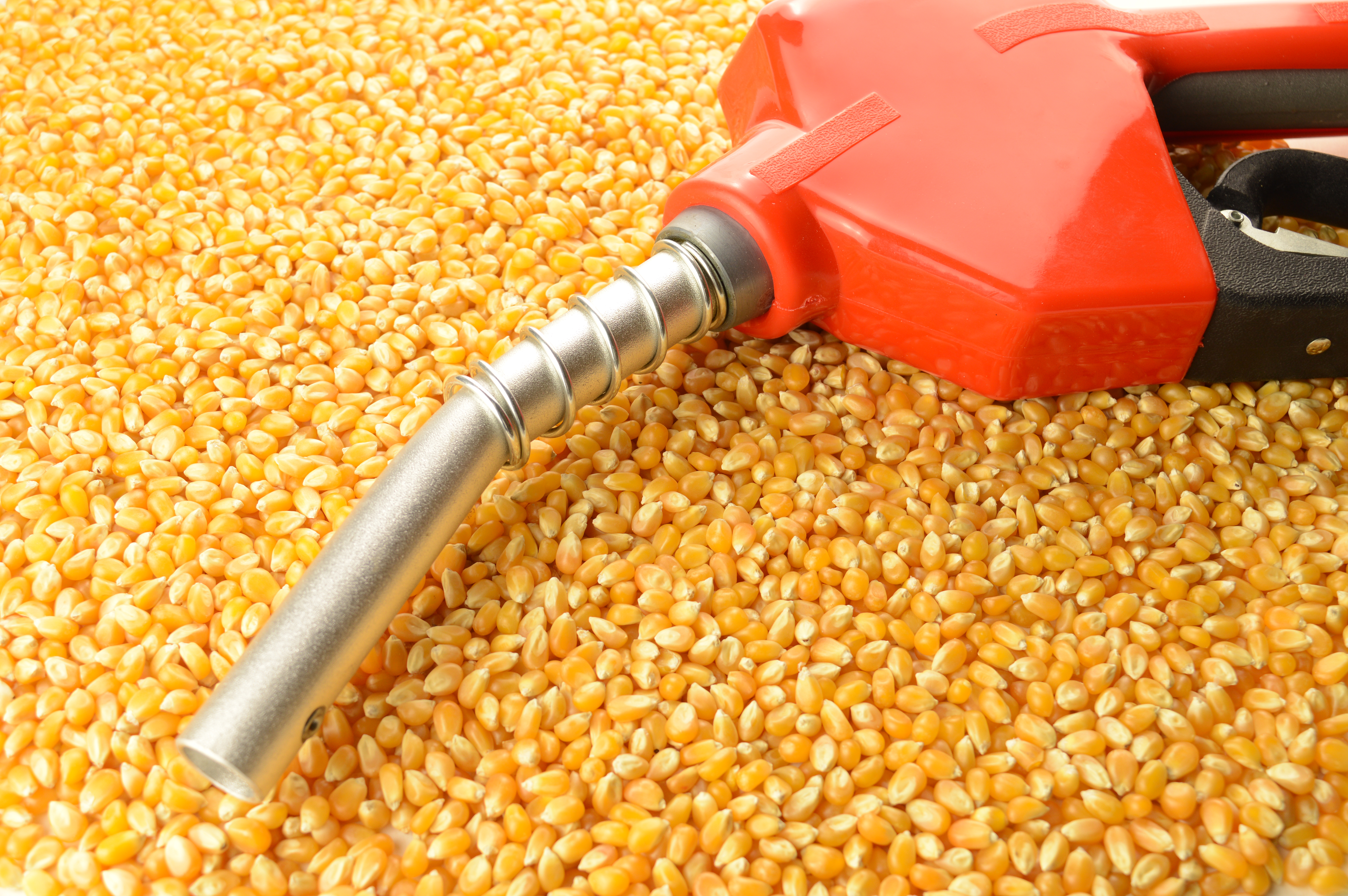
- Increased Biofuel Blending: The EPA's new rule mandates refiners to blend a record 25.82 billion gallons of biofuels into gasoline and diesel for 2023 and 2024, representing nearly an 8% increase from last year's projections, aimed at supporting farmers facing low crop prices and high input costs.
- Impact on Diesel and Gasoline Demand: The new regulations raise biomass-based diesel blending by over 60%, which will directly affect refiners' production costs and could lead to higher fuel prices for consumers, particularly amid escalating tensions in Iran.
- Industry Pushback: The American Fuel and Petrochemical Manufacturers criticized the new regulations, arguing that they exacerbate consumer burdens at a time when fuel prices are already rising, highlighting a disconnect between policy intentions and market realities.
- Future Policy Implications: The EPA also announced that starting in 2028, foreign fuels and feedstocks will receive only half of the Renewable Identification Numbers (RINs) compared to U.S.-made products, a measure intended to bolster the domestic biofuel industry, potentially reshaping future market dynamics.
See More
Bunge Faces Financial Crisis and Downside Risks
- Capital Deficit Warning: Bunge has generated a cash flow deficit of $1.6 billion after capital expenditures, business investments, and asset reshuffling, indicating a troubling financial health that could impact future shareholder returns and market confidence.
- Acquisition Underperformance: Following the Viterra acquisition, Bunge's 2025 EBITDA projections missed by 24%, and Viterra's revenue declined approximately 16.7%, suggesting that the acquisition failed to deliver expected synergies, potentially eroding investor trust in management.
- Core Business Pressures: Bunge faces significant challenges in its oilseeds business, particularly as food and beverage clients grapple with changing consumer demands and the effects of GLP-1 weight loss drugs, which could lead to further market share loss and impact overall profitability.
- Financial Leverage Risks: Bunge's net debt to EBITDA ratio is closer to 5.7x, significantly higher than the 1.9x claimed by management, indicating excessive financial leverage that may expose the company to greater market volatility and financial strain in the future.
See More

Closure of Strait of Hormuz Drives Fertilizer Prices Up
- Fertilizer Price Surge: The closure of the Strait of Hormuz has caused global nitrogen fertilizer prices to spike from $350 per ton to nearly $600, imposing significant economic strain on farmers and potentially leading to higher food prices that could disrupt farming decisions and profit margins.
- Political Ramifications: With midterm elections approaching, Democrats are leveraging the rise in fertilizer prices to criticize Trump and his economic policies, aiming to regain voter support in agricultural states like Iowa and Minnesota that have shifted Republican in recent years.
- Government Aid Discussions: Prior to the outbreak of war, Congress was discussing a $15 billion farmer bailout plan, which may now be bundled with supplemental spending for the Iran conflict, reflecting a growing concern for farmer support amid rising costs.
- Agricultural Security Risks: The President of the American Farm Bureau Federation warned that without prioritizing fertilizer supply issues, the U.S. risks crop shortages that threaten food security and economic stability, potentially exacerbating inflationary pressures across the economy.
See More
Bunge Recognized as One of the 2026 World's Most Ethical Companies
- Ethical Recognition: Bunge has been named one of the 2026 World's Most Ethical Companies by Ethisphere, highlighting its commitment to ethics, compliance, and governance, which enhances the company's reputation and competitiveness in the global market.
- Industry Leadership: As one of only nine honorees in the Food, Beverage & Agriculture category, Bunge's recognition reflects its outstanding performance and adherence to ethical standards, helping to attract more partners and customers.
- Rigorous Assessment Standards: Ethisphere's evaluation is based on its proprietary Ethics Quotient®, requiring companies to provide over 240 proof points, ensuring transparency and effectiveness in their ethics and compliance practices, thereby enhancing trust among investors and consumers.
- Long-term Strategic Impact: Ethisphere's Chief Strategy Officer noted that companies with strong ethics and compliance programs are built for better long-term performance, and Bunge's recognition will further drive its sustainable development and business growth in the global agriculture market.
See More
Bunge Successfully Prices $1.2 Billion Bond Offering
- Bond Offering Size: Bunge Limited Finance Corp. successfully priced a $1.2 billion public offering of senior unsecured notes, consisting of $500 million of 4.800% notes due 2033 and $700 million of 5.150% notes due 2036, reflecting strong market confidence in the company's financing capabilities.
- Clear Use of Proceeds: The net proceeds from this bond offering will be utilized for general corporate purposes, including the repayment of short-term debt and capital expenditures, aimed at optimizing the company's financial structure and enhancing liquidity to support future business expansion.
- Strong Underwriting Team: A robust group of financial institutions, including SMBC Nikko Securities, Citigroup, and J.P. Morgan, are acting as joint book-running managers for the 2033 and 2036 notes, indicating strong market trust and support for Bunge, which enhances the likelihood of successful financing.
- Positive Market Reaction: The bond offering is expected to close on March 19, 2026, and if completed successfully, will provide Bunge with ample funding support, aiding its continued growth and competitiveness in the global agricultural market.
See More
Bunge to Announce Q1 2026 Results on April 29
- Earnings Announcement: Bunge Global SA will announce its quarterly results for the period ending March 31, 2026, on April 29, 2026, prior to market opening, reflecting the company's latest performance in the agricultural sector.
- Conference Call Details: Management will host a conference call at 7 a.m. Central Time to discuss the results, requiring investors to register 15 minutes in advance and download necessary audio software to ensure smooth participation.
- Replay Service: A replay of the conference call will be available later on April 29, 2026, continuing through May 29, allowing investors who missed the live event to access the information via designated phone numbers.
- Company Background: As a leading agribusiness solutions provider, Bunge employs approximately 34,000 people and is committed to connecting farmers to consumers efficiently, thereby promoting global food security and sustainability.
See More
U.S. Biofuel Blending Standards Increased Amid Economic Challenges
- Increased Biofuel Blending: The EPA's new rule mandates refiners to blend a record 25.82 billion gallons of biofuels into gasoline and diesel for 2023 and 2024, representing nearly an 8% increase from last year's projections, aimed at supporting farmers facing low crop prices and high input costs.
- Impact on Diesel and Gasoline Demand: The new regulations raise biomass-based diesel blending by over 60%, which will directly affect refiners' production costs and could lead to higher fuel prices for consumers, particularly amid escalating tensions in Iran.
- Industry Pushback: The American Fuel and Petrochemical Manufacturers criticized the new regulations, arguing that they exacerbate consumer burdens at a time when fuel prices are already rising, highlighting a disconnect between policy intentions and market realities.
- Future Policy Implications: The EPA also announced that starting in 2028, foreign fuels and feedstocks will receive only half of the Renewable Identification Numbers (RINs) compared to U.S.-made products, a measure intended to bolster the domestic biofuel industry, potentially reshaping future market dynamics.
See More
Bunge Faces Financial Crisis and Downside Risks
- Capital Deficit Warning: Bunge has generated a cash flow deficit of $1.6 billion after capital expenditures, business investments, and asset reshuffling, indicating a troubling financial health that could impact future shareholder returns and market confidence.
- Acquisition Underperformance: Following the Viterra acquisition, Bunge's 2025 EBITDA projections missed by 24%, and Viterra's revenue declined approximately 16.7%, suggesting that the acquisition failed to deliver expected synergies, potentially eroding investor trust in management.
- Core Business Pressures: Bunge faces significant challenges in its oilseeds business, particularly as food and beverage clients grapple with changing consumer demands and the effects of GLP-1 weight loss drugs, which could lead to further market share loss and impact overall profitability.
- Financial Leverage Risks: Bunge's net debt to EBITDA ratio is closer to 5.7x, significantly higher than the 1.9x claimed by management, indicating excessive financial leverage that may expose the company to greater market volatility and financial strain in the future.
See More
Closure of Strait of Hormuz Drives Fertilizer Prices Up
- Fertilizer Price Surge: The closure of the Strait of Hormuz has caused global nitrogen fertilizer prices to spike from $350 per ton to nearly $600, imposing significant economic strain on farmers and potentially leading to higher food prices that could disrupt farming decisions and profit margins.
- Political Ramifications: With midterm elections approaching, Democrats are leveraging the rise in fertilizer prices to criticize Trump and his economic policies, aiming to regain voter support in agricultural states like Iowa and Minnesota that have shifted Republican in recent years.
- Government Aid Discussions: Prior to the outbreak of war, Congress was discussing a $15 billion farmer bailout plan, which may now be bundled with supplemental spending for the Iran conflict, reflecting a growing concern for farmer support amid rising costs.
- Agricultural Security Risks: The President of the American Farm Bureau Federation warned that without prioritizing fertilizer supply issues, the U.S. risks crop shortages that threaten food security and economic stability, potentially exacerbating inflationary pressures across the economy.
See More
Bunge Recognized as One of the 2026 World's Most Ethical Companies
- Ethical Recognition: Bunge has been named one of the 2026 World's Most Ethical Companies by Ethisphere, highlighting its commitment to ethics, compliance, and governance, which enhances the company's reputation and competitiveness in the global market.
- Industry Leadership: As one of only nine honorees in the Food, Beverage & Agriculture category, Bunge's recognition reflects its outstanding performance and adherence to ethical standards, helping to attract more partners and customers.
- Rigorous Assessment Standards: Ethisphere's evaluation is based on its proprietary Ethics Quotient®, requiring companies to provide over 240 proof points, ensuring transparency and effectiveness in their ethics and compliance practices, thereby enhancing trust among investors and consumers.
- Long-term Strategic Impact: Ethisphere's Chief Strategy Officer noted that companies with strong ethics and compliance programs are built for better long-term performance, and Bunge's recognition will further drive its sustainable development and business growth in the global agriculture market.
See More
Bunge Successfully Prices $1.2 Billion Bond Offering
- Bond Offering Size: Bunge Limited Finance Corp. successfully priced a $1.2 billion public offering of senior unsecured notes, consisting of $500 million of 4.800% notes due 2033 and $700 million of 5.150% notes due 2036, reflecting strong market confidence in the company's financing capabilities.
- Clear Use of Proceeds: The net proceeds from this bond offering will be utilized for general corporate purposes, including the repayment of short-term debt and capital expenditures, aimed at optimizing the company's financial structure and enhancing liquidity to support future business expansion.
- Strong Underwriting Team: A robust group of financial institutions, including SMBC Nikko Securities, Citigroup, and J.P. Morgan, are acting as joint book-running managers for the 2033 and 2036 notes, indicating strong market trust and support for Bunge, which enhances the likelihood of successful financing.
- Positive Market Reaction: The bond offering is expected to close on March 19, 2026, and if completed successfully, will provide Bunge with ample funding support, aiding its continued growth and competitiveness in the global agricultural market.
See More