Lyft Launches Teen Ridesharing Service for Enhanced Safety
Written by Emily J. Thompson, Senior Investment Analyst
Updated: Jan 27 2026
0mins
Source: seekingalpha
- Teen Ridesharing Service: Lyft is developing Lyft Teen, a ridesharing service designed for teenagers aged 13 to 17, aimed at enhancing safety by pairing them with highly rated drivers while providing better oversight for parents.
- Parental Management Features: Parents can create and manage accounts for their children, receiving real-time trip and delivery tracking, which ensures safety during rides and enhances parental trust.
- Enhanced Safety Measures: Lyft Teen will introduce safeguards such as PIN authentication, automatic audio recording, and communication tools between parents and drivers to address safety concerns and expand its total addressable market.
- Market Expansion Plans: According to Lyft CEO David Risher, Lyft Teen is expected to launch in early 2026 across hundreds of U.S. cities, marking a strategic shift for the company into the teenage market.
Trade with 70% Backtested Accuracy
Stop guessing "Should I Buy LYFT?" and start using high-conviction signals backed by rigorous historical data.
Sign up today to access powerful investing tools and make smarter, data-driven decisions.
Analyst Views on LYFT
Wall Street analysts forecast LYFT stock price to rise
29 Analyst Rating
7 Buy
20 Hold
2 Sell
Hold
Current: 14.830

Low
16.00
Averages
24.06
High
32.00
Current: 14.830
Low
16.00
Averages
24.06
High
32.00
About LYFT
Lyft, Inc. provides global mobility platform offering a mix of rideshare, taxis, private hire vehicles, executive chauffeur services, car sharing, bikes and scooters. Its Lyft mobile application (the Lyft App) connects riders with drivers for on-demand ride services and supports a variety of other multimodal solutions. The Company is also engaged in licensing and data access agreements, the sale of bikes and bike station software and hardware, advertising services, riders renting through its network of shared bikes and scooters, drivers renting vehicles through Express Drive. Its ridesharing marketplace includes taxis, private hire vehicles, executive chauffeur services and car sharing. Its Express Drive is a car rental program for drivers. Through its Express Drive program, drivers can enter into rental agreements and rental car partners for vehicles that may be used to provide ridesharing services on the Lyft Platform. It owns Freenow, a multimodal app with taxi offering at its core.
About the author

Emily J. Thompson
Emily J. Thompson, a Chartered Financial Analyst (CFA) with 12 years in investment research, graduated with honors from the Wharton School. Specializing in industrial and technology stocks, she provides in-depth analysis for Intellectia’s earnings and market brief reports.

Comparative Analysis of Food Delivery and Ride-Sharing Industries

- DoorDash Growth: In FY 2025, DoorDash achieved approximately $13.7 billion in revenue, reflecting a 27.9% year-over-year growth, alongside a net income of nearly $935 million, showcasing its leadership in local commerce and significant profitability improvement.
- Lyft Profitability: Lyft reported around $6.3 billion in revenue for the same fiscal year, with a growth rate of 9.2% and a net income of approximately $2.8 billion, resulting in a net margin close to 45%, indicating success in optimizing its rider network and integrating new service tiers.
- Risks and Challenges: DoorDash faces competitive pressures and legal challenges, particularly regarding driver classification and pay transparency, while Lyft is dealing with significant litigation risks related to safety and assault claims, which could lead to substantial financial liabilities.
- Valuation Comparison: Despite DoorDash's strong growth prospects with a forward P/E of 74.5x, Lyft appears more attractively priced at 24.7x, suggesting that while DoorDash commands a premium for growth, Lyft's lower valuation may offer better investment opportunities despite its smaller scale.
See More
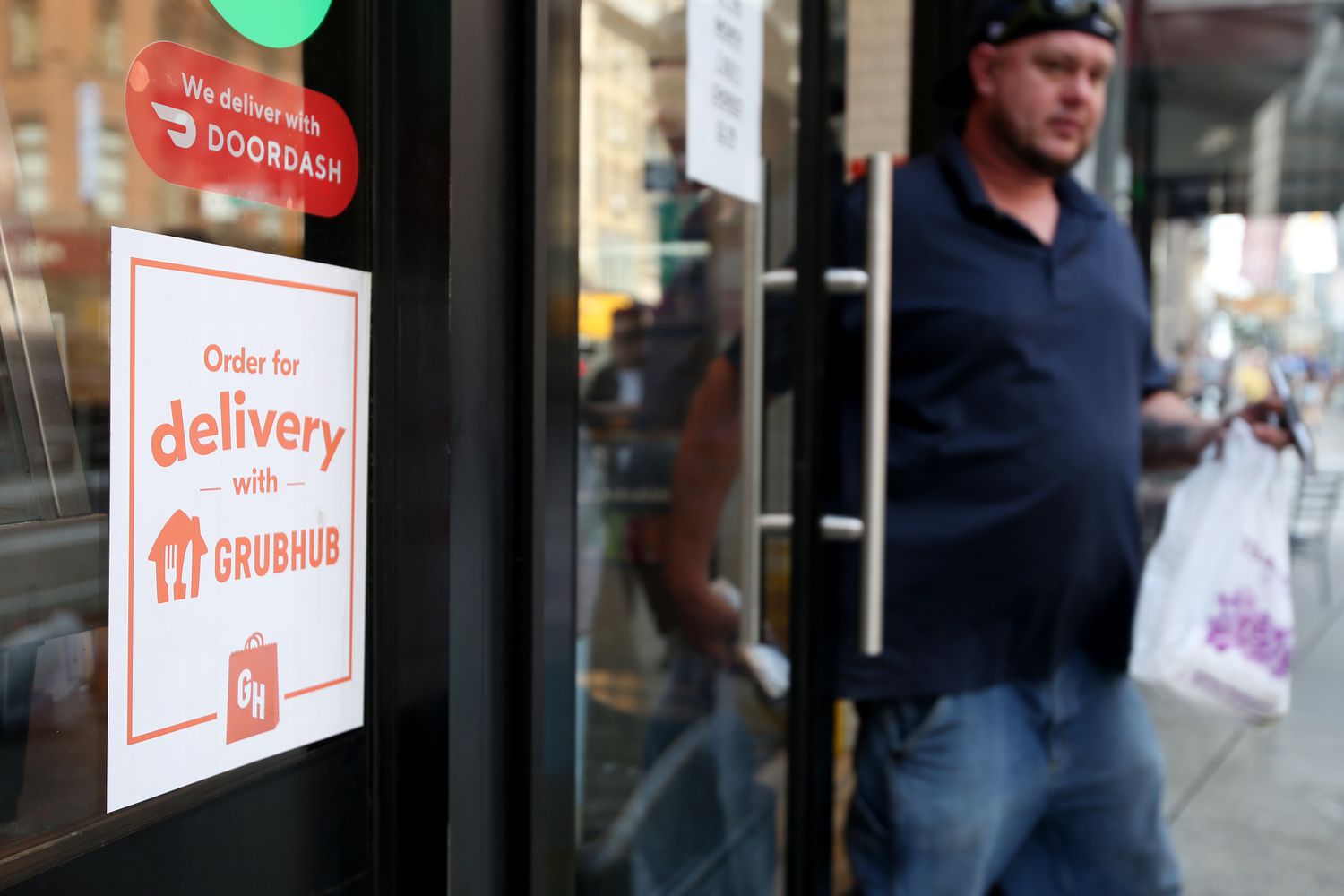
Investment Comparison: DoorDash vs. Lyft
- DoorDash Financial Performance: In FY 2025, DoorDash reported revenue of nearly $13.7 billion, reflecting a 27.9% year-over-year growth, and achieved a net income of approximately $935 million, showcasing its strong growth and profitability in the local commerce sector.
- Lyft Profitability: Lyft reported revenue of about $6.3 billion in FY 2025, marking a 9.2% increase from the previous year, and achieved a net income of approximately $2.8 billion, with a net margin close to 45%, indicating success in the premium market and operational efficiency.
- Competitive Pressure: DoorDash faces intense competition from Uber, particularly following its acquisition of Postmates, along with legal challenges and regulatory scrutiny that could impact its future market position and profitability.
- Lyft's Legal Risks: Lyft is currently dealing with significant litigation risks related to safety and assault claims, which could result in substantial financial liabilities, while uncertainties in driver classification regulations in key markets pose additional operational challenges.
See More
Lyft Stock Rises Ahead of Positive Earnings Outlook
- Stock Performance Outperforms Market: Lyft (LYFT) closed at $14.83, up 1.51% from the previous session, outperforming the S&P 500's decline of 0.22%, indicating strong market confidence in its future performance.
- Upcoming Earnings Report: Lyft is expected to report an EPS of $0.39, a 56% increase from the prior year, with revenue projected at $1.81 billion, reflecting a 13.68% year-over-year growth, which could positively influence investor sentiment.
- Analyst Estimate Revisions: Over the past month, the Zacks Consensus EPS estimate has risen by 4.94%, suggesting analysts' optimistic outlook on Lyft's near-term business trends, which reflects market recognition of its growth potential.
- Valuation Metrics Indicate Discount: Lyft's forward P/E ratio stands at 9.31, below the industry average of 14.8, and its PEG ratio is 0.38, indicating relative undervaluation that may attract more investor interest.
See More

Supreme Court Rulings Have Significant Implications

- Supreme Court Rulings: The Supreme Court ruled that Trump can fire FTC Commissioner Rebecca Slaughter but cannot dismiss Federal Reserve Governor Lisa Cook, indicating a protective stance on independent regulatory bodies that may impact future policy execution and market confidence.
- Market Dynamics: The Dow Jones Industrial Average closed above 52,000 for the first time, bolstered by a nearly 5% rise in Alphabet, although the S&P 500 and Nasdaq Composite are facing downward pressure, reflecting market uncertainty.
- New Medicare Coverage: Starting tomorrow, Medicare will cover obesity drugs for the first time, potentially bringing a large new patient population to Novo Nordisk and Eli Lilly, which could reshape the competitive landscape in obesity treatment.
- Comcast Strategic Shift: Comcast announced plans to spin off NBCUniversal and Sky into a publicly traded company, and while analysts speculate on potential mergers, co-CEO Brian Roberts stated this is not a precursor to M&A, indicating a cautious strategic approach.
See More

Supreme Court Rulings Have Far-Reaching Implications
- Supreme Court Ruling: The U.S. Supreme Court ruled that Trump can fire Federal Trade Commission Commissioner Rebecca Slaughter but cannot remove Federal Reserve Governor Lisa Cook for now, indicating a protective stance towards independent regulatory bodies that may affect future policy execution stability.
- Market Dynamics: The Dow Jones Industrial Average closed above 52,000 for the first time, buoyed by a nearly 5% rise in Google parent Alphabet, while the S&P 500 and Nasdaq Composite face downward pressure, reflecting a divergence in market performance.
- Medicare Policy Change: Starting tomorrow, Medicare will cover obesity drugs for the first time, potentially bringing in a large new patient population for GLP-1 producers like Novo Nordisk and Eli Lilly, which could significantly boost market demand for these medications.
- Comcast Restructuring: Comcast announced plans to spin off NBCUniversal and Sky into a publicly traded company, and while analysts speculate about potential mergers, company executives clarified that this move is not a precursor to acquisitions, indicating a cautious strategic approach.
See More
Uber-Waymo Robotaxi Pilot Program Concludes in Phoenix


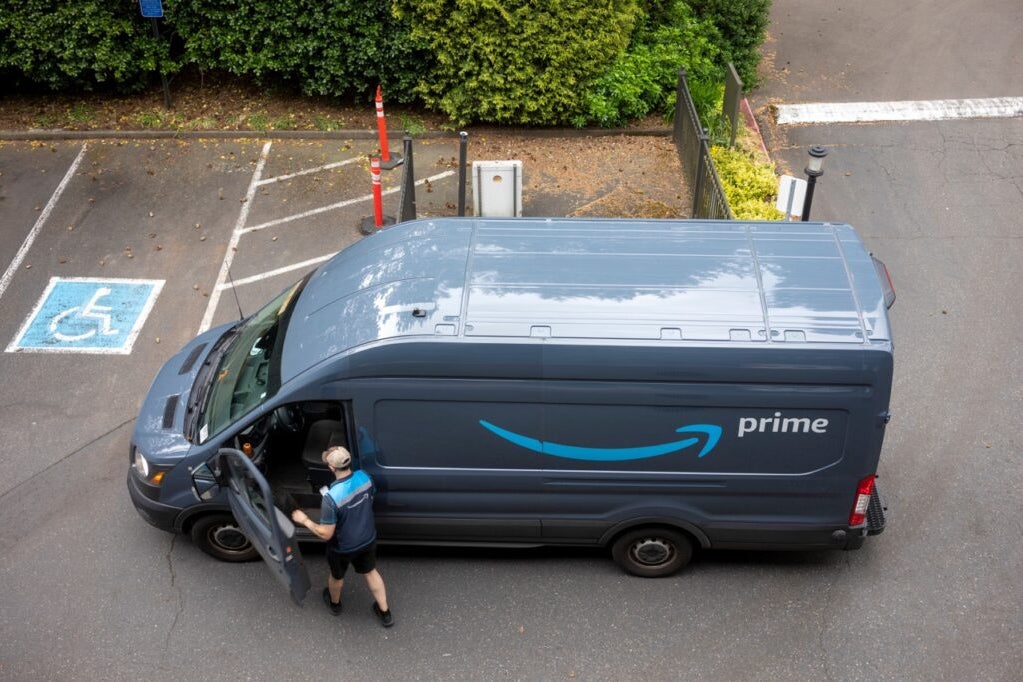
- Pilot Program Conclusion: The Uber-Waymo robotaxi pilot program in Phoenix, Arizona has officially ended, although Waymo's autonomous vehicles will continue to operate in the area for deliveries, highlighting the limitations of the pilot and future uncertainties.
- Vehicle Deployment: Waymo operates a fleet of approximately 4,000 automated vehicles in the U.S., with only a dozen deployed in Phoenix for the pilot, as Uber noted that this limited deployment provided valuable insights for scaling operations in Austin and Atlanta, reflecting the company's strategic positioning in the autonomous driving sector.
- Market Competition Dynamics: With Uber's autonomous rides no longer available through its app, questions arise regarding Uber's dominance in the future self-driving services market, especially in light of Waymo's partnership with DoorDash, which could impact Uber's market share.
- Future Collaboration Outlook: Waymo stated that the pilot paved the way for future expansions and global partnerships, and while the collaboration with Uber has ended, Waymo plans to offer robotaxi services through Lyft in Nashville, indicating an intensifying competitive landscape.
See More
Comparative Analysis of Food Delivery and Ride-Sharing Industries
- DoorDash Growth: In FY 2025, DoorDash achieved approximately $13.7 billion in revenue, reflecting a 27.9% year-over-year growth, alongside a net income of nearly $935 million, showcasing its leadership in local commerce and significant profitability improvement.
- Lyft Profitability: Lyft reported around $6.3 billion in revenue for the same fiscal year, with a growth rate of 9.2% and a net income of approximately $2.8 billion, resulting in a net margin close to 45%, indicating success in optimizing its rider network and integrating new service tiers.
- Risks and Challenges: DoorDash faces competitive pressures and legal challenges, particularly regarding driver classification and pay transparency, while Lyft is dealing with significant litigation risks related to safety and assault claims, which could lead to substantial financial liabilities.
- Valuation Comparison: Despite DoorDash's strong growth prospects with a forward P/E of 74.5x, Lyft appears more attractively priced at 24.7x, suggesting that while DoorDash commands a premium for growth, Lyft's lower valuation may offer better investment opportunities despite its smaller scale.
See More
Investment Comparison: DoorDash vs. Lyft
- DoorDash Financial Performance: In FY 2025, DoorDash reported revenue of nearly $13.7 billion, reflecting a 27.9% year-over-year growth, and achieved a net income of approximately $935 million, showcasing its strong growth and profitability in the local commerce sector.
- Lyft Profitability: Lyft reported revenue of about $6.3 billion in FY 2025, marking a 9.2% increase from the previous year, and achieved a net income of approximately $2.8 billion, with a net margin close to 45%, indicating success in the premium market and operational efficiency.
- Competitive Pressure: DoorDash faces intense competition from Uber, particularly following its acquisition of Postmates, along with legal challenges and regulatory scrutiny that could impact its future market position and profitability.
- Lyft's Legal Risks: Lyft is currently dealing with significant litigation risks related to safety and assault claims, which could result in substantial financial liabilities, while uncertainties in driver classification regulations in key markets pose additional operational challenges.
See More
Lyft Stock Rises Ahead of Positive Earnings Outlook
- Stock Performance Outperforms Market: Lyft (LYFT) closed at $14.83, up 1.51% from the previous session, outperforming the S&P 500's decline of 0.22%, indicating strong market confidence in its future performance.
- Upcoming Earnings Report: Lyft is expected to report an EPS of $0.39, a 56% increase from the prior year, with revenue projected at $1.81 billion, reflecting a 13.68% year-over-year growth, which could positively influence investor sentiment.
- Analyst Estimate Revisions: Over the past month, the Zacks Consensus EPS estimate has risen by 4.94%, suggesting analysts' optimistic outlook on Lyft's near-term business trends, which reflects market recognition of its growth potential.
- Valuation Metrics Indicate Discount: Lyft's forward P/E ratio stands at 9.31, below the industry average of 14.8, and its PEG ratio is 0.38, indicating relative undervaluation that may attract more investor interest.
See More
Supreme Court Rulings Have Significant Implications
- Supreme Court Rulings: The Supreme Court ruled that Trump can fire FTC Commissioner Rebecca Slaughter but cannot dismiss Federal Reserve Governor Lisa Cook, indicating a protective stance on independent regulatory bodies that may impact future policy execution and market confidence.
- Market Dynamics: The Dow Jones Industrial Average closed above 52,000 for the first time, bolstered by a nearly 5% rise in Alphabet, although the S&P 500 and Nasdaq Composite are facing downward pressure, reflecting market uncertainty.
- New Medicare Coverage: Starting tomorrow, Medicare will cover obesity drugs for the first time, potentially bringing a large new patient population to Novo Nordisk and Eli Lilly, which could reshape the competitive landscape in obesity treatment.
- Comcast Strategic Shift: Comcast announced plans to spin off NBCUniversal and Sky into a publicly traded company, and while analysts speculate on potential mergers, co-CEO Brian Roberts stated this is not a precursor to M&A, indicating a cautious strategic approach.
See More
Supreme Court Rulings Have Far-Reaching Implications
- Supreme Court Ruling: The U.S. Supreme Court ruled that Trump can fire Federal Trade Commission Commissioner Rebecca Slaughter but cannot remove Federal Reserve Governor Lisa Cook for now, indicating a protective stance towards independent regulatory bodies that may affect future policy execution stability.
- Market Dynamics: The Dow Jones Industrial Average closed above 52,000 for the first time, buoyed by a nearly 5% rise in Google parent Alphabet, while the S&P 500 and Nasdaq Composite face downward pressure, reflecting a divergence in market performance.
- Medicare Policy Change: Starting tomorrow, Medicare will cover obesity drugs for the first time, potentially bringing in a large new patient population for GLP-1 producers like Novo Nordisk and Eli Lilly, which could significantly boost market demand for these medications.
- Comcast Restructuring: Comcast announced plans to spin off NBCUniversal and Sky into a publicly traded company, and while analysts speculate about potential mergers, company executives clarified that this move is not a precursor to acquisitions, indicating a cautious strategic approach.
See More
Uber-Waymo Robotaxi Pilot Program Concludes in Phoenix
- Pilot Program Conclusion: The Uber-Waymo robotaxi pilot program in Phoenix, Arizona has officially ended, although Waymo's autonomous vehicles will continue to operate in the area for deliveries, highlighting the limitations of the pilot and future uncertainties.
- Vehicle Deployment: Waymo operates a fleet of approximately 4,000 automated vehicles in the U.S., with only a dozen deployed in Phoenix for the pilot, as Uber noted that this limited deployment provided valuable insights for scaling operations in Austin and Atlanta, reflecting the company's strategic positioning in the autonomous driving sector.
- Market Competition Dynamics: With Uber's autonomous rides no longer available through its app, questions arise regarding Uber's dominance in the future self-driving services market, especially in light of Waymo's partnership with DoorDash, which could impact Uber's market share.
- Future Collaboration Outlook: Waymo stated that the pilot paved the way for future expansions and global partnerships, and while the collaboration with Uber has ended, Waymo plans to offer robotaxi services through Lyft in Nashville, indicating an intensifying competitive landscape.
See More