Lotus Unveils Focus 2030 Strategy for Sustainable Growth
Written by Emily J. Thompson, Senior Investment Analyst
Updated: May 11 2026
0mins
Source: Newsfilter
- New Strategic Announcement: Lotus has unveiled its Focus 2030 strategy, designed to enhance market competitiveness and ensure sustainable growth through four core pillars, including brand reinforcement, partner collaboration, and financial discipline, marking a significant reset for the brand.
- Multi-Powertrain Strategy: The company aims for a 60:40 mix of PHEV and BEV in its electrified portfolio, launching its unique X-Hybrid technology expected to debut in Europe in 2026, with over 1,000 orders already secured in China within the first month, indicating strong market demand.
- New Model Introduction: The Type 135, an all-new hybrid V8 supercar, is set to launch in 2028, further solidifying Lotus' performance DNA and showcasing its ongoing innovation in the high-performance automotive sector.
- Strengthened Financial Discipline: Lotus targets annual sales of 30,000 units, emphasizing personalization and stronger margins, with expectations to achieve sustained profitability through improved operational efficiency and cost management, thereby reinforcing its position in the global market.
Trade with 70% Backtested Accuracy
Stop guessing "Should I Buy LOT?" and start using high-conviction signals backed by rigorous historical data.
Sign up today to access powerful investing tools and make smarter, data-driven decisions.
Analyst Views on LOT
About LOT
Lotus Technology Inc is a company mainly engaged in the design, development, manufacturing and sales of luxury electric vehicles. The Company is mainly engaged in providing luxury lifestyle battery electric vehicles, focusing on electrification, digitalization, intelligence and other automotive technologies. The Company designs, develops and sells luxury lifestyle cars (non-sports cars for everyday use) under the iconic British brand Lotus. The Company operates in China, the UK and the EU market.
About the author

Emily J. Thompson
Emily J. Thompson, a Chartered Financial Analyst (CFA) with 12 years in investment research, graduated with honors from the Wharton School. Specializing in industrial and technology stocks, she provides in-depth analysis for Intellectia’s earnings and market brief reports.

Lotus Unveils Emira 420 Sport, Performance Enhanced

- Performance Enhancement: The Emira 420 Sport features a 2.0-liter turbocharged four-cylinder engine producing 420PS and 500Nm, achieving 0-62 mph in just 3.9 seconds, showcasing exceptional acceleration and driving pleasure, thereby reinforcing Lotus's position in the high-performance sports car market.
- Weight Reduction and Aerodynamic Optimization: With a weight reduction of 25kg compared to the Emira Turbo and an additional 25kg of downforce, the Emira 420 Sport incorporates a redesigned front splitter and side vents that enhance cooling and track performance, ensuring stability under high-intensity driving conditions.
- Removable Roof Design: For the first time, a removable tinted glass roof allows drivers to switch quickly between coupe and open-top configurations, enhancing driving enjoyment and personalization options, aligning with Lotus's commitment to driving experience.
- Rich Personalization Options: The Emira 420 Sport offers up to 16 body colors and 9 wheel designs, with additional options for a carbon fiber pack and a hand-painted pack that elevate the luxury feel of the interior, catering to consumer demands for customization.
See More
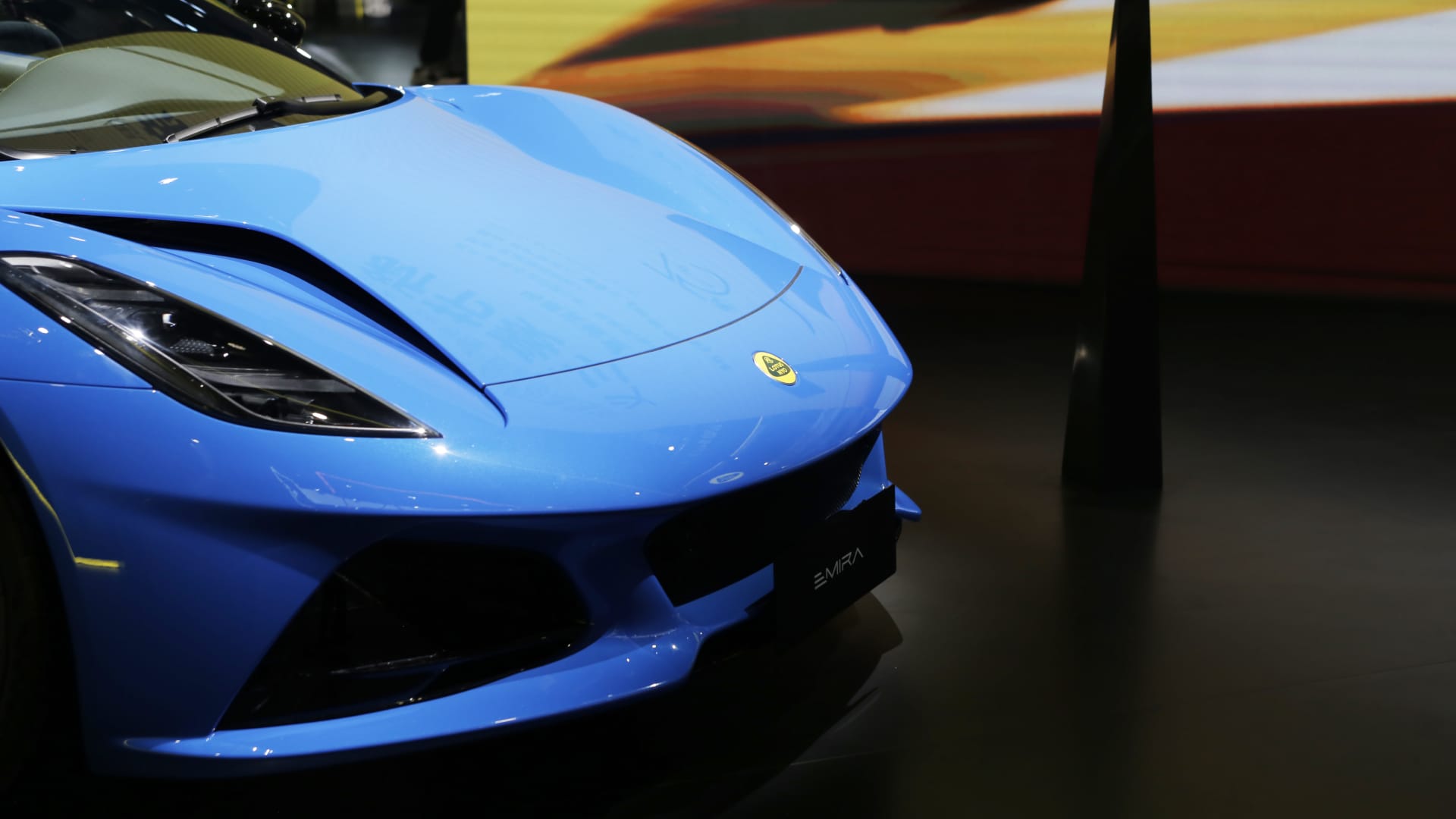
Lotus CEO Expresses Skepticism on Solid-State Battery Commercialization

- Uncertain Future for Solid-State Batteries: Lotus CEO Qingfeng Feng expressed at the FT Future of the Car summit that the commercialization of solid-state batteries may take 3 to 10 years, as the technology is not yet mature enough for mass production despite being touted as the 'holy grail' for EVs.
- Geely's Leadership in R&D: Feng highlighted that Geely is leading the development of solid-state battery technologies by establishing a dedicated R&D center, actively tracking and developing related technologies, which underscores its strategic positioning in the EV sector.
- Ongoing Technical Challenges: While solid-state batteries offer advantages in safety and charging speed, issues such as high production costs and battery swelling remain unresolved, hindering their market adoption and application.
- Shift Towards Semi-Solid Batteries: Some automakers are favoring the development of semi-solid-state batteries, which combine solid and liquid electrolytes, potentially offering a better balance of performance and cost, reflecting the industry's cautious stance towards solid-state battery technology.
See More
Lotus CEO: Solid-State Battery Commercialization Still Years Away
- Cautious Outlook on Solid-State Batteries: Lotus CEO Qingfeng Feng told CNBC that it may take another three to ten years for solid-state batteries to be commercialized, despite being hailed as the 'holy grail' of sustainable driving, as many unanswered questions remain.
- Industry Leader Dynamics: Feng highlighted that Geely is leading in solid-state battery R&D, having established a dedicated research center to actively track and develop related technologies, indicating a strategic focus in the EV sector.
- Insufficient Technology Maturity: Feng emphasized that the solid-state battery technology is not yet mature enough for mass production, as the conflict between discharge rates and battery life remains unresolved, even though safety issues have been addressed.
- Intensifying Market Competition: As the hype around solid-state batteries fades, automakers are considering alternatives, and with Lotus being controlled by Geely, it faces competitive pressure from other automotive giants, necessitating accelerated technological innovation to maintain market position.
See More
Lotus Unveils Focus 2030 Strategy for Sustainable Growth
- New Strategic Announcement: Lotus has unveiled its Focus 2030 strategy, designed to enhance market competitiveness and ensure sustainable growth through four core pillars, including brand reinforcement, partner collaboration, and financial discipline, marking a significant reset for the brand.
- Multi-Powertrain Strategy: The company aims for a 60:40 mix of PHEV and BEV in its electrified portfolio, launching its unique X-Hybrid technology expected to debut in Europe in 2026, with over 1,000 orders already secured in China within the first month, indicating strong market demand.
- New Model Introduction: The Type 135, an all-new hybrid V8 supercar, is set to launch in 2028, further solidifying Lotus' performance DNA and showcasing its ongoing innovation in the high-performance automotive sector.
- Strengthened Financial Discipline: Lotus targets annual sales of 30,000 units, emphasizing personalization and stronger margins, with expectations to achieve sustained profitability through improved operational efficiency and cost management, thereby reinforcing its position in the global market.
See More
Geely Holding's Promising Investments in the U.S. Market
- Market Access Potential: Geely Holding has significant investments in three automakers in the U.S.—Volvo, Polestar, and Lotus—providing a pathway to access dealer networks despite bipartisan opposition, thereby enhancing its competitive edge in the global automotive market.
- Production Capacity Expansion: The Volvo factory in South Carolina has a production capacity of 150,000 vehicles, but only produced 18,500 in 2025; plans to add U.S. production of the XC60 hybrid SUV could increase output by 45,000 units annually, indicating Geely's potential in the U.S. market.
- Brand Expansion Opportunities: Geely's Zeekr brand is seen as the most likely candidate for U.S. market entry, with Waymo already utilizing Zeekr vehicles for its self-driving fleet in San Francisco, highlighting its technological adaptability and potential demand in the U.S. market.
- Evolving Policy Environment: Despite the U.S. imposing a 100% tariff on Chinese vehicles, Geely may leverage its partnership with Volvo to utilize U.S. factory capacity, aligning with market demands and demonstrating its agility in navigating complex policy landscapes.
See More
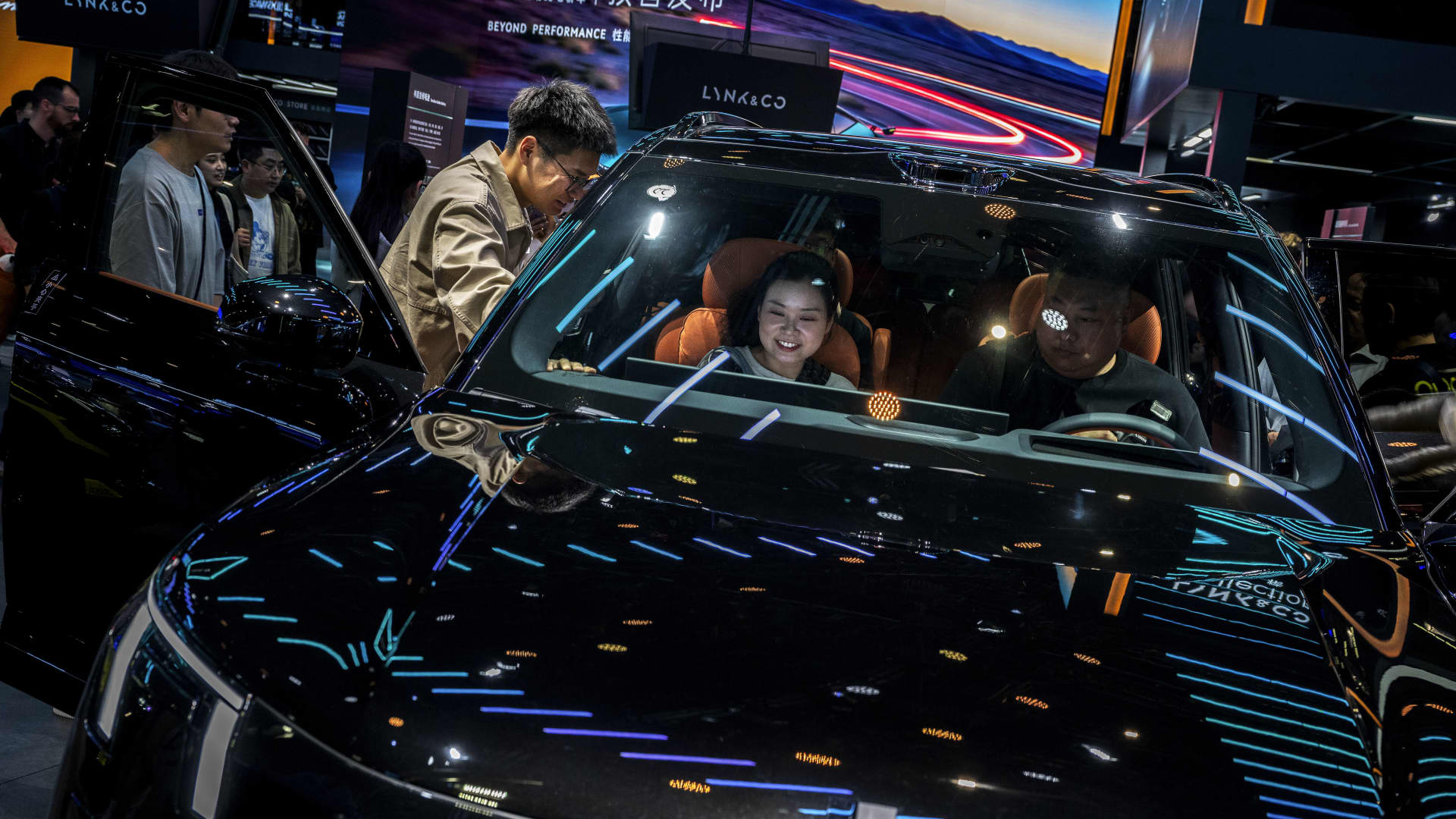
Geely's Strategic Positioning in the U.S. Market


- Market Access Advantage: Despite the U.S. imposing a 100% tariff on Chinese EVs, Geely has established a robust dealer network through its brands like Volvo, Polestar, and Lotus, enhancing its market access capabilities and demonstrating strategic positioning in the U.S. market.
- Production Capacity Potential: The Volvo factory in South Carolina has a production capacity of 150,000 vehicles annually but only produced about 18,500 in 2025; plans to increase production of the XC60 hybrid SUV could add approximately 45,000 units, further enhancing Geely's production capabilities.
- Brand Expansion Plans: Geely's Zeekr brand is seen as the most likely candidate for U.S. market entry, with Waymo already utilizing Zeekr vehicles for its self-driving fleet in San Francisco, showcasing its potential in technology and market adaptability.
- Policy Environment Impact: Despite bipartisan opposition, President Trump has expressed openness to Chinese automakers building plants in the U.S., potentially providing new market opportunities for Geely and other Chinese automotive brands, further driving their expansion plans in the U.S.
See More
Lotus Unveils Emira 420 Sport, Performance Enhanced
- Performance Enhancement: The Emira 420 Sport features a 2.0-liter turbocharged four-cylinder engine producing 420PS and 500Nm, achieving 0-62 mph in just 3.9 seconds, showcasing exceptional acceleration and driving pleasure, thereby reinforcing Lotus's position in the high-performance sports car market.
- Weight Reduction and Aerodynamic Optimization: With a weight reduction of 25kg compared to the Emira Turbo and an additional 25kg of downforce, the Emira 420 Sport incorporates a redesigned front splitter and side vents that enhance cooling and track performance, ensuring stability under high-intensity driving conditions.
- Removable Roof Design: For the first time, a removable tinted glass roof allows drivers to switch quickly between coupe and open-top configurations, enhancing driving enjoyment and personalization options, aligning with Lotus's commitment to driving experience.
- Rich Personalization Options: The Emira 420 Sport offers up to 16 body colors and 9 wheel designs, with additional options for a carbon fiber pack and a hand-painted pack that elevate the luxury feel of the interior, catering to consumer demands for customization.
See More
Lotus CEO Expresses Skepticism on Solid-State Battery Commercialization
- Uncertain Future for Solid-State Batteries: Lotus CEO Qingfeng Feng expressed at the FT Future of the Car summit that the commercialization of solid-state batteries may take 3 to 10 years, as the technology is not yet mature enough for mass production despite being touted as the 'holy grail' for EVs.
- Geely's Leadership in R&D: Feng highlighted that Geely is leading the development of solid-state battery technologies by establishing a dedicated R&D center, actively tracking and developing related technologies, which underscores its strategic positioning in the EV sector.
- Ongoing Technical Challenges: While solid-state batteries offer advantages in safety and charging speed, issues such as high production costs and battery swelling remain unresolved, hindering their market adoption and application.
- Shift Towards Semi-Solid Batteries: Some automakers are favoring the development of semi-solid-state batteries, which combine solid and liquid electrolytes, potentially offering a better balance of performance and cost, reflecting the industry's cautious stance towards solid-state battery technology.
See More
Lotus CEO: Solid-State Battery Commercialization Still Years Away
- Cautious Outlook on Solid-State Batteries: Lotus CEO Qingfeng Feng told CNBC that it may take another three to ten years for solid-state batteries to be commercialized, despite being hailed as the 'holy grail' of sustainable driving, as many unanswered questions remain.
- Industry Leader Dynamics: Feng highlighted that Geely is leading in solid-state battery R&D, having established a dedicated research center to actively track and develop related technologies, indicating a strategic focus in the EV sector.
- Insufficient Technology Maturity: Feng emphasized that the solid-state battery technology is not yet mature enough for mass production, as the conflict between discharge rates and battery life remains unresolved, even though safety issues have been addressed.
- Intensifying Market Competition: As the hype around solid-state batteries fades, automakers are considering alternatives, and with Lotus being controlled by Geely, it faces competitive pressure from other automotive giants, necessitating accelerated technological innovation to maintain market position.
See More
Lotus Unveils Focus 2030 Strategy for Sustainable Growth
- New Strategic Announcement: Lotus has unveiled its Focus 2030 strategy, designed to enhance market competitiveness and ensure sustainable growth through four core pillars, including brand reinforcement, partner collaboration, and financial discipline, marking a significant reset for the brand.
- Multi-Powertrain Strategy: The company aims for a 60:40 mix of PHEV and BEV in its electrified portfolio, launching its unique X-Hybrid technology expected to debut in Europe in 2026, with over 1,000 orders already secured in China within the first month, indicating strong market demand.
- New Model Introduction: The Type 135, an all-new hybrid V8 supercar, is set to launch in 2028, further solidifying Lotus' performance DNA and showcasing its ongoing innovation in the high-performance automotive sector.
- Strengthened Financial Discipline: Lotus targets annual sales of 30,000 units, emphasizing personalization and stronger margins, with expectations to achieve sustained profitability through improved operational efficiency and cost management, thereby reinforcing its position in the global market.
See More
Geely Holding's Promising Investments in the U.S. Market
- Market Access Potential: Geely Holding has significant investments in three automakers in the U.S.—Volvo, Polestar, and Lotus—providing a pathway to access dealer networks despite bipartisan opposition, thereby enhancing its competitive edge in the global automotive market.
- Production Capacity Expansion: The Volvo factory in South Carolina has a production capacity of 150,000 vehicles, but only produced 18,500 in 2025; plans to add U.S. production of the XC60 hybrid SUV could increase output by 45,000 units annually, indicating Geely's potential in the U.S. market.
- Brand Expansion Opportunities: Geely's Zeekr brand is seen as the most likely candidate for U.S. market entry, with Waymo already utilizing Zeekr vehicles for its self-driving fleet in San Francisco, highlighting its technological adaptability and potential demand in the U.S. market.
- Evolving Policy Environment: Despite the U.S. imposing a 100% tariff on Chinese vehicles, Geely may leverage its partnership with Volvo to utilize U.S. factory capacity, aligning with market demands and demonstrating its agility in navigating complex policy landscapes.
See More
Geely's Strategic Positioning in the U.S. Market
- Market Access Advantage: Despite the U.S. imposing a 100% tariff on Chinese EVs, Geely has established a robust dealer network through its brands like Volvo, Polestar, and Lotus, enhancing its market access capabilities and demonstrating strategic positioning in the U.S. market.
- Production Capacity Potential: The Volvo factory in South Carolina has a production capacity of 150,000 vehicles annually but only produced about 18,500 in 2025; plans to increase production of the XC60 hybrid SUV could add approximately 45,000 units, further enhancing Geely's production capabilities.
- Brand Expansion Plans: Geely's Zeekr brand is seen as the most likely candidate for U.S. market entry, with Waymo already utilizing Zeekr vehicles for its self-driving fleet in San Francisco, showcasing its potential in technology and market adaptability.
- Policy Environment Impact: Despite bipartisan opposition, President Trump has expressed openness to Chinese automakers building plants in the U.S., potentially providing new market opportunities for Geely and other Chinese automotive brands, further driving their expansion plans in the U.S.
See More