

Long-Term Investment Potential of Energy Stocks
Written by Emily J. Thompson, Senior Investment Analyst
Updated: May 06 2026
0mins

Source: Fool
- Market Demand Growth: According to PowerLines, U.S. utilities could spend $1.4 trillion over the next five years to meet rising energy demands, presenting significant market opportunities for electrification companies like Vistra and Quanta Services.
- Vistra's Expansion Strategy: As the largest power generation and retail electricity provider in the U.S., Vistra has a generation capacity of 44 GW, capable of powering 22 million homes, and plans to expand its green energy solutions through acquisitions of nuclear and natural gas plants, aiming for net-zero carbon emissions by 2050.
- Quanta Services' Infrastructure Growth: Quanta Services has aggressively acquired over 200 infrastructure companies in the past three decades, driving rapid expansion in its electric power infrastructure business, with year-end backlog expected to grow from $19.3 billion to $44 billion by 2025, indicating strong market demand.
- Future Earnings Expectations: Analysts expect Vistra and Quanta's revenues to grow at CAGRs of 14% and 17%, respectively, from 2025 to 2028, highlighting both companies' strong growth potential in the electrification market, particularly driven by cloud infrastructure and artificial intelligence advancements.
Trade with 70% Backtested Accuracy
Stop guessing "Should I Buy VST?" and start using high-conviction signals backed by rigorous historical data.
Sign up today to access powerful investing tools and make smarter, data-driven decisions.
Analyst Views on VST
Wall Street analysts forecast VST stock price to rise
11 Analyst Rating
11 Buy
0 Hold
0 Sell
Strong Buy
Current: 167.770

Low
217.00
Averages
240.09
High
287.00
Current: 167.770
Low
217.00
Averages
240.09
High
287.00
About VST
Vistra Corp. is an integrated retail electricity and power generation company that provides essential resources to customers, businesses, and communities from California to Maine. It operates a reliable power generation fleet of natural gas, nuclear, coal, solar, and battery energy storage facilities while taking an innovative, customer-centric approach to its retail business. Its segments include Retail, Texas, East, West, and Asset Closure. The Retail segment is engaged in retail sales of electricity and natural gas to residential, commercial and industrial customers. The Texas and East segments are engaged in electricity generation, wholesale energy sales and purchases, commodity risk management activities, fuel procurement, and logistics management. The West segment represents results from the CAISO market, including its battery ESS projects at its Moss Landing power plant site. The Asset Closure segment is engaged in the decommissioning and reclamation of retired plants and mines.
About the author

Emily J. Thompson
Emily J. Thompson, a Chartered Financial Analyst (CFA) with 12 years in investment research, graduated with honors from the Wharton School. Specializing in industrial and technology stocks, she provides in-depth analysis for Intellectia’s earnings and market brief reports.
Department of Energy Backs Nuclear Revival with $17.5 Billion Loans


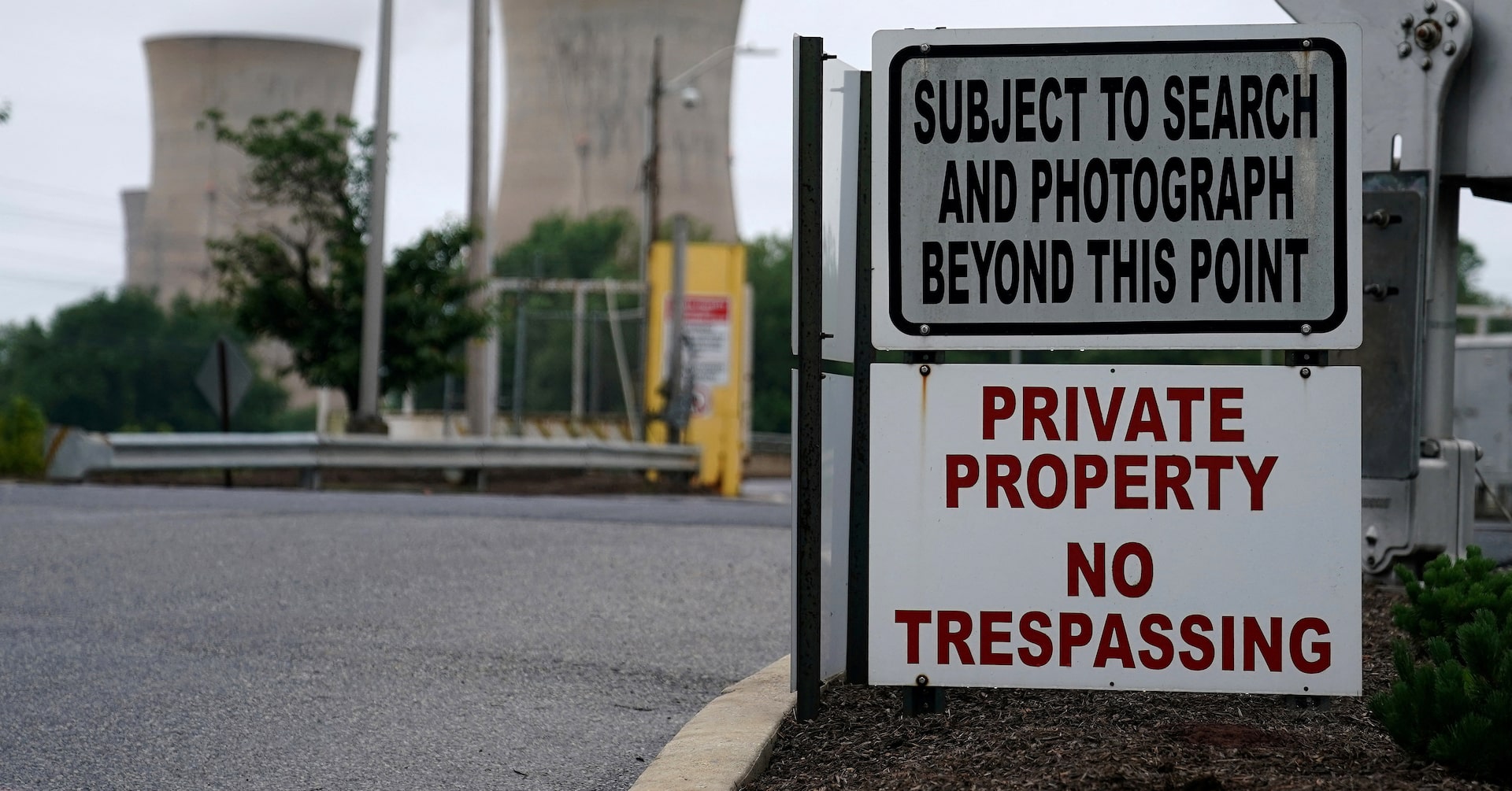
- Nuclear Revival Funding: The Department of Energy has unveiled up to $17.5 billion in conditional loan commitments aimed at assisting utilities in purchasing long-lead components for new reactors, particularly linked to data center electricity demand, indicating a strong federal endorsement of advanced nuclear energy.
- Cameco's Unique Position: As a co-owner of Westinghouse, Cameco stands to benefit from both uranium supply and reactor technology, with each new AP1000 built potentially driving long-term demand for its uranium business and enhancing its stake in reactor technology.
- Constellation's Market Opportunity: As the largest nuclear fleet operator in the U.S., Constellation has already monetized its existing nuclear plants through power purchase agreements with data centers, and the DOE loan program could further extend this narrative to new builds, securing long-term revenue contracts.
- Vistra's Cautious Strategy: Vistra balances its nuclear capacity with a rapidly growing retail business, and while it has been cautious about committing to new nuclear builds, the DOE loan program could reduce upfront capital risks, potentially altering its investment calculus.
See More

DOE Unveils $17.5 Billion Conditional Loan for Nuclear Reactors
- Nuclear Revival Signal: The U.S. Department of Energy has announced a conditional loan commitment of up to $17.5 billion to support the construction of new nuclear reactors using Westinghouse's AP1000 technology, indicating that the government views advanced nuclear as a key solution to meet data center electricity demands.
- Beneficiary Analysis: Companies like Cameco, Constellation Energy, and Vistra could be primary beneficiaries of the loan program, with Cameco uniquely positioned to benefit from long-term demand growth due to its stake in Westinghouse, although short-term earnings will remain unaffected.
- Execution Risk Consideration: Constellation Energy, the largest nuclear operator in the U.S., faces execution risks in new nuclear builds, particularly given the historical delays and cost overruns of AP1000 projects, despite its existing nuclear plants already generating revenue through power purchase agreements with major clients like Microsoft.
- Market Outlook: Vistra balances its nuclear capacity with a rapidly growing retail business, and while it has been cautious about committing to new nuclear builds, the DOE loan program could reduce upfront capital risks, potentially altering its investment calculus.
See More

Chip Stocks Slide Amid Economic Data Releases


- Economic Data Releases: Initial jobless claims are expected at 223,000, durable goods orders are projected to drop by 4%, and the third reading of GDP is anticipated at 1.7%, which could significantly impact market sentiment and lead to stock volatility.
- Restaurant Sector Performance: Darden Restaurants has risen over 6% in the past three months, indicating a recovery in the dining industry, while McCormick's stock has fallen more than 8%, reflecting market concerns about its future performance.
- Tech Stock Dynamics: Micron Technology's stock rose 16% in after-hours trading after beating Wall Street estimates, highlighting the ongoing impact of memory and storage supply shortages, with industry supply expected to gradually improve by 2028.
- Bank Dividend Increases: Major banks like Goldman Sachs, Morgan Stanley, and JPMorgan are raising dividends, indicating strong financial health; despite recent stock price declines, the overall upward trend remains evident.
See More

Investment Opportunities in the Resurgence of Nuclear Power Industry

- Uranium Mining Potential: Cameco, a leading supplier of uranium-235, reported $3.5 billion in revenue last year and is expected to maintain stable growth, with global uranium demand projected to double by 2033, further solidifying Cameco's market position.
- Small Modular Reactor Outlook: GE Vernova's partnership with Hitachi is advancing the development of small modular reactors (SMRs), with nearly 500 expected to be built globally by 2050; while none are operational yet, demand is anticipated to materialize quickly, allowing GE Vernova to leverage its brand to capture market share.
- Vistra's Nuclear Transition: Currently, about 20% of Vistra's power comes from nuclear energy, and with power purchase agreements signed with Meta and Amazon, the company plans to develop new nuclear production capacity, significantly increasing its nuclear business share and enhancing regional grid supply capabilities.
- Capital Optimization Strategy: Since 2021, Vistra has repurchased about 30% of its shares while increasing annual revenue from $12.1 billion to $17.7 billion, demonstrating exceptional management in capital and asset optimization, and it will continue to invest in new capacity moving forward.
See More

Nuclear Power Resurgence: Investment Opportunities Analysis
- Nuclear Market Outlook: The International Atomic Energy Agency predicts that global nuclear capacity could double by 2050, indicating a strong resurgence in nuclear energy, particularly as electricity demand continues to rise, making nuclear a reliable energy option.
- Uranium Supplier Advantage: Cameco, as one of the primary uranium suppliers, achieved $3.5 billion in revenue last year and is expected to maintain this level, with per-share profits projected to rise only slightly to $1.63, yet its integrated business model positions it advantageously in the nuclear revival.
- Small Modular Reactor Development: GE Vernova's collaboration with Hitachi on small modular reactors (SMRs) is set to see operational units by 2030, with projections of nearly 500 SMRs globally, addressing the increasing electricity demand, particularly for emerging applications like AI data centers.
- Vistra's Nuclear Strategy: Vistra is entering the nuclear space by signing power purchase agreements with Meta and Amazon to develop new nuclear production capacity, and while nuclear currently accounts for only 20% of its output, its rapid transformation will support future grid supply.
See More
Energy Companies' Role in AI Infrastructure Debate
- Nuclear Advantage: Constellation Energy's cleaner nuclear narrative positions it favorably in the electricity market, attracting investors interested in sustainable energy solutions, which could enhance its market valuation.
- Flexibility Competition: Vistra offers greater flexibility across power markets, allowing it to adapt to changing demands, which may give it a competitive edge in future electricity supply, appealing to shareholders seeking diversified investments.
- Market Dynamics: As data centers increasingly demand reliable electricity, the competition between Constellation Energy and Vistra will influence investor choices, potentially leading to stock price fluctuations that reflect differing market perceptions of clean energy and flexibility needs.
- Investor Focus: The market performance of Constellation Energy and Vistra on June 6, 2026, will serve as a crucial reference for investors assessing future electricity market trends, potentially impacting their long-term investment strategies.
See More
Department of Energy Backs Nuclear Revival with $17.5 Billion Loans
- Nuclear Revival Funding: The Department of Energy has unveiled up to $17.5 billion in conditional loan commitments aimed at assisting utilities in purchasing long-lead components for new reactors, particularly linked to data center electricity demand, indicating a strong federal endorsement of advanced nuclear energy.
- Cameco's Unique Position: As a co-owner of Westinghouse, Cameco stands to benefit from both uranium supply and reactor technology, with each new AP1000 built potentially driving long-term demand for its uranium business and enhancing its stake in reactor technology.
- Constellation's Market Opportunity: As the largest nuclear fleet operator in the U.S., Constellation has already monetized its existing nuclear plants through power purchase agreements with data centers, and the DOE loan program could further extend this narrative to new builds, securing long-term revenue contracts.
- Vistra's Cautious Strategy: Vistra balances its nuclear capacity with a rapidly growing retail business, and while it has been cautious about committing to new nuclear builds, the DOE loan program could reduce upfront capital risks, potentially altering its investment calculus.
See More
DOE Unveils $17.5 Billion Conditional Loan for Nuclear Reactors
- Nuclear Revival Signal: The U.S. Department of Energy has announced a conditional loan commitment of up to $17.5 billion to support the construction of new nuclear reactors using Westinghouse's AP1000 technology, indicating that the government views advanced nuclear as a key solution to meet data center electricity demands.
- Beneficiary Analysis: Companies like Cameco, Constellation Energy, and Vistra could be primary beneficiaries of the loan program, with Cameco uniquely positioned to benefit from long-term demand growth due to its stake in Westinghouse, although short-term earnings will remain unaffected.
- Execution Risk Consideration: Constellation Energy, the largest nuclear operator in the U.S., faces execution risks in new nuclear builds, particularly given the historical delays and cost overruns of AP1000 projects, despite its existing nuclear plants already generating revenue through power purchase agreements with major clients like Microsoft.
- Market Outlook: Vistra balances its nuclear capacity with a rapidly growing retail business, and while it has been cautious about committing to new nuclear builds, the DOE loan program could reduce upfront capital risks, potentially altering its investment calculus.
See More
Chip Stocks Slide Amid Economic Data Releases
- Economic Data Releases: Initial jobless claims are expected at 223,000, durable goods orders are projected to drop by 4%, and the third reading of GDP is anticipated at 1.7%, which could significantly impact market sentiment and lead to stock volatility.
- Restaurant Sector Performance: Darden Restaurants has risen over 6% in the past three months, indicating a recovery in the dining industry, while McCormick's stock has fallen more than 8%, reflecting market concerns about its future performance.
- Tech Stock Dynamics: Micron Technology's stock rose 16% in after-hours trading after beating Wall Street estimates, highlighting the ongoing impact of memory and storage supply shortages, with industry supply expected to gradually improve by 2028.
- Bank Dividend Increases: Major banks like Goldman Sachs, Morgan Stanley, and JPMorgan are raising dividends, indicating strong financial health; despite recent stock price declines, the overall upward trend remains evident.
See More
Investment Opportunities in the Resurgence of Nuclear Power Industry
- Uranium Mining Potential: Cameco, a leading supplier of uranium-235, reported $3.5 billion in revenue last year and is expected to maintain stable growth, with global uranium demand projected to double by 2033, further solidifying Cameco's market position.
- Small Modular Reactor Outlook: GE Vernova's partnership with Hitachi is advancing the development of small modular reactors (SMRs), with nearly 500 expected to be built globally by 2050; while none are operational yet, demand is anticipated to materialize quickly, allowing GE Vernova to leverage its brand to capture market share.
- Vistra's Nuclear Transition: Currently, about 20% of Vistra's power comes from nuclear energy, and with power purchase agreements signed with Meta and Amazon, the company plans to develop new nuclear production capacity, significantly increasing its nuclear business share and enhancing regional grid supply capabilities.
- Capital Optimization Strategy: Since 2021, Vistra has repurchased about 30% of its shares while increasing annual revenue from $12.1 billion to $17.7 billion, demonstrating exceptional management in capital and asset optimization, and it will continue to invest in new capacity moving forward.
See More
Nuclear Power Resurgence: Investment Opportunities Analysis
- Nuclear Market Outlook: The International Atomic Energy Agency predicts that global nuclear capacity could double by 2050, indicating a strong resurgence in nuclear energy, particularly as electricity demand continues to rise, making nuclear a reliable energy option.
- Uranium Supplier Advantage: Cameco, as one of the primary uranium suppliers, achieved $3.5 billion in revenue last year and is expected to maintain this level, with per-share profits projected to rise only slightly to $1.63, yet its integrated business model positions it advantageously in the nuclear revival.
- Small Modular Reactor Development: GE Vernova's collaboration with Hitachi on small modular reactors (SMRs) is set to see operational units by 2030, with projections of nearly 500 SMRs globally, addressing the increasing electricity demand, particularly for emerging applications like AI data centers.
- Vistra's Nuclear Strategy: Vistra is entering the nuclear space by signing power purchase agreements with Meta and Amazon to develop new nuclear production capacity, and while nuclear currently accounts for only 20% of its output, its rapid transformation will support future grid supply.
See More
Energy Companies' Role in AI Infrastructure Debate
- Nuclear Advantage: Constellation Energy's cleaner nuclear narrative positions it favorably in the electricity market, attracting investors interested in sustainable energy solutions, which could enhance its market valuation.
- Flexibility Competition: Vistra offers greater flexibility across power markets, allowing it to adapt to changing demands, which may give it a competitive edge in future electricity supply, appealing to shareholders seeking diversified investments.
- Market Dynamics: As data centers increasingly demand reliable electricity, the competition between Constellation Energy and Vistra will influence investor choices, potentially leading to stock price fluctuations that reflect differing market perceptions of clean energy and flexibility needs.
- Investor Focus: The market performance of Constellation Energy and Vistra on June 6, 2026, will serve as a crucial reference for investors assessing future electricity market trends, potentially impacting their long-term investment strategies.
See More





