LENZ Therapeutics Submits Marketing Authorization Application for VIZZ
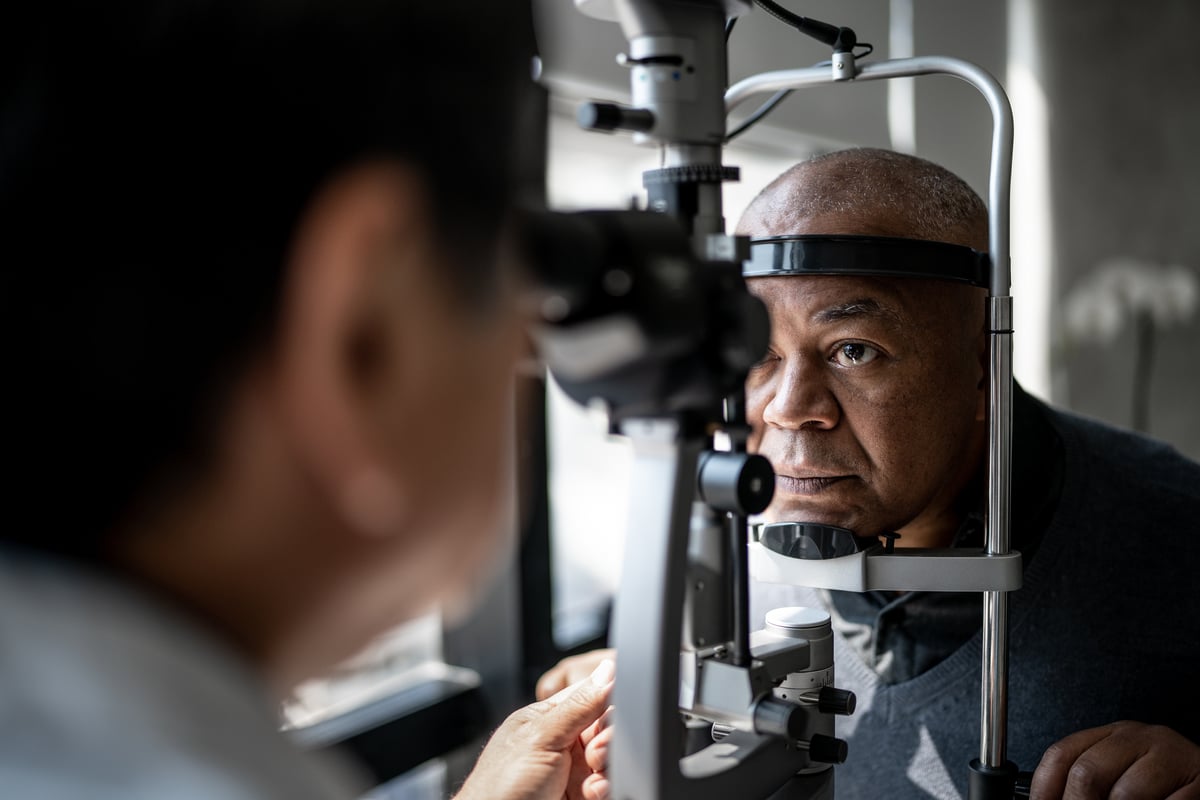
LENZ Therapeutics announced that it has submitted a Marketing Authorization Application, MAA, to the European Medicines Agency, EMA, for the review and approval of VIZZ 1.44%, the first and only aceclidine-based eye drop for the treatment of presbyopia in adults. If approved, the EMA's positive opinion would serve as a foundational step toward making VIZZ available to the millions of Europeans living with age-related blurry near vision. The submission of the MAA in Europe represents the fifth ex-U.S. regulatory submission for VIZZ. The MAA submission is supported by positive data from three randomized, double-masked, controlled Phase 3 studies conducted in the United States, in which VIZZ achieved all primary and secondary endpoints, demonstrating the ability to improve near vision within 30 minutes and last up to 10 hours. VIZZ was well tolerated with no serious treatment-related adverse events observed in over 30,000 treatment days across all three CLARITY trials.
Trade with 70% Backtested Accuracy
Analyst Views on LENZ

About LENZ
About the author


LENZ Therapeutics Q1 Earnings Announcement Scheduled

- Earnings Release Date: LENZ Therapeutics is set to announce its Q1 earnings on May 11th after market close, with a consensus EPS estimate of -$1.07, reflecting a concerning 101.9% year-over-year decline, indicating significant market challenges.
- Revenue Expectations Decline: The revenue estimate for Q1 stands at $1.76 million, with no upward revisions in the last three months and four downward adjustments, highlighting weak market demand and sales difficulties faced by the company.
- Earnings Estimate Volatility: Over the past three months, EPS estimates have seen one upward revision and three downward revisions, suggesting a lack of confidence among analysts regarding the company's profitability, which could influence investor decisions.
- Market Reaction: Despite the negative outlook, LENZ Therapeutics is still considered a speculative buy, as market interest in its future growth strategy may lead to stock price fluctuations.
Lenz Therapeutics Shares Drop Nearly 20% Following Earnings Miss
- Earnings Miss: Lenz Therapeutics reported fourth-quarter revenue of $1.59 million for fiscal 2025, significantly below analysts' expectations of $3.1 million, leading to a nearly 20% drop in stock price this week as investor sentiment soured.
- Widening Net Loss: The company's GAAP net loss deepened to $35.9 million ($1.16 per share), compared to a loss of $12.7 million in the same quarter last year, highlighting the financial strain of commercialization costs.
- Price Target Cuts: Citigroup and Bank of America both slashed their price targets for Lenz from $52 and $35 to $26 and $29 respectively, indicating growing concerns about the company's future profitability.
- Market Potential Assessment: Despite short-term challenges, analysts believe Lenz's VIZZ product has the potential to attract a large patient base, particularly for treating presbyopia, and suggest investors give the company more time to evaluate its marketing effectiveness.

LENZ THERAPEUTICS INC: BOFA GLOBAL RESEARCH LOWERS PRICE TARGET FROM $35 TO $29
- Price Reduction Announcement: Lenz Therapeutics has announced a price cut for its product, reducing the price from $35 to $29.
- Impact on Global Research: This price adjustment is part of a broader strategy to enhance accessibility and support global research initiatives.
LENZ Therapeutics Reports Strong Q4 2025 Earnings and Growth Prospects
- Product Sales Success: LENZ's VIZZ product has sold over 45,000 boxes in its early launch phase, prescribed by more than 10,000 eye care professionals, indicating strong market acceptance that exceeds recent eye care product launches.
- Strong Financial Position: As of the end of 2025, the company reported over $292.3 million in cash and cash equivalents, remaining debt-free, which supports future market expansion and product promotion efforts.
- Sales Team Expansion: The company plans to expand its sales force to 117 representatives to increase call frequency with existing prescribers and broaden the number of physicians covered, thereby driving market penetration of the product.
- Increased Market Awareness: Brand awareness among eye care professionals has reached 98%, with expectations to exceed 10,000 prescribing doctors by the end of Q1, indicating significant progress in consumer education and market promotion efforts.

LENZ Therapeutics Reports Strong Q4 2025 Financials and Product Launch Success
- Financial Health: LENZ Therapeutics ended 2025 with approximately $292.3 million in cash and equivalents, providing substantial resources for future investments, indicating a strong financial foundation post-product launch.
- Successful Product Launch: The VIZZ treatment generated approximately $1.6 million in revenue during its first quarter, with over 45,000 boxes sold and more than 10,000 prescribing eye care professionals, reflecting a gradual increase in market acceptance.
- Marketing Strategy: The direct-to-consumer campaign featuring Sarah Jessica Parker drove website traffic up to tenfold during national activations, significantly enhancing consumer engagement and expected to accelerate market penetration of the product.
- Increased Operating Expenses: Operating expenses rose to approximately $40 million in Q4, primarily due to the establishment of the sales force and the launch of VIZZ, yet the company is actively expanding its sales force to enhance physician engagement and accelerate product adoption.

Lenz Therapeutics Stock Plummets After Q4 Earnings Miss
- Earnings Miss: Lenz Therapeutics reported a Q4 loss of $1.16 per share on sales of only $1.6 million, significantly below analysts' expectations of a $0.90 loss and $3.1 million in sales, resulting in an 11.2% drop in stock price during early trading.
- Product Launch: The company launched VIZZ eye drops in October 2025, aimed at providing a medical alternative to reading glasses for presbyopia, with expectations of 45,000 prescriptions by Q1 2026, but Q4 uptake fell short of market expectations.
- Rising Expenses: The company's selling, general, and administrative expenses (SG&A) quadrupled during the initial sales push, putting pressure on profitability and causing investor anxiety regarding future earnings potential.
- Lack of Guidance: Management failed to provide clear guidance for 2026, particularly regarding prescription growth, leaving investors confused about the new product's market acceptance and contributing to the stock's decline.
LENZ Therapeutics Q1 Earnings Announcement Scheduled
- Earnings Release Date: LENZ Therapeutics is set to announce its Q1 earnings on May 11th after market close, with a consensus EPS estimate of -$1.07, reflecting a concerning 101.9% year-over-year decline, indicating significant market challenges.
- Revenue Expectations Decline: The revenue estimate for Q1 stands at $1.76 million, with no upward revisions in the last three months and four downward adjustments, highlighting weak market demand and sales difficulties faced by the company.
- Earnings Estimate Volatility: Over the past three months, EPS estimates have seen one upward revision and three downward revisions, suggesting a lack of confidence among analysts regarding the company's profitability, which could influence investor decisions.
- Market Reaction: Despite the negative outlook, LENZ Therapeutics is still considered a speculative buy, as market interest in its future growth strategy may lead to stock price fluctuations.
Lenz Therapeutics Shares Drop Nearly 20% Following Earnings Miss
- Earnings Miss: Lenz Therapeutics reported fourth-quarter revenue of $1.59 million for fiscal 2025, significantly below analysts' expectations of $3.1 million, leading to a nearly 20% drop in stock price this week as investor sentiment soured.
- Widening Net Loss: The company's GAAP net loss deepened to $35.9 million ($1.16 per share), compared to a loss of $12.7 million in the same quarter last year, highlighting the financial strain of commercialization costs.
- Price Target Cuts: Citigroup and Bank of America both slashed their price targets for Lenz from $52 and $35 to $26 and $29 respectively, indicating growing concerns about the company's future profitability.
- Market Potential Assessment: Despite short-term challenges, analysts believe Lenz's VIZZ product has the potential to attract a large patient base, particularly for treating presbyopia, and suggest investors give the company more time to evaluate its marketing effectiveness.
LENZ THERAPEUTICS INC: BOFA GLOBAL RESEARCH LOWERS PRICE TARGET FROM $35 TO $29
- Price Reduction Announcement: Lenz Therapeutics has announced a price cut for its product, reducing the price from $35 to $29.
- Impact on Global Research: This price adjustment is part of a broader strategy to enhance accessibility and support global research initiatives.
LENZ Therapeutics Reports Strong Q4 2025 Earnings and Growth Prospects
- Product Sales Success: LENZ's VIZZ product has sold over 45,000 boxes in its early launch phase, prescribed by more than 10,000 eye care professionals, indicating strong market acceptance that exceeds recent eye care product launches.
- Strong Financial Position: As of the end of 2025, the company reported over $292.3 million in cash and cash equivalents, remaining debt-free, which supports future market expansion and product promotion efforts.
- Sales Team Expansion: The company plans to expand its sales force to 117 representatives to increase call frequency with existing prescribers and broaden the number of physicians covered, thereby driving market penetration of the product.
- Increased Market Awareness: Brand awareness among eye care professionals has reached 98%, with expectations to exceed 10,000 prescribing doctors by the end of Q1, indicating significant progress in consumer education and market promotion efforts.
LENZ Therapeutics Reports Strong Q4 2025 Financials and Product Launch Success
- Financial Health: LENZ Therapeutics ended 2025 with approximately $292.3 million in cash and equivalents, providing substantial resources for future investments, indicating a strong financial foundation post-product launch.
- Successful Product Launch: The VIZZ treatment generated approximately $1.6 million in revenue during its first quarter, with over 45,000 boxes sold and more than 10,000 prescribing eye care professionals, reflecting a gradual increase in market acceptance.
- Marketing Strategy: The direct-to-consumer campaign featuring Sarah Jessica Parker drove website traffic up to tenfold during national activations, significantly enhancing consumer engagement and expected to accelerate market penetration of the product.
- Increased Operating Expenses: Operating expenses rose to approximately $40 million in Q4, primarily due to the establishment of the sales force and the launch of VIZZ, yet the company is actively expanding its sales force to enhance physician engagement and accelerate product adoption.
Lenz Therapeutics Stock Plummets After Q4 Earnings Miss
- Earnings Miss: Lenz Therapeutics reported a Q4 loss of $1.16 per share on sales of only $1.6 million, significantly below analysts' expectations of a $0.90 loss and $3.1 million in sales, resulting in an 11.2% drop in stock price during early trading.
- Product Launch: The company launched VIZZ eye drops in October 2025, aimed at providing a medical alternative to reading glasses for presbyopia, with expectations of 45,000 prescriptions by Q1 2026, but Q4 uptake fell short of market expectations.
- Rising Expenses: The company's selling, general, and administrative expenses (SG&A) quadrupled during the initial sales push, putting pressure on profitability and causing investor anxiety regarding future earnings potential.
- Lack of Guidance: Management failed to provide clear guidance for 2026, particularly regarding prescription growth, leaving investors confused about the new product's market acceptance and contributing to the stock's decline.