Laffont Sells CoreWeave Shares Amid Tech Focus
Written by Emily J. Thompson, Senior Investment Analyst
Updated: Feb 21 2026
0mins


Source: NASDAQ.COM
- Portfolio Adjustment: Billionaire Philippe Laffont bought shares of CoreWeave in Q1 last year but sold his entire position in Q4, indicating a strategic shift in his tech stock investments, likely to lock in gains and seek new growth opportunities.
- CoreWeave Performance: As an AI company, CoreWeave achieved triple-digit revenue growth and stock price gains, with Laffont's investment seeing an approximately 80% increase since its IPO, showcasing the success of his investment strategy.
- New Investment Direction: During the same quarter, Laffont pivoted to investing in biotech firm Moderna, which, despite struggling in recent years, saw its stock rise nearly 50% in January, reflecting Laffont's focus on emerging growth opportunities.
- Biotech Outlook: Moderna is developing multiple vaccines and conducting clinical trials; despite regulatory challenges, its innovative capabilities and potential market demand may offer long-term returns for investors, suggesting Laffont's investment strategy could benefit from this shift.
Trade with 70% Backtested Accuracy
Stop guessing "Should I Buy MRNA?" and start using high-conviction signals backed by rigorous historical data.
Sign up today to access powerful investing tools and make smarter, data-driven decisions.
Analyst Views on MRNA
Wall Street analysts forecast MRNA stock price to fall
20 Analyst Rating
1 Buy
16 Hold
3 Sell
Hold
Current: 46.880

Low
17.00
Averages
32.47
High
63.00
Current: 46.880
Low
17.00
Averages
32.47
High
63.00
About MRNA
Moderna, Inc. is a biotechnology company advancing a new class of medicines made of messenger ribonucleic acid (mRNA). It is engaged in developing medicines across infectious disease vaccines, oncology therapeutics and rare disease therapeutics. Its platform incorporates advances across three components, mRNA, delivery, and the manufacturing process, to advance its medicines. Its products are Spikevax and mNEXSPIKE (its COVID vaccines), and mRESVIA (its vaccine against respiratory syncytial virus (RSV)). It also has a diverse development pipeline that consists of 35 therapeutic and vaccine programs, six of which are in late-stage development. It has regulatory filings under review for its seasonal flu+COVID vaccine (mRNA-1083) in Europe and Canada and for its seasonal flu vaccine (mRNA-1010) in the United States, Europe, Canada and Australia. Its rare disease programs are Propionic acidemia (mRNA-3927); Methylmalonic acidemia (mRNA-3705), and Cystic Fibrosis (mRNA-3692/VX-522).
About the author

Emily J. Thompson
Emily J. Thompson, a Chartered Financial Analyst (CFA) with 12 years in investment research, graduated with honors from the Wharton School. Specializing in industrial and technology stocks, she provides in-depth analysis for Intellectia’s earnings and market brief reports.

FDA Advisory Panel to Discuss 2026-2027 COVID Vaccine Composition


- Vaccine Target Selection: The FDA's Vaccines and Related Biological Products Advisory Committee will vote this week on whether to select the SARS-CoV-2 subvariant XFG as the target for the 2026-2027 COVID vaccines, a decision that will directly influence future vaccine development directions.
- Variant Advantage Analysis: The XFG variant, which emerged from the JN.1 variant, is currently one of the dominant COVID strains in the U.S. and internationally, possessing a growth advantage over the previously dominant LP.8.1 variant, indicating the need for timely vaccine updates to address new challenges.
- Vaccine Production Readiness: In briefing documents released ahead of the meeting, the FDA noted that all licensed COVID vaccine manufacturers have indicated their readiness to produce XFG-targeting vaccines in time for the 2026-27 vaccination season, demonstrating the industry's ability to respond quickly to new variants.
- Vaccine Design Recommendations: Based on last year's VRBPAC recommendations, the FDA has advised vaccine manufacturers to design monovalent COVID vaccines targeting JN.1, preferably LP.8.1, to ensure that vaccines are timely updated to respond to the then-dominant strains, enhancing public health response capabilities.
See More

Workday and Lumentum Options Trading Active

- Workday Options Volume: Today, Workday Inc's options volume reached 24,792 contracts, representing approximately 2.5 million shares, which is 52.2% of its average daily trading volume of 4.8 million shares over the past month, indicating strong market interest in its future performance.
- High Put Option Activity: Within Workday, the $111 strike put option has seen particularly high activity, with 3,532 contracts traded today, equating to about 353,200 underlying shares, suggesting investor expectations of potential price declines.
- Lumentum Options Volume: Similarly, Lumentum Holdings Inc's options trading is robust, with 29,245 contracts traded, representing approximately 2.9 million shares, which accounts for 47% of its average daily trading volume of 6.2 million shares over the past month, reflecting strong market interest in its stock.
- Put Option Trading Details: For Lumentum, the $800 strike put option has recorded a trading volume of 1,375 contracts today, representing about 137,500 underlying shares, highlighting investor focus on potential price fluctuations ahead.
See More

Moderna's Flu Vaccine Approval Faces New Setback
- FDA Hearing Scheduled: The U.S. FDA plans to hold a Vaccines and Related Biological Products Advisory Committee meeting on June 18 to discuss Moderna's mRNA-1010 flu vaccine, just weeks ahead of the August 5 target date for approval, adding uncertainty to the approval process.
- Application Rejection and Reversal: Although the FDA rejected Moderna's biologics license application in February, it reversed its decision a week later, highlighting the complexity and volatility of the approval process, which has impacted investor confidence.
- Market Reaction: Following the FDA's announcement of the hearing, Moderna's shares fell over 2% on Thursday, reflecting market concerns about the vaccine's approval prospects, despite the stock gaining over 82% in the past 12 months.
- Vaccine Launch Plans: Moderna aims to make the vaccine available for adults aged 50 and older in time for the 2026-27 flu season, indicating the company's focus on the market potential among older demographics while facing regulatory challenges.
See More
Moderna's Flu Vaccine Application Set for FDA Review
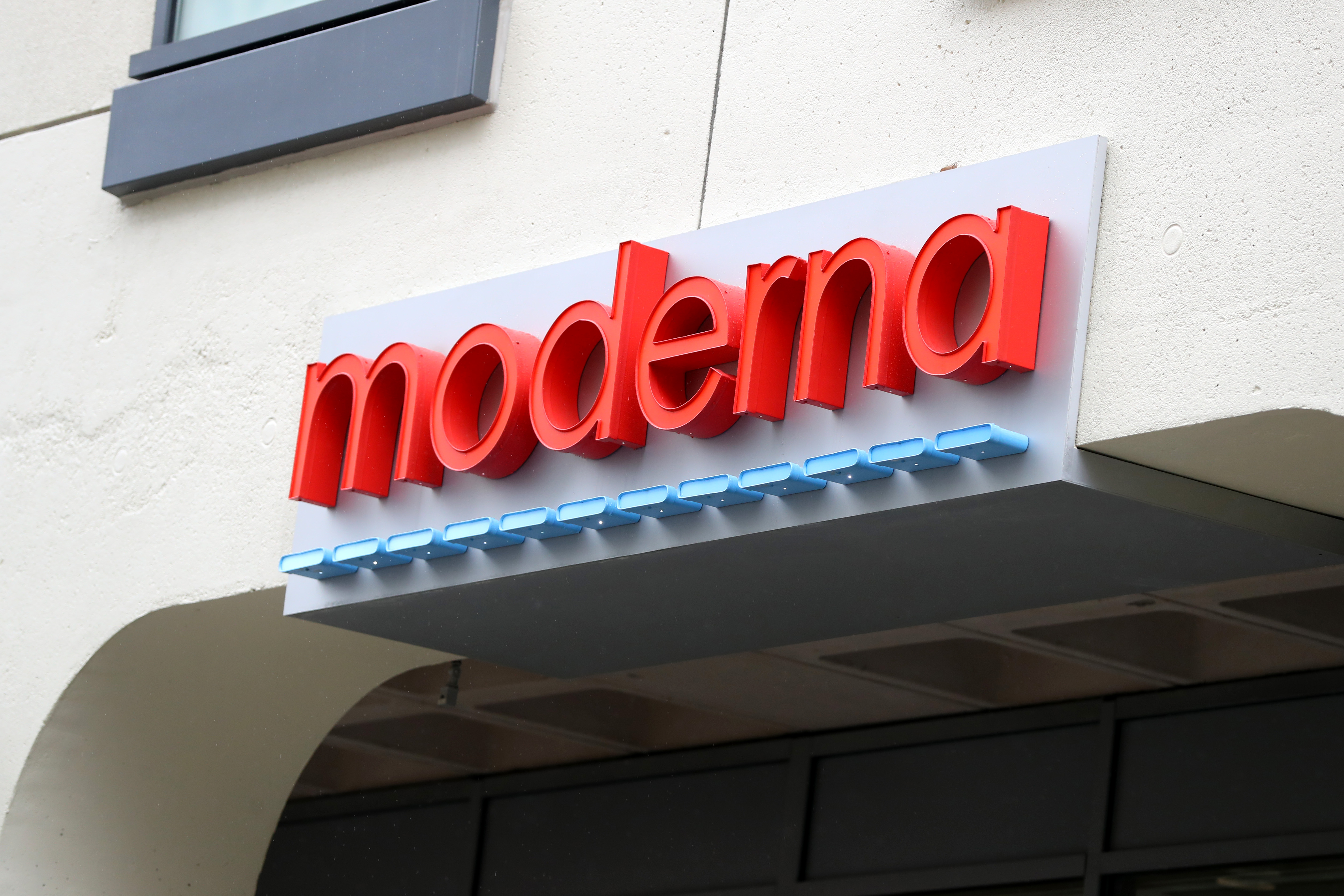
- FDA Review Meeting Scheduled: Moderna's marketing application for its flu vaccine, mRNA-1010, will be reviewed by independent FDA experts next month, with the meeting set for June 18, marking a significant advancement in the company's vaccine development.
- Biologics License Application Accepted: In February, the FDA accepted Moderna's biologics license application, reversing a prior decision to refuse review, indicating a renewed assessment of the vaccine's potential by the regulatory body.
- Target Action Date Established: The FDA has set August 5, 2026, as the target action date related to the biologics license application, aiming to provide vaccination for adults aged 50 and older for the 2026/2027 flu season.
- Clinical Trial Data Requirements: The FDA previously issued a refusal-to-file letter due to a lack of data from an 'adequate and well-controlled' clinical trial, underscoring the stringent data requirements that must be met before vaccine approval.
See More

CDC Immunization Committee Charter Rescinded
- Charter Rescission Reason: The HHS announced the rescission of the CDC's Advisory Committee on Immunization Practices charter due to an administrative error in meeting revised public notification timing requirements under the Federal Advisory Committee Act, necessitating the re-establishment of the committee and highlighting management failures.
- Committee Member Changes: In June 2025, HHS Secretary Robert F. Kennedy Jr. dismissed all 17 committee members at the time and replaced them with his chosen individuals with minimal scrutiny, raising concerns about the transparency of the committee's operations.
- Court Ruling Impact: A federal judge's stay in March 2023 on the appointment of Kennedy's 13 new ACIP members and the proposed changes to the childhood vaccination schedule illustrates the tension between political and public health policies.
- Complex Political Context: The Trump administration has appealed this ruling, reflecting the contentious nature of current vaccination policies and their potential impact on public health, while also underscoring the significant role of political factors in healthcare decision-making.
See More

Anti-Vaccine Bills Fail Amid Public Health Advocacy
- Anti-Vaccine Bill Failures: Dozens of anti-vaccine bills backed by the 'Make America Healthy Again' coalition have failed, indicating limited political power among supporters and showcasing the effectiveness of public health advocacy.
- Public Support for Vaccination: A February poll revealed that a bipartisan majority of Americans favor school vaccination mandates and view vaccines as safe for children, which has hindered the progress of anti-vaccine legislation in several states.
- Legislative Dynamics Shift: Despite a surge in anti-vaccine bills, particularly in states like Idaho and West Virginia, none have passed, underscoring the prioritization of public health policies over anti-vaccine initiatives.
- Future Legislative Expectations: Both public health advocates and anti-vaccine proponents anticipate ongoing debates over vaccine policies in state legislatures, suggesting that the influence of the anti-vaccine movement is rising and may lead to more proposed legislation.
See More
FDA Advisory Panel to Discuss 2026-2027 COVID Vaccine Composition
- Vaccine Target Selection: The FDA's Vaccines and Related Biological Products Advisory Committee will vote this week on whether to select the SARS-CoV-2 subvariant XFG as the target for the 2026-2027 COVID vaccines, a decision that will directly influence future vaccine development directions.
- Variant Advantage Analysis: The XFG variant, which emerged from the JN.1 variant, is currently one of the dominant COVID strains in the U.S. and internationally, possessing a growth advantage over the previously dominant LP.8.1 variant, indicating the need for timely vaccine updates to address new challenges.
- Vaccine Production Readiness: In briefing documents released ahead of the meeting, the FDA noted that all licensed COVID vaccine manufacturers have indicated their readiness to produce XFG-targeting vaccines in time for the 2026-27 vaccination season, demonstrating the industry's ability to respond quickly to new variants.
- Vaccine Design Recommendations: Based on last year's VRBPAC recommendations, the FDA has advised vaccine manufacturers to design monovalent COVID vaccines targeting JN.1, preferably LP.8.1, to ensure that vaccines are timely updated to respond to the then-dominant strains, enhancing public health response capabilities.
See More
Workday and Lumentum Options Trading Active
- Workday Options Volume: Today, Workday Inc's options volume reached 24,792 contracts, representing approximately 2.5 million shares, which is 52.2% of its average daily trading volume of 4.8 million shares over the past month, indicating strong market interest in its future performance.
- High Put Option Activity: Within Workday, the $111 strike put option has seen particularly high activity, with 3,532 contracts traded today, equating to about 353,200 underlying shares, suggesting investor expectations of potential price declines.
- Lumentum Options Volume: Similarly, Lumentum Holdings Inc's options trading is robust, with 29,245 contracts traded, representing approximately 2.9 million shares, which accounts for 47% of its average daily trading volume of 6.2 million shares over the past month, reflecting strong market interest in its stock.
- Put Option Trading Details: For Lumentum, the $800 strike put option has recorded a trading volume of 1,375 contracts today, representing about 137,500 underlying shares, highlighting investor focus on potential price fluctuations ahead.
See More
Moderna's Flu Vaccine Approval Faces New Setback
- FDA Hearing Scheduled: The U.S. FDA plans to hold a Vaccines and Related Biological Products Advisory Committee meeting on June 18 to discuss Moderna's mRNA-1010 flu vaccine, just weeks ahead of the August 5 target date for approval, adding uncertainty to the approval process.
- Application Rejection and Reversal: Although the FDA rejected Moderna's biologics license application in February, it reversed its decision a week later, highlighting the complexity and volatility of the approval process, which has impacted investor confidence.
- Market Reaction: Following the FDA's announcement of the hearing, Moderna's shares fell over 2% on Thursday, reflecting market concerns about the vaccine's approval prospects, despite the stock gaining over 82% in the past 12 months.
- Vaccine Launch Plans: Moderna aims to make the vaccine available for adults aged 50 and older in time for the 2026-27 flu season, indicating the company's focus on the market potential among older demographics while facing regulatory challenges.
See More
Moderna's Flu Vaccine Application Set for FDA Review
- FDA Review Meeting Scheduled: Moderna's marketing application for its flu vaccine, mRNA-1010, will be reviewed by independent FDA experts next month, with the meeting set for June 18, marking a significant advancement in the company's vaccine development.
- Biologics License Application Accepted: In February, the FDA accepted Moderna's biologics license application, reversing a prior decision to refuse review, indicating a renewed assessment of the vaccine's potential by the regulatory body.
- Target Action Date Established: The FDA has set August 5, 2026, as the target action date related to the biologics license application, aiming to provide vaccination for adults aged 50 and older for the 2026/2027 flu season.
- Clinical Trial Data Requirements: The FDA previously issued a refusal-to-file letter due to a lack of data from an 'adequate and well-controlled' clinical trial, underscoring the stringent data requirements that must be met before vaccine approval.
See More
CDC Immunization Committee Charter Rescinded
- Charter Rescission Reason: The HHS announced the rescission of the CDC's Advisory Committee on Immunization Practices charter due to an administrative error in meeting revised public notification timing requirements under the Federal Advisory Committee Act, necessitating the re-establishment of the committee and highlighting management failures.
- Committee Member Changes: In June 2025, HHS Secretary Robert F. Kennedy Jr. dismissed all 17 committee members at the time and replaced them with his chosen individuals with minimal scrutiny, raising concerns about the transparency of the committee's operations.
- Court Ruling Impact: A federal judge's stay in March 2023 on the appointment of Kennedy's 13 new ACIP members and the proposed changes to the childhood vaccination schedule illustrates the tension between political and public health policies.
- Complex Political Context: The Trump administration has appealed this ruling, reflecting the contentious nature of current vaccination policies and their potential impact on public health, while also underscoring the significant role of political factors in healthcare decision-making.
See More
Anti-Vaccine Bills Fail Amid Public Health Advocacy
- Anti-Vaccine Bill Failures: Dozens of anti-vaccine bills backed by the 'Make America Healthy Again' coalition have failed, indicating limited political power among supporters and showcasing the effectiveness of public health advocacy.
- Public Support for Vaccination: A February poll revealed that a bipartisan majority of Americans favor school vaccination mandates and view vaccines as safe for children, which has hindered the progress of anti-vaccine legislation in several states.
- Legislative Dynamics Shift: Despite a surge in anti-vaccine bills, particularly in states like Idaho and West Virginia, none have passed, underscoring the prioritization of public health policies over anti-vaccine initiatives.
- Future Legislative Expectations: Both public health advocates and anti-vaccine proponents anticipate ongoing debates over vaccine policies in state legislatures, suggesting that the influence of the anti-vaccine movement is rising and may lead to more proposed legislation.
See More