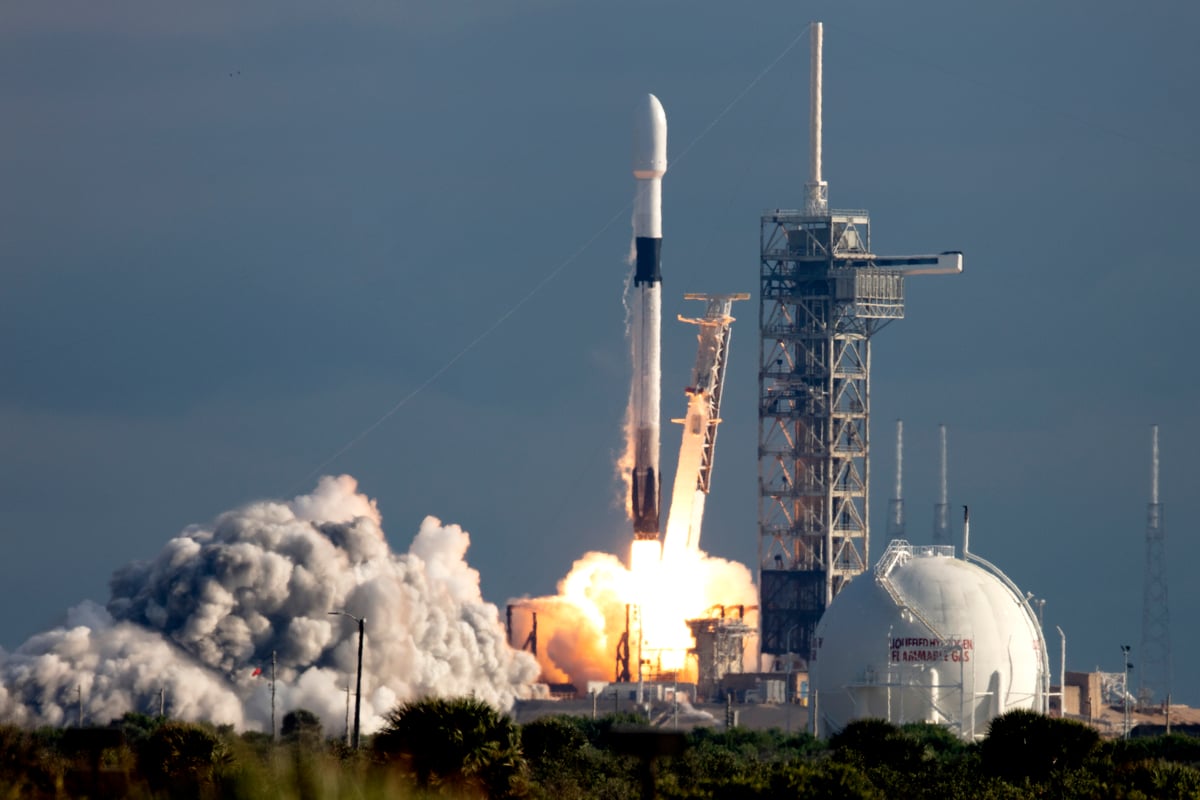
Kratos Defense (KTOS) Stock Plummets 9% Amid Greenland Controversy
Written by Emily J. Thompson, Senior Investment Analyst
Updated: Jan 21 2026
0mins
Should l Buy KTOS?
Source: Fool
- Stock Plunge: Kratos Defense (KTOS) saw its stock price drop 9% by 12:25 p.m. ET on Wednesday, currently priced at $116.90, raising concerns about its future outlook.
- European Defense Risk: In light of Trump's proposal to purchase Greenland, European leaders may accelerate defense spending or shift military hardware purchases, potentially jeopardizing Kratos's revenue from Europe.
- Revenue Structure Analysis: According to S&P Global Market Intelligence, only 4% of Kratos's revenue comes from arms sales to Europe, while 83% is derived from North America, indicating a lower dependency on the European market.
- Investor Confidence: Despite the stock drop, analysts believe Kratos's fundamentals remain largely unaffected, suggesting that investors should not rush to sell the stock due to the Greenland controversy.
Trade with 70% Backtested Accuracy
Stop guessing "Should I Buy KTOS?" and start using high-conviction signals backed by rigorous historical data.
Sign up today to access powerful investing tools and make smarter, data-driven decisions.
Analyst Views on KTOS
Wall Street analysts forecast KTOS stock price to rise
13 Analyst Rating
11 Buy
2 Hold
0 Sell
Strong Buy
Current: 67.700

Low
80.00
Averages
108.69
High
150.00
Current: 67.700
Low
80.00
Averages
108.69
High
150.00
About KTOS
Kratos Defense & Security Solutions, Inc. is a technology, products, system and software company addressing the defense, national security, and commercial markets. It operates through two segments: Kratos Government Solutions (KGS) and Unmanned Systems (US). The KGS segment includes its microwave electronic products, space, satellite and cyber, training solutions, command, control, communication, computing, combat, intelligence surveillance and reconnaissance (C5ISR)/modular systems, turbine technologies, and defense and rocket support services operating segments. The US segment consists of its unmanned aerial, unmanned ground, unmanned seaborne and related command, control and communications system businesses. Its KGS and US segments provide products, solutions and services for mission-critical National Security programs. KGS and US customers primarily include National Security-related agencies, the DoD, intelligence agencies and classified agencies, and others.
About the author

Emily J. Thompson
Emily J. Thompson, a Chartered Financial Analyst (CFA) with 12 years in investment research, graduated with honors from the Wharton School. Specializing in industrial and technology stocks, she provides in-depth analysis for Intellectia’s earnings and market brief reports.
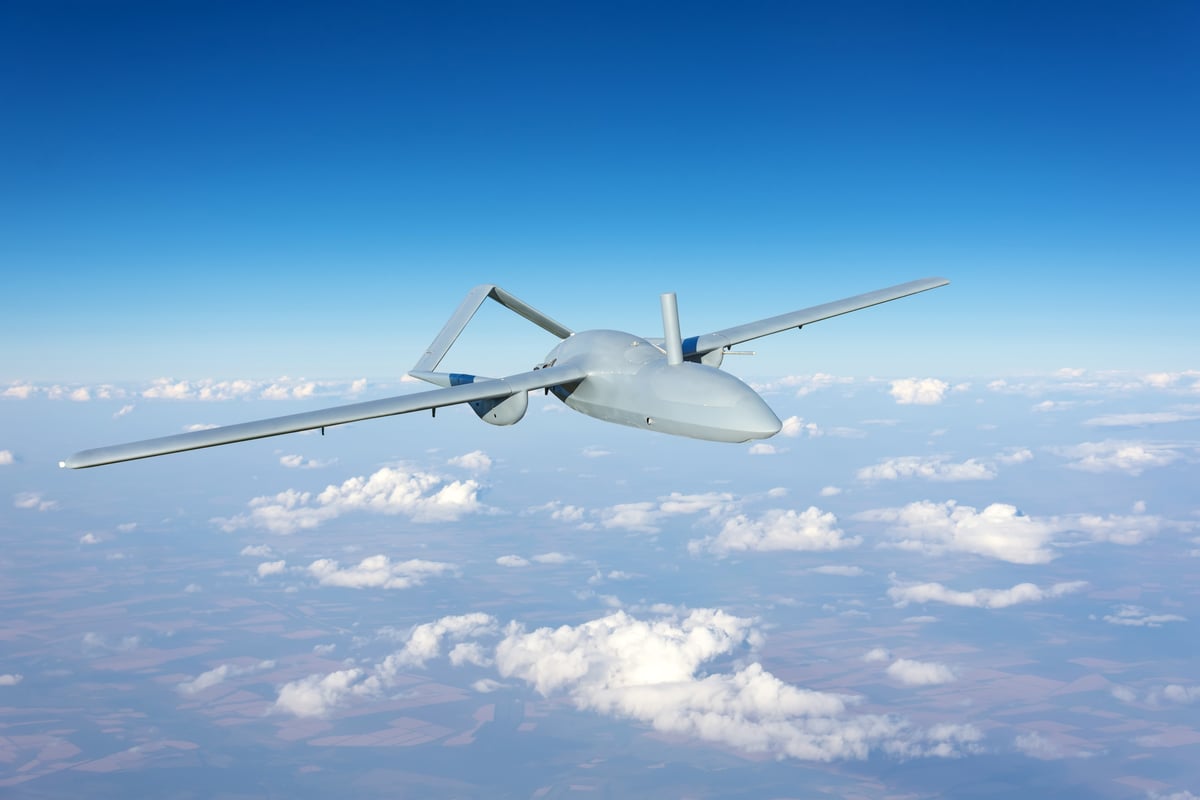
Kratos Defense Stock Continues Decline Amid Insider Sales
- Stock Decline: Kratos Defense & Security Solutions has seen its stock decline for the past 10 weeks, with a nearly 6% drop this morning before recovering to a 1.9% increase, yet it remains down 46% since mid-January, indicating investor concerns about its future outlook.
- Insider Selling: Chairman William Hoglund disclosed the sale of 91,500 shares yesterday, valued at approximately $6.5 million, raising questions about insider confidence as the company's market cap stands at $13 billion.
- Valuation Risks: Despite Kratos being well-positioned in the global military technology market, its forward P/E ratio remains high at about 85 times based on 2026 projections, prompting investors to be cautious of potential overvaluation amid market fluctuations.
- Market Reaction Analysis: Initial panic from insider sales led to a drop in stock price, but investors reversed course upon realizing the sales were not significant, reflecting a complex view of Kratos's future potential in the market.
See More

Kratos Insiders Execute Large Share Sales Amid Declining Stock Trend
- Insider Selling Impact: Kratos Chairman William Hoglund disclosed the sale of 91,500 shares valued at approximately $6.5 million yesterday, which, while not significantly impacting stock prices, reflects insider concerns about the company's future prospects.
- Stock Price Decline: Kratos shares have been on a downward trend for the past 10 weeks, dropping nearly 6% this morning before recovering 1.9%, yet the stock is down 46% since mid-January, indicating market caution regarding its high valuation.
- Valuation Risks: With a forward P/E ratio still at 85 times, despite the stock price decline, investors should be wary of the potential for further downside, especially as global military demand is expected to rebound.
- Cautious Investment Advice: Although Kratos is well-positioned in the drone and military technology sectors, it has been excluded from the analyst team's list of
See More
Kratos Defense Shares Continue Decline Amid Market Focus
- Stock Decline: Shares of Kratos Defense have continued to slide, dropping 7.1% as of 12:25 p.m. ET, with a total decline exceeding 22% over the past month, indicating market concerns about its future performance amidst military actions in the Middle East.
- Insider Trading: Stacey Rock, president of Kratos' Turbine Technologies Division, sold 4,000 shares last week as part of a prearranged trading plan from June, which raises questions about investor confidence, although he still owns nearly 22,000 shares.
- Valuation Correction: Despite Kratos' stock nearly tripling last year and peaking at a 300% increase in 2025, it currently trades at a high price-to-sales ratio of over 7.5, raising concerns about its valuation even as sales are expected to grow by over 20% next year.
- Long-term Investment Potential: While Kratos is viewed as a speculative investment, the anticipated rapid growth in earnings suggests it could be a worthwhile long-term hold within a diversified portfolio.
See More

XMMO Stock Performance Analysis and ETF Dynamics

- Price Fluctuation Analysis: XMMO's 52-week low is $97.50 and high is $152.42, with the last trade at $141.55, indicating price volatility near the high point which may influence investor buying decisions.
- Technical Analysis Tool: Comparing the current stock price to the 200-day moving average can provide valuable insights for investors, aiding in market trend assessment and potential buying opportunities.
- ETF Trading Mechanism: Exchange-traded funds (ETFs) trade in 'units' rather than shares, which can be created or destroyed based on investor demand, reflecting changes in market interest for the ETF.
- Inflows and Outflows Monitoring: Weekly monitoring of changes in shares outstanding for ETFs highlights significant inflows (new units created) or outflows (old units destroyed), directly impacting the buying and selling strategies of the underlying assets held within the ETFs.
See More

Integrated AI System Accelerates Defense Decision-Making


- Market Growth Potential: The global autonomous defense platforms market is projected to grow from $69.8 billion in 2026 to $198.9 billion by 2034, reflecting a robust annual growth rate of approximately 14%, indicating strong demand and investment in autonomous systems within the defense sector.
- Technological Integration Progress: VisionWave Holdings Inc. is developing an integrated multi-domain intelligence platform that encompasses autonomous systems and AI infrastructure, aiming to enhance its competitiveness in defense, energy, and intelligent monitoring sectors while expanding into broader intelligence applications.
- Collaboration and Innovation: GE Aerospace and Palantir Technologies have entered into a multi-year partnership aimed at enhancing military aviation readiness for the U.S. Air Force by optimizing production processes through AI technology, thereby improving overall operational efficiency and mission readiness.
- Emerging Market Opportunities: Kratos Defense has been selected by SKY Perfect JSAT to develop a 5G Non-Terrestrial Network ground system, marking a significant step towards the satellite industry's transition to 5G technology, which is expected to drive market expansion and cost reductions in the Asia-Pacific region.
See More
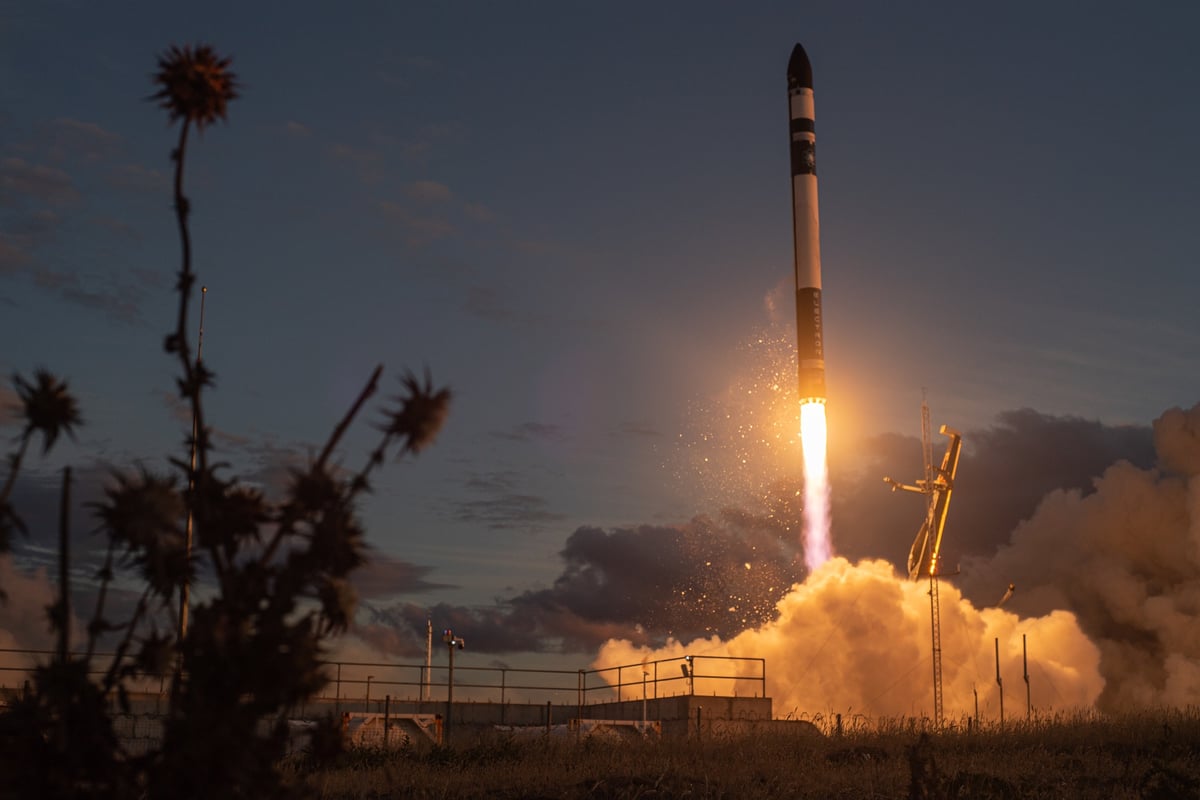
Rocket Lab Secures $190 Million Contract for Hypersonic Rocket Launches
- Record Contract Value: Rocket Lab has secured a $190 million contract with the Department of Defense to conduct 20 hypersonic rocket launches over four years, marking the company's largest launch agreement to date and enhancing its market position.
- Increased Launch Frequency: The contract sets the launch cost at $9.5 million each, significantly up from the previous $8.4 million, reflecting the ongoing demand for small rocket launches and is expected to substantially boost the company's profit margins.
- Success Rate Assurance: Rocket Lab has already completed seven HASTE missions with a 100% success rate, providing strong confidence for the execution of the new contract and further solidifying its technological edge in hypersonic weapon development.
- Enhanced Market Competitiveness: With the increase in launch prices, Rocket Lab's launch division gross margin has surpassed 40%, exceeding the 31% margin of its satellite manufacturing division, indicating a significant improvement in profitability that may exceed Wall Street analysts' expectations.
See More
Kratos Defense Stock Continues Decline Amid Insider Sales
- Stock Decline: Kratos Defense & Security Solutions has seen its stock decline for the past 10 weeks, with a nearly 6% drop this morning before recovering to a 1.9% increase, yet it remains down 46% since mid-January, indicating investor concerns about its future outlook.
- Insider Selling: Chairman William Hoglund disclosed the sale of 91,500 shares yesterday, valued at approximately $6.5 million, raising questions about insider confidence as the company's market cap stands at $13 billion.
- Valuation Risks: Despite Kratos being well-positioned in the global military technology market, its forward P/E ratio remains high at about 85 times based on 2026 projections, prompting investors to be cautious of potential overvaluation amid market fluctuations.
- Market Reaction Analysis: Initial panic from insider sales led to a drop in stock price, but investors reversed course upon realizing the sales were not significant, reflecting a complex view of Kratos's future potential in the market.
See More
Kratos Insiders Execute Large Share Sales Amid Declining Stock Trend
- Insider Selling Impact: Kratos Chairman William Hoglund disclosed the sale of 91,500 shares valued at approximately $6.5 million yesterday, which, while not significantly impacting stock prices, reflects insider concerns about the company's future prospects.
- Stock Price Decline: Kratos shares have been on a downward trend for the past 10 weeks, dropping nearly 6% this morning before recovering 1.9%, yet the stock is down 46% since mid-January, indicating market caution regarding its high valuation.
- Valuation Risks: With a forward P/E ratio still at 85 times, despite the stock price decline, investors should be wary of the potential for further downside, especially as global military demand is expected to rebound.
- Cautious Investment Advice: Although Kratos is well-positioned in the drone and military technology sectors, it has been excluded from the analyst team's list of
See More
Kratos Defense Shares Continue Decline Amid Market Focus
- Stock Decline: Shares of Kratos Defense have continued to slide, dropping 7.1% as of 12:25 p.m. ET, with a total decline exceeding 22% over the past month, indicating market concerns about its future performance amidst military actions in the Middle East.
- Insider Trading: Stacey Rock, president of Kratos' Turbine Technologies Division, sold 4,000 shares last week as part of a prearranged trading plan from June, which raises questions about investor confidence, although he still owns nearly 22,000 shares.
- Valuation Correction: Despite Kratos' stock nearly tripling last year and peaking at a 300% increase in 2025, it currently trades at a high price-to-sales ratio of over 7.5, raising concerns about its valuation even as sales are expected to grow by over 20% next year.
- Long-term Investment Potential: While Kratos is viewed as a speculative investment, the anticipated rapid growth in earnings suggests it could be a worthwhile long-term hold within a diversified portfolio.
See More
XMMO Stock Performance Analysis and ETF Dynamics
- Price Fluctuation Analysis: XMMO's 52-week low is $97.50 and high is $152.42, with the last trade at $141.55, indicating price volatility near the high point which may influence investor buying decisions.
- Technical Analysis Tool: Comparing the current stock price to the 200-day moving average can provide valuable insights for investors, aiding in market trend assessment and potential buying opportunities.
- ETF Trading Mechanism: Exchange-traded funds (ETFs) trade in 'units' rather than shares, which can be created or destroyed based on investor demand, reflecting changes in market interest for the ETF.
- Inflows and Outflows Monitoring: Weekly monitoring of changes in shares outstanding for ETFs highlights significant inflows (new units created) or outflows (old units destroyed), directly impacting the buying and selling strategies of the underlying assets held within the ETFs.
See More
Integrated AI System Accelerates Defense Decision-Making
- Market Growth Potential: The global autonomous defense platforms market is projected to grow from $69.8 billion in 2026 to $198.9 billion by 2034, reflecting a robust annual growth rate of approximately 14%, indicating strong demand and investment in autonomous systems within the defense sector.
- Technological Integration Progress: VisionWave Holdings Inc. is developing an integrated multi-domain intelligence platform that encompasses autonomous systems and AI infrastructure, aiming to enhance its competitiveness in defense, energy, and intelligent monitoring sectors while expanding into broader intelligence applications.
- Collaboration and Innovation: GE Aerospace and Palantir Technologies have entered into a multi-year partnership aimed at enhancing military aviation readiness for the U.S. Air Force by optimizing production processes through AI technology, thereby improving overall operational efficiency and mission readiness.
- Emerging Market Opportunities: Kratos Defense has been selected by SKY Perfect JSAT to develop a 5G Non-Terrestrial Network ground system, marking a significant step towards the satellite industry's transition to 5G technology, which is expected to drive market expansion and cost reductions in the Asia-Pacific region.
See More
Rocket Lab Secures $190 Million Contract for Hypersonic Rocket Launches
- Record Contract Value: Rocket Lab has secured a $190 million contract with the Department of Defense to conduct 20 hypersonic rocket launches over four years, marking the company's largest launch agreement to date and enhancing its market position.
- Increased Launch Frequency: The contract sets the launch cost at $9.5 million each, significantly up from the previous $8.4 million, reflecting the ongoing demand for small rocket launches and is expected to substantially boost the company's profit margins.
- Success Rate Assurance: Rocket Lab has already completed seven HASTE missions with a 100% success rate, providing strong confidence for the execution of the new contract and further solidifying its technological edge in hypersonic weapon development.
- Enhanced Market Competitiveness: With the increase in launch prices, Rocket Lab's launch division gross margin has surpassed 40%, exceeding the 31% margin of its satellite manufacturing division, indicating a significant improvement in profitability that may exceed Wall Street analysts' expectations.
See More