Kimberly-Clark Announces Organizational Structure Post Kenvue Acquisition
Kimberly-Clark (KMB) announced the organizational structure and key leadership that will become effective upon completion of its pending acquisition of Kenvue (KVUE). After close, the combined company will operate with four business segments: North America, a business generating approximately $18.0B in sales annually; Asia Pacific Focus Markets, which will include Greater China, Australia / New Zealand, South Korea, and Indonesia, generating approximately $4.3B in annual sales; Europe, Middle East, and Africa, or EMEA, with approximately $5.0B in annual sales; and Enterprise Markets, which will include Latin America, India, Southeast Asia markets, and Japan, generating approximately $4.3B in annual sales. Hsu will continue to serve as Chairman and CEO of the combined company. The transaction remains on track to close in the second half of 2026, subject to the receipt of regulatory approvals and satisfaction of other remaining customary closing conditions.
Trade with 70% Backtested Accuracy
Analyst Views on KMB

About KMB
About the author


Mammoth Brands Takes on Traditional CPG Giants


- Significant Revenue Growth: Mammoth Brands anticipates reaching $835 million in revenue for 2024, with nearly $100 million in adjusted EBITDA, reflecting a robust compound annual growth rate exceeding 20%, indicating the success of its business model and increasing market acceptance.
- IPO Plans Emerging: The company is considering an initial public offering in the second half of 2024, aiming to attract a broader investor base and enhance its capital structure to support brand investments and market expansion, showcasing confidence in its future growth.
- Ongoing Acquisition Strategy: In 2025, Mammoth acquired the premium diaper brand Coterie for over $1 billion, with Coterie reporting over $200 million in net revenue over the past year, a nearly 60% increase, highlighting Mammoth's proactive approach to expanding its product lines and market share.
- Intensifying Market Competition: As smaller brands rise, traditional CPG giants face unprecedented challenges, with Mammoth redefining consumer expectations in personal care through its direct-to-consumer model and innovative products, driving industry transformation.

US Stocks Plunge Sharply, Tech Sector Under Pressure


- Market Decline: The S&P 500 fell 2.64% and the Nasdaq 100 dropped 4.77%, indicating a significant loss of investor confidence in tech stocks, particularly as AI infrastructure and semiconductor companies faced sell-offs, which could impact future investment strategies.
- Strong Employment Data: US nonfarm payrolls rose by 172,000 in May, significantly exceeding expectations of 88,000, while the unemployment rate held steady at 4.3%, potentially prompting the Fed to consider a rate hike at the upcoming meeting, thereby affecting market liquidity and investor sentiment.
- Rising Bond Yields: The 10-year Treasury yield climbed to 4.55%, a two-week high, reflecting heightened expectations for future rate hikes, which may lead to capital outflows from the stock market, further exacerbating market volatility.
- Tech Stock Retreat: Following Broadcom's disappointing chip sales outlook, Marvell and Micron stocks plummeted over 16% and 13%, respectively, suggesting that the market's overly optimistic sentiment towards tech stocks may be correcting, impacting investor confidence.

U.S. Soccer Captain Shares Bedwetting Experience to Normalize Childhood Accidents

- Personal Experience Sharing: U.S. pro soccer captain Tim Ream publicly shares his childhood bedwetting experience for the first time, aiming to help children eliminate the shame associated with nighttime accidents, thereby boosting their confidence and courage.
- Brand Collaboration: Ream partners with Goodnites®, the leading nighttime underwear brand, to convey the message that nighttime accidents are a normal part of childhood development, emphasizing the importance of family support.
- Positive Impact: Through this initiative, Ream hopes to encourage more families to approach children's bedwetting issues with a positive mindset, helping kids overcome psychological barriers and pursue their dreams during their growth.
- Social Responsibility: As a respected athlete and father, Ream leverages his influence to raise public awareness about children's bedwetting issues, promoting societal understanding and acceptance of this topic.

Jim Cramer Highlights Undervalued Stocks Amid Tech Fatigue


- Investment Opportunity Identification: Jim Cramer highlights that as tech stocks lose momentum, investors should focus on undervalued stocks, particularly JPMorgan Chase, which is trading at a forward P/E of about 13, down from 15 at the start of the year, indicating its attractiveness.
- Healthcare Sector Potential: Cramer believes Johnson & Johnson may present a more appealing investment option due to its drug pipeline and growing medical technology business, although he remains positive on Eli Lilly as well.
- Consumer Goods Stability: Cramer favors Kimberly-Clark for its strong brand portfolio and attractive dividend yield, with the planned merger with Kenvue expected to further enhance its market position.
- Restaurant Sector Rebound: Cramer points to McDonald's and Yum! Brands, arguing that the tech sector's popularity has undervalued these stocks, particularly with Yum! Brands considering the sale of Pizza Hut, which sweetens its investment case.

Investors Should Consider Out-of-Favor Sectors

- Investment Opportunity Identification: CNBC's Jim Cramer suggests that investors should consider out-of-favor sectors, particularly as tech stocks may retreat, highlighting potential beneficiaries like JPMorgan, Johnson & Johnson, Kimberly-Clark, McDonald's, Yum! Brands, and Kraft Heinz.
- Financial Sector Potential: Cramer points out that JPMorgan's forward P/E ratio is around 13 times, down from 15 at the beginning of the year, and despite a 7% decline year-to-date, its value as a quality franchise remains attractive, indicating investment opportunities amid economic slowdown concerns.
- Healthcare Sector Outlook: Cramer believes Johnson & Johnson's drug pipeline and growing medical technology business present significant growth potential, suggesting it may offer a more attractive investment opportunity than Eli Lilly, while advising investors to buy slowly due to market uncertainties.
- Consumer Goods and Restaurant Sector: Cramer highlights Kimberly-Clark's household brand portfolio and appealing dividend yield, along with the investment value of McDonald's and Yum! Brands, particularly with Yum! potentially selling Pizza Hut, which enhances its investment appeal.
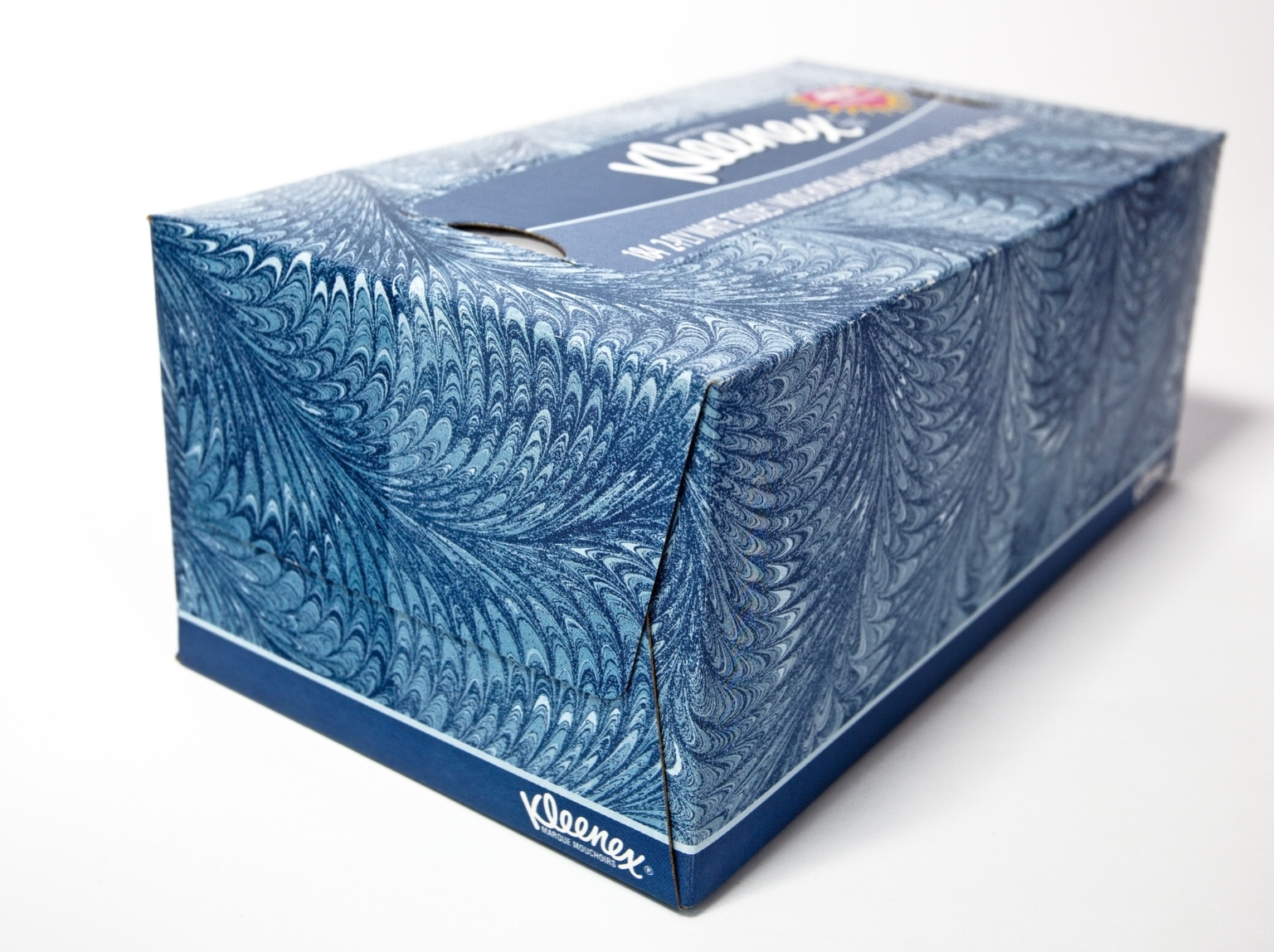
Kimberly-Clark's $49 Billion Kenvue Acquisition Faces Antitrust Scrutiny

- Antitrust Review Request: China's State Administration for Market Regulation has requested additional information regarding Kimberly-Clark's planned $49 billion acquisition of Kenvue following a formal complaint from antitrust expert Liu Xu, indicating heightened regulatory scrutiny that could impact the deal's timeline.
- Expert Complaint Context: Liu Xu's complaint has prompted the regulator to potentially slow down its fast-track review process, although it remains unclear whether this will significantly delay the review, introducing uncertainty for Kimberly-Clark ahead of the transaction's completion.
- Deal Size and Impact: The acquisition is expected to close in the second half of 2026, creating a projected $32 billion revenue leader in health and personal care by combining the strengths of two major global consumer goods players, which could reshape the market landscape.
- Market Reaction and Future Outlook: Kimberly-Clark is set to present at the Deutsche Bank Consumer Conference, and despite facing regulatory challenges, the strategic integration in the health and personal care sector is viewed as a long-term growth opportunity, warranting investor attention on subsequent developments.
Mammoth Brands Takes on Traditional CPG Giants
- Significant Revenue Growth: Mammoth Brands anticipates reaching $835 million in revenue for 2024, with nearly $100 million in adjusted EBITDA, reflecting a robust compound annual growth rate exceeding 20%, indicating the success of its business model and increasing market acceptance.
- IPO Plans Emerging: The company is considering an initial public offering in the second half of 2024, aiming to attract a broader investor base and enhance its capital structure to support brand investments and market expansion, showcasing confidence in its future growth.
- Ongoing Acquisition Strategy: In 2025, Mammoth acquired the premium diaper brand Coterie for over $1 billion, with Coterie reporting over $200 million in net revenue over the past year, a nearly 60% increase, highlighting Mammoth's proactive approach to expanding its product lines and market share.
- Intensifying Market Competition: As smaller brands rise, traditional CPG giants face unprecedented challenges, with Mammoth redefining consumer expectations in personal care through its direct-to-consumer model and innovative products, driving industry transformation.
US Stocks Plunge Sharply, Tech Sector Under Pressure
- Market Decline: The S&P 500 fell 2.64% and the Nasdaq 100 dropped 4.77%, indicating a significant loss of investor confidence in tech stocks, particularly as AI infrastructure and semiconductor companies faced sell-offs, which could impact future investment strategies.
- Strong Employment Data: US nonfarm payrolls rose by 172,000 in May, significantly exceeding expectations of 88,000, while the unemployment rate held steady at 4.3%, potentially prompting the Fed to consider a rate hike at the upcoming meeting, thereby affecting market liquidity and investor sentiment.
- Rising Bond Yields: The 10-year Treasury yield climbed to 4.55%, a two-week high, reflecting heightened expectations for future rate hikes, which may lead to capital outflows from the stock market, further exacerbating market volatility.
- Tech Stock Retreat: Following Broadcom's disappointing chip sales outlook, Marvell and Micron stocks plummeted over 16% and 13%, respectively, suggesting that the market's overly optimistic sentiment towards tech stocks may be correcting, impacting investor confidence.
U.S. Soccer Captain Shares Bedwetting Experience to Normalize Childhood Accidents
- Personal Experience Sharing: U.S. pro soccer captain Tim Ream publicly shares his childhood bedwetting experience for the first time, aiming to help children eliminate the shame associated with nighttime accidents, thereby boosting their confidence and courage.
- Brand Collaboration: Ream partners with Goodnites®, the leading nighttime underwear brand, to convey the message that nighttime accidents are a normal part of childhood development, emphasizing the importance of family support.
- Positive Impact: Through this initiative, Ream hopes to encourage more families to approach children's bedwetting issues with a positive mindset, helping kids overcome psychological barriers and pursue their dreams during their growth.
- Social Responsibility: As a respected athlete and father, Ream leverages his influence to raise public awareness about children's bedwetting issues, promoting societal understanding and acceptance of this topic.
Jim Cramer Highlights Undervalued Stocks Amid Tech Fatigue
- Investment Opportunity Identification: Jim Cramer highlights that as tech stocks lose momentum, investors should focus on undervalued stocks, particularly JPMorgan Chase, which is trading at a forward P/E of about 13, down from 15 at the start of the year, indicating its attractiveness.
- Healthcare Sector Potential: Cramer believes Johnson & Johnson may present a more appealing investment option due to its drug pipeline and growing medical technology business, although he remains positive on Eli Lilly as well.
- Consumer Goods Stability: Cramer favors Kimberly-Clark for its strong brand portfolio and attractive dividend yield, with the planned merger with Kenvue expected to further enhance its market position.
- Restaurant Sector Rebound: Cramer points to McDonald's and Yum! Brands, arguing that the tech sector's popularity has undervalued these stocks, particularly with Yum! Brands considering the sale of Pizza Hut, which sweetens its investment case.
Investors Should Consider Out-of-Favor Sectors
- Investment Opportunity Identification: CNBC's Jim Cramer suggests that investors should consider out-of-favor sectors, particularly as tech stocks may retreat, highlighting potential beneficiaries like JPMorgan, Johnson & Johnson, Kimberly-Clark, McDonald's, Yum! Brands, and Kraft Heinz.
- Financial Sector Potential: Cramer points out that JPMorgan's forward P/E ratio is around 13 times, down from 15 at the beginning of the year, and despite a 7% decline year-to-date, its value as a quality franchise remains attractive, indicating investment opportunities amid economic slowdown concerns.
- Healthcare Sector Outlook: Cramer believes Johnson & Johnson's drug pipeline and growing medical technology business present significant growth potential, suggesting it may offer a more attractive investment opportunity than Eli Lilly, while advising investors to buy slowly due to market uncertainties.
- Consumer Goods and Restaurant Sector: Cramer highlights Kimberly-Clark's household brand portfolio and appealing dividend yield, along with the investment value of McDonald's and Yum! Brands, particularly with Yum! potentially selling Pizza Hut, which enhances its investment appeal.
Kimberly-Clark's $49 Billion Kenvue Acquisition Faces Antitrust Scrutiny
- Antitrust Review Request: China's State Administration for Market Regulation has requested additional information regarding Kimberly-Clark's planned $49 billion acquisition of Kenvue following a formal complaint from antitrust expert Liu Xu, indicating heightened regulatory scrutiny that could impact the deal's timeline.
- Expert Complaint Context: Liu Xu's complaint has prompted the regulator to potentially slow down its fast-track review process, although it remains unclear whether this will significantly delay the review, introducing uncertainty for Kimberly-Clark ahead of the transaction's completion.
- Deal Size and Impact: The acquisition is expected to close in the second half of 2026, creating a projected $32 billion revenue leader in health and personal care by combining the strengths of two major global consumer goods players, which could reshape the market landscape.
- Market Reaction and Future Outlook: Kimberly-Clark is set to present at the Deutsche Bank Consumer Conference, and despite facing regulatory challenges, the strategic integration in the health and personal care sector is viewed as a long-term growth opportunity, warranting investor attention on subsequent developments.