JPMorgan Chase Reshuffles Investment Banking Leadership
Written by Emily J. Thompson, Senior Investment Analyst
Updated: 1 day ago
0mins
Should l Buy JPM?
Source: seekingalpha
- Executive Reshuffle: JPMorgan Chase is set to reorganize its investment banking leadership by appointing Dorothee Blessing, Kevin Foley, and Jared Kaye as co-heads of global investment banking, aiming to enhance business synergy and market competitiveness.
- Strategic Context: This reshuffle is part of a broader reorganization at JPMorgan, reflecting the company's strategy to optimize its leadership structure in response to market changes, thereby increasing the agility and responsiveness of its investment banking operations.
- Market Reaction Expectations: Analysts believe that this leadership change could positively impact JPMorgan's investment banking business, particularly in capital markets and financial institutions, further solidifying its market leadership position.
- Future Development Focus: Through this reorganization, JPMorgan aims to better integrate resources and improve client service quality, thereby maintaining a competitive edge in the fiercely competitive investment banking sector.
Trade with 70% Backtested Accuracy
Stop guessing "Should I Buy JPM?" and start using high-conviction signals backed by rigorous historical data.
Sign up today to access powerful investing tools and make smarter, data-driven decisions.
Analyst Views on JPM
Wall Street analysts forecast JPM stock price to rise
19 Analyst Rating
11 Buy
7 Hold
1 Sell
Moderate Buy
Current: 300.250

Low
260.00
Averages
341.38
High
400.00
Current: 300.250
Low
260.00
Averages
341.38
High
400.00
About JPM
JPMorgan Chase & Co. is a financial holding company. The Company is engaged in investment banking, financial services for consumers and small businesses, commercial banking, financial transaction processing and asset management. The Company operates through three segments: Consumer & Community Banking (CCB), Commercial & Investment Bank (CIB), and Asset & Wealth Management (AWM). Its CCB segment offers products and services to consumers and small businesses through bank branches, ATMs, digital and telephone banking. Its CIB segment consists of banking and payments and markets and securities services, and offers a suite of investment banking, lending, payments, market-making, financing, custody and securities products and services to a global base of corporate and institutional clients. AWM segment offers investment and wealth management solutions. It offers multi-asset investment management solutions, retirement products and services, brokerage, custody, estate planning, and others.
About the author

Emily J. Thompson
Emily J. Thompson, a Chartered Financial Analyst (CFA) with 12 years in investment research, graduated with honors from the Wharton School. Specializing in industrial and technology stocks, she provides in-depth analysis for Intellectia’s earnings and market brief reports.
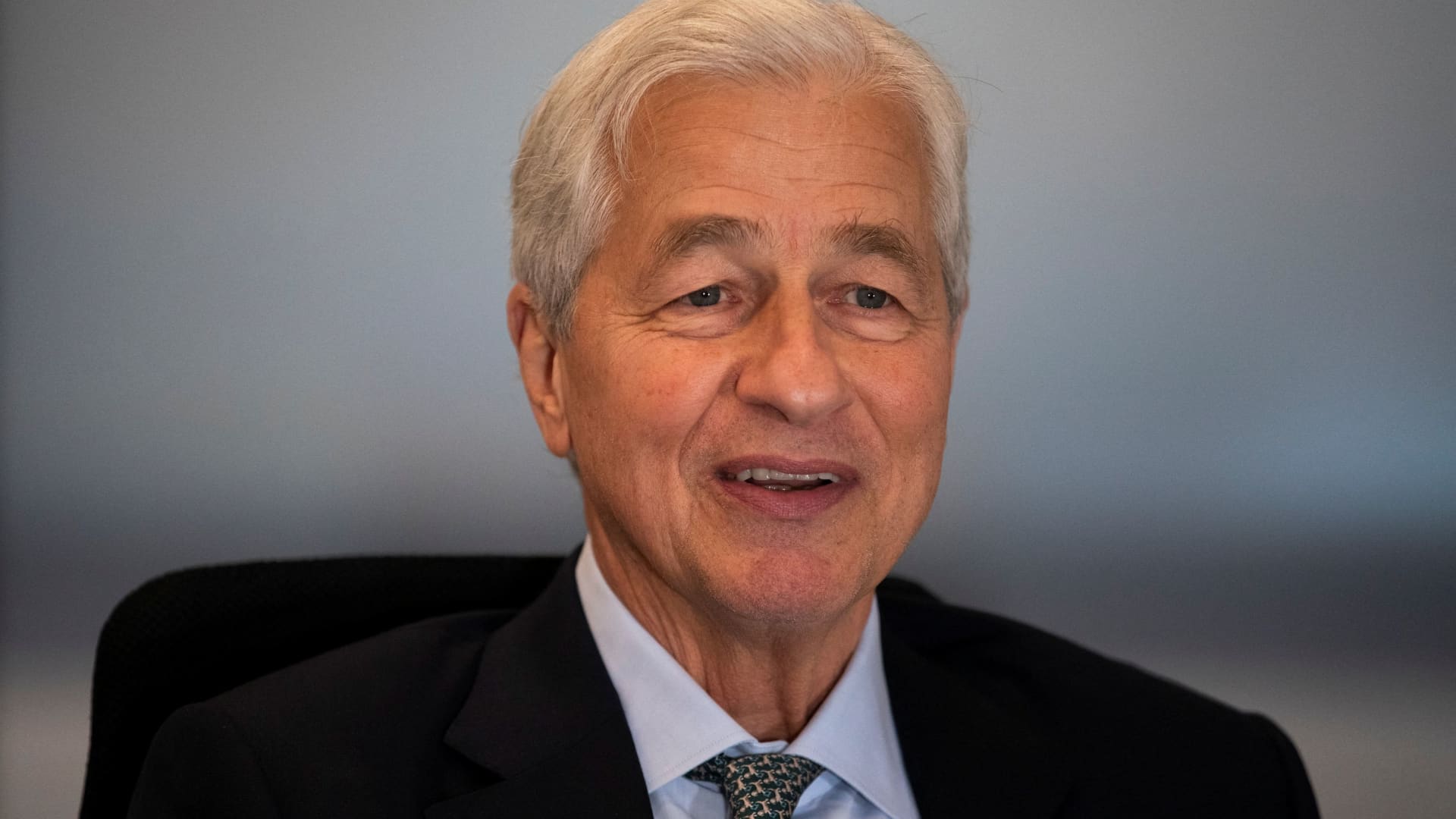
JPMorgan Considers London Project Changes Amid Political Uncertainty

- Project Uncertainty: JPMorgan CEO Jamie Dimon indicated that the bank may reconsider its multibillion-dollar office tower project in London if Prime Minister Keir Starmer is ousted, highlighting the potential impact of political instability on investment decisions.
- Massive Construction Plans: The project aims to build a new 3 million square foot headquarters in Canary Wharf, expected to house up to 12,000 employees and contribute approximately £9.9 billion ($13.4 billion) to the UK economy over six years, creating over 7,800 jobs.
- Increased Tax Burden: Dimon noted that JPMorgan has already paid around $10 billion in additional taxes related to the construction project, illustrating the pressure of high tax burdens on the bank's operations, which could affect its long-term strategy in the UK.
- Political Support and Challenges: Despite Starmer facing pressure from his party, Dimon expressed support for his leadership, emphasizing the need for the government to take tough measures to stimulate economic growth, underscoring the importance of political stability for large investment projects.
See More
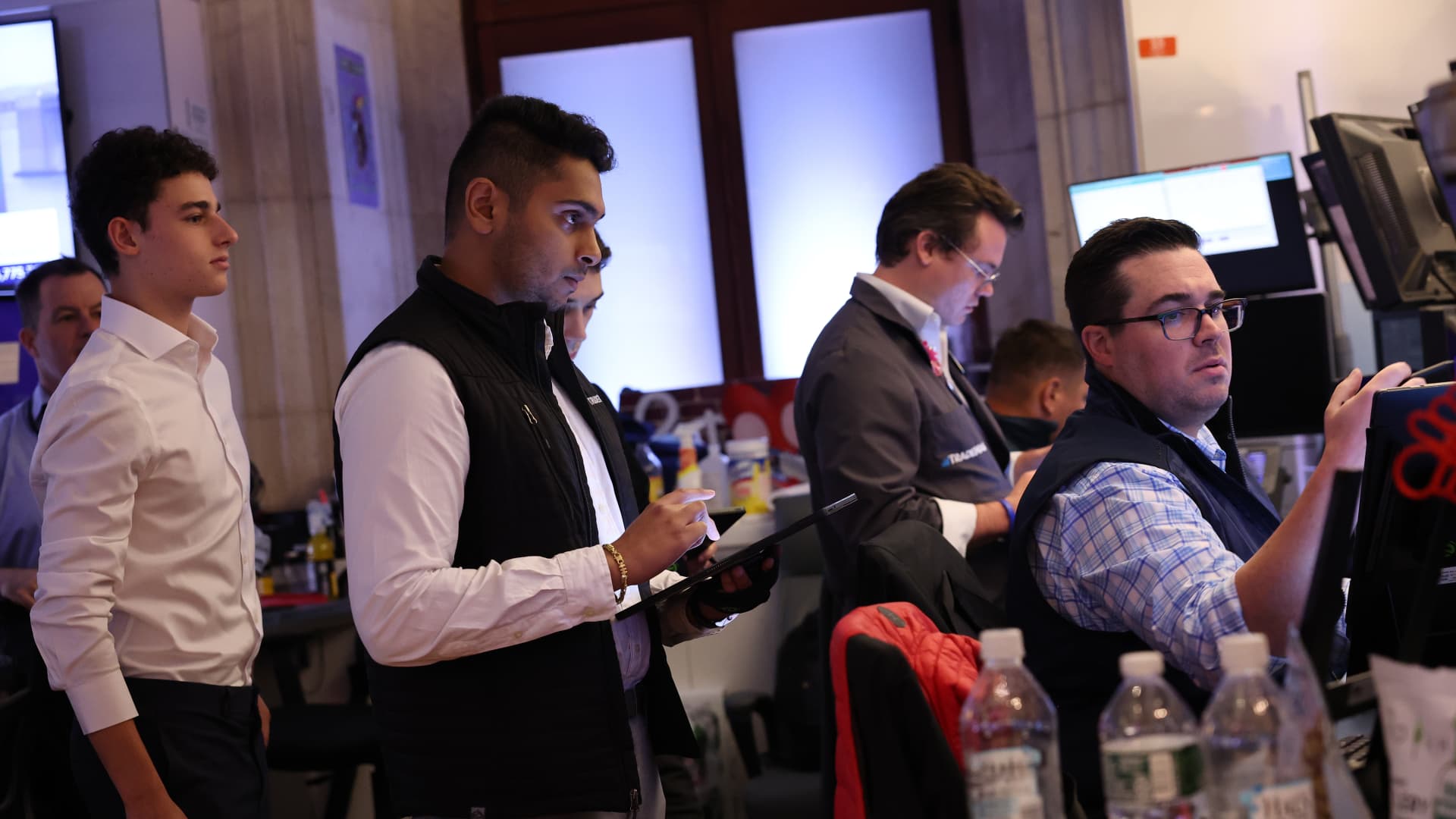
UK Shares Rise on Strong Economic Growth Amid Political Uncertainty
- Strong Economic Growth: The UK economy unexpectedly grew in the first quarter, with March data indicating better-than-expected conditions, which boosted investor confidence and led to a 0.39% rise in the FTSE 100 index.
- Political Uncertainty Intensifies: Investors are increasingly concerned about Prime Minister Keir Starmer's future amid the prospect of a leadership challenge, particularly with reports of his health minister potentially resigning, which could impact market sentiment.
- Rate Hike Expectations: Markets anticipate at least two rate hikes from the Bank of England this year, although some analysts caution that economic data may be skewed by stockpiling, which could lead to a slowdown in growth moving forward.
- Divergent Stock Performance: Among individual stocks, Legal and General rose 6.16%, becoming the biggest gainer on the FTSE 100, reflecting growing acquisition interest, while auto stocks advanced 3.23%, indicating resilience in the sector.
See More

JPMorgan's Successful Partnership with Pattern Group

- Successful Financing Case: In 2017, Pattern Group secured $10 million from JPMorgan, which helped the company grow its annual revenue from $100 million to $2.5 billion, demonstrating JPMorgan's effectiveness in supporting startups.
- Strong IPO Performance: Pattern successfully went public in September 2023, raising $300 million and achieving a valuation of approximately $2.5 billion, with shares rising 27% post-IPO, and projected revenue of $3.3 billion for 2023, reflecting market confidence in its growth potential.
- Market Share Leadership: JPMorgan captured 16.7% of the tech investment banking fee market share in Q1 2023, showcasing strong performance despite trailing Goldman Sachs in total M&A deal value, solidifying its leadership position in the industry.
- Team Expansion and Restructuring: JPMorgan hired around 200 bankers in 2023 to bolster its tech investment banking team, and despite experiencing executive turnover, it continues to drive growth in the innovation economy through strategic restructuring and new appointments.
See More

JPMorgan and BlackRock Increase Opendoor Holdings Amid Stock Decline

- Institutional Buying Trends: JPMorgan increased its Opendoor holdings by 24% in Q1, acquiring an additional 237,301 shares to reach a total of 1.22 million shares, with the stake's value rising from $2.01 million to $5.73 million, indicating confidence in the company's future.
- BlackRock's Stake Changes: BlackRock raised its holdings by 1.7% in Q1, totaling 63.45 million shares, yet the reported value dropped from $135.37 million to $91.38 million, reflecting a waning market confidence in Opendoor.
- CEO's Buying Signal: Opendoor CEO Kaz Nejatian and his wife purchased $483,500 worth of company shares this week, following a $1 million purchase last November, demonstrating management's belief in the company's potential.
- Weak Financial Performance: Opendoor reported a 38% year-over-year revenue decline to $720 million in Q1, with a net loss more than doubling to $173 million, marking four consecutive quarters of revenue shrinkage, indicating ongoing challenges under new management.
See More
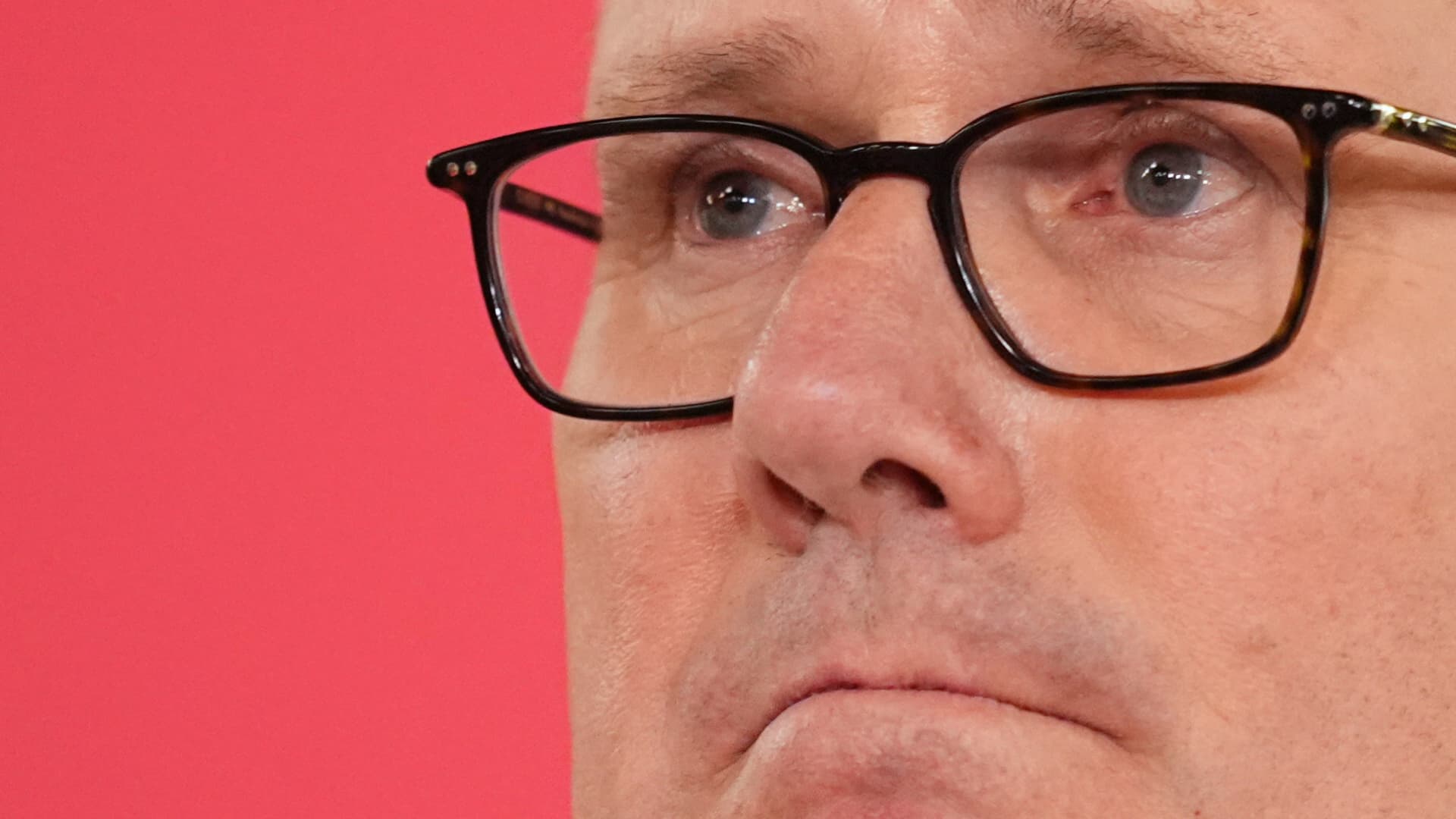
UK Political Turmoil Pressures Bond Markets
- Leadership Challenge Looms: With Health Secretary Wes Streeting expected to resign to launch a leadership bid, the Labour Party may face a leadership challenge, increasing uncertainty and impacting bond investors' confidence.
- Bond Yield Volatility: On Thursday morning, the yield on the UK benchmark 10-year gilt stood at 5.040%, down 3 basis points; however, concerns over a potential leadership contest could push yields to multi-decade highs, raising borrowing costs.
- Economic Growth Data: Although the government received a rare piece of good news with a 0.6% economic growth in Q1, the outlook remains clouded by the Iran war and global energy crisis, potentially leading to decreased investor confidence in future economic and inflation trends.
- Market Reaction Tension: Investment strategist Scott Gardner noted that while Q1 showed strong UK economic growth, rising uncertainties at home and abroad could undermine confidence in sustained growth, risking a rebound in inflation that would further strain businesses and consumers.
See More

US-India Relations Face New Challenges Amidst US-China Summit


- Tension in US-India Relations: The shift in the Trump administration's China policy has strained US-India relations, with experts noting India's concerns that the US may prioritize China as the main negotiating partner, thereby diminishing India's strategic role in the Indo-Pacific.
- Need for Enhanced Strategic Value: To counter potential marginalization, India must establish more tangible cooperation with the US in sectors such as defense, maritime security, and critical minerals, thereby enhancing its strategic value and ensuring its importance in US-China relations.
- Changes in Trade Policy: The Trump administration's trade policy has become more transactional, with a 25% penalty tariff imposed on India last year for allegedly profiting from cheap Russian oil, further deteriorating bilateral relations.
- Concerns Over G2 Concept: India's attention to the US-China summit has intensified, with fears that the so-called 'G2' concept may marginalize middle powers like India, impacting its voice and influence in international affairs.
See More
JPMorgan Considers London Project Changes Amid Political Uncertainty
- Project Uncertainty: JPMorgan CEO Jamie Dimon indicated that the bank may reconsider its multibillion-dollar office tower project in London if Prime Minister Keir Starmer is ousted, highlighting the potential impact of political instability on investment decisions.
- Massive Construction Plans: The project aims to build a new 3 million square foot headquarters in Canary Wharf, expected to house up to 12,000 employees and contribute approximately £9.9 billion ($13.4 billion) to the UK economy over six years, creating over 7,800 jobs.
- Increased Tax Burden: Dimon noted that JPMorgan has already paid around $10 billion in additional taxes related to the construction project, illustrating the pressure of high tax burdens on the bank's operations, which could affect its long-term strategy in the UK.
- Political Support and Challenges: Despite Starmer facing pressure from his party, Dimon expressed support for his leadership, emphasizing the need for the government to take tough measures to stimulate economic growth, underscoring the importance of political stability for large investment projects.
See More
UK Shares Rise on Strong Economic Growth Amid Political Uncertainty
- Strong Economic Growth: The UK economy unexpectedly grew in the first quarter, with March data indicating better-than-expected conditions, which boosted investor confidence and led to a 0.39% rise in the FTSE 100 index.
- Political Uncertainty Intensifies: Investors are increasingly concerned about Prime Minister Keir Starmer's future amid the prospect of a leadership challenge, particularly with reports of his health minister potentially resigning, which could impact market sentiment.
- Rate Hike Expectations: Markets anticipate at least two rate hikes from the Bank of England this year, although some analysts caution that economic data may be skewed by stockpiling, which could lead to a slowdown in growth moving forward.
- Divergent Stock Performance: Among individual stocks, Legal and General rose 6.16%, becoming the biggest gainer on the FTSE 100, reflecting growing acquisition interest, while auto stocks advanced 3.23%, indicating resilience in the sector.
See More
JPMorgan's Successful Partnership with Pattern Group
- Successful Financing Case: In 2017, Pattern Group secured $10 million from JPMorgan, which helped the company grow its annual revenue from $100 million to $2.5 billion, demonstrating JPMorgan's effectiveness in supporting startups.
- Strong IPO Performance: Pattern successfully went public in September 2023, raising $300 million and achieving a valuation of approximately $2.5 billion, with shares rising 27% post-IPO, and projected revenue of $3.3 billion for 2023, reflecting market confidence in its growth potential.
- Market Share Leadership: JPMorgan captured 16.7% of the tech investment banking fee market share in Q1 2023, showcasing strong performance despite trailing Goldman Sachs in total M&A deal value, solidifying its leadership position in the industry.
- Team Expansion and Restructuring: JPMorgan hired around 200 bankers in 2023 to bolster its tech investment banking team, and despite experiencing executive turnover, it continues to drive growth in the innovation economy through strategic restructuring and new appointments.
See More
JPMorgan and BlackRock Increase Opendoor Holdings Amid Stock Decline
- Institutional Buying Trends: JPMorgan increased its Opendoor holdings by 24% in Q1, acquiring an additional 237,301 shares to reach a total of 1.22 million shares, with the stake's value rising from $2.01 million to $5.73 million, indicating confidence in the company's future.
- BlackRock's Stake Changes: BlackRock raised its holdings by 1.7% in Q1, totaling 63.45 million shares, yet the reported value dropped from $135.37 million to $91.38 million, reflecting a waning market confidence in Opendoor.
- CEO's Buying Signal: Opendoor CEO Kaz Nejatian and his wife purchased $483,500 worth of company shares this week, following a $1 million purchase last November, demonstrating management's belief in the company's potential.
- Weak Financial Performance: Opendoor reported a 38% year-over-year revenue decline to $720 million in Q1, with a net loss more than doubling to $173 million, marking four consecutive quarters of revenue shrinkage, indicating ongoing challenges under new management.
See More
UK Political Turmoil Pressures Bond Markets
- Leadership Challenge Looms: With Health Secretary Wes Streeting expected to resign to launch a leadership bid, the Labour Party may face a leadership challenge, increasing uncertainty and impacting bond investors' confidence.
- Bond Yield Volatility: On Thursday morning, the yield on the UK benchmark 10-year gilt stood at 5.040%, down 3 basis points; however, concerns over a potential leadership contest could push yields to multi-decade highs, raising borrowing costs.
- Economic Growth Data: Although the government received a rare piece of good news with a 0.6% economic growth in Q1, the outlook remains clouded by the Iran war and global energy crisis, potentially leading to decreased investor confidence in future economic and inflation trends.
- Market Reaction Tension: Investment strategist Scott Gardner noted that while Q1 showed strong UK economic growth, rising uncertainties at home and abroad could undermine confidence in sustained growth, risking a rebound in inflation that would further strain businesses and consumers.
See More
US-India Relations Face New Challenges Amidst US-China Summit
- Tension in US-India Relations: The shift in the Trump administration's China policy has strained US-India relations, with experts noting India's concerns that the US may prioritize China as the main negotiating partner, thereby diminishing India's strategic role in the Indo-Pacific.
- Need for Enhanced Strategic Value: To counter potential marginalization, India must establish more tangible cooperation with the US in sectors such as defense, maritime security, and critical minerals, thereby enhancing its strategic value and ensuring its importance in US-China relations.
- Changes in Trade Policy: The Trump administration's trade policy has become more transactional, with a 25% penalty tariff imposed on India last year for allegedly profiting from cheap Russian oil, further deteriorating bilateral relations.
- Concerns Over G2 Concept: India's attention to the US-China summit has intensified, with fears that the so-called 'G2' concept may marginalize middle powers like India, impacting its voice and influence in international affairs.
See More