Joby Aviation's Potential in eVTOL Market
Written by Emily J. Thompson, Senior Investment Analyst
Updated: 49 minutes ago
0mins
Source: Fool
- Market Potential: Morgan Stanley estimates that the urban air mobility market could reach $9 trillion by 2050, indicating a vast future for Joby Aviation, although it still needs FAA certification to ensure safety.
- Noise and Emission Advantages: Joby's eVTOL aircraft produce about 55 decibels of noise during hover, significantly lower than the 90 decibels of traditional helicopters, which enhances urban acceptance and reduces noise pollution.
- Traffic Congestion Solution: Joby aims to reduce the commute time from Manhattan to JFK airport from 1-2 hours to under 10 minutes, directly addressing urban traffic congestion and enhancing the attractiveness of its business model.
- Investor Risk Warning: Despite Joby Aviation's immense long-term growth potential, the stock may experience significant volatility due to a lack of meaningful revenue, requiring investors to hold cautiously amid short-term uncertainties.
Trade with 70% Backtested Accuracy
Stop guessing "Should I Buy JOBY?" and start using high-conviction signals backed by rigorous historical data.
Sign up today to access powerful investing tools and make smarter, data-driven decisions.
Analyst Views on JOBY
Wall Street analysts forecast JOBY stock price to rise
6 Analyst Rating
1 Buy
3 Hold
2 Sell
Hold
Current: 11.140

Low
8.00
Averages
15.67
High
22.00
Current: 11.140
Low
8.00
Averages
15.67
High
22.00
About JOBY
Joby Aviation, Inc. is a transportation company developing an all-electric, vertical take-off and landing air taxi. The Company is engaged in designing and testing a piloted all-electric, vertical take-off and landing (eVTOL) aircraft. The Joby eVTOL is designed to transport a pilot and up to four passengers or an expected payload of up to 1,000 pounds at speeds of up to 200 miles per hour (mph). The aircraft is optimized for urban routes, with a target range of up to 100 miles on a single charge. The Company plans to manufacture, own and operate its aircraft itself, building a vertically integrated transportation company that delivers transportation services to customers, including government agencies such as the United States Air Force (USAF) through sales or contracted operations, and to individual end-users through a convenient app-based aerial ridesharing service. It also offers a network of terminals and loyal flyers in markets like New York and in Southern Europe.
About the author

Emily J. Thompson
Emily J. Thompson, a Chartered Financial Analyst (CFA) with 12 years in investment research, graduated with honors from the Wharton School. Specializing in industrial and technology stocks, she provides in-depth analysis for Intellectia’s earnings and market brief reports.
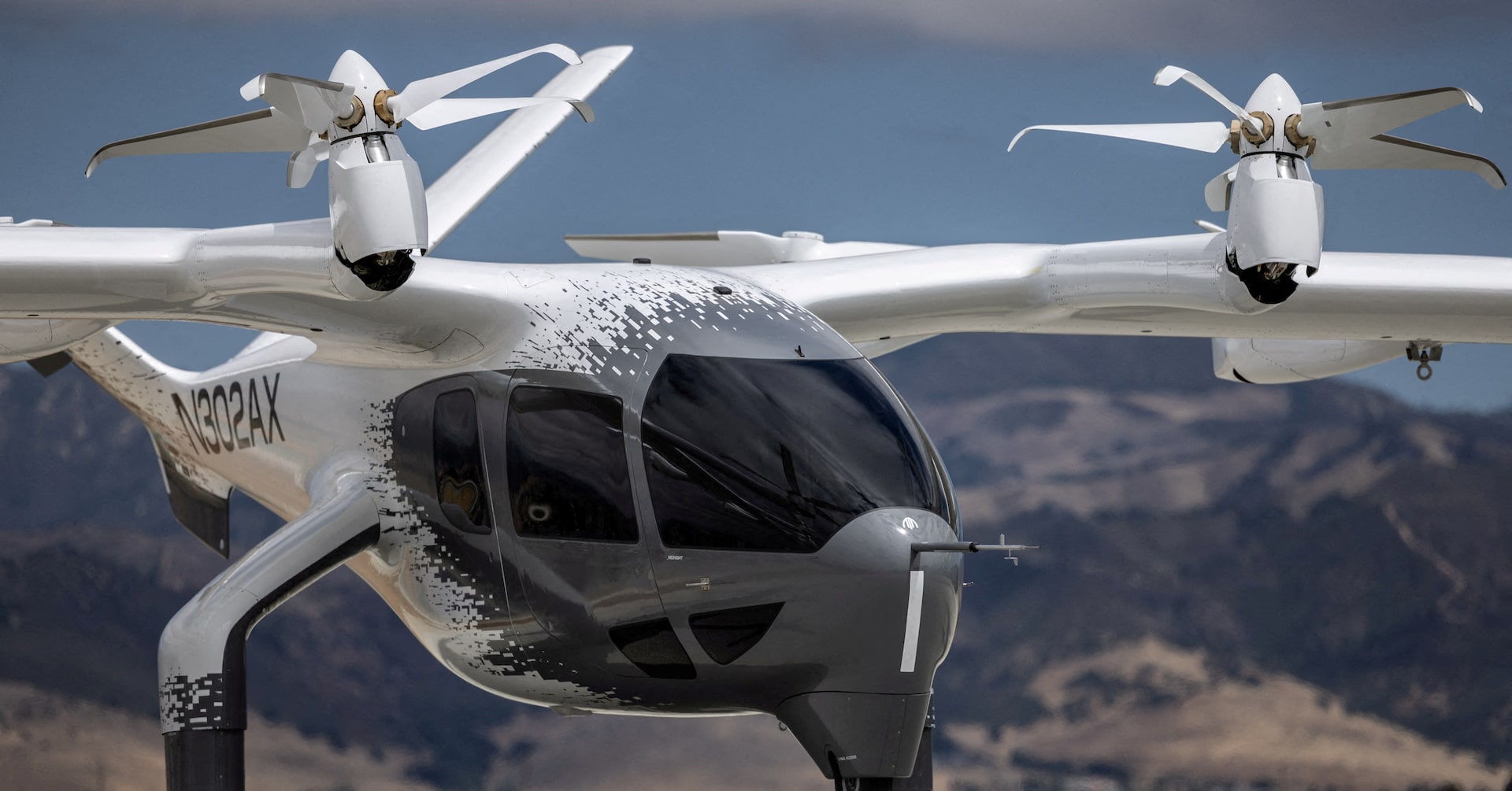
Joby Aviation's Potential in eVTOL Market

- Market Potential: Morgan Stanley estimates that the urban air mobility market could reach $9 trillion by 2050, indicating a vast future for Joby Aviation, although it still needs FAA certification to ensure safety.
- Noise and Emission Advantages: Joby's eVTOL aircraft produce about 55 decibels of noise during hover, significantly lower than the 90 decibels of traditional helicopters, which enhances urban acceptance and reduces noise pollution.
- Traffic Congestion Solution: Joby aims to reduce the commute time from Manhattan to JFK airport from 1-2 hours to under 10 minutes, directly addressing urban traffic congestion and enhancing the attractiveness of its business model.
- Investor Risk Warning: Despite Joby Aviation's immense long-term growth potential, the stock may experience significant volatility due to a lack of meaningful revenue, requiring investors to hold cautiously amid short-term uncertainties.
See More

Analysis of Joby Aviation's Electric Flying Taxi Potential

- Massive Market Potential: Morgan Stanley estimates that the urban air mobility market could reach $9 trillion by 2050, highlighting Joby Aviation's vast prospects in future transportation, although it still needs FAA certification to ensure safety.
- Noise and Emission Advantages: Joby's eVTOL aircraft produce about 55 decibels of noise during hover, significantly lower than the 90 decibels of traditional helicopters, which not only enhances urban living quality but also supports its market promotion.
- Traffic Efficiency Improvement: Joby aims to reduce the commute time from Manhattan to JFK airport from 1-2 hours to under 10 minutes, addressing urban congestion and meeting the growing demand for travel, which presents significant commercial appeal.
- Investment Risks and Opportunities: Although Joby Aviation has yet to achieve profitability and faces market volatility risks, the long-term gain potential is substantial for patient investors, especially as electric air travel becomes more accepted.
See More
Joby Aviation Shares Plunge 14.3% Amid Economic Concerns
- Significant Stock Decline: Joby Aviation's shares fell 14.3% on Friday, reducing its market capitalization to approximately $9.3 billion, reflecting market concerns over macroeconomic risks, particularly given the high valuation in the electric vertical take-off and landing aircraft sector.
- Impact of Employment Data: The May jobs report from the Bureau of Labor Statistics revealed an addition of 172,000 nonfarm jobs, significantly exceeding economists' expectations of 80,000, which, while positive in some respects, has intensified investor pessimism regarding Joby's growth outlook.
- Increased Valuation Pressure: With a current price-to-sales ratio of about 84, Joby’s valuation is highly growth-dependent, and as market sentiment shifts towards risk aversion for high-growth stocks, Joby could face substantial valuation pressures, especially if interest rates rise.
- Changing Market Environment: Amid speculation of potential interest rate cuts by the Fed, investor sentiment towards risk assets has become more cautious, and Joby Aviation's stock decline reflects the uncertainty surrounding the future economic landscape, potentially leading to further withdrawals from high-risk investments.
See More
Joby Aviation Stock Drops Amid Macroeconomic Concerns
- Significant Stock Decline: Joby Aviation's stock fell 14.3% in Friday's trading, reflecting investor concerns over potential Federal Reserve interest rate hikes, which has reduced the company's market capitalization to approximately $9.3 billion, indicating market caution regarding its high valuation.
- Macroeconomic Pressures: Despite the absence of negative news specific to Joby, the U.S. Bureau of Labor Statistics reported a surprising addition of 172,000 nonfarm jobs in May, significantly exceeding the expected 80,000, leading investors to worry that strong economic growth could result in higher interest rates, negatively impacting growth stocks.
- High Valuation Dependency: With a price-to-sales ratio of about 84 times expected sales, Joby's valuation is heavily reliant on future growth prospects, and the current market environment may deter investors from high-risk stocks, increasing the downward pressure on its share price.
- Shifting Market Sentiment: As macroeconomic factors evolve, investor sentiment towards Joby's outlook has become cautious, particularly in light of the Federal Reserve's potential tightening monetary policy, which could drive more investors towards lower-risk assets.
See More
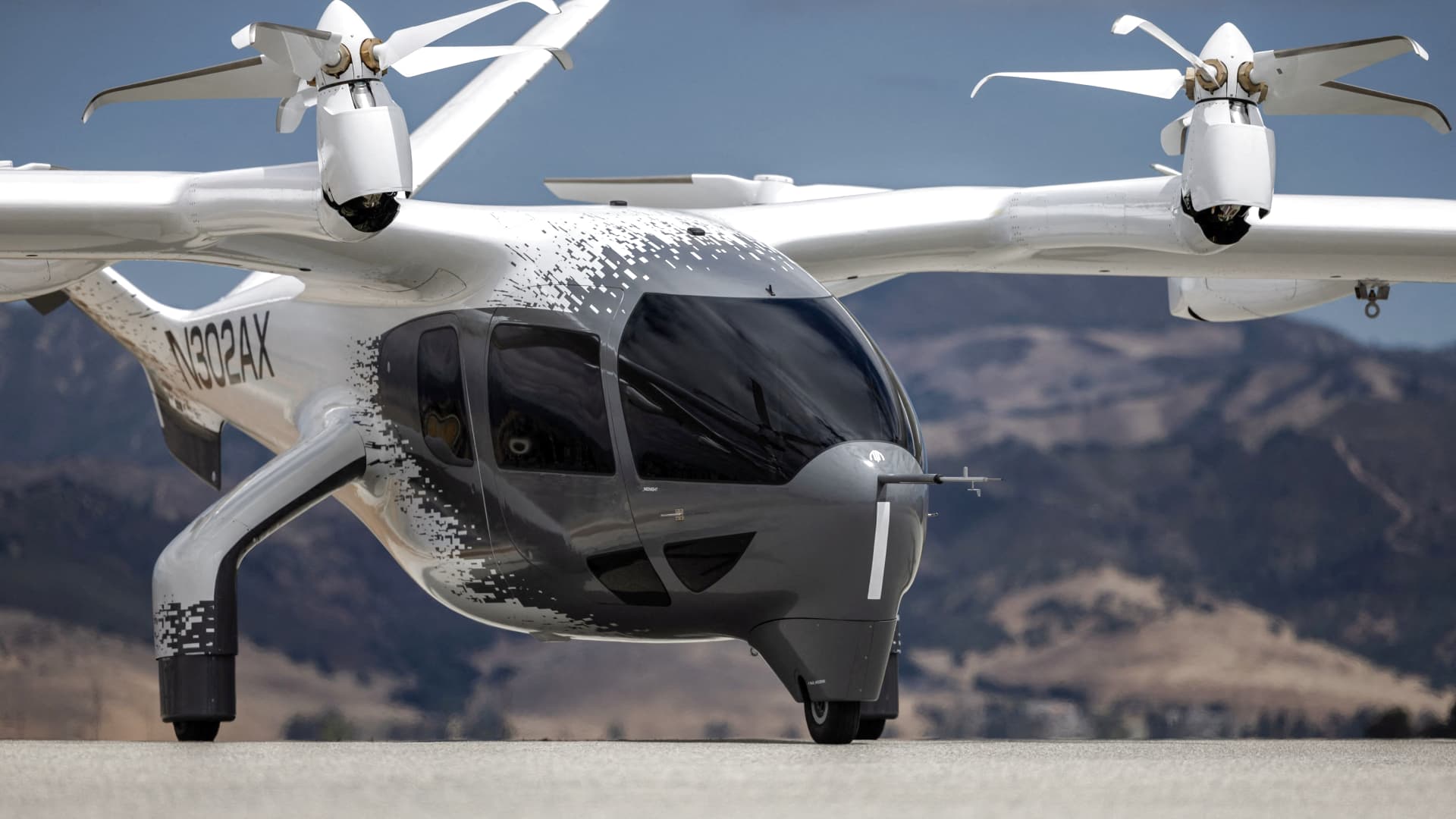
eVTOL Aircraft Set to Transform Urban Transportation

- Massive Market Potential: According to a Morgan Stanley report, the total addressable market for urban air mobility could reach a staggering $9 trillion by 2050, highlighting the significant growth potential of the eVTOL industry and attracting investor interest.
- FAA Certification Progress: Joby and Archer, as partners in the FAA's eVTOL Integration Pilot Program, are accelerating their progress through the rigorous multistage certification process, paving the way for future commercial operations and ensuring their competitive positioning in this emerging market.
- Divergent Business Models: Joby is pursuing a vertically integrated, direct-to-consumer model, planning to own and operate its own air taxi network, while Archer adopts an asset-light approach, leveraging partnerships with Stellantis to achieve efficient production and rapid market expansion.
- Enhanced Production Capacity: Joby's facilities in California and Ohio can produce up to 500 eVTOL aircraft annually, while Archer's high-volume manufacturing facility in Georgia aims for 650 aircraft per year, showcasing the competitive advantages in production capabilities for both companies.
See More

Joby Aviation Achieves Milestone with First Electric Air Taxi Flight

- Historic Flight: Joby Aviation successfully completed its first point-to-point electric air taxi flight from JFK Airport to Manhattan in April 2026, taking under 10 minutes, marking a significant breakthrough in urban air mobility and enhancing the company's leadership in the eVTOL industry.
- Massive Market Potential: Joby, alongside other eVTOL startups, is pursuing a market opportunity valued in the trillions of dollars; while FAA certification remains pending, this successful flight paves the way for future commercialization and attracts investor interest.
- Optimistic Future Outlook: Should Joby secure FAA certification and establish commercial routes by 2031, it could generate hundreds of millions, potentially billions, in revenue, demonstrating that 10 to 15-minute urban flights justify a premium price and further promote urban air mobility.
- Execution Risk Challenges: Despite Joby's demonstrated engineering prowess, the company faces significant execution risks in scaling eVTOL manufacturing, meeting infrastructure and certification requirements, and stimulating consumer demand while ensuring safety and reliability, which could impact profitability and market leadership.
See More
Joby Aviation's Potential in eVTOL Market
- Market Potential: Morgan Stanley estimates that the urban air mobility market could reach $9 trillion by 2050, indicating a vast future for Joby Aviation, although it still needs FAA certification to ensure safety.
- Noise and Emission Advantages: Joby's eVTOL aircraft produce about 55 decibels of noise during hover, significantly lower than the 90 decibels of traditional helicopters, which enhances urban acceptance and reduces noise pollution.
- Traffic Congestion Solution: Joby aims to reduce the commute time from Manhattan to JFK airport from 1-2 hours to under 10 minutes, directly addressing urban traffic congestion and enhancing the attractiveness of its business model.
- Investor Risk Warning: Despite Joby Aviation's immense long-term growth potential, the stock may experience significant volatility due to a lack of meaningful revenue, requiring investors to hold cautiously amid short-term uncertainties.
See More
Analysis of Joby Aviation's Electric Flying Taxi Potential
- Massive Market Potential: Morgan Stanley estimates that the urban air mobility market could reach $9 trillion by 2050, highlighting Joby Aviation's vast prospects in future transportation, although it still needs FAA certification to ensure safety.
- Noise and Emission Advantages: Joby's eVTOL aircraft produce about 55 decibels of noise during hover, significantly lower than the 90 decibels of traditional helicopters, which not only enhances urban living quality but also supports its market promotion.
- Traffic Efficiency Improvement: Joby aims to reduce the commute time from Manhattan to JFK airport from 1-2 hours to under 10 minutes, addressing urban congestion and meeting the growing demand for travel, which presents significant commercial appeal.
- Investment Risks and Opportunities: Although Joby Aviation has yet to achieve profitability and faces market volatility risks, the long-term gain potential is substantial for patient investors, especially as electric air travel becomes more accepted.
See More
Joby Aviation Shares Plunge 14.3% Amid Economic Concerns
- Significant Stock Decline: Joby Aviation's shares fell 14.3% on Friday, reducing its market capitalization to approximately $9.3 billion, reflecting market concerns over macroeconomic risks, particularly given the high valuation in the electric vertical take-off and landing aircraft sector.
- Impact of Employment Data: The May jobs report from the Bureau of Labor Statistics revealed an addition of 172,000 nonfarm jobs, significantly exceeding economists' expectations of 80,000, which, while positive in some respects, has intensified investor pessimism regarding Joby's growth outlook.
- Increased Valuation Pressure: With a current price-to-sales ratio of about 84, Joby’s valuation is highly growth-dependent, and as market sentiment shifts towards risk aversion for high-growth stocks, Joby could face substantial valuation pressures, especially if interest rates rise.
- Changing Market Environment: Amid speculation of potential interest rate cuts by the Fed, investor sentiment towards risk assets has become more cautious, and Joby Aviation's stock decline reflects the uncertainty surrounding the future economic landscape, potentially leading to further withdrawals from high-risk investments.
See More
Joby Aviation Stock Drops Amid Macroeconomic Concerns
- Significant Stock Decline: Joby Aviation's stock fell 14.3% in Friday's trading, reflecting investor concerns over potential Federal Reserve interest rate hikes, which has reduced the company's market capitalization to approximately $9.3 billion, indicating market caution regarding its high valuation.
- Macroeconomic Pressures: Despite the absence of negative news specific to Joby, the U.S. Bureau of Labor Statistics reported a surprising addition of 172,000 nonfarm jobs in May, significantly exceeding the expected 80,000, leading investors to worry that strong economic growth could result in higher interest rates, negatively impacting growth stocks.
- High Valuation Dependency: With a price-to-sales ratio of about 84 times expected sales, Joby's valuation is heavily reliant on future growth prospects, and the current market environment may deter investors from high-risk stocks, increasing the downward pressure on its share price.
- Shifting Market Sentiment: As macroeconomic factors evolve, investor sentiment towards Joby's outlook has become cautious, particularly in light of the Federal Reserve's potential tightening monetary policy, which could drive more investors towards lower-risk assets.
See More
eVTOL Aircraft Set to Transform Urban Transportation
- Massive Market Potential: According to a Morgan Stanley report, the total addressable market for urban air mobility could reach a staggering $9 trillion by 2050, highlighting the significant growth potential of the eVTOL industry and attracting investor interest.
- FAA Certification Progress: Joby and Archer, as partners in the FAA's eVTOL Integration Pilot Program, are accelerating their progress through the rigorous multistage certification process, paving the way for future commercial operations and ensuring their competitive positioning in this emerging market.
- Divergent Business Models: Joby is pursuing a vertically integrated, direct-to-consumer model, planning to own and operate its own air taxi network, while Archer adopts an asset-light approach, leveraging partnerships with Stellantis to achieve efficient production and rapid market expansion.
- Enhanced Production Capacity: Joby's facilities in California and Ohio can produce up to 500 eVTOL aircraft annually, while Archer's high-volume manufacturing facility in Georgia aims for 650 aircraft per year, showcasing the competitive advantages in production capabilities for both companies.
See More
Joby Aviation Achieves Milestone with First Electric Air Taxi Flight
- Historic Flight: Joby Aviation successfully completed its first point-to-point electric air taxi flight from JFK Airport to Manhattan in April 2026, taking under 10 minutes, marking a significant breakthrough in urban air mobility and enhancing the company's leadership in the eVTOL industry.
- Massive Market Potential: Joby, alongside other eVTOL startups, is pursuing a market opportunity valued in the trillions of dollars; while FAA certification remains pending, this successful flight paves the way for future commercialization and attracts investor interest.
- Optimistic Future Outlook: Should Joby secure FAA certification and establish commercial routes by 2031, it could generate hundreds of millions, potentially billions, in revenue, demonstrating that 10 to 15-minute urban flights justify a premium price and further promote urban air mobility.
- Execution Risk Challenges: Despite Joby's demonstrated engineering prowess, the company faces significant execution risks in scaling eVTOL manufacturing, meeting infrastructure and certification requirements, and stimulating consumer demand while ensuring safety and reliability, which could impact profitability and market leadership.
See More