Joby Aviation to Launch eVTOL Taxi Services with Uber Partnership
Written by Emily J. Thompson, Senior Investment Analyst
Updated: 1 hour ago
0mins
Should l Buy JOBY?
Source: Fool
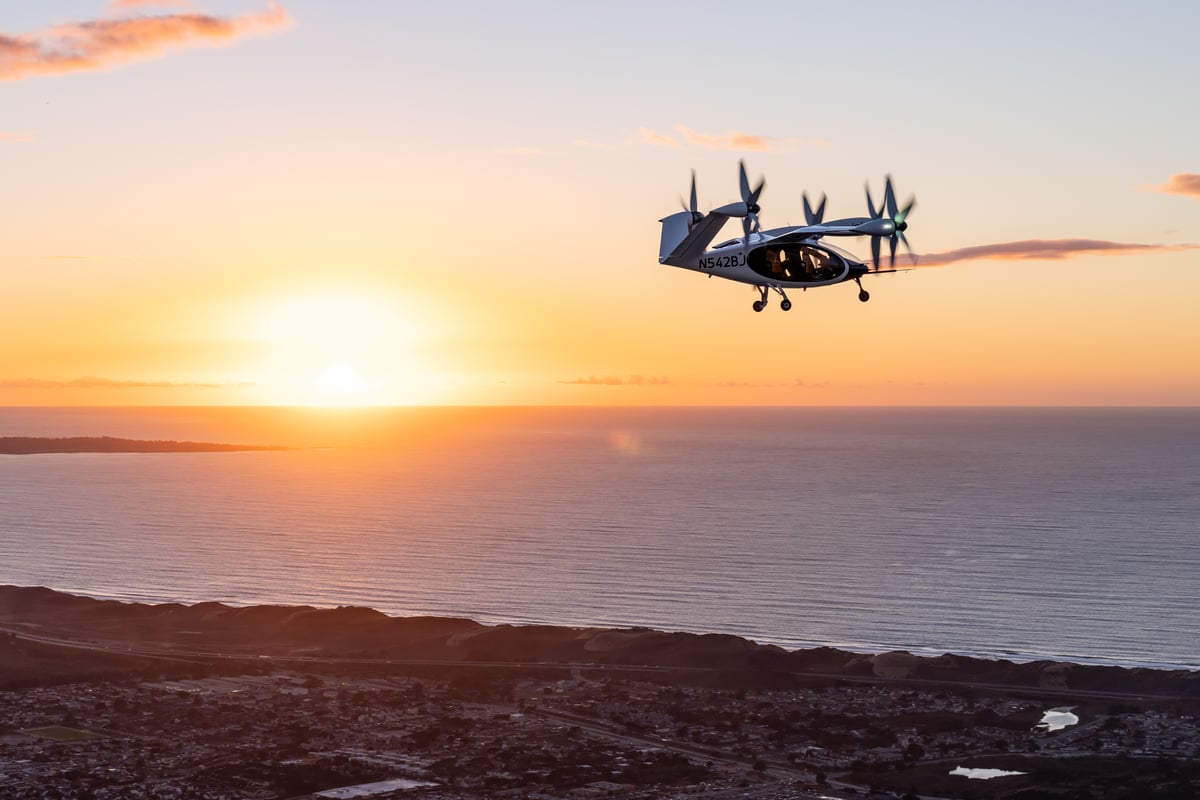
- eVTOL Taxi Launch: Joby Aviation has confirmed its plans to launch electric vertical takeoff and landing (eVTOL) taxi services this year in partnership with Uber, aiming to initiate commercial sales in Dubai, which signifies a crucial step towards major commercialization.
- Market Opportunities and Risks: With Iran easing its grip on shipping traffic through the Strait of Hormuz, the risks associated with launching flying taxi services in Dubai are reduced, facilitating Joby's operations in a complex geopolitical landscape.
- Financial Performance Comparison: Joby reported total revenue of approximately $53.4 million last year with a net loss of about $929.8 million, contrasting sharply with Uber's market capitalization of around $154 billion and a price-to-earnings ratio of 23 times this year's expected earnings, highlighting significant differences in market positioning and financial health.
- Future Outlook and Investment Potential: Joby's future sales outlook hinges on the scaling of its eVTOL business, and while the industry remains highly speculative, Joby stands out as a leading player in the U.S. eVTOL market, making it an attractive option for investors seeking exposure in this emerging sector.
Trade with 70% Backtested Accuracy
Stop guessing "Should I Buy JOBY?" and start using high-conviction signals backed by rigorous historical data.
Sign up today to access powerful investing tools and make smarter, data-driven decisions.
Analyst Views on JOBY
Wall Street analysts forecast JOBY stock price to rise
6 Analyst Rating
1 Buy
3 Hold
2 Sell
Hold
Current: 8.490

Low
8.00
Averages
15.67
High
22.00
Current: 8.490
Low
8.00
Averages
15.67
High
22.00
About JOBY
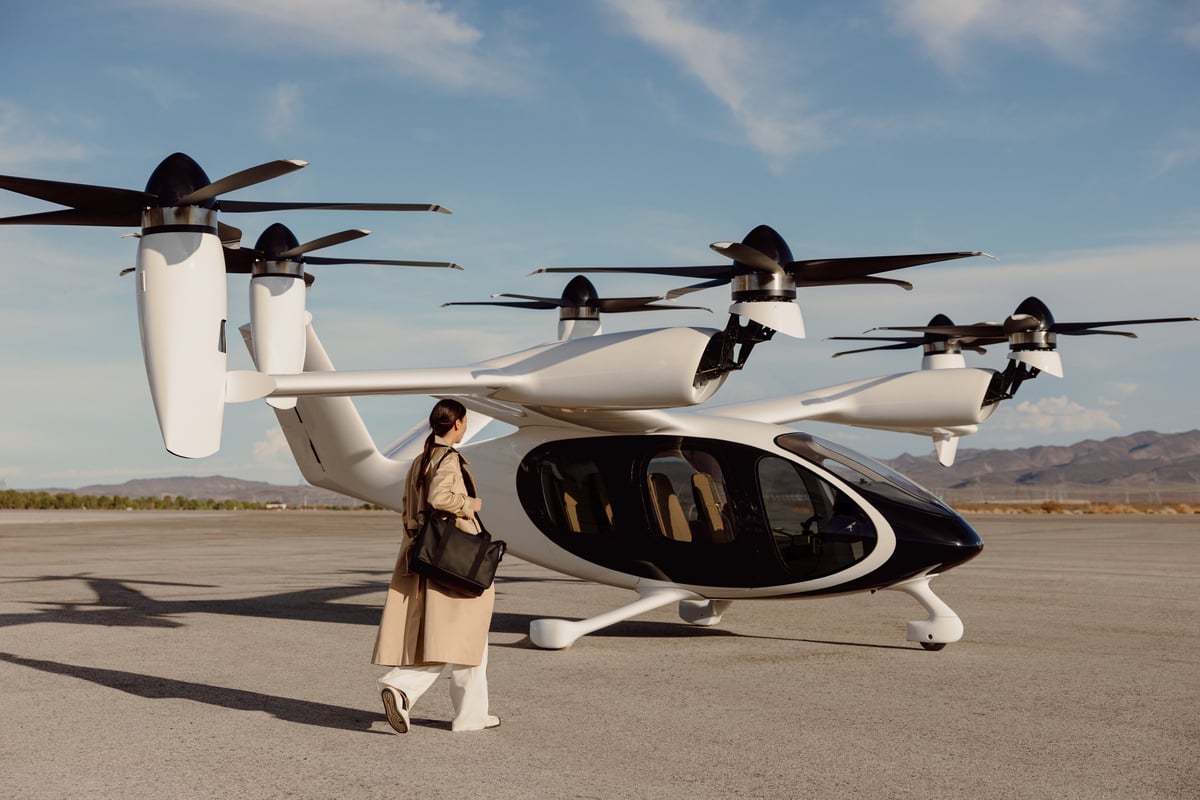
Joby Aviation, Inc. is a transportation company developing an all-electric, vertical take-off and landing air taxi. The Company is engaged in designing and testing a piloted all-electric, vertical take-off and landing (eVTOL) aircraft. The Joby eVTOL is designed to transport a pilot and up to four passengers or an expected payload of up to 1,000 pounds at speeds of up to 200 miles per hour (mph). The aircraft is optimized for urban routes, with a target range of up to 100 miles on a single charge. The Company plans to manufacture, own and operate its aircraft itself, building a vertically integrated transportation company that delivers transportation services to customers, including government agencies such as the United States Air Force (USAF) through sales or contracted operations, and to individual end-users through a convenient app-based aerial ridesharing service. It also offers a network of terminals and loyal flyers in markets like New York and in Southern Europe.
About the author

Emily J. Thompson
Emily J. Thompson, a Chartered Financial Analyst (CFA) with 12 years in investment research, graduated with honors from the Wharton School. Specializing in industrial and technology stocks, she provides in-depth analysis for Intellectia’s earnings and market brief reports.
Joby Aviation to Launch eVTOL Taxi Services with Uber Partnership


- eVTOL Taxi Launch: Joby Aviation has confirmed its plans to launch electric vertical takeoff and landing (eVTOL) taxi services this year in partnership with Uber, aiming to initiate commercial sales in Dubai, which signifies a crucial step towards major commercialization.
- Market Opportunities and Risks: With Iran easing its grip on shipping traffic through the Strait of Hormuz, the risks associated with launching flying taxi services in Dubai are reduced, facilitating Joby's operations in a complex geopolitical landscape.
- Financial Performance Comparison: Joby reported total revenue of approximately $53.4 million last year with a net loss of about $929.8 million, contrasting sharply with Uber's market capitalization of around $154 billion and a price-to-earnings ratio of 23 times this year's expected earnings, highlighting significant differences in market positioning and financial health.
- Future Outlook and Investment Potential: Joby's future sales outlook hinges on the scaling of its eVTOL business, and while the industry remains highly speculative, Joby stands out as a leading player in the U.S. eVTOL market, making it an attractive option for investors seeking exposure in this emerging sector.
See More

Joby and Uber Advance eVTOL Taxi Services Launch
- eVTOL Taxi Services: Joby Aviation has confirmed it will launch electric vertical takeoff and landing (eVTOL) taxi services this year, with Uber as a partner, marking a strategic collaboration in an emerging market.
- Dubai Market Opportunity: Joby's plan to launch flying taxi services in Dubai not only suggests potential commercial sales for the company but also serves as a proof of concept for viability in other markets, showcasing its expansion potential globally.
- Financial Performance Comparison: Joby reported total revenue of approximately $53.4 million last year with a net loss of about $929.8 million, while Uber boasts a market capitalization of around $154 billion, valued at approximately 23 times this year's expected earnings, highlighting significant differences in market valuation and financial health.
- Future Outlook and Risks: Although the eVTOL industry has long-term growth potential, the outlook remains highly uncertain, with Joby's future sales prospects hinging on the scaling of its eVTOL business, necessitating cautious risk assessment by investors.
See More
Chinese Company Autoflight Challenges eVTOL Market

- Increased Market Competition: Chinese company Autoflight has showcased its Matrix V5000 eVTOL, capable of carrying 1.5 tons of freight, significantly surpassing Joby and Archer's 2-3 ton passenger eVTOLs, potentially dominating the freight market and posing a threat to competitors.
- Long-Distance Transport Capability: Autoflight's all-electric version offers a range of 155 miles, while its hybrid version can fly up to 930 miles, theoretically enabling nonstop flights from New York to St. Louis, which could attract markets needing long-distance freight solutions and further erode Joby and Archer's market share.
- Economies of Scale Advantage: By focusing on the freight market, Autoflight could rapidly scale up production, especially of its passenger model, likely achieving more favorable economics of scale compared to Joby and Archer, thus positioning itself advantageously in the market.
- Regulatory Challenges: Although Autoflight has yet to disclose pricing or launch dates for the Matrix V5000, regulatory hurdles in the U.S. may impose greater market pressure on Joby and Archer, prompting investors to remain vigilant about this potential market disruption.
See More

Autoflight Successfully Tests 5-Ton eVTOL for Freight
- Significant Market Potential: Autoflight successfully tested its Matrix V5000, a 5-ton eVTOL capable of carrying 1.5 tons of freight, indicating that the freight market could be more lucrative than the air taxi market, thus opening new revenue streams for the company.
- Leading Technological Innovation: The all-electric version of the Matrix V5000 boasts a range of approximately 155 miles, surpassing competitor Archer's 100-mile range, while the hybrid version under development could reach up to 930 miles, potentially transforming long-haul freight logistics.
- Distinct Competitive Advantage: Unlike Joby and Archer, which focus on passenger transport, Autoflight's heavy-duty freight eVTOL can transport goods directly from origin to destination, reducing loading and unloading costs, thereby enhancing its market competitiveness and potentially capturing significant market share.
- Favorable Market Timing: Although Autoflight has yet to disclose the price and launch date for the Matrix V5000, the regulatory challenges faced by its U.S. competitors provide Autoflight with an opportunity to capture market share, potentially leading to a significant shift in industry dynamics.
See More

Intensifying Competition in eVTOL Market

- Market Competition Landscape: The eVTOL market is highly competitive, with Joby Aviation and Archer Aviation emerging as strong contenders for FAA certification, drawing significant attention while other companies like Vertical Aerospace and Embraer's Eve Air Mobility are also actively developing their business models.
- Business Model Differences: Joby and Wisk are adopting a Transportation-as-a-Service (TaaS) model focused on in-house development of core technologies, while Vertical and Archer rely on traditional equipment manufacturers (OEM), potentially giving the latter an edge in the certification process.
- Financial Impact Analysis: Archer is expected to generate earnings and cash flow sooner due to upfront revenue from eVTOL sales, whereas Joby must rely on partnerships with Uber and Delta to establish its transportation service, facing higher upfront investment risks.
- Technological Collaboration and Future Development: Joby is collaborating with Nvidia to develop autonomous flight capabilities and has acquired Xwing's autonomy division to enhance its competitiveness in the future eVTOL industry, demonstrating a forward-looking strategy in market positioning.
See More

Joby and Wisk Compete in the eVTOL Market
- Market Competition: Joby and Wisk face unique risks and opportunities in the electric vertical takeoff and landing (eVTOL) market, with Joby focusing on a transportation-as-a-service (TaaS) model while Wisk develops autonomous flight technology, potentially impacting their market shares.
- Certification Process Comparison: Although Joby is slightly ahead of Archer in the FAA certification race, its need to establish a comprehensive transportation service may slow its revenue growth compared to Archer, which relies on OEM sales, thus affecting its short-term financial performance.
- Technological Collaboration and Investment: Joby's partnership with Nvidia aims to develop autonomous capabilities, and its acquisition of Xwing's autonomy division indicates a desire to remain relevant in the future eVTOL industry, despite requiring higher upfront investments.
- Long-term Market Outlook: Joby's first-mover advantage may allow it to gain commercial acceptance in the TaaS market, but Wisk's autonomous eVTOL service could enter the market at a lower cost in the coming years, posing a threat to Joby and prompting it to accelerate technological innovation and market positioning.
See More
Joby Aviation to Launch eVTOL Taxi Services with Uber Partnership
- eVTOL Taxi Launch: Joby Aviation has confirmed its plans to launch electric vertical takeoff and landing (eVTOL) taxi services this year in partnership with Uber, aiming to initiate commercial sales in Dubai, which signifies a crucial step towards major commercialization.
- Market Opportunities and Risks: With Iran easing its grip on shipping traffic through the Strait of Hormuz, the risks associated with launching flying taxi services in Dubai are reduced, facilitating Joby's operations in a complex geopolitical landscape.
- Financial Performance Comparison: Joby reported total revenue of approximately $53.4 million last year with a net loss of about $929.8 million, contrasting sharply with Uber's market capitalization of around $154 billion and a price-to-earnings ratio of 23 times this year's expected earnings, highlighting significant differences in market positioning and financial health.
- Future Outlook and Investment Potential: Joby's future sales outlook hinges on the scaling of its eVTOL business, and while the industry remains highly speculative, Joby stands out as a leading player in the U.S. eVTOL market, making it an attractive option for investors seeking exposure in this emerging sector.
See More
Joby and Uber Advance eVTOL Taxi Services Launch
- eVTOL Taxi Services: Joby Aviation has confirmed it will launch electric vertical takeoff and landing (eVTOL) taxi services this year, with Uber as a partner, marking a strategic collaboration in an emerging market.
- Dubai Market Opportunity: Joby's plan to launch flying taxi services in Dubai not only suggests potential commercial sales for the company but also serves as a proof of concept for viability in other markets, showcasing its expansion potential globally.
- Financial Performance Comparison: Joby reported total revenue of approximately $53.4 million last year with a net loss of about $929.8 million, while Uber boasts a market capitalization of around $154 billion, valued at approximately 23 times this year's expected earnings, highlighting significant differences in market valuation and financial health.
- Future Outlook and Risks: Although the eVTOL industry has long-term growth potential, the outlook remains highly uncertain, with Joby's future sales prospects hinging on the scaling of its eVTOL business, necessitating cautious risk assessment by investors.
See More
Chinese Company Autoflight Challenges eVTOL Market
- Increased Market Competition: Chinese company Autoflight has showcased its Matrix V5000 eVTOL, capable of carrying 1.5 tons of freight, significantly surpassing Joby and Archer's 2-3 ton passenger eVTOLs, potentially dominating the freight market and posing a threat to competitors.
- Long-Distance Transport Capability: Autoflight's all-electric version offers a range of 155 miles, while its hybrid version can fly up to 930 miles, theoretically enabling nonstop flights from New York to St. Louis, which could attract markets needing long-distance freight solutions and further erode Joby and Archer's market share.
- Economies of Scale Advantage: By focusing on the freight market, Autoflight could rapidly scale up production, especially of its passenger model, likely achieving more favorable economics of scale compared to Joby and Archer, thus positioning itself advantageously in the market.
- Regulatory Challenges: Although Autoflight has yet to disclose pricing or launch dates for the Matrix V5000, regulatory hurdles in the U.S. may impose greater market pressure on Joby and Archer, prompting investors to remain vigilant about this potential market disruption.
See More
Autoflight Successfully Tests 5-Ton eVTOL for Freight
- Significant Market Potential: Autoflight successfully tested its Matrix V5000, a 5-ton eVTOL capable of carrying 1.5 tons of freight, indicating that the freight market could be more lucrative than the air taxi market, thus opening new revenue streams for the company.
- Leading Technological Innovation: The all-electric version of the Matrix V5000 boasts a range of approximately 155 miles, surpassing competitor Archer's 100-mile range, while the hybrid version under development could reach up to 930 miles, potentially transforming long-haul freight logistics.
- Distinct Competitive Advantage: Unlike Joby and Archer, which focus on passenger transport, Autoflight's heavy-duty freight eVTOL can transport goods directly from origin to destination, reducing loading and unloading costs, thereby enhancing its market competitiveness and potentially capturing significant market share.
- Favorable Market Timing: Although Autoflight has yet to disclose the price and launch date for the Matrix V5000, the regulatory challenges faced by its U.S. competitors provide Autoflight with an opportunity to capture market share, potentially leading to a significant shift in industry dynamics.
See More
Intensifying Competition in eVTOL Market
- Market Competition Landscape: The eVTOL market is highly competitive, with Joby Aviation and Archer Aviation emerging as strong contenders for FAA certification, drawing significant attention while other companies like Vertical Aerospace and Embraer's Eve Air Mobility are also actively developing their business models.
- Business Model Differences: Joby and Wisk are adopting a Transportation-as-a-Service (TaaS) model focused on in-house development of core technologies, while Vertical and Archer rely on traditional equipment manufacturers (OEM), potentially giving the latter an edge in the certification process.
- Financial Impact Analysis: Archer is expected to generate earnings and cash flow sooner due to upfront revenue from eVTOL sales, whereas Joby must rely on partnerships with Uber and Delta to establish its transportation service, facing higher upfront investment risks.
- Technological Collaboration and Future Development: Joby is collaborating with Nvidia to develop autonomous flight capabilities and has acquired Xwing's autonomy division to enhance its competitiveness in the future eVTOL industry, demonstrating a forward-looking strategy in market positioning.
See More
Joby and Wisk Compete in the eVTOL Market
- Market Competition: Joby and Wisk face unique risks and opportunities in the electric vertical takeoff and landing (eVTOL) market, with Joby focusing on a transportation-as-a-service (TaaS) model while Wisk develops autonomous flight technology, potentially impacting their market shares.
- Certification Process Comparison: Although Joby is slightly ahead of Archer in the FAA certification race, its need to establish a comprehensive transportation service may slow its revenue growth compared to Archer, which relies on OEM sales, thus affecting its short-term financial performance.
- Technological Collaboration and Investment: Joby's partnership with Nvidia aims to develop autonomous capabilities, and its acquisition of Xwing's autonomy division indicates a desire to remain relevant in the future eVTOL industry, despite requiring higher upfront investments.
- Long-term Market Outlook: Joby's first-mover advantage may allow it to gain commercial acceptance in the TaaS market, but Wisk's autonomous eVTOL service could enter the market at a lower cost in the coming years, posing a threat to Joby and prompting it to accelerate technological innovation and market positioning.
See More