Is Invesco S&P SmallCap Quality ETF (XSHQ) a Strong ETF Right Now?
Written by Emily J. Thompson, Senior Investment Analyst
Updated: Oct 03 2024
0mins


Source: NASDAQ.COM
Invesco S&P SmallCap Quality ETF Overview: Launched in 2017, the Invesco S&P SmallCap Quality ETF (XSHQ) aims to provide exposure to small-cap blend stocks and has accumulated over $331 million in assets, with a focus on high-quality securities based on specific fundamental measures.
Performance and Comparison: The ETF has shown an 8.10% increase this year and a 22.71% rise over the past year, but investors may also consider lower-cost alternatives like iShares Russell 2000 ETF and iShares Core S&P Small-Cap ETF for potentially better returns and lower risk.
Trade with 70% Backtested Accuracy
Stop guessing "Should I Buy AWI?" and start using high-conviction signals backed by rigorous historical data.
Sign up today to access powerful investing tools and make smarter, data-driven decisions.
Analyst Views on AWI
About AWI
Armstrong World Industries, Inc. is engaged in the design and manufacture of interior and exterior architectural applications including ceilings, specialty walls and exterior metal solutions. The Company manufactures and sources products made of materials, including mineral fiber, fiberglass, metal, felt, architectural resin and glass, wood, wood fiber and glass-reinforced gypsum. Its segments include Mineral Fiber, Architectural Specialties and Unallocated Corporate. The Mineral Fiber segment produces suspended mineral fiber and fiberglass ceiling systems. The Architectural Specialties segment designs, produces and sources specialty ceilings, walls, and other interior and exterior architectural applications primarily for use in commercial settings. The Unallocated Corporate segment includes assets, liabilities, income and expenses that have not been allocated to other business segments and consists of cash and cash equivalents.
About the author

Emily J. Thompson
Emily J. Thompson, a Chartered Financial Analyst (CFA) with 12 years in investment research, graduated with honors from the Wharton School. Specializing in industrial and technology stocks, she provides in-depth analysis for Intellectia’s earnings and market brief reports.

Investigation into Armstrong World Industries for Securities Fraud

- Securities Fraud Investigation: Pomerantz LLP is investigating Armstrong World Industries and its executives for potential securities fraud and other unlawful business practices, which could impact the company's reputation and shareholder confidence.
- Declining Financial Performance: In its February 24, 2026 earnings report, Armstrong disclosed that fourth-quarter results were below expectations due to project delays, resulting in insufficient operating leverage and creating an 'air pocket' that may affect future profitability.
- Significant Stock Price Drop: Following the disappointing performance, Armstrong's stock price fell by $18.53, approximately 10%, closing at $174.30 per share on February 24, 2026, reflecting market concerns about the company's outlook.
- Impact of Project Delays: The company noted that five significant projects were delayed and could not be completed in 2025, which not only affected quarterly results but may also have long-term negative implications for future revenue growth.
See More
Armstrong Under Investigation, Stock Plummets
- Securities Fraud Investigation: Pomerantz LLP is investigating whether Armstrong World Industries and its executives engaged in securities fraud or other unlawful business practices, which could undermine investor confidence and lead to legal actions.
- Poor Financial Performance: In its February 24, 2026 earnings report for Q4 2025, Armstrong disclosed that volumes were softer than expected and did not see the usual post-reopening bounce, indicating weak market demand.
- Project Delays Impact: The company noted that five significant projects in its Architectural Specialties segment were delayed, which not only affected quarterly results but also annual performance, revealing insufficient operating leverage and creating an “air pocket” in results.
- Stock Price Plummets: Following this news, Armstrong's stock price fell by $18.53, approximately 10%, closing at $174.30 per share on February 24, 2026, reflecting market concerns about the company's future outlook.
See More

Armstrong World Faces Securities Investigation
- Poor Financial Performance: Armstrong World reported on February 24, 2026, that its fourth-quarter results for 2025 showed softer volumes than expected, indicating the company's vulnerability in market recovery.
- Project Delays Impact: The delay of five significant projects in the Architectural Specialties segment not only affected quarterly results but also led to a shortfall in annual performance, highlighting deficiencies in project management and execution.
- Significant Stock Price Drop: Following the disappointing earnings report, Armstrong's stock price fell by $18.53, approximately 10%, from $192.83 to $174.30 on February 24, 2026, reflecting investor concerns about the company's outlook.
- Ongoing Legal Investigation: Although no lawsuit has been filed yet, the ongoing investigation into potential violations of federal securities laws may have significant implications for the company and its senior management, prompting investors to stay informed on developments.
See More
Armstrong Releases 2026 Sustainability Report Highlighting Progress
- Sustainability Progress: Armstrong made significant strides in 2025 across its three sustainability pillars—Healthy and Circular Products, Healthy Planet, and Thriving People and Communities—demonstrating the company's strategic commitment to enhancing operational efficiency and reducing waste.
- Product Innovation Enhancement: The 2026 report highlights improvements to Templok® energy-saving ceiling tiles, which now feature increased thermal storage capacity and the elimination of harmful chemicals, positioning them within the company's Sustain® portfolio that meets stringent environmental standards.
- Wastewater Processing Innovation: Armstrong implemented advanced wastewater processing at its Hilliard, Ohio facility, successfully diverting paint waste from landfills, thereby advancing its sustainability goals and operational efficiencies.
- Employee Development Investment: The company continues to invest in employee growth and workplace safety through the Armstrong World Industries Foundation and corporate giving initiatives, supporting education and environmental protection while fostering thriving communities.
See More

Investigation into Armstrong World Industries' Securities Practices
- Poor Financial Performance: Armstrong World reported on February 24, 2026, that its fourth-quarter results for 2025 showed softer volumes than expected, indicating the company's vulnerability in market recovery.
- Project Delays Impact: The company disclosed delays in five significant projects within its Architectural Specialties segment, which not only affected quarterly results but also led to annual performance setbacks, highlighting deficiencies in project management and scheduling.
- Significant Stock Price Drop: Following the disappointing earnings report, Armstrong's stock price fell by $18.53, approximately 10%, from $192.83 to $174.30 on February 24, 2026, reflecting investor concerns about the company's outlook.
- Ongoing Legal Investigation: No lawsuits have been filed yet, but an investigation into potential violations of federal securities laws is underway, indicating that the company faces potential legal risks that could impact future investor confidence.
See More
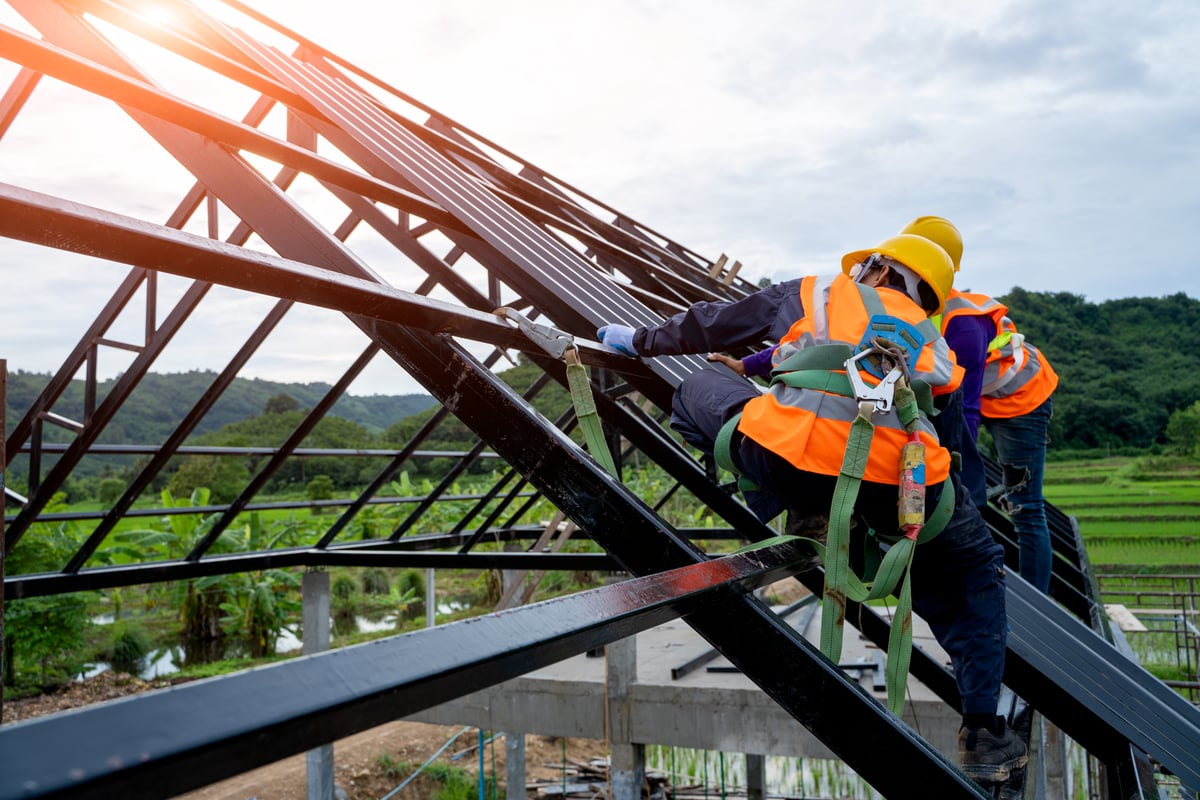
Investment Opportunities in Building Materials Companies

- Stable Revenue Source: Armstrong derives approximately 70% of its commercial revenue from renovation and remodeling work, which allows it to maintain stability during economic slowdowns and reduces reliance on new construction, thereby enhancing the company's risk resilience.
- High-End Product Growth: Armstrong's Architectural Specialties segment achieved record sales of $409.9 million in Q1, up 7.1% year-over-year, with an 11% increase in Architectural Specialties revenue, indicating successful transformation into the premium market and expected further EBITDA margin growth to 32%-34%.
- Shareholder-Friendly Policies: Armstrong has increased its dividend for seven consecutive years, with a 10% increase in 2025 to $0.339 per quarterly share, resulting in a current dividend yield of approximately 0.8%, reflecting the company's ongoing commitment to shareholder returns.
- Predictable Cash Flow: Carlisle's core commercial roofing demand primarily stems from maintenance and reroofing projects on aging buildings, ensuring revenue predictability; despite a 4% year-over-year decline in Q1 revenue to $1.05 billion, strong margins led to a 1% increase in adjusted EPS to $3.63.
See More
Investigation into Armstrong World Industries for Securities Fraud
- Securities Fraud Investigation: Pomerantz LLP is investigating Armstrong World Industries and its executives for potential securities fraud and other unlawful business practices, which could impact the company's reputation and shareholder confidence.
- Declining Financial Performance: In its February 24, 2026 earnings report, Armstrong disclosed that fourth-quarter results were below expectations due to project delays, resulting in insufficient operating leverage and creating an 'air pocket' that may affect future profitability.
- Significant Stock Price Drop: Following the disappointing performance, Armstrong's stock price fell by $18.53, approximately 10%, closing at $174.30 per share on February 24, 2026, reflecting market concerns about the company's outlook.
- Impact of Project Delays: The company noted that five significant projects were delayed and could not be completed in 2025, which not only affected quarterly results but may also have long-term negative implications for future revenue growth.
See More
Armstrong Under Investigation, Stock Plummets
- Securities Fraud Investigation: Pomerantz LLP is investigating whether Armstrong World Industries and its executives engaged in securities fraud or other unlawful business practices, which could undermine investor confidence and lead to legal actions.
- Poor Financial Performance: In its February 24, 2026 earnings report for Q4 2025, Armstrong disclosed that volumes were softer than expected and did not see the usual post-reopening bounce, indicating weak market demand.
- Project Delays Impact: The company noted that five significant projects in its Architectural Specialties segment were delayed, which not only affected quarterly results but also annual performance, revealing insufficient operating leverage and creating an “air pocket” in results.
- Stock Price Plummets: Following this news, Armstrong's stock price fell by $18.53, approximately 10%, closing at $174.30 per share on February 24, 2026, reflecting market concerns about the company's future outlook.
See More
Armstrong World Faces Securities Investigation
- Poor Financial Performance: Armstrong World reported on February 24, 2026, that its fourth-quarter results for 2025 showed softer volumes than expected, indicating the company's vulnerability in market recovery.
- Project Delays Impact: The delay of five significant projects in the Architectural Specialties segment not only affected quarterly results but also led to a shortfall in annual performance, highlighting deficiencies in project management and execution.
- Significant Stock Price Drop: Following the disappointing earnings report, Armstrong's stock price fell by $18.53, approximately 10%, from $192.83 to $174.30 on February 24, 2026, reflecting investor concerns about the company's outlook.
- Ongoing Legal Investigation: Although no lawsuit has been filed yet, the ongoing investigation into potential violations of federal securities laws may have significant implications for the company and its senior management, prompting investors to stay informed on developments.
See More
Armstrong Releases 2026 Sustainability Report Highlighting Progress
- Sustainability Progress: Armstrong made significant strides in 2025 across its three sustainability pillars—Healthy and Circular Products, Healthy Planet, and Thriving People and Communities—demonstrating the company's strategic commitment to enhancing operational efficiency and reducing waste.
- Product Innovation Enhancement: The 2026 report highlights improvements to Templok® energy-saving ceiling tiles, which now feature increased thermal storage capacity and the elimination of harmful chemicals, positioning them within the company's Sustain® portfolio that meets stringent environmental standards.
- Wastewater Processing Innovation: Armstrong implemented advanced wastewater processing at its Hilliard, Ohio facility, successfully diverting paint waste from landfills, thereby advancing its sustainability goals and operational efficiencies.
- Employee Development Investment: The company continues to invest in employee growth and workplace safety through the Armstrong World Industries Foundation and corporate giving initiatives, supporting education and environmental protection while fostering thriving communities.
See More
Investigation into Armstrong World Industries' Securities Practices
- Poor Financial Performance: Armstrong World reported on February 24, 2026, that its fourth-quarter results for 2025 showed softer volumes than expected, indicating the company's vulnerability in market recovery.
- Project Delays Impact: The company disclosed delays in five significant projects within its Architectural Specialties segment, which not only affected quarterly results but also led to annual performance setbacks, highlighting deficiencies in project management and scheduling.
- Significant Stock Price Drop: Following the disappointing earnings report, Armstrong's stock price fell by $18.53, approximately 10%, from $192.83 to $174.30 on February 24, 2026, reflecting investor concerns about the company's outlook.
- Ongoing Legal Investigation: No lawsuits have been filed yet, but an investigation into potential violations of federal securities laws is underway, indicating that the company faces potential legal risks that could impact future investor confidence.
See More
Investment Opportunities in Building Materials Companies
- Stable Revenue Source: Armstrong derives approximately 70% of its commercial revenue from renovation and remodeling work, which allows it to maintain stability during economic slowdowns and reduces reliance on new construction, thereby enhancing the company's risk resilience.
- High-End Product Growth: Armstrong's Architectural Specialties segment achieved record sales of $409.9 million in Q1, up 7.1% year-over-year, with an 11% increase in Architectural Specialties revenue, indicating successful transformation into the premium market and expected further EBITDA margin growth to 32%-34%.
- Shareholder-Friendly Policies: Armstrong has increased its dividend for seven consecutive years, with a 10% increase in 2025 to $0.339 per quarterly share, resulting in a current dividend yield of approximately 0.8%, reflecting the company's ongoing commitment to shareholder returns.
- Predictable Cash Flow: Carlisle's core commercial roofing demand primarily stems from maintenance and reroofing projects on aging buildings, ensuring revenue predictability; despite a 4% year-over-year decline in Q1 revenue to $1.05 billion, strong margins led to a 1% increase in adjusted EPS to $3.63.
See More