Iran Intensifies Attacks on U.S. and Israeli Assets Amid Ongoing Conflict
Written by Emily J. Thompson, Senior Investment Analyst
Updated: 5 hours ago
0mins

Should l Buy UAMY?
Source: CNBC
- Escalation of Retaliatory Attacks: The Iranian Revolutionary Guard Corps claims to have launched missile strikes on over 100 military and security targets within Israeli territory as revenge for the killing of security chief Ali Larijani, indicating a significant escalation in the ongoing conflict and heightened regional tensions.
- Multiple Attack Incidents: Iran's combined drone and missile attacks in Tel Aviv and central Israel resulted in two fatalities, further intensifying security threats for Israel, while drone strikes were also reported near the U.S. embassy in Baghdad, raising concerns over diplomatic safety.
- Energy Security Risks: The U.S. military dropped 5,000-pound bombs on Iranian missile sites near the Strait of Hormuz to restore oil tanker passage, highlighting the critical importance of energy security in the region and the potential for further increases in global oil prices.
- International Diplomatic Efforts: Saudi Arabia is set to host a meeting of foreign ministers from various Arab and Muslim nations in Riyadh to discuss the ongoing conflict, reflecting regional countries' concerns and their intent to seek a collective response to the escalating situation.
Trade with 70% Backtested Accuracy
Stop guessing "Should I Buy UAMY?" and start using high-conviction signals backed by rigorous historical data.
Sign up today to access powerful investing tools and make smarter, data-driven decisions.
Analyst Views on UAMY
Wall Street analysts forecast UAMY stock price to fall
3 Analyst Rating
3 Buy
0 Hold
0 Sell
Strong Buy
Current: 10.980

Low
9.75
Averages
10.00
High
10.25
Current: 10.980
Low
9.75
Averages
10.00
High
10.25
About UAMY
United States Antimony Corporation is engaged in the production and sale of antimony, precious metals, primarily gold and silver, and zeolite products. The Company has two reportable segments: antimony and zeolite. Its antimony segment consists of its facility located in the Burns Mining District of Sanders County in Montana that processes ore primarily into antimony oxide, antimony metal, antimony trisulfide, and precious metals, and its two facilities in its US Antimony de Mexico, S.A. de C.V. (USAMSA) subsidiary located in Mexico that process ore primarily into antimony metal and a lower grade of antimony oxide. Its zeolite segment includes its vertically integrated Bear River Zeolite (BRZ) facility located in Preston, Idaho that mines, processes, and sells zeolite. Its zeolite has been used in soil amendment and fertilizer, water filtration, and sewage treatment. The Company also operates Fostung Tungsten Property located near Sudbury, Ontario, Canada, near the town of Espanola.
About the author

Emily J. Thompson
Emily J. Thompson, a Chartered Financial Analyst (CFA) with 12 years in investment research, graduated with honors from the Wharton School. Specializing in industrial and technology stocks, she provides in-depth analysis for Intellectia’s earnings and market brief reports.
UAMY Approved for NYSE Uplisting and Receives $27 Million Military Funding

- Uplisting Progress: UAMY received approval to uplist from NYSE American to the New York Stock Exchange this month, marking a significant advancement in enhancing its institutional and retail shareholder base, which is expected to improve trading characteristics and attract more investors.
- Military Funding Support: The company was awarded $27 million by the Department of War under Title III of the Defense Production Act to enhance and expand domestic extraction, processing, and refinement capabilities for critical materials, directly strengthening its competitive position in defense applications.
- Surge in Market Sentiment: Retail investor sentiment for UAMY on Stocktwits surged from 'bullish' to 'extremely bullish' as the ongoing war in Iran continues, with message volume increasing by 30% in the past 24 hours, indicating strong confidence in the company's future.
- Stock Price Potential: Investors widely believe that UAMY shares have a 350% upside potential, especially given that the U.S. imports approximately 82% of its antimony, with China accounting for 63%, which heightens market expectations for the company's prospects in the current geopolitical climate.
See More
Strait of Hormuz Blockade Raises Global Oil Supply Concerns

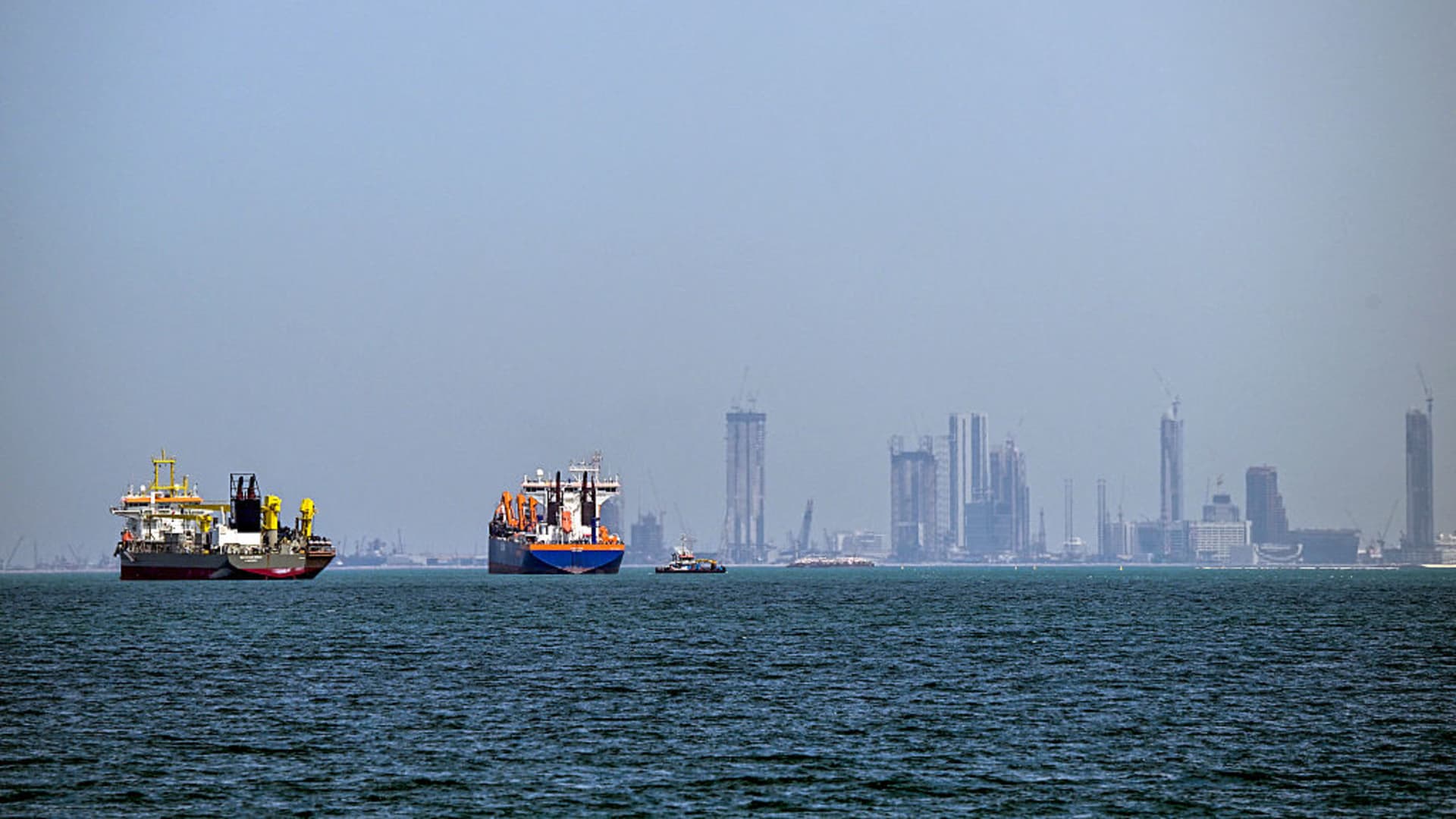
- Shipping Traffic Plummets: Since the onset of the conflict on February 28, only 21 tankers have transited the Strait of Hormuz, a drastic drop from over 100 daily before the war, potentially leading to soaring global oil prices and a supply crisis.
- Chinese Vessel Transit: During the conflict, 11 China-linked vessels successfully navigated the Strait, despite state-owned Cosco Shipping suspending new bookings, indicating a strategic shift in China's shipping approach to mitigate risks in the region.
- Random Attacks Heighten Uncertainty: The International Maritime Organization reports that at least 16 vessels have been struck near the UAE and Iraq, with attacks lacking a discernible pattern, increasing shipping uncertainty and forcing shipowners to seek alternative routes.
- Congestion on Alternative Routes: At the war's onset, 81 container ships were bound for the Strait, with 43 rerouting to other ports, causing significant congestion in alternative hubs like Fujairah and Sohar, thereby impacting global supply chain efficiency.
See More
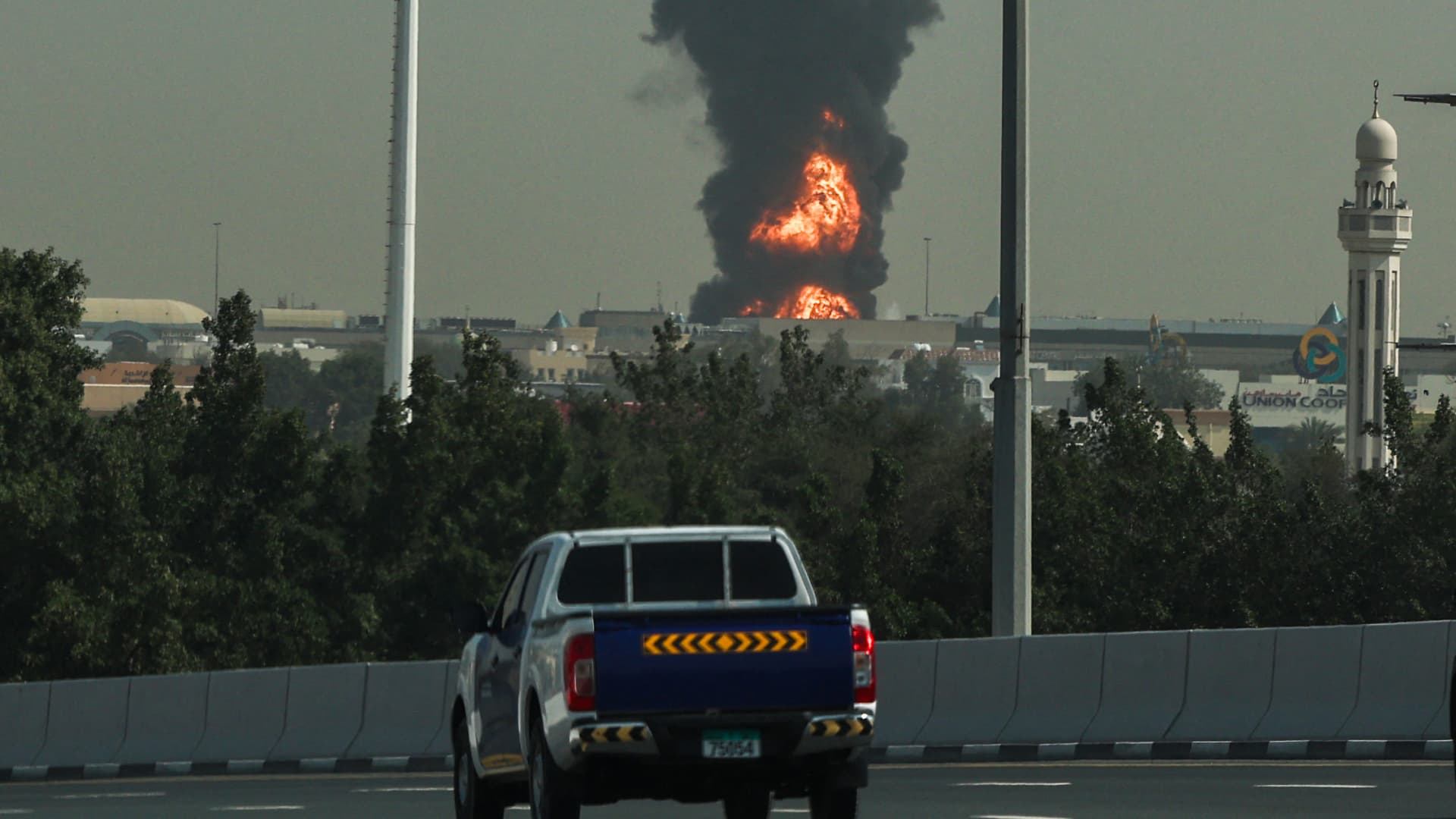
Iran Intensifies Attacks on U.S. and Israeli Assets Amid Ongoing Conflict

- Escalation of Retaliatory Attacks: The Iranian Revolutionary Guard Corps claims to have launched missile strikes on over 100 military and security targets within Israeli territory as revenge for the killing of security chief Ali Larijani, indicating a significant escalation in the ongoing conflict and heightened regional tensions.
- Multiple Attack Incidents: Iran's combined drone and missile attacks in Tel Aviv and central Israel resulted in two fatalities, further intensifying security threats for Israel, while drone strikes were also reported near the U.S. embassy in Baghdad, raising concerns over diplomatic safety.
- Energy Security Risks: The U.S. military dropped 5,000-pound bombs on Iranian missile sites near the Strait of Hormuz to restore oil tanker passage, highlighting the critical importance of energy security in the region and the potential for further increases in global oil prices.
- International Diplomatic Efforts: Saudi Arabia is set to host a meeting of foreign ministers from various Arab and Muslim nations in Riyadh to discuss the ongoing conflict, reflecting regional countries' concerns and their intent to seek a collective response to the escalating situation.
See More
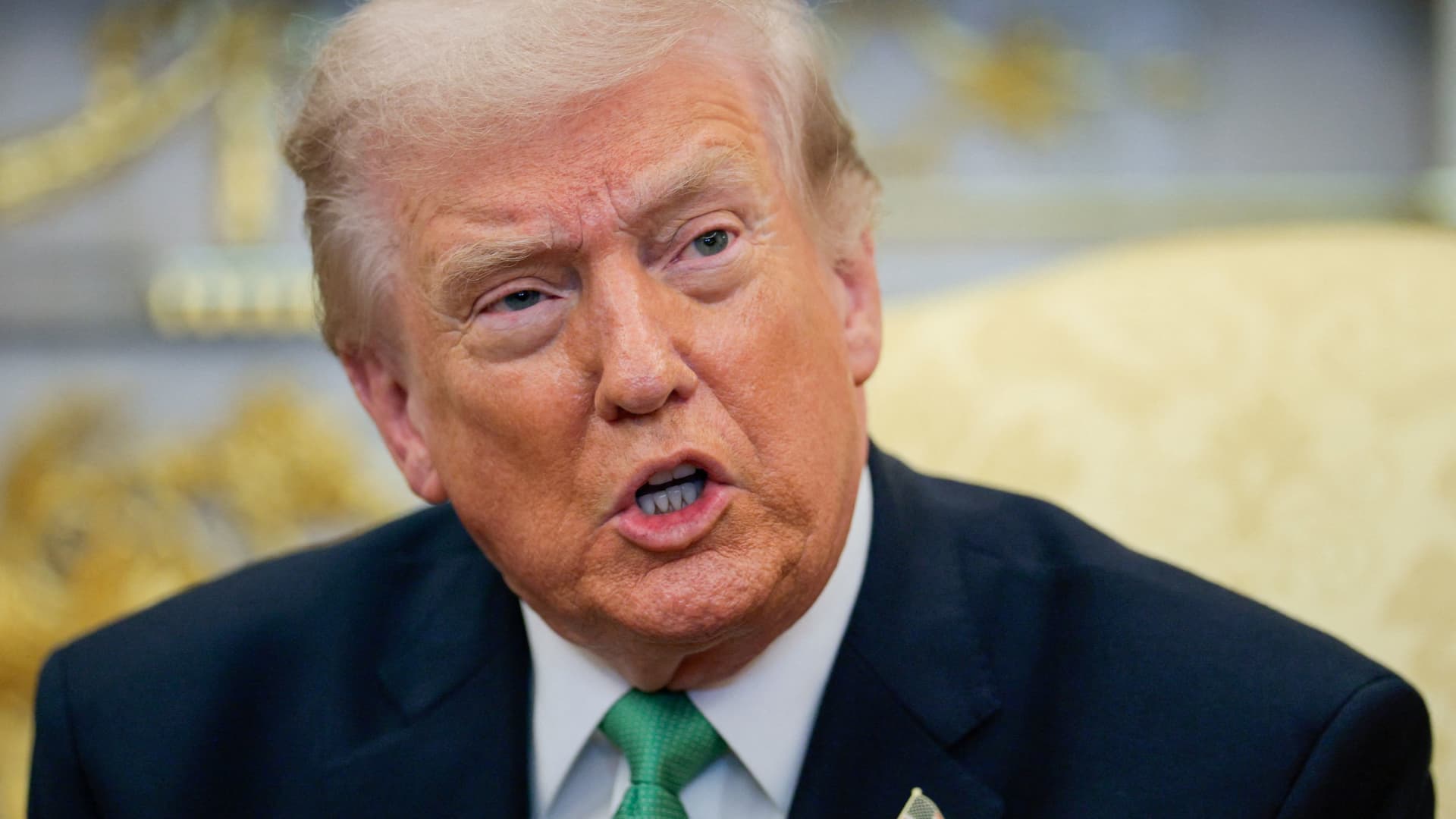
Trump Criticizes NATO Allies for Reluctance in Iran War

- Trump's NATO Criticism: During a meeting with the Irish Prime Minister, Trump criticized NATO allies for their reluctance to engage in the Iran war, labeling it a “foolish mistake,” which could strain U.S.-NATO relations further.
- U.S. Independence from NATO: Trump asserted that the U.S. does not require NATO's assistance in its military operations in Iran, claiming that recent military successes have made such support unnecessary, potentially diminishing NATO members' willingness to support U.S. initiatives.
- Oil Price Surge: Following Trump's remarks, oil prices rose sharply, indicating market skepticism regarding the likelihood of a multistate coalition reopening the vital Strait of Hormuz, which could destabilize global oil markets.
- Potential Delay in U.S.-China Summit: Trump suggested that his anticipated meeting with President Xi Jinping might be postponed, reflecting the complexities of international relations amid the Iran war and ongoing U.S. investigations into Chinese trade practices.
See More
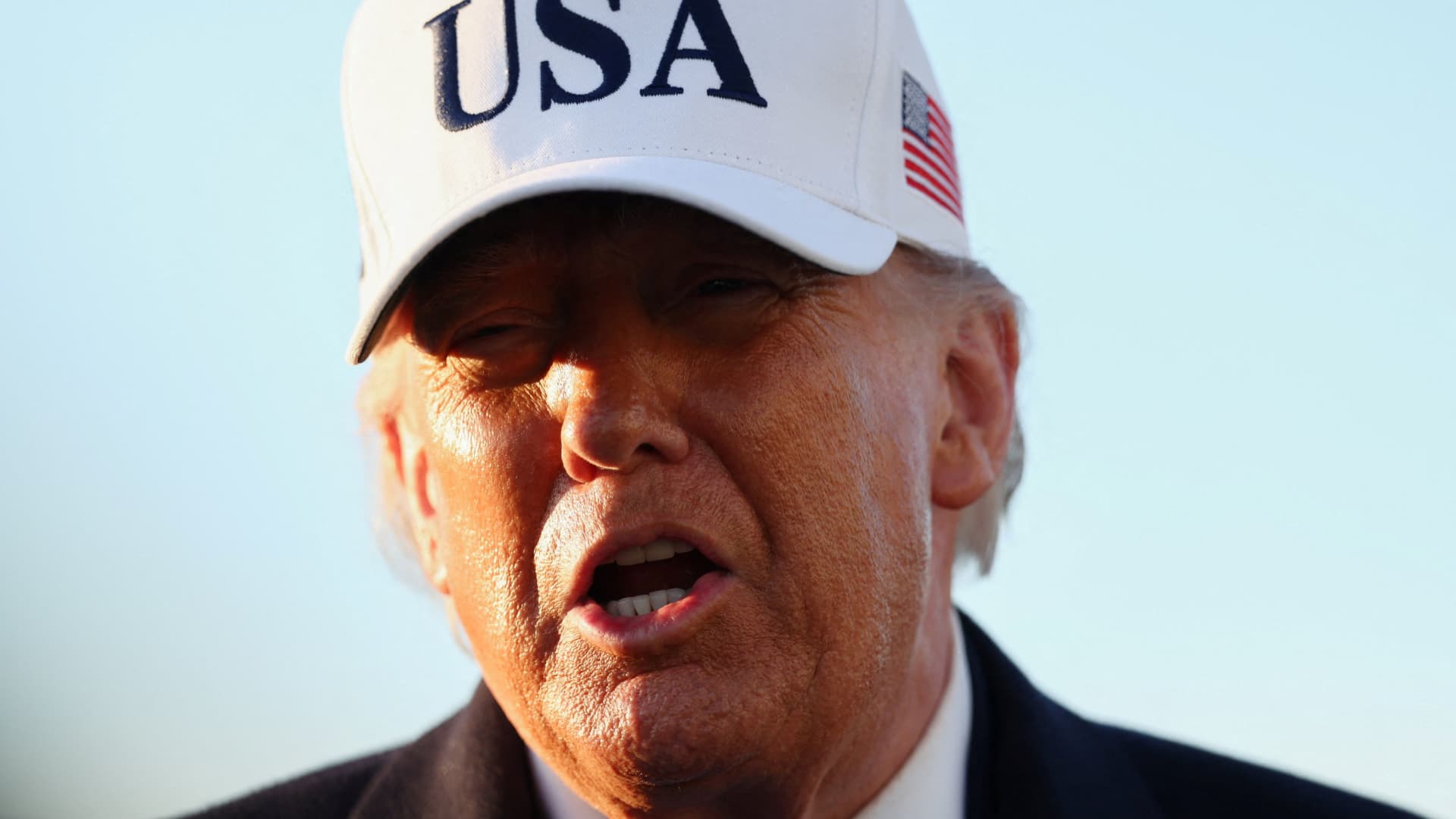
Trump Demands Other Countries Secure Strait of Hormuz

- International Responsibility Sharing: Trump stated aboard Air Force One that countries reliant on the Strait of Hormuz, such as China, should take on the responsibility of securing it, emphasizing the strait's critical importance for their energy supply, which reflects a shift in the U.S. role in international security affairs.
- Energy Dependency Discrepancy: Trump highlighted that approximately 90% of China's crude imports pass through the strait, while the U.S. only relies on 1% to 2%, indicating America's relative independence in the global energy supply chain and raising concerns about China's energy security.
- Ally Relations in Military Action: Trump's comments raised questions about the U.S. relationship with European and Asian allies, as analysts noted that the Trump administration did not consult allies before military actions against Iran, potentially eroding trust among allies.
- Standstill in Strait Traffic: Vessel traffic in the Strait of Hormuz has effectively come to a standstill, with Trump mentioning that the British Prime Minister offered to deploy aircraft carriers, yet no action was taken before the conflict, highlighting the tense and complex nature of international maritime security.
See More
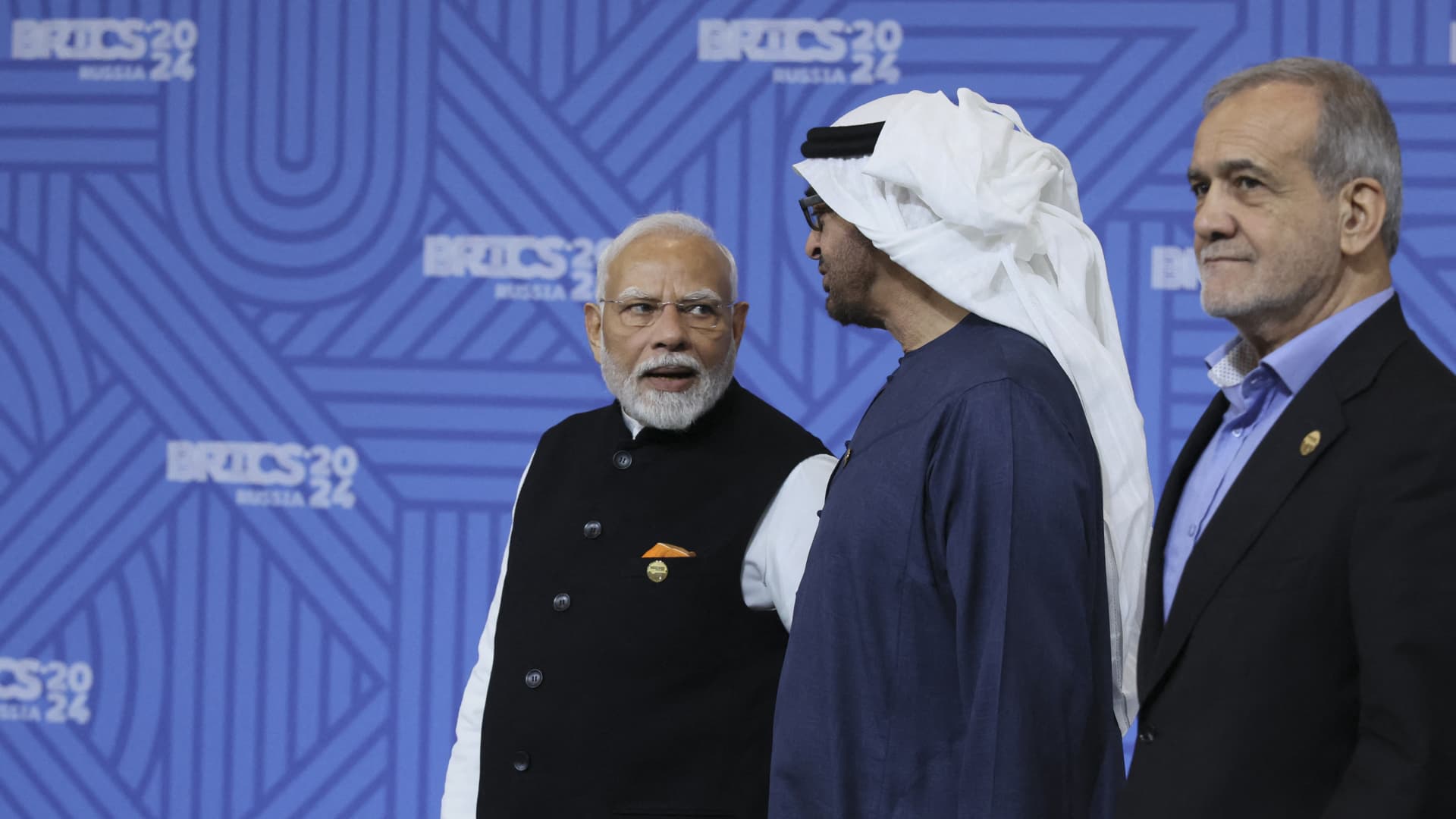
India-Iran Relations Strain Amid U.S. Alignment
- Energy Supply Crisis: As the world's third-largest oil importer, India faces rising energy costs and panic buying due to the closure of the Strait of Hormuz, which significantly threatens its energy security.
- Diplomatic Tensions: India's Foreign Minister stated that the recent transit of two Indian vessels through the Strait does not signify a blanket agreement with Iran, highlighting a lack of trust between the two nations.
- Increased International Pressure: During the BRICS summit hosted by India, Iran urged member states to condemn U.S.-Israeli attacks, placing New Delhi in a diplomatic bind and revealing its awkward position in the U.S.-Israel relationship.
- Reduced Investment: India has cut funding for the Chabahar Port project in Iran due to the U.S. not extending sanctions waivers, further undermining economic cooperation between the two countries.
See More
UAMY Approved for NYSE Uplisting and Receives $27 Million Military Funding
- Uplisting Progress: UAMY received approval to uplist from NYSE American to the New York Stock Exchange this month, marking a significant advancement in enhancing its institutional and retail shareholder base, which is expected to improve trading characteristics and attract more investors.
- Military Funding Support: The company was awarded $27 million by the Department of War under Title III of the Defense Production Act to enhance and expand domestic extraction, processing, and refinement capabilities for critical materials, directly strengthening its competitive position in defense applications.
- Surge in Market Sentiment: Retail investor sentiment for UAMY on Stocktwits surged from 'bullish' to 'extremely bullish' as the ongoing war in Iran continues, with message volume increasing by 30% in the past 24 hours, indicating strong confidence in the company's future.
- Stock Price Potential: Investors widely believe that UAMY shares have a 350% upside potential, especially given that the U.S. imports approximately 82% of its antimony, with China accounting for 63%, which heightens market expectations for the company's prospects in the current geopolitical climate.
See More
Strait of Hormuz Blockade Raises Global Oil Supply Concerns
- Shipping Traffic Plummets: Since the onset of the conflict on February 28, only 21 tankers have transited the Strait of Hormuz, a drastic drop from over 100 daily before the war, potentially leading to soaring global oil prices and a supply crisis.
- Chinese Vessel Transit: During the conflict, 11 China-linked vessels successfully navigated the Strait, despite state-owned Cosco Shipping suspending new bookings, indicating a strategic shift in China's shipping approach to mitigate risks in the region.
- Random Attacks Heighten Uncertainty: The International Maritime Organization reports that at least 16 vessels have been struck near the UAE and Iraq, with attacks lacking a discernible pattern, increasing shipping uncertainty and forcing shipowners to seek alternative routes.
- Congestion on Alternative Routes: At the war's onset, 81 container ships were bound for the Strait, with 43 rerouting to other ports, causing significant congestion in alternative hubs like Fujairah and Sohar, thereby impacting global supply chain efficiency.
See More
Iran Intensifies Attacks on U.S. and Israeli Assets Amid Ongoing Conflict
- Escalation of Retaliatory Attacks: The Iranian Revolutionary Guard Corps claims to have launched missile strikes on over 100 military and security targets within Israeli territory as revenge for the killing of security chief Ali Larijani, indicating a significant escalation in the ongoing conflict and heightened regional tensions.
- Multiple Attack Incidents: Iran's combined drone and missile attacks in Tel Aviv and central Israel resulted in two fatalities, further intensifying security threats for Israel, while drone strikes were also reported near the U.S. embassy in Baghdad, raising concerns over diplomatic safety.
- Energy Security Risks: The U.S. military dropped 5,000-pound bombs on Iranian missile sites near the Strait of Hormuz to restore oil tanker passage, highlighting the critical importance of energy security in the region and the potential for further increases in global oil prices.
- International Diplomatic Efforts: Saudi Arabia is set to host a meeting of foreign ministers from various Arab and Muslim nations in Riyadh to discuss the ongoing conflict, reflecting regional countries' concerns and their intent to seek a collective response to the escalating situation.
See More
Trump Criticizes NATO Allies for Reluctance in Iran War
- Trump's NATO Criticism: During a meeting with the Irish Prime Minister, Trump criticized NATO allies for their reluctance to engage in the Iran war, labeling it a “foolish mistake,” which could strain U.S.-NATO relations further.
- U.S. Independence from NATO: Trump asserted that the U.S. does not require NATO's assistance in its military operations in Iran, claiming that recent military successes have made such support unnecessary, potentially diminishing NATO members' willingness to support U.S. initiatives.
- Oil Price Surge: Following Trump's remarks, oil prices rose sharply, indicating market skepticism regarding the likelihood of a multistate coalition reopening the vital Strait of Hormuz, which could destabilize global oil markets.
- Potential Delay in U.S.-China Summit: Trump suggested that his anticipated meeting with President Xi Jinping might be postponed, reflecting the complexities of international relations amid the Iran war and ongoing U.S. investigations into Chinese trade practices.
See More
Trump Demands Other Countries Secure Strait of Hormuz
- International Responsibility Sharing: Trump stated aboard Air Force One that countries reliant on the Strait of Hormuz, such as China, should take on the responsibility of securing it, emphasizing the strait's critical importance for their energy supply, which reflects a shift in the U.S. role in international security affairs.
- Energy Dependency Discrepancy: Trump highlighted that approximately 90% of China's crude imports pass through the strait, while the U.S. only relies on 1% to 2%, indicating America's relative independence in the global energy supply chain and raising concerns about China's energy security.
- Ally Relations in Military Action: Trump's comments raised questions about the U.S. relationship with European and Asian allies, as analysts noted that the Trump administration did not consult allies before military actions against Iran, potentially eroding trust among allies.
- Standstill in Strait Traffic: Vessel traffic in the Strait of Hormuz has effectively come to a standstill, with Trump mentioning that the British Prime Minister offered to deploy aircraft carriers, yet no action was taken before the conflict, highlighting the tense and complex nature of international maritime security.
See More
India-Iran Relations Strain Amid U.S. Alignment
- Energy Supply Crisis: As the world's third-largest oil importer, India faces rising energy costs and panic buying due to the closure of the Strait of Hormuz, which significantly threatens its energy security.
- Diplomatic Tensions: India's Foreign Minister stated that the recent transit of two Indian vessels through the Strait does not signify a blanket agreement with Iran, highlighting a lack of trust between the two nations.
- Increased International Pressure: During the BRICS summit hosted by India, Iran urged member states to condemn U.S.-Israeli attacks, placing New Delhi in a diplomatic bind and revealing its awkward position in the U.S.-Israel relationship.
- Reduced Investment: India has cut funding for the Chabahar Port project in Iran due to the U.S. not extending sanctions waivers, further undermining economic cooperation between the two countries.
See More