Investors Avoid Credit Card Companies Amid Rate Caps
Written by Emily J. Thompson, Senior Investment Analyst
Updated: Feb 03 2026
0mins
Source: Fool
- Investor Sentiment Shift: Many investors are avoiding credit card companies like Capital One due to the President's attempts to cap credit card interest rates, leading to a decline in market interest that could negatively impact future stock performance.
- Lack of Market Awareness: Venture Global remains relatively unknown, with many investors lacking awareness of its potential value, which may present future investment opportunities as it could be undervalued.
- Stock Price Fluctuation: As of January 29, 2026, Capital One's stock price increased by 2.21%, indicating some market confidence in its short-term performance, although its long-term outlook remains at risk due to policy uncertainties.
- Video Content Significance: The video published on February 1, 2026, aims to enhance awareness of both Capital One and Venture Global, potentially attracting more investors to reassess the investment value of these two stocks.
Trade with 70% Backtested Accuracy
Stop guessing "Should I Buy COF?" and start using high-conviction signals backed by rigorous historical data.
Sign up today to access powerful investing tools and make smarter, data-driven decisions.
Analyst Views on COF
Wall Street analysts forecast COF stock price to rise over the next 12 months. According to Wall Street analysts, the average 1-year price target for COF is 284.22 USD with a low forecast of 256.00 USD and a high forecast of 310.00 USD. However, analyst price targets are subjective and often lag stock prices, so investors should focus on the objective reasons behind analyst rating changes, which better reflect the company's fundamentals.
18 Analyst Rating
16 Buy
2 Hold
0 Sell
Strong Buy
Current: 214.390

Low
256.00
Averages
284.22
High
310.00
Current: 214.390
Low
256.00
Averages
284.22
High
310.00
About COF
Capital One Financial Corporation is a diversified financial services holding company with banking and non-banking subsidiaries. The Company offers a broad spectrum of financial products and services to consumers, small businesses and commercial clients through a variety of channels. It operates through three segments: Credit Card, Consumer Banking and Commercial Banking. The Credit Card segment consists of its domestic consumer and small business card lending, and international card businesses in the United Kingdom and Canada. The Consumer Banking segment consists of its deposit gathering and lending activities for consumers and small businesses, and national auto lending. The Commercial Banking segment consists of its lending, deposit gathering, capital markets and treasury management services to commercial real estate and commercial and industrial customers. Its principal operating subsidiary is Capital One, National Association, which offers banking products and financial services.
About the author

Emily J. Thompson
Emily J. Thompson, a Chartered Financial Analyst (CFA) with 12 years in investment research, graduated with honors from the Wharton School. Specializing in industrial and technology stocks, she provides in-depth analysis for Intellectia’s earnings and market brief reports.

Trump Proposes Cap on Credit Card Interest Rates


- Proposed Interest Rate Cap: President Trump has proposed a cap on credit card interest rates at 10% as part of his initiative to improve affordability for Americans, which could negatively impact revenue for credit card issuers like JPMorgan Chase and Capital One.
- Market Size and Impact: With over $1.2 trillion in credit card debt held by Americans and current rates often between 25% and 30%, the proposal could restrict credit to only the most creditworthy borrowers, potentially affecting popular points and rewards systems.
- Legislative Hurdles and Industry Pushback: The proposal faces significant legislative hurdles and is unlikely to gain bipartisan support, compounded by the powerful lobbying efforts of the banking industry aimed at protecting their interests.
- Visa and Mastercard's Competitive Edge: Unlike credit card issuers, Visa and Mastercard do not assume credit risk, and while the proposal may reduce credit card spending, these companies continue to earn fees from transactions, benefiting from a strong network effect and maintaining high profit margins.
See More
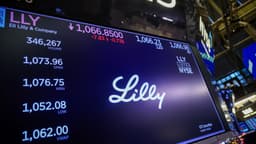
Market Update: Microsoft Downgrade, Kroger's New CEO Announcement


- Microsoft Downgrade: Melius Research downgraded Microsoft from buy to hold, citing that CEO Satya Nadella has lost the AI narrative and that the stock appears overpriced based on new free cash flow estimates, which may undermine investor confidence.
- Eli Lilly Acquires Orna: Eli Lilly announced the acquisition of biotech firm Orna Therapeutics for up to $2.4 billion, leading to a premarket surge in Eli Lilly and rival Novo Nordisk shares, indicating a positive market response towards biotech investments.
- Kroger's New CEO: Kroger's stock advanced nearly 7% in premarket trading after reports indicated that former Walmart executive Greg Foran will be appointed as the new CEO, having previously led Walmart's U.S. division for six years, suggesting a strategic shift for Kroger.
- Robinhood Upgrade: Wolfe Research upgraded Robinhood from hold to buy, despite the stock's recent decline amid a major cryptocurrency sell-off, as analysts believe its future potential remains strong, which could attract renewed investor interest.
See More

Jim Cramer Comments on Synchrony Financial's Stock Outlook


- Investment Advice: Jim Cramer explicitly stated he does not want to own Synchrony Financial (SYF) and prefers Capital One (COF), indicating a lack of confidence in SYF that may influence investor decisions.
- Stock Price Dynamics: Cramer noted Capital One's stock has pulled back from $259 to $225, showcasing its attractiveness, while SYF's stock has declined by 1.1% since the comments were made, reflecting market concerns about its outlook.
- Share Repurchase Situation: Synchrony Financial has been retiring 7% of its shares annually, which somewhat boosts earnings per share; however, Cramer believes this is insufficient to offset its lack of investment appeal, potentially leading investors to reassess its value.
- Market Comparison: While SYF has potential in credit cards and healthcare financing, analysts believe it offers less upside compared to certain AI stocks, which may carry greater upside potential and less downside risk, affecting its position in investment portfolios.
See More

Capital One Under Investigation for Securities Fraud
- Earnings Miss: On January 22, 2026, Capital One reported Q4 2025 earnings of $3.86 per share, falling short of analyst expectations of $4.14, indicating a decline in profitability that could undermine investor confidence.
- Efficiency Ratio Shortfall: The company's efficiency ratio stood at 60%, also missing analyst forecasts, suggesting issues in cost management that may further impair future profitability.
- Significant Stock Drop: Following the earnings report, Capital One's stock price plummeted by $17.77, or 7.56%, to close at $217.30 on January 23, 2026, reflecting market concerns regarding the company's financial health.
- Legal Investigation Initiated: Pomerantz LLP is investigating whether Capital One and its executives engaged in securities fraud or other unlawful practices, which could expose the company to legal risks and potential liabilities, further impacting its market performance.
See More

Capital One Financial Declares $0.80 Quarterly Dividend
- Quarterly Dividend Announcement: Capital One Financial has declared a quarterly dividend of $0.80 per share, consistent with previous distributions, indicating the company's stable cash flow and profitability, which is likely to attract income-seeking investors.
- Dividend Yield: The forward yield of 1.43% reflects the company's attractiveness in the current market environment, potentially increasing investor interest in its stock, especially amid rising interest rates.
- Payment Schedule: The dividend is payable on March 2, with a record date of February 19 and an ex-dividend date also set for February 19, providing investors with a clear timeline to inform their investment decisions.
- Improving Credit Quality: According to the December Credit Pulse report, delinquency and net charge-off rates have drifted down, indicating an improvement in Capital One's credit quality, which may further bolster market confidence in its future performance.
See More

Investors Avoid Credit Card Companies Amid Rate Caps

- Investor Sentiment Shift: Many investors are avoiding credit card companies like Capital One due to the President's attempts to cap credit card interest rates, leading to a decline in market interest that could negatively impact future stock performance.
- Lack of Market Awareness: Venture Global remains relatively unknown, with many investors lacking awareness of its potential value, which may present future investment opportunities as it could be undervalued.
- Stock Price Fluctuation: As of January 29, 2026, Capital One's stock price increased by 2.21%, indicating some market confidence in its short-term performance, although its long-term outlook remains at risk due to policy uncertainties.
- Video Content Significance: The video published on February 1, 2026, aims to enhance awareness of both Capital One and Venture Global, potentially attracting more investors to reassess the investment value of these two stocks.
See More
Trump Proposes Cap on Credit Card Interest Rates
- Proposed Interest Rate Cap: President Trump has proposed a cap on credit card interest rates at 10% as part of his initiative to improve affordability for Americans, which could negatively impact revenue for credit card issuers like JPMorgan Chase and Capital One.
- Market Size and Impact: With over $1.2 trillion in credit card debt held by Americans and current rates often between 25% and 30%, the proposal could restrict credit to only the most creditworthy borrowers, potentially affecting popular points and rewards systems.
- Legislative Hurdles and Industry Pushback: The proposal faces significant legislative hurdles and is unlikely to gain bipartisan support, compounded by the powerful lobbying efforts of the banking industry aimed at protecting their interests.
- Visa and Mastercard's Competitive Edge: Unlike credit card issuers, Visa and Mastercard do not assume credit risk, and while the proposal may reduce credit card spending, these companies continue to earn fees from transactions, benefiting from a strong network effect and maintaining high profit margins.
See More
Market Update: Microsoft Downgrade, Kroger's New CEO Announcement
- Microsoft Downgrade: Melius Research downgraded Microsoft from buy to hold, citing that CEO Satya Nadella has lost the AI narrative and that the stock appears overpriced based on new free cash flow estimates, which may undermine investor confidence.
- Eli Lilly Acquires Orna: Eli Lilly announced the acquisition of biotech firm Orna Therapeutics for up to $2.4 billion, leading to a premarket surge in Eli Lilly and rival Novo Nordisk shares, indicating a positive market response towards biotech investments.
- Kroger's New CEO: Kroger's stock advanced nearly 7% in premarket trading after reports indicated that former Walmart executive Greg Foran will be appointed as the new CEO, having previously led Walmart's U.S. division for six years, suggesting a strategic shift for Kroger.
- Robinhood Upgrade: Wolfe Research upgraded Robinhood from hold to buy, despite the stock's recent decline amid a major cryptocurrency sell-off, as analysts believe its future potential remains strong, which could attract renewed investor interest.
See More
Jim Cramer Comments on Synchrony Financial's Stock Outlook
- Investment Advice: Jim Cramer explicitly stated he does not want to own Synchrony Financial (SYF) and prefers Capital One (COF), indicating a lack of confidence in SYF that may influence investor decisions.
- Stock Price Dynamics: Cramer noted Capital One's stock has pulled back from $259 to $225, showcasing its attractiveness, while SYF's stock has declined by 1.1% since the comments were made, reflecting market concerns about its outlook.
- Share Repurchase Situation: Synchrony Financial has been retiring 7% of its shares annually, which somewhat boosts earnings per share; however, Cramer believes this is insufficient to offset its lack of investment appeal, potentially leading investors to reassess its value.
- Market Comparison: While SYF has potential in credit cards and healthcare financing, analysts believe it offers less upside compared to certain AI stocks, which may carry greater upside potential and less downside risk, affecting its position in investment portfolios.
See More
Capital One Under Investigation for Securities Fraud
- Earnings Miss: On January 22, 2026, Capital One reported Q4 2025 earnings of $3.86 per share, falling short of analyst expectations of $4.14, indicating a decline in profitability that could undermine investor confidence.
- Efficiency Ratio Shortfall: The company's efficiency ratio stood at 60%, also missing analyst forecasts, suggesting issues in cost management that may further impair future profitability.
- Significant Stock Drop: Following the earnings report, Capital One's stock price plummeted by $17.77, or 7.56%, to close at $217.30 on January 23, 2026, reflecting market concerns regarding the company's financial health.
- Legal Investigation Initiated: Pomerantz LLP is investigating whether Capital One and its executives engaged in securities fraud or other unlawful practices, which could expose the company to legal risks and potential liabilities, further impacting its market performance.
See More
Capital One Financial Declares $0.80 Quarterly Dividend
- Quarterly Dividend Announcement: Capital One Financial has declared a quarterly dividend of $0.80 per share, consistent with previous distributions, indicating the company's stable cash flow and profitability, which is likely to attract income-seeking investors.
- Dividend Yield: The forward yield of 1.43% reflects the company's attractiveness in the current market environment, potentially increasing investor interest in its stock, especially amid rising interest rates.
- Payment Schedule: The dividend is payable on March 2, with a record date of February 19 and an ex-dividend date also set for February 19, providing investors with a clear timeline to inform their investment decisions.
- Improving Credit Quality: According to the December Credit Pulse report, delinquency and net charge-off rates have drifted down, indicating an improvement in Capital One's credit quality, which may further bolster market confidence in its future performance.
See More
Investors Avoid Credit Card Companies Amid Rate Caps
- Investor Sentiment Shift: Many investors are avoiding credit card companies like Capital One due to the President's attempts to cap credit card interest rates, leading to a decline in market interest that could negatively impact future stock performance.
- Lack of Market Awareness: Venture Global remains relatively unknown, with many investors lacking awareness of its potential value, which may present future investment opportunities as it could be undervalued.
- Stock Price Fluctuation: As of January 29, 2026, Capital One's stock price increased by 2.21%, indicating some market confidence in its short-term performance, although its long-term outlook remains at risk due to policy uncertainties.
- Video Content Significance: The video published on February 1, 2026, aims to enhance awareness of both Capital One and Venture Global, potentially attracting more investors to reassess the investment value of these two stocks.
See More