Investment Opportunities in Artificial Intelligence
Written by Emily J. Thompson, Senior Investment Analyst
Updated: Feb 06 2026
0mins

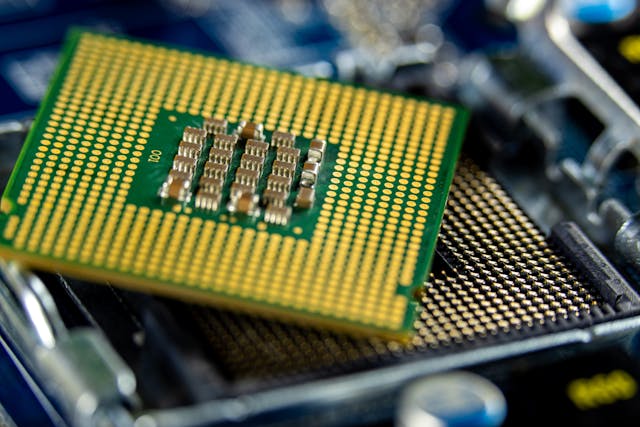
Should l Buy NVDA?
Source: Fool
- Massive Market Potential: Global spending on AI computing is projected to reach $3 trillion to $4 trillion over the next few years, presenting investors with opportunities to create generational wealth, particularly through strategic stock investments.
- Synergistic Effect of Nvidia and Broadcom: Nvidia's GPUs have become the primary computing units for AI workloads, while Broadcom focuses on designing custom AI chips for specific workloads, providing investors with diversified options to benefit from sustained growth in the AI market.
- TSMC's Technological Innovation: TSMC's newly launched 2-nanometer chips consume 25% to 30% less power at the same speed as previous 3nm chips, positioning it as the primary manufacturing partner for AI computing hardware, and it stands to benefit from increased AI spending, further solidifying its market position.
- Growth Potential of Nebius: Although Nebius has a market cap of only $21 billion, its annual run rate reached $551 million in Q3, with projections of $7 billion to $9 billion by the end of 2026, making it a potential top-performing stock if it can achieve this growth trajectory.
Trade with 70% Backtested Accuracy
Stop guessing "Should I Buy NVDA?" and start using high-conviction signals backed by rigorous historical data.
Sign up today to access powerful investing tools and make smarter, data-driven decisions.
Analyst Views on NVDA
Wall Street analysts forecast NVDA stock price to rise
41 Analyst Rating
39 Buy
1 Hold
1 Sell
Strong Buy
Current: 199.570

Low
200.00
Averages
264.97
High
352.00
Current: 199.570
Low
200.00
Averages
264.97
High
352.00
About NVDA
NVIDIA Corporation is an artificial intelligence (AI) infrastructure company. The Company is engaged in accelerated computing to help solve the challenging computational problems. Its segments include Compute & Networking and Graphics. The Compute & Networking segment includes its Data Center accelerated computing and networking platforms and AI solutions and software, and automotive platforms and autonomous and electric vehicle solutions, including software. The Graphics segment includes GeForce GPUs for gaming and personal computers (PCs), and Quadro/NVIDIA RTX GPUs for enterprise workstation graphics. Its technology stack includes the foundational NVIDIA CUDA development platform that runs on all NVIDIA GPUs, as well as hundreds of domain-specific software libraries, frameworks, algorithms, software development kits (SDKs), and application programming interfaces (APIs). Its platforms address four markets, which include Data Center, Gaming, Professional Visualization, and Automotive.
About the author

Emily J. Thompson
Emily J. Thompson, a Chartered Financial Analyst (CFA) with 12 years in investment research, graduated with honors from the Wharton School. Specializing in industrial and technology stocks, she provides in-depth analysis for Intellectia’s earnings and market brief reports.

SpaceX IPO Expected to Set Historic Valuation

- Valuation Target: SpaceX is targeting a $1.75 trillion valuation for its IPO, aiming to raise up to $75 billion, which would make it one of the largest IPOs in history, significantly enhancing the company's market position.
- Retail Investor Priority: The IPO will allocate up to 30% of shares to small retail investors, a move that not only increases participation opportunities for everyday investors but may also boost overall market demand for SpaceX.
- AI Chip Demand: As a major buyer of GPUs and AI chips, SpaceX plans to design its own AI processors in partnership with Tesla, although this will take years; in the meantime, reliance on external suppliers like Nvidia is expected to drive sales growth for Nvidia.
- Orbital Data Center Vision: The influx of capital will accelerate SpaceX's development of its massive Starship rocket, and if successful in establishing orbital data centers, it could create significant market opportunities for Nvidia, especially amid the rapid growth in AI computing demands.
See More
NVIDIA Has Not Sold H200 Chips to Chinese Firms Amid Trade Concerns
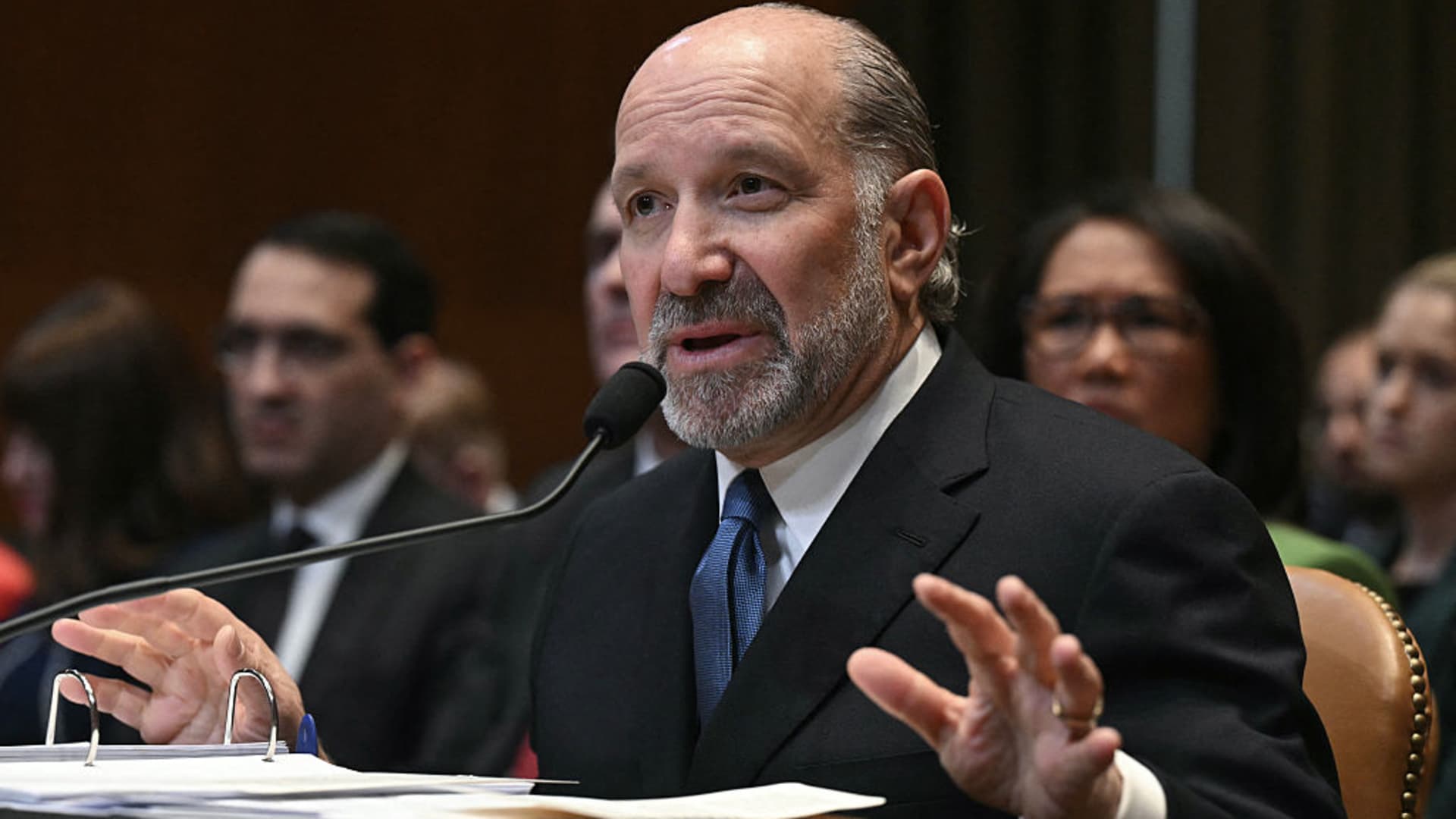
- Sales Delay: NVIDIA has not sold its H200 AI chips to Chinese enterprises, as reported by Secretary Howard Lutnick, who attributed the delay to China's government banning acquisitions to favor domestic market investment, highlighting the tension in US-China trade relations.
- Policy Impact: The Trump administration approved shipments of H200 chips to China in January with conditions, raising concerns among US lawmakers about potential military applications, which has further complicated sales terms and slowed supply chains.
- Export Restrictions: Lutnick mentioned that the affiliates rule blocking exports to thousands of Chinese businesses is still under consideration, linked to broader trade negotiations, indicating that policy uncertainty may affect NVIDIA's market strategy.
- Investment Potential: While NVIDIA is recognized as one of the best data center hardware stocks, analysts suggest that certain AI stocks may offer greater upside potential and lower downside risk, reflecting a diverse outlook on the AI sector.
See More

Nvidia Invests in Nebius, Projected for Incredible Growth in 2026

- Nvidia Stock Surge: Nvidia's stock has rebounded to the $5 trillion mark, setting a new all-time high, although it has only gained 16% so far in 2026, indicating its ongoing appeal in the AI sector.
- Nebius Outperformance: Nebius has seen a remarkable 73% increase in stock price, making it one of the best-performing AI stocks of 2026, reflecting strong market demand for its AI-first cloud infrastructure and investor confidence.
- Revenue Growth Expectations: Nebius anticipates its annual revenue will soar from $1.25 billion at the end of 2025 to between $7 billion and $9 billion by the end of 2026, showcasing its potential and attractiveness in the rapidly growing AI market.
- Wall Street Analyst Support: Wall Street analysts project Nebius will achieve 523% revenue growth in 2026 and 206% in 2027, indicating its business could grow 20-fold from the end of 2025 to the end of 2027, suggesting investors should seize this opportunity.
See More
U.S. Commerce Secretary Testifies on Nvidia Chip Exports to China
- Chip Export Controversy: U.S. Commerce Secretary Howard Lutnick testified that no H200 chips have been sold to Chinese companies, contradicting Nvidia CEO Jensen Huang's earlier claims of receiving approvals from both governments, indicating potential inconsistencies in policy that could undermine Nvidia's market confidence.
- National Security Concerns: Senator Chris Coons expressed deep concerns in a letter regarding the export of H200 chips to China, stating that allowing Chinese companies to purchase these products poses a serious risk to U.S. national security and economic leadership, reflecting increasing scrutiny over technology exports.
- Sales Dependency Issues: In 2025, the Trump administration mandated that Nvidia obtain licenses for chip exports to China and other countries, with at least one-fifth of Nvidia's data center revenue previously coming from China, suggesting that this policy shift could significantly impact the company's revenue.
- Follow-Up Action Request: Coons requested Lutnick to respond within a week regarding the number of H200 chips licensed for export, shipped to China, and future licensing plans, highlighting Congress's heightened focus on chip export regulation and the demand for transparency.
See More
Apple's Strong Earnings Propel Stock Market Higher


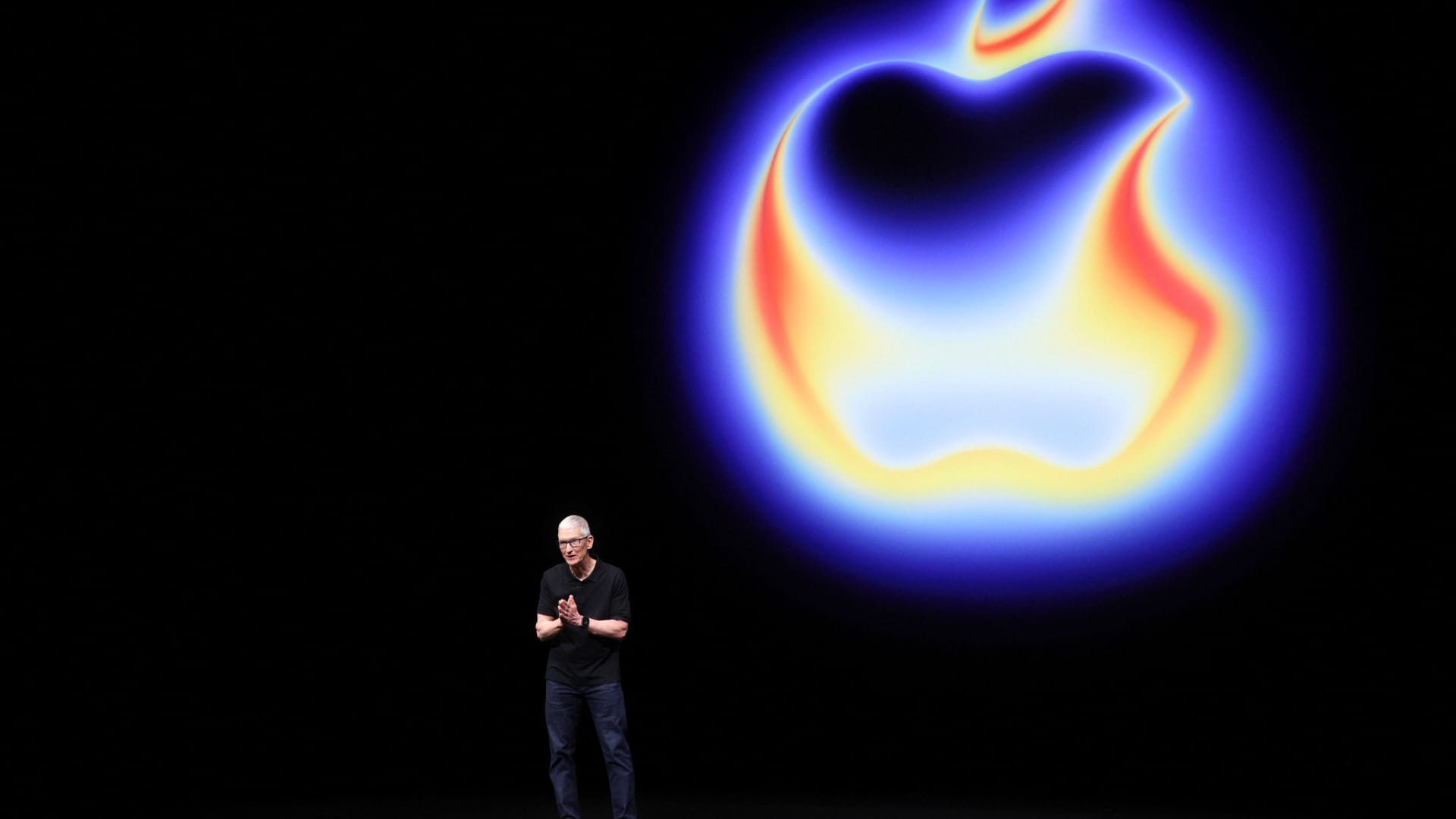
- Apple's Earnings Surprise: Apple reported a projected revenue increase of 14% to 17% for the June quarter, significantly exceeding the Street's expectation of 9%, which solidifies its leadership position in the tech industry.
- Record Services Revenue: The company's services revenue reached an all-time high of $30.97 billion, up 16% year-over-year, indicating strong growth potential in its digital services segment and expected to drive future revenue growth.
- Positive Market Reaction: Apple's stock rose by 3.5%, with Wells Fargo raising its price target from $300 to $310, reflecting market optimism regarding its future performance.
- Memory Price Concerns: Despite Sandisk's earnings beating expectations, its shares fell 5%, highlighting market concerns over rising memory chip prices, which could impact overall industry profitability.
See More

Pentagon Strikes AI Deals with Seven Companies
- Supply Chain Risk Alert: Pentagon CTO Emil Michael highlighted that Anthropic remains a supply chain risk, with government departments required to transition away from its AI models within six months to address the complexities of the process and ensure national security.
- Adoption of Open Source AI: Michael stated that the Pentagon is adopting open source AI models as a new strategic vector to counter the infiltration of Chinese models, ensuring American autonomy and security in AI technology.
- Diverse AI Capabilities: The Pentagon has struck deals with seven companies, including Nvidia, OpenAI, and Microsoft, aiming to leverage the strengths of different models to enhance warfighters' confidence and capability to respond to threats, thereby safeguarding national security.
- Platform Usage Statistics: The Pentagon's GenAI.mil platform has been utilized by over 1.3 million personnel, generating tens of millions of prompts and deploying hundreds of thousands of agents within five months, demonstrating the potential and significance of AI technology in military applications.
See More
SpaceX IPO Expected to Set Historic Valuation
- Valuation Target: SpaceX is targeting a $1.75 trillion valuation for its IPO, aiming to raise up to $75 billion, which would make it one of the largest IPOs in history, significantly enhancing the company's market position.
- Retail Investor Priority: The IPO will allocate up to 30% of shares to small retail investors, a move that not only increases participation opportunities for everyday investors but may also boost overall market demand for SpaceX.
- AI Chip Demand: As a major buyer of GPUs and AI chips, SpaceX plans to design its own AI processors in partnership with Tesla, although this will take years; in the meantime, reliance on external suppliers like Nvidia is expected to drive sales growth for Nvidia.
- Orbital Data Center Vision: The influx of capital will accelerate SpaceX's development of its massive Starship rocket, and if successful in establishing orbital data centers, it could create significant market opportunities for Nvidia, especially amid the rapid growth in AI computing demands.
See More
NVIDIA Has Not Sold H200 Chips to Chinese Firms Amid Trade Concerns
- Sales Delay: NVIDIA has not sold its H200 AI chips to Chinese enterprises, as reported by Secretary Howard Lutnick, who attributed the delay to China's government banning acquisitions to favor domestic market investment, highlighting the tension in US-China trade relations.
- Policy Impact: The Trump administration approved shipments of H200 chips to China in January with conditions, raising concerns among US lawmakers about potential military applications, which has further complicated sales terms and slowed supply chains.
- Export Restrictions: Lutnick mentioned that the affiliates rule blocking exports to thousands of Chinese businesses is still under consideration, linked to broader trade negotiations, indicating that policy uncertainty may affect NVIDIA's market strategy.
- Investment Potential: While NVIDIA is recognized as one of the best data center hardware stocks, analysts suggest that certain AI stocks may offer greater upside potential and lower downside risk, reflecting a diverse outlook on the AI sector.
See More
Nvidia Invests in Nebius, Projected for Incredible Growth in 2026
- Nvidia Stock Surge: Nvidia's stock has rebounded to the $5 trillion mark, setting a new all-time high, although it has only gained 16% so far in 2026, indicating its ongoing appeal in the AI sector.
- Nebius Outperformance: Nebius has seen a remarkable 73% increase in stock price, making it one of the best-performing AI stocks of 2026, reflecting strong market demand for its AI-first cloud infrastructure and investor confidence.
- Revenue Growth Expectations: Nebius anticipates its annual revenue will soar from $1.25 billion at the end of 2025 to between $7 billion and $9 billion by the end of 2026, showcasing its potential and attractiveness in the rapidly growing AI market.
- Wall Street Analyst Support: Wall Street analysts project Nebius will achieve 523% revenue growth in 2026 and 206% in 2027, indicating its business could grow 20-fold from the end of 2025 to the end of 2027, suggesting investors should seize this opportunity.
See More
U.S. Commerce Secretary Testifies on Nvidia Chip Exports to China
- Chip Export Controversy: U.S. Commerce Secretary Howard Lutnick testified that no H200 chips have been sold to Chinese companies, contradicting Nvidia CEO Jensen Huang's earlier claims of receiving approvals from both governments, indicating potential inconsistencies in policy that could undermine Nvidia's market confidence.
- National Security Concerns: Senator Chris Coons expressed deep concerns in a letter regarding the export of H200 chips to China, stating that allowing Chinese companies to purchase these products poses a serious risk to U.S. national security and economic leadership, reflecting increasing scrutiny over technology exports.
- Sales Dependency Issues: In 2025, the Trump administration mandated that Nvidia obtain licenses for chip exports to China and other countries, with at least one-fifth of Nvidia's data center revenue previously coming from China, suggesting that this policy shift could significantly impact the company's revenue.
- Follow-Up Action Request: Coons requested Lutnick to respond within a week regarding the number of H200 chips licensed for export, shipped to China, and future licensing plans, highlighting Congress's heightened focus on chip export regulation and the demand for transparency.
See More
Apple's Strong Earnings Propel Stock Market Higher
- Apple's Earnings Surprise: Apple reported a projected revenue increase of 14% to 17% for the June quarter, significantly exceeding the Street's expectation of 9%, which solidifies its leadership position in the tech industry.
- Record Services Revenue: The company's services revenue reached an all-time high of $30.97 billion, up 16% year-over-year, indicating strong growth potential in its digital services segment and expected to drive future revenue growth.
- Positive Market Reaction: Apple's stock rose by 3.5%, with Wells Fargo raising its price target from $300 to $310, reflecting market optimism regarding its future performance.
- Memory Price Concerns: Despite Sandisk's earnings beating expectations, its shares fell 5%, highlighting market concerns over rising memory chip prices, which could impact overall industry profitability.
See More
Pentagon Strikes AI Deals with Seven Companies
- Supply Chain Risk Alert: Pentagon CTO Emil Michael highlighted that Anthropic remains a supply chain risk, with government departments required to transition away from its AI models within six months to address the complexities of the process and ensure national security.
- Adoption of Open Source AI: Michael stated that the Pentagon is adopting open source AI models as a new strategic vector to counter the infiltration of Chinese models, ensuring American autonomy and security in AI technology.
- Diverse AI Capabilities: The Pentagon has struck deals with seven companies, including Nvidia, OpenAI, and Microsoft, aiming to leverage the strengths of different models to enhance warfighters' confidence and capability to respond to threats, thereby safeguarding national security.
- Platform Usage Statistics: The Pentagon's GenAI.mil platform has been utilized by over 1.3 million personnel, generating tens of millions of prompts and deploying hundreds of thousands of agents within five months, demonstrating the potential and significance of AI technology in military applications.
See More