Investment Comparison: Amazon vs. MercadoLibre
Written by Emily J. Thompson, Senior Investment Analyst
Updated: 1 hour ago
0mins
Source: Fool
- Amazon Financial Performance: In FY 2025, Amazon's revenue reached nearly $716.9 billion, reflecting a growth rate of approximately 12.4%, with net income of $77.7 billion and a net margin of about 10.8%, indicating strong profitability and market dominance.
- MercadoLibre Growth Potential: In the same year, MercadoLibre reported revenue of approximately $28.9 billion, a substantial 39.1% increase, with net income around $2.0 billion and a net margin of 6.9%, showcasing its robust growth in the Latin American market and integration of financial services.
- Competitive Risk Analysis: Amazon faces intense competition from Walmart, Alphabet, and Microsoft, while also being subjected to regulatory scrutiny regarding data privacy and antitrust laws, which could lead to increased operational costs.
- Valuation Comparison: Amazon's forward P/E stands at 30.3x, lower than MercadoLibre's 41.5x, while Amazon's P/S ratio is 4.0x compared to MercadoLibre's 2.9x, highlighting the differences in market valuations between the two companies.
Trade with 70% Backtested Accuracy
Stop guessing "Should I Buy AMZN?" and start using high-conviction signals backed by rigorous historical data.
Sign up today to access powerful investing tools and make smarter, data-driven decisions.
Analyst Views on AMZN
Wall Street analysts forecast AMZN stock price to rise
44 Analyst Rating
41 Buy
3 Hold
0 Sell
Strong Buy
Current: 266.320

Low
175.00
Averages
280.01
High
325.00
Current: 266.320
Low
175.00
Averages
280.01
High
325.00
About AMZN
Amazon.com, Inc. provides a range of products and services to customers. The products offered through its stores include merchandise and content it has purchased for resale and products offered by third-party sellers. The Company’s segments include North America, International and Amazon Web Services (AWS). It serves consumers through its online and physical stores and focuses on selection, price, and convenience. Customers access its offerings through its websites, mobile apps, Alexa, devices, streaming, and physically visiting its stores. It also manufactures and sells electronic devices, including Kindle, Fire tablet, Fire TV, Echo, Ring, Blink, and eero, and develops and produces media content. It serves developers and enterprises of all sizes, including start-ups, government agencies, and academic institutions, through AWS, which offers a set of on-demand technology services, including compute, storage, database, analytics, and machine learning, and other services.
About the author

Emily J. Thompson
Emily J. Thompson, a Chartered Financial Analyst (CFA) with 12 years in investment research, graduated with honors from the Wharton School. Specializing in industrial and technology stocks, she provides in-depth analysis for Intellectia’s earnings and market brief reports.
Altman: AI Will Not Lead to Job Apocalypse

- Employment Impact Assessment: OpenAI CEO Sam Altman stated at the CBA conference in Australia that despite his initial concerns about AI's significant impact on global employment, the actual situation has not been as severe as he anticipated, indicating a gap between technological advancements and social-economic implications.
- Industry Layoff Trends: Although Altman did not provide specific job numbers, he noted that an increasing number of companies, including HSBC, Amazon, and CBA, are replacing some positions with AI, reflecting ongoing concerns within the industry regarding AI advancements and their potential impact on the job market.
- Irreplaceable Human Role: Altman emphasized that even as AI takes on more active roles in various industries, there remains a 'human part' of employment that cannot be replaced, highlighting the importance of interpersonal interactions in jobs and potentially affecting companies' reliance on AI.
- IPO Plans: OpenAI is preparing to confidentially file for a U.S. initial public offering in the coming weeks, with a potential valuation of $1 trillion and plans to raise at least $60 billion, a move that could have profound implications for the company's future growth and market positioning.
See More

Analysis of SpaceX's Financials Before IPO

- Financial Overview: SpaceX's stock price on May 22, 2026, serves as a basis for analysis, and while specific financial data is not disclosed, the upcoming IPO generates market interest that could influence investor confidence.
- Market Reaction: The video, published on May 25, 2026, indicates that analysts are cautious about SpaceX's financial status, suggesting that investors may need to reassess their strategies in the current market environment.
- Investment Advice: Despite the generally positive outlook for SpaceX, analysts recommend skipping the stock for now, reflecting concerns over its valuation and market volatility that could impact short-term investment decisions.
- Future Outlook: As SpaceX's IPO approaches, ongoing scrutiny of its financial health will persist, and investors should closely monitor subsequent financial reports and market developments to make informed investment choices.
See More
Investment Comparison: Amazon vs. MercadoLibre

- Amazon Financial Performance: In FY 2025, Amazon's revenue reached nearly $716.9 billion, reflecting a growth rate of approximately 12.4%, with net income of $77.7 billion and a net margin of about 10.8%, indicating strong profitability and market dominance.
- MercadoLibre Growth Potential: In the same year, MercadoLibre reported revenue of approximately $28.9 billion, a substantial 39.1% increase, with net income around $2.0 billion and a net margin of 6.9%, showcasing its robust growth in the Latin American market and integration of financial services.
- Competitive Risk Analysis: Amazon faces intense competition from Walmart, Alphabet, and Microsoft, while also being subjected to regulatory scrutiny regarding data privacy and antitrust laws, which could lead to increased operational costs.
- Valuation Comparison: Amazon's forward P/E stands at 30.3x, lower than MercadoLibre's 41.5x, while Amazon's P/S ratio is 4.0x compared to MercadoLibre's 2.9x, highlighting the differences in market valuations between the two companies.
See More

American Airlines to Equip 500 Aircraft with Starlink
- Flight Network Upgrade: American Airlines plans to install Starlink on over 500 narrow-body aircraft, including the A321neo, starting early next year, significantly enhancing in-flight Wi-Fi quality and improving customer experience to attract high-spending travelers.
- Competitor Dynamics: While American Airlines opts for Starlink, Delta Airlines announced plans to use Amazon's Leo service for hundreds of jets starting in 2028, highlighting the fierce competition among airlines to enhance in-flight internet speed and service.
- Market Trends: Airlines are vying for higher-spending customers by upgrading in-flight internet services, not only providing faster Wi-Fi but also exploring additional revenue streams like personalized ads to boost overall profitability.
- SpaceX Financial Performance: SpaceX's connectivity unit, which includes Starlink, reported $11.39 billion in revenue last year, accounting for 61% of total sales, establishing a strong financial foundation for its upcoming IPO, which is expected to set records.
See More
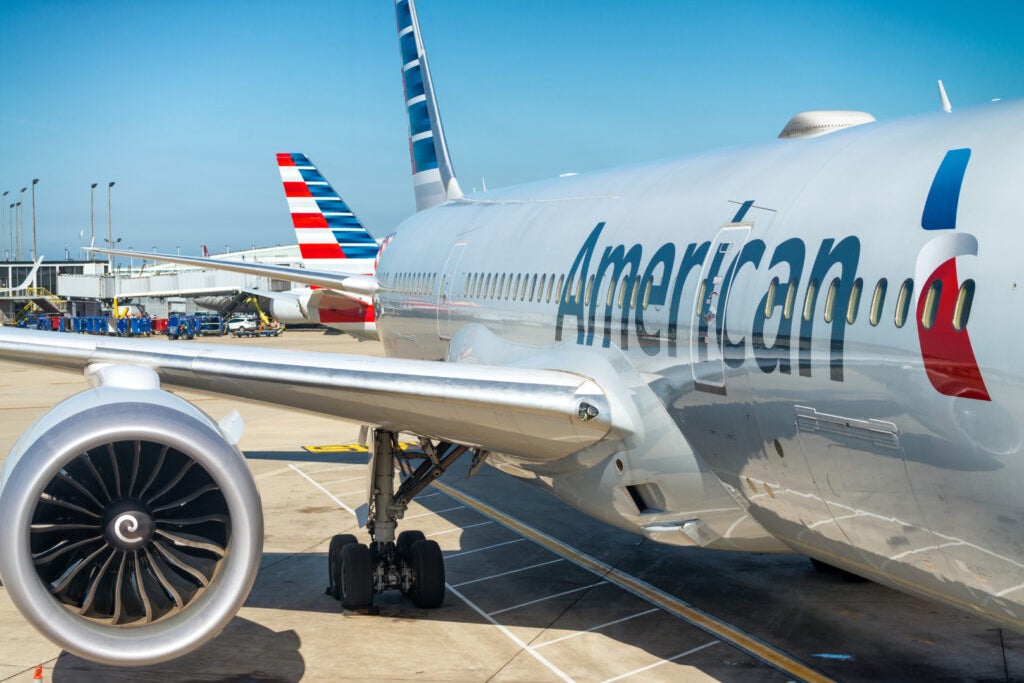
American Airlines Partners with Starlink for In-Flight Wi-Fi
- Partnership Expansion: American Airlines announced plans to install Starlink service on over 500 narrow-body aircraft, further solidifying SpaceX's leadership in the aviation Wi-Fi market and enhancing passenger internet experience.
- Market Competition: This move positions American Airlines advantageously against competitors like United and Southwest Airlines, particularly in attracting high-spending customers, thereby increasing service appeal.
- Revenue Growth Potential: SpaceX's Starlink service generated $11.39 billion in revenue last year, accounting for 61% of total sales, indicating that strong performance in the aviation market will bolster SpaceX's upcoming IPO.
- Future Outlook: By evaluating both Starlink and Amazon Leo, American Airlines' choice of Starlink underscores its commitment to efficient, high-speed internet services, which is expected to drive future customer satisfaction and revenue growth.
See More

Logistics Startup Stord Raises $250 Million in Funding Round
- Significant Funding: Stord raised nearly $250 million in its latest funding round, achieving a valuation of $3 billion, which underscores strong investor confidence in its business model amid the dominance of e-commerce giants.
- Technological Infrastructure Innovation: The funding will be directed towards advancing Stord Labs, aimed at enhancing physical intelligence to equip independent brands with the necessary tech support to effectively compete against giants like Amazon.
- Enhanced Market Competitiveness: By providing advanced logistics solutions, Stord not only strengthens its market position but also empowers independent brands to challenge large e-commerce players, further driving technological advancements in the industry.
- Investor Confidence Boost: The success of this funding round reflects ongoing market interest in the logistics tech sector, particularly in the context of rapid e-commerce growth, with Stord's innovative capabilities and market potential being widely recognized.
See More
Altman: AI Will Not Lead to Job Apocalypse
- Employment Impact Assessment: OpenAI CEO Sam Altman stated at the CBA conference in Australia that despite his initial concerns about AI's significant impact on global employment, the actual situation has not been as severe as he anticipated, indicating a gap between technological advancements and social-economic implications.
- Industry Layoff Trends: Although Altman did not provide specific job numbers, he noted that an increasing number of companies, including HSBC, Amazon, and CBA, are replacing some positions with AI, reflecting ongoing concerns within the industry regarding AI advancements and their potential impact on the job market.
- Irreplaceable Human Role: Altman emphasized that even as AI takes on more active roles in various industries, there remains a 'human part' of employment that cannot be replaced, highlighting the importance of interpersonal interactions in jobs and potentially affecting companies' reliance on AI.
- IPO Plans: OpenAI is preparing to confidentially file for a U.S. initial public offering in the coming weeks, with a potential valuation of $1 trillion and plans to raise at least $60 billion, a move that could have profound implications for the company's future growth and market positioning.
See More
Analysis of SpaceX's Financials Before IPO
- Financial Overview: SpaceX's stock price on May 22, 2026, serves as a basis for analysis, and while specific financial data is not disclosed, the upcoming IPO generates market interest that could influence investor confidence.
- Market Reaction: The video, published on May 25, 2026, indicates that analysts are cautious about SpaceX's financial status, suggesting that investors may need to reassess their strategies in the current market environment.
- Investment Advice: Despite the generally positive outlook for SpaceX, analysts recommend skipping the stock for now, reflecting concerns over its valuation and market volatility that could impact short-term investment decisions.
- Future Outlook: As SpaceX's IPO approaches, ongoing scrutiny of its financial health will persist, and investors should closely monitor subsequent financial reports and market developments to make informed investment choices.
See More
Investment Comparison: Amazon vs. MercadoLibre
- Amazon Financial Performance: In FY 2025, Amazon's revenue reached nearly $716.9 billion, reflecting a growth rate of approximately 12.4%, with net income of $77.7 billion and a net margin of about 10.8%, indicating strong profitability and market dominance.
- MercadoLibre Growth Potential: In the same year, MercadoLibre reported revenue of approximately $28.9 billion, a substantial 39.1% increase, with net income around $2.0 billion and a net margin of 6.9%, showcasing its robust growth in the Latin American market and integration of financial services.
- Competitive Risk Analysis: Amazon faces intense competition from Walmart, Alphabet, and Microsoft, while also being subjected to regulatory scrutiny regarding data privacy and antitrust laws, which could lead to increased operational costs.
- Valuation Comparison: Amazon's forward P/E stands at 30.3x, lower than MercadoLibre's 41.5x, while Amazon's P/S ratio is 4.0x compared to MercadoLibre's 2.9x, highlighting the differences in market valuations between the two companies.
See More
American Airlines to Equip 500 Aircraft with Starlink
- Flight Network Upgrade: American Airlines plans to install Starlink on over 500 narrow-body aircraft, including the A321neo, starting early next year, significantly enhancing in-flight Wi-Fi quality and improving customer experience to attract high-spending travelers.
- Competitor Dynamics: While American Airlines opts for Starlink, Delta Airlines announced plans to use Amazon's Leo service for hundreds of jets starting in 2028, highlighting the fierce competition among airlines to enhance in-flight internet speed and service.
- Market Trends: Airlines are vying for higher-spending customers by upgrading in-flight internet services, not only providing faster Wi-Fi but also exploring additional revenue streams like personalized ads to boost overall profitability.
- SpaceX Financial Performance: SpaceX's connectivity unit, which includes Starlink, reported $11.39 billion in revenue last year, accounting for 61% of total sales, establishing a strong financial foundation for its upcoming IPO, which is expected to set records.
See More
American Airlines Partners with Starlink for In-Flight Wi-Fi
- Partnership Expansion: American Airlines announced plans to install Starlink service on over 500 narrow-body aircraft, further solidifying SpaceX's leadership in the aviation Wi-Fi market and enhancing passenger internet experience.
- Market Competition: This move positions American Airlines advantageously against competitors like United and Southwest Airlines, particularly in attracting high-spending customers, thereby increasing service appeal.
- Revenue Growth Potential: SpaceX's Starlink service generated $11.39 billion in revenue last year, accounting for 61% of total sales, indicating that strong performance in the aviation market will bolster SpaceX's upcoming IPO.
- Future Outlook: By evaluating both Starlink and Amazon Leo, American Airlines' choice of Starlink underscores its commitment to efficient, high-speed internet services, which is expected to drive future customer satisfaction and revenue growth.
See More
Logistics Startup Stord Raises $250 Million in Funding Round
- Significant Funding: Stord raised nearly $250 million in its latest funding round, achieving a valuation of $3 billion, which underscores strong investor confidence in its business model amid the dominance of e-commerce giants.
- Technological Infrastructure Innovation: The funding will be directed towards advancing Stord Labs, aimed at enhancing physical intelligence to equip independent brands with the necessary tech support to effectively compete against giants like Amazon.
- Enhanced Market Competitiveness: By providing advanced logistics solutions, Stord not only strengthens its market position but also empowers independent brands to challenge large e-commerce players, further driving technological advancements in the industry.
- Investor Confidence Boost: The success of this funding round reflects ongoing market interest in the logistics tech sector, particularly in the context of rapid e-commerce growth, with Stord's innovative capabilities and market potential being widely recognized.
See More