Intensifying Competition Between Netflix and YouTube
Written by Emily J. Thompson, Senior Investment Analyst
Updated: 1 hour ago
0mins
Should l Buy GOOG?
Source: Fool
- User Base Comparison: Netflix boasts 325 million subscribers across 190 countries with $45 billion in revenue for 2025, while YouTube generated $60 billion in the same year, highlighting YouTube's formidable competitive position in the video streaming market.
- Advertising Revenue Edge: YouTube's revenue includes $40 billion from advertising, showcasing its robust ad business, while Netflix's ad segment is projected to double sales by 2026, indicating an intensifying direct competition in the advertising space.
- Viewing Time Disparity: According to Nielsen, in January 2025, YouTube accounted for 12.5% of U.S. TV viewing time, compared to Netflix's 8.8%, demonstrating YouTube's significant advantage in user engagement, which could impact Netflix's market share.
- Content Investment Differences: Netflix plans to invest $20 billion in content production in 2026, while YouTube relies on user-generated content, creating a disparity in business models that poses greater challenges for Netflix in attracting viewers.
Trade with 70% Backtested Accuracy
Stop guessing "Should I Buy GOOG?" and start using high-conviction signals backed by rigorous historical data.
Sign up today to access powerful investing tools and make smarter, data-driven decisions.
Analyst Views on GOOG
Wall Street analysts forecast GOOG stock price to rise
15 Analyst Rating
14 Buy
1 Hold
0 Sell
Strong Buy
Current: 280.740

Low
255.00
Averages
336.08
High
400.00
Current: 280.740
Low
255.00
Averages
336.08
High
400.00
About GOOG
Alphabet Inc. is a holding company. The Company's segments include Google Services, Google Cloud, and Other Bets. The Google Services segment includes products and services such as ads, Android, Chrome, devices, Google Maps, Google Play, Search, and YouTube. The Google Cloud segment includes infrastructure and platform services, collaboration tools, and other services for enterprise customers. Its Other Bets segment is engaged in the sale of healthcare-related services and Internet services. Its Google Cloud provides enterprise-ready cloud services, including Google Cloud Platform and Google Workspace. Google Cloud Platform provides access to solutions such as artificial intelligence (AI) offerings, including its AI infrastructure, Vertex AI platform, and Gemini for Google Cloud; cybersecurity, and data and analytics. Google Workspace includes cloud-based communication and collaboration tools for enterprises, such as Calendar, Gmail, Docs, Drive, and Meet.
About the author

Emily J. Thompson
Emily J. Thompson, a Chartered Financial Analyst (CFA) with 12 years in investment research, graduated with honors from the Wharton School. Specializing in industrial and technology stocks, she provides in-depth analysis for Intellectia’s earnings and market brief reports.

Launch of New Publication Tracking AI-Driven Search Transition

- Search Trend Shift: Research indicates that 56% of Google desktop searches ended without a click in Q4 2025, highlighting a significant behavioral shift towards AI-driven discovery, which could lead to a 25% decline in traditional search traffic by 2028.
- Publication Launch: Searchless.ai has launched as a new publication focused on AI-driven discovery, publishing five in-depth articles daily to provide data-driven intelligence for marketers and tech professionals, filling a gap between traditional SEO and AI discovery.
- AI Visibility Tool: The platform also offers an AI Visibility Score tool that generates a composite visibility score for brands within 60 seconds, providing actionable recommendations to enhance discoverability on AI platforms.
- Industry Structural Shift: The global SEO industry, valued at over $100 billion, is undergoing a structural pivot towards AI visibility optimization, indicating the growing significance of AI technologies in digital marketing.
See More

Alphabet Revives Wing Drone Delivery Service in Bay Area
- Drone Delivery Comeback: Alphabet has announced the expansion of its Wing drone delivery service to the San Francisco Bay Area, marking a symbolic return since its inception in 2012, despite facing lawsuits and a 12% stock price decline year-to-date, indicating investor concerns.
- Partnership with Walmart: Wing is accelerating its collaboration with Walmart, aiming for 270 drone delivery locations by 2027 and adding 150 more Walmart stores next year, which solidifies its position in the last-mile delivery market amidst rising competition.
- Intensifying Market Competition: In the Bay Area, Wing faces fierce competition from Zipline and Amazon Prime Air, with Zipline surpassing 2 million commercial deliveries while Amazon's expansion plans are hindered by operational pauses, highlighting the complexities of the market landscape.
- Technological Innovation Drive: Wing's new logistics infrastructure aims to enhance last-mile delivery efficiency through lightweight and highly automated drones, which is expected to reshape consumer expectations for rapid delivery and propel the industry forward.
See More
Intensifying Competition Between Netflix and YouTube

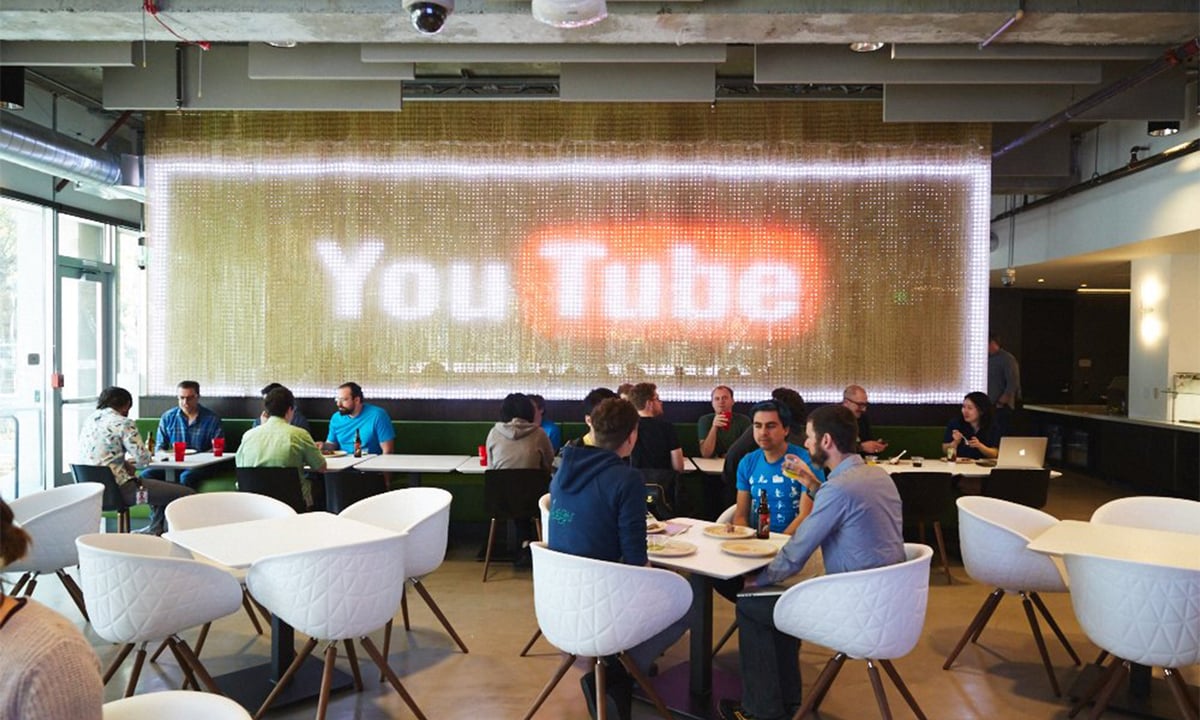
- User Base Comparison: Netflix boasts 325 million subscribers across 190 countries with $45 billion in revenue for 2025, while YouTube generated $60 billion in the same year, highlighting YouTube's formidable competitive position in the video streaming market.
- Advertising Revenue Edge: YouTube's revenue includes $40 billion from advertising, showcasing its robust ad business, while Netflix's ad segment is projected to double sales by 2026, indicating an intensifying direct competition in the advertising space.
- Viewing Time Disparity: According to Nielsen, in January 2025, YouTube accounted for 12.5% of U.S. TV viewing time, compared to Netflix's 8.8%, demonstrating YouTube's significant advantage in user engagement, which could impact Netflix's market share.
- Content Investment Differences: Netflix plans to invest $20 billion in content production in 2026, while YouTube relies on user-generated content, creating a disparity in business models that poses greater challenges for Netflix in attracting viewers.
See More

Alphabet's Video Streaming Revenue Surpasses Netflix
- Revenue Comparison: In 2025, Alphabet's YouTube generated $60 billion in revenue, which is 33% higher than Netflix's $45 billion, demonstrating its strong performance in the video streaming market and further solidifying its market position.
- Ad Revenue Dominance: Of YouTube's $60 billion revenue, $40 billion came from advertising, highlighting Alphabet's robust competitiveness in the ad market, which could impact Netflix's future ad revenue growth.
- Engagement Disparity: According to Nielsen, in January 2023, YouTube accounted for 12.5% of all TV viewing time in the U.S., while Netflix only represented 8.8%, indicating YouTube's advantage in user engagement, which may pose a threat to Netflix's market share.
- Content Strategy Differences: Netflix plans to invest $20 billion in content production in 2026, while YouTube relies on user-generated content, and this difference in business models may present greater challenges for Netflix in attracting viewers.
See More

Investment Value of Walmart and Alphabet
- Walmart's Market Position: Since its founding in 1962, Walmart has become one of the largest retailers globally with over 10,000 locations, leveraging its scale to secure significant bulk discounts, which attracts more price-sensitive consumers during economic downturns.
- Dividend King Performance: As a Dividend King, Walmart has raised its dividend for over 50 consecutive years, demonstrating stable cash flow and profitability, which enhances investor confidence, especially in uncertain economic environments.
- Google's Search Engine Advantage: Google, as the most visited website globally, holds a strong market share, with its Gemini AI platform boasting over 750 million monthly active users, indicating substantial future subscription revenue potential that solidifies its leadership in technology.
- Cloud Computing Growth Potential: Google's cloud computing business is rapidly growing, becoming a core expense for many businesses; while advertising revenue may be impacted during economic slowdowns, its profitability in the cloud sector will provide strong support for the company.
See More

US Stocks Decline Amid Ongoing Geopolitical Tensions
- Market Decline: U.S. stocks fell this week as tensions between the U.S. and Iran escalated, with the S&P 500 down 2.1%, the Nasdaq Composite sliding 3.2%, and the Dow Jones Industrial Average dipping 0.9%, indicating investor concerns over geopolitical risks.
- Meta Executive Stock Options: Meta Platforms awarded new stock options to its seven main executives, contingent on the company reaching a $9 trillion market cap by 2031, representing a fivefold increase from its current valuation, highlighting the company's ambitious growth outlook.
- Micron Technology Under Pressure: Micron Technology's shares fell nearly 16% this week as investors reassessed the outlook for memory pricing and AI-driven demand, particularly after Alphabet unveiled its TurboQuant compression technology, raising concerns about potential demand erosion for memory chips.
- Tesla Semiconductor Initiative: Tesla announced plans to build a semiconductor manufacturing complex called 'Terafab' in Austin, Texas, aimed at producing advanced chips in-house to support AI, robotics, and autonomous driving needs, reflecting its strategic focus on technological innovation.
See More
Launch of New Publication Tracking AI-Driven Search Transition
- Search Trend Shift: Research indicates that 56% of Google desktop searches ended without a click in Q4 2025, highlighting a significant behavioral shift towards AI-driven discovery, which could lead to a 25% decline in traditional search traffic by 2028.
- Publication Launch: Searchless.ai has launched as a new publication focused on AI-driven discovery, publishing five in-depth articles daily to provide data-driven intelligence for marketers and tech professionals, filling a gap between traditional SEO and AI discovery.
- AI Visibility Tool: The platform also offers an AI Visibility Score tool that generates a composite visibility score for brands within 60 seconds, providing actionable recommendations to enhance discoverability on AI platforms.
- Industry Structural Shift: The global SEO industry, valued at over $100 billion, is undergoing a structural pivot towards AI visibility optimization, indicating the growing significance of AI technologies in digital marketing.
See More
Alphabet Revives Wing Drone Delivery Service in Bay Area
- Drone Delivery Comeback: Alphabet has announced the expansion of its Wing drone delivery service to the San Francisco Bay Area, marking a symbolic return since its inception in 2012, despite facing lawsuits and a 12% stock price decline year-to-date, indicating investor concerns.
- Partnership with Walmart: Wing is accelerating its collaboration with Walmart, aiming for 270 drone delivery locations by 2027 and adding 150 more Walmart stores next year, which solidifies its position in the last-mile delivery market amidst rising competition.
- Intensifying Market Competition: In the Bay Area, Wing faces fierce competition from Zipline and Amazon Prime Air, with Zipline surpassing 2 million commercial deliveries while Amazon's expansion plans are hindered by operational pauses, highlighting the complexities of the market landscape.
- Technological Innovation Drive: Wing's new logistics infrastructure aims to enhance last-mile delivery efficiency through lightweight and highly automated drones, which is expected to reshape consumer expectations for rapid delivery and propel the industry forward.
See More
Intensifying Competition Between Netflix and YouTube
- User Base Comparison: Netflix boasts 325 million subscribers across 190 countries with $45 billion in revenue for 2025, while YouTube generated $60 billion in the same year, highlighting YouTube's formidable competitive position in the video streaming market.
- Advertising Revenue Edge: YouTube's revenue includes $40 billion from advertising, showcasing its robust ad business, while Netflix's ad segment is projected to double sales by 2026, indicating an intensifying direct competition in the advertising space.
- Viewing Time Disparity: According to Nielsen, in January 2025, YouTube accounted for 12.5% of U.S. TV viewing time, compared to Netflix's 8.8%, demonstrating YouTube's significant advantage in user engagement, which could impact Netflix's market share.
- Content Investment Differences: Netflix plans to invest $20 billion in content production in 2026, while YouTube relies on user-generated content, creating a disparity in business models that poses greater challenges for Netflix in attracting viewers.
See More
Alphabet's Video Streaming Revenue Surpasses Netflix
- Revenue Comparison: In 2025, Alphabet's YouTube generated $60 billion in revenue, which is 33% higher than Netflix's $45 billion, demonstrating its strong performance in the video streaming market and further solidifying its market position.
- Ad Revenue Dominance: Of YouTube's $60 billion revenue, $40 billion came from advertising, highlighting Alphabet's robust competitiveness in the ad market, which could impact Netflix's future ad revenue growth.
- Engagement Disparity: According to Nielsen, in January 2023, YouTube accounted for 12.5% of all TV viewing time in the U.S., while Netflix only represented 8.8%, indicating YouTube's advantage in user engagement, which may pose a threat to Netflix's market share.
- Content Strategy Differences: Netflix plans to invest $20 billion in content production in 2026, while YouTube relies on user-generated content, and this difference in business models may present greater challenges for Netflix in attracting viewers.
See More
Investment Value of Walmart and Alphabet
- Walmart's Market Position: Since its founding in 1962, Walmart has become one of the largest retailers globally with over 10,000 locations, leveraging its scale to secure significant bulk discounts, which attracts more price-sensitive consumers during economic downturns.
- Dividend King Performance: As a Dividend King, Walmart has raised its dividend for over 50 consecutive years, demonstrating stable cash flow and profitability, which enhances investor confidence, especially in uncertain economic environments.
- Google's Search Engine Advantage: Google, as the most visited website globally, holds a strong market share, with its Gemini AI platform boasting over 750 million monthly active users, indicating substantial future subscription revenue potential that solidifies its leadership in technology.
- Cloud Computing Growth Potential: Google's cloud computing business is rapidly growing, becoming a core expense for many businesses; while advertising revenue may be impacted during economic slowdowns, its profitability in the cloud sector will provide strong support for the company.
See More
US Stocks Decline Amid Ongoing Geopolitical Tensions
- Market Decline: U.S. stocks fell this week as tensions between the U.S. and Iran escalated, with the S&P 500 down 2.1%, the Nasdaq Composite sliding 3.2%, and the Dow Jones Industrial Average dipping 0.9%, indicating investor concerns over geopolitical risks.
- Meta Executive Stock Options: Meta Platforms awarded new stock options to its seven main executives, contingent on the company reaching a $9 trillion market cap by 2031, representing a fivefold increase from its current valuation, highlighting the company's ambitious growth outlook.
- Micron Technology Under Pressure: Micron Technology's shares fell nearly 16% this week as investors reassessed the outlook for memory pricing and AI-driven demand, particularly after Alphabet unveiled its TurboQuant compression technology, raising concerns about potential demand erosion for memory chips.
- Tesla Semiconductor Initiative: Tesla announced plans to build a semiconductor manufacturing complex called 'Terafab' in Austin, Texas, aimed at producing advanced chips in-house to support AI, robotics, and autonomous driving needs, reflecting its strategic focus on technological innovation.
See More