Intel Invests $350 Million in SambaNova AI Chip Startup
Written by Emily J. Thompson, Senior Investment Analyst
Updated: Feb 24 2026
0mins

Should l Buy INTC?
Source: Newsfilter
- Strategic Investment: Intel is participating in a $350 million funding round for SambaNova, aiming to enhance its competitiveness in the AI chip market, particularly against the formidable presence of Nvidia.
- Technological Collaboration: SambaNova's new SN50 chip claims to outperform Nvidia's B200 systems, offering greater computing power, which is expected to attract more customers and increase market share.
- Market Expansion: SambaNova plans to expand its cloud services for running AI models and seeks to sell clusters that companies can operate in their data centers, further solidifying its market position.
- Leadership Background: Intel CEO Lip-Bu Tan has served as SambaNova's chairman since 2017, and his early investment role is significant in this collaboration, although he has recused himself from direct discussions regarding the partnership.
Trade with 70% Backtested Accuracy
Stop guessing "Should I Buy INTC?" and start using high-conviction signals backed by rigorous historical data.
Sign up today to access powerful investing tools and make smarter, data-driven decisions.
Analyst Views on INTC
Wall Street analysts forecast INTC stock price to fall
29 Analyst Rating
5 Buy
19 Hold
5 Sell
Hold
Current: 48.030

Low
20.00
Averages
39.30
High
52.00
Current: 48.030
Low
20.00
Averages
39.30
High
52.00
About INTC
Intel Corporation is a global designer and manufacturer of semiconductor products. The Company operates through three segments: Intel Products, Intel Foundry, and All Other. Its Intel Products segment includes Client Computing Group (CCG), Data Center and AI (DCAI), Network and Edge (NEX). The CCG is bringing together the operating system, system architecture, hardware, and software application integration to enable PC experiences. DCAI delivers workload-optimized solutions to cloud service providers and enterprises, along with silicon devices for communications service providers, network and edge, and HPC customers. NEX helps networks and edge compute systems from fixed-function hardware to general-purpose compute, acceleration, and networking devices running cloud native software on programmable hardware. The Intel Foundry segment comprises technology development, manufacturing and foundry services. All Other segments include Altera, Mobileye, Other.
About the author

Emily J. Thompson
Emily J. Thompson, a Chartered Financial Analyst (CFA) with 12 years in investment research, graduated with honors from the Wharton School. Specializing in industrial and technology stocks, she provides in-depth analysis for Intellectia’s earnings and market brief reports.
Intel Shows Significant Financial Improvement

- Financial Improvement: Intel's financial position has significantly improved compared to two years ago, reflecting the company's recovery and growth potential in the competitive market, which enhances investor confidence.
- Stock Performance: As of the afternoon of April 1, 2026, Intel's stock price rose by 4.89%, indicating a positive market reaction and optimistic expectations from investors regarding the company's future.
- Strategic Adjustments: This stock price increase is seen as a sign of successful strategic adjustments by Intel, indicating substantial progress in technology innovation and market expansion.
- Restored Market Confidence: The signs of improvement at Intel not only boost shareholder confidence but may also attract more investor attention, further driving the company's stock price upward.
See More

Three Growth Stocks to Buy Now Amid Pullback


- UiPath Price Drop: UiPath's shares have fallen over 40% since their December peak, yet its pioneering role in automated workflows presents a buying opportunity for long-term investors, with expectations of continued growth despite broader industry sell-offs.
- Remitly User Growth: Remitly Global's active customer count rose 19% year-over-year to 9.3 million in Q4, driving a 35% increase in total money transferred, allowing the company to swing from a $5.7 million loss last year to a $41.2 million profit, showcasing its strong performance in the cross-border payments market.
- Meta's AI Utilization: Meta Platforms' stock is down 28% from its August high; however, its strategic use of AI to enhance its advertising business, alongside its status as the preferred social networking platform, led to a 24% revenue growth in Q4, indicating robust business fundamentals.
- Market Pullback Opportunity: Amid the overall market pullback, investors should focus on these undervalued growth stocks, particularly UiPath, Remitly, and Meta, as their technological advantages and market potential could yield significant returns for long-term investors.
See More
Hyperscalers Transition to Arm Architecture for AI Infrastructure

- Structural Market Shift: Counterpoint Research notes that hyperscalers are increasingly moving away from Intel and AMD's legacy x86 CPUs towards Arm architecture to optimize costs and efficiency, which is expected to significantly impact the entire semiconductor supply chain.
- Cloud Giants Leading the Charge: Major cloud players like Google, Amazon, Microsoft, and Meta are redesigning their AI server stacks around Arm-based CPUs, indicating a growing demand for custom hardware in AI workloads as they transition from traditional x86 processors.
- Arm Architecture Advantages: Arm Holdings is gaining traction as its architecture delivers significantly better performance per watt compared to traditional x86 systems, with companies like Google and AWS deploying Arm processors in their AI infrastructure, highlighting Arm's central role in AI server design.
- Future Outlook: Projections suggest that by 2029, Arm-based CPUs could account for 90% of host CPU deployments in custom AI ASIC servers, a trend that will drive increased demand for semiconductor manufacturing and further solidify Arm's market position.
See More
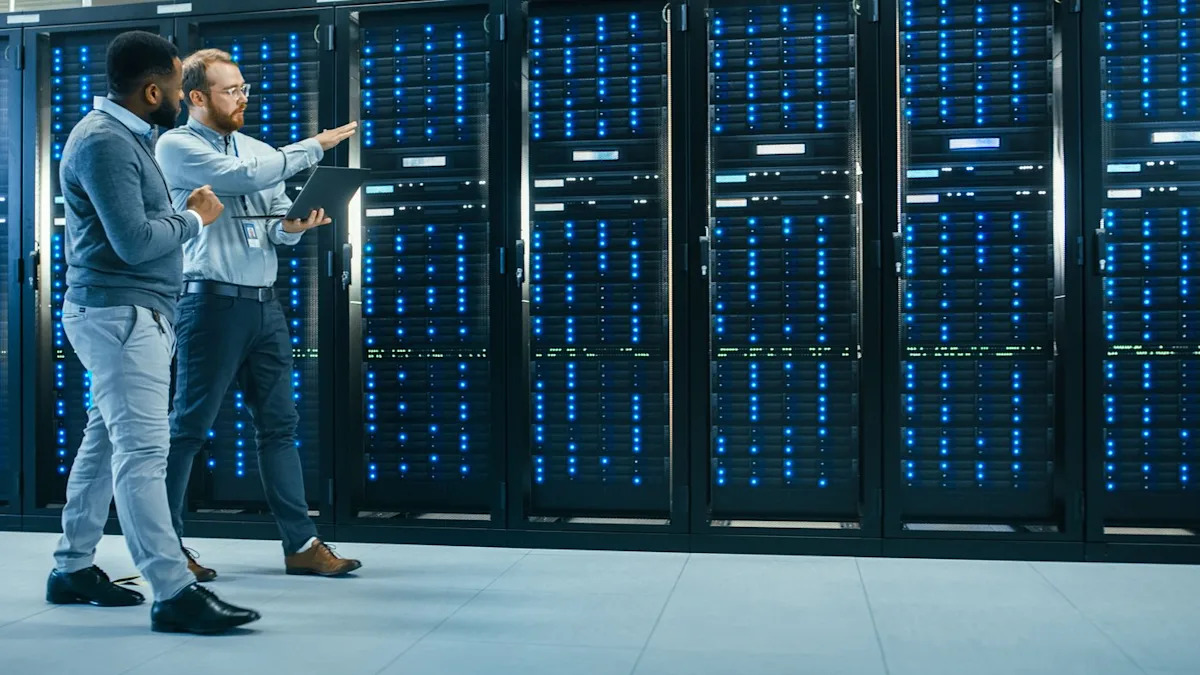
CoreWeave: The Future of AI Cloud Computing

- Significant Revenue Growth: CoreWeave's revenue surged by 110% year-over-year in Q4 2025, reaching $1.57 billion, indicating strong demand and an enhanced market position in the AI cloud computing sector.
- Ongoing Losses: Despite the revenue increase, CoreWeave reported a loss of $452 million in Q4 2025 and a total loss of $1.17 billion for the year, reflecting that high investments in technology and infrastructure have yet to yield profitability.
- Strategic Investment Positioning: The company spent nearly $3 billion on technology and infrastructure last year, accounting for 57% of its revenue, aiming to prepare for AI data center opportunities over the next two to five years, demonstrating a commitment to long-term growth.
- Optimistic Market Outlook: Analysts expect the AI data center industry to grow at an average annual rate of over 27% through 2035, with CoreWeave likely achieving profitability during this period, further solidifying its market position.
See More

Tariff Uncertainty Returns: Why Selling Into Fear Has Rarely Paid Off
- Tariff Hike Speculation: President Trump may raise tariffs to 15%, as White House trade advisor Peter Navarro states it's 'in the process to happen', which could negatively impact consumer spending and narrow profit margins, potentially leading to increased market volatility.
- Historical Market Reaction: In 2025, the S&P 500 dropped over 10% in the first week of April due to tariff news, despite starting the year down nearly 20%, it ultimately ended the year up 18%, demonstrating market resilience against short-term tariff impacts.
- Unchanged Fundamentals: While tariffs pose short-term headwinds, the fundamentals of most companies remain intact, with sectors like artificial intelligence continuing to show long-term growth potential, leading many AI stocks to reach all-time highs by the end of 2025.
- Investment Strategy Advice: Amid market volatility and negative headlines, investors should focus on fundamentals and avoid panic selling, as maintaining long-term positions in quality assets has historically proven to be a successful investment strategy.
See More

Peloton Faces Declining Subscription User Crisis

- Financial Improvement: Peloton improved its margins, strengthened its balance sheet, and reduced per-share losses in fiscal 2025, indicating positive financial management despite a challenging market environment.
- Declining Subscribers: However, the paid subscriber base fell by 11% in fiscal 2025, with continued losses into the first half of fiscal 2026, suggesting waning consumer interest in digital fitness, which could jeopardize future revenue stability.
- Cost-Cutting Measures: The company has implemented staff reductions and product line overhauls to cut costs, which have supported margins in the short term but failed to effectively address the ongoing subscriber losses, highlighting challenges in its transformation efforts.
- Increased Market Competition: As consumers prefer in-person workouts post-pandemic, Peloton's business model faces significant challenges, and if subscription trends cannot be reversed, the company's future profitability will be severely threatened.
See More
Intel Shows Significant Financial Improvement
- Financial Improvement: Intel's financial position has significantly improved compared to two years ago, reflecting the company's recovery and growth potential in the competitive market, which enhances investor confidence.
- Stock Performance: As of the afternoon of April 1, 2026, Intel's stock price rose by 4.89%, indicating a positive market reaction and optimistic expectations from investors regarding the company's future.
- Strategic Adjustments: This stock price increase is seen as a sign of successful strategic adjustments by Intel, indicating substantial progress in technology innovation and market expansion.
- Restored Market Confidence: The signs of improvement at Intel not only boost shareholder confidence but may also attract more investor attention, further driving the company's stock price upward.
See More
Three Growth Stocks to Buy Now Amid Pullback
- UiPath Price Drop: UiPath's shares have fallen over 40% since their December peak, yet its pioneering role in automated workflows presents a buying opportunity for long-term investors, with expectations of continued growth despite broader industry sell-offs.
- Remitly User Growth: Remitly Global's active customer count rose 19% year-over-year to 9.3 million in Q4, driving a 35% increase in total money transferred, allowing the company to swing from a $5.7 million loss last year to a $41.2 million profit, showcasing its strong performance in the cross-border payments market.
- Meta's AI Utilization: Meta Platforms' stock is down 28% from its August high; however, its strategic use of AI to enhance its advertising business, alongside its status as the preferred social networking platform, led to a 24% revenue growth in Q4, indicating robust business fundamentals.
- Market Pullback Opportunity: Amid the overall market pullback, investors should focus on these undervalued growth stocks, particularly UiPath, Remitly, and Meta, as their technological advantages and market potential could yield significant returns for long-term investors.
See More
Hyperscalers Transition to Arm Architecture for AI Infrastructure
- Structural Market Shift: Counterpoint Research notes that hyperscalers are increasingly moving away from Intel and AMD's legacy x86 CPUs towards Arm architecture to optimize costs and efficiency, which is expected to significantly impact the entire semiconductor supply chain.
- Cloud Giants Leading the Charge: Major cloud players like Google, Amazon, Microsoft, and Meta are redesigning their AI server stacks around Arm-based CPUs, indicating a growing demand for custom hardware in AI workloads as they transition from traditional x86 processors.
- Arm Architecture Advantages: Arm Holdings is gaining traction as its architecture delivers significantly better performance per watt compared to traditional x86 systems, with companies like Google and AWS deploying Arm processors in their AI infrastructure, highlighting Arm's central role in AI server design.
- Future Outlook: Projections suggest that by 2029, Arm-based CPUs could account for 90% of host CPU deployments in custom AI ASIC servers, a trend that will drive increased demand for semiconductor manufacturing and further solidify Arm's market position.
See More
CoreWeave: The Future of AI Cloud Computing
- Significant Revenue Growth: CoreWeave's revenue surged by 110% year-over-year in Q4 2025, reaching $1.57 billion, indicating strong demand and an enhanced market position in the AI cloud computing sector.
- Ongoing Losses: Despite the revenue increase, CoreWeave reported a loss of $452 million in Q4 2025 and a total loss of $1.17 billion for the year, reflecting that high investments in technology and infrastructure have yet to yield profitability.
- Strategic Investment Positioning: The company spent nearly $3 billion on technology and infrastructure last year, accounting for 57% of its revenue, aiming to prepare for AI data center opportunities over the next two to five years, demonstrating a commitment to long-term growth.
- Optimistic Market Outlook: Analysts expect the AI data center industry to grow at an average annual rate of over 27% through 2035, with CoreWeave likely achieving profitability during this period, further solidifying its market position.
See More
Tariff Uncertainty Returns: Why Selling Into Fear Has Rarely Paid Off
- Tariff Hike Speculation: President Trump may raise tariffs to 15%, as White House trade advisor Peter Navarro states it's 'in the process to happen', which could negatively impact consumer spending and narrow profit margins, potentially leading to increased market volatility.
- Historical Market Reaction: In 2025, the S&P 500 dropped over 10% in the first week of April due to tariff news, despite starting the year down nearly 20%, it ultimately ended the year up 18%, demonstrating market resilience against short-term tariff impacts.
- Unchanged Fundamentals: While tariffs pose short-term headwinds, the fundamentals of most companies remain intact, with sectors like artificial intelligence continuing to show long-term growth potential, leading many AI stocks to reach all-time highs by the end of 2025.
- Investment Strategy Advice: Amid market volatility and negative headlines, investors should focus on fundamentals and avoid panic selling, as maintaining long-term positions in quality assets has historically proven to be a successful investment strategy.
See More
Peloton Faces Declining Subscription User Crisis
- Financial Improvement: Peloton improved its margins, strengthened its balance sheet, and reduced per-share losses in fiscal 2025, indicating positive financial management despite a challenging market environment.
- Declining Subscribers: However, the paid subscriber base fell by 11% in fiscal 2025, with continued losses into the first half of fiscal 2026, suggesting waning consumer interest in digital fitness, which could jeopardize future revenue stability.
- Cost-Cutting Measures: The company has implemented staff reductions and product line overhauls to cut costs, which have supported margins in the short term but failed to effectively address the ongoing subscriber losses, highlighting challenges in its transformation efforts.
- Increased Market Competition: As consumers prefer in-person workouts post-pandemic, Peloton's business model faces significant challenges, and if subscription trends cannot be reversed, the company's future profitability will be severely threatened.
See More